10 Parent-Tested Ways to Introduce New Foods to Picky Eaters (Without Power Struggles)
If you’re staring at yet another untouched plate thinking, “How on earth do I get this kid to try something new?”, you are not alone. Picky eating is incredibly common, especially in toddlers, and it can make introducing new foods feel like a daily battle.
The good news: you don’t have to force, bribe, or beg. With some simple, evidence-based strategies—and a few clever recipe ideas—you can slowly expand what your picky eater will accept, while keeping mealtimes calmer for everyone.
Key Takeaways
| Question Parents Ask | Short Answer | Helpful Resource |
|---|---|---|
| 1. Why is my toddler so picky with food? | Normal development, tiny stomachs, big energy needs, and a drive for independence all play a role. | Toddler feeding behavior guides |
| 2. Why does my child refuse breakfast but snack all morning? | They may not be fully hungry at wake-up, plus stress and timing can shut down appetite. | Toddler refusing breakfast strategies |
| 3. How much protein does my toddler really need at breakfast? | Often less than we think—small, steady protein helps with fullness and trying new foods. | Protein-at-breakfast guide |
| 4. Why does my toddler get hungry again right after eating? | Fast metabolism, tiny stomachs, and carb-heavy meals mean they burn through food quickly. | Why toddlers get hungry fast |
| 5. Can serving “dinner foods” at breakfast help picky eaters? | Yes. Familiar savory meals in the morning can feel safe and help practice new textures. | Dinner-for-breakfast pasta idea |
| 6. What’s an easy way to sneak veggies into a picky eater’s diet? | Offer veggie-loaded versions of foods they already love, like tots with hidden broccoli. | Homemade broccoli tots recipe |
| 7. How can I replace fast-food nuggets with something my child will still eat? | Serve homemade baked nuggets that look and crunch like their favorite drive-thru version. | Crispy baked chicken nuggets |
1. Understand Why Picky Eaters Resist New Foods
Before we can introduce new foods, it really helps to know what we’re up against. Most picky eating is not you “failing” as a parent—it’s your child’s development, wiring, and tiny body doing exactly what they’re designed to do.
Toddlers in particular burn energy like crazy, but their stomachs are tiny, and they’re wired to be cautious about unfamiliar foods. Add in a strong need for control, and “No!” becomes a very normal response at the table.

Normal picky eating vs. red flags
It’s normal for kids to refuse a food they loved yesterday, eat three bites and be “done,” or need 10–15 exposures to accept something new. That’s frustrating, but still within the range of normal.
Red flags—like coughing, gagging on almost everything, very limited textures, or major weight concerns—are worth bringing to your pediatrician. For the typical picky eater, though, consistent low-pressure exposure is the magic ingredient.
How this helps you introduce new foods
Once you see picky eating as a developmental phase, you can shift your goal from “make them eat it today” to “build comfort and trust over time.” That mindset alone makes it much easier to keep your cool when they reject something.
Think of yourself as a long-game coach: your job is to keep offering, gently, in many different ways, rather than winning every single meal.
2. Time New Foods When Your Child Is Most Likely to Be Hungry
One of the simplest ways to improve your chances with new foods is timing. A child who is genuinely a little hungry—not over-hungry—is much more willing to explore and taste.
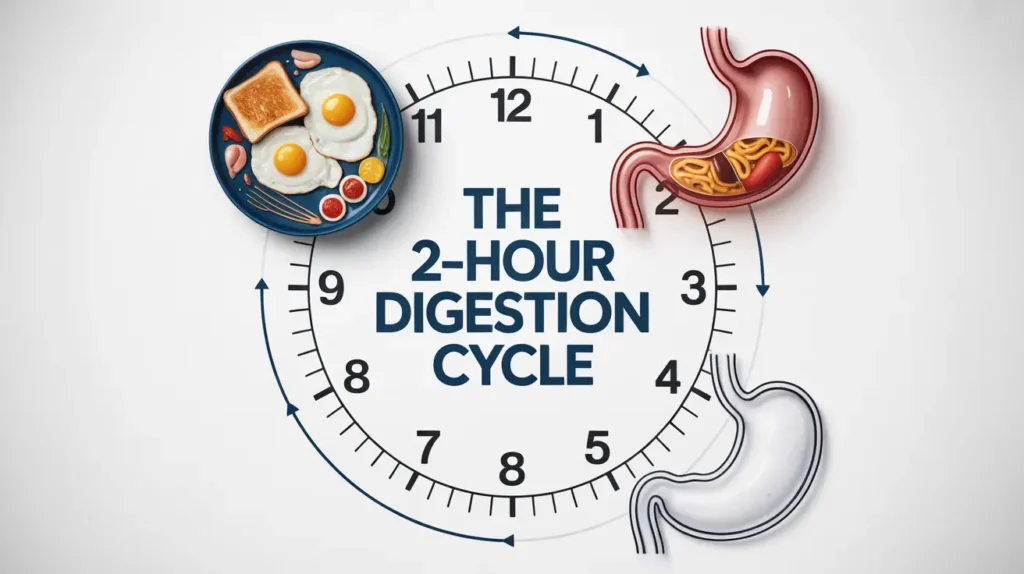
Breakfast can be especially tricky. Many toddlers simply aren’t ready to eat the moment they wake up, or they’ve had a big milk feed that fills their tiny stomach before food even hits the table.


Play with schedule, not pressure
If your child always refuses breakfast, experiment with offering it 30–60 minutes after wake-up, or shifting some calories from late-night snacks to morning. A small schedule tweak can make a big difference.
Use those windows of natural hunger to introduce a tiny amount of something new alongside familiar foods. You’re not using hunger as a threat; you’re just not competing with a full belly.
Watch for the “crash and snack” cycle
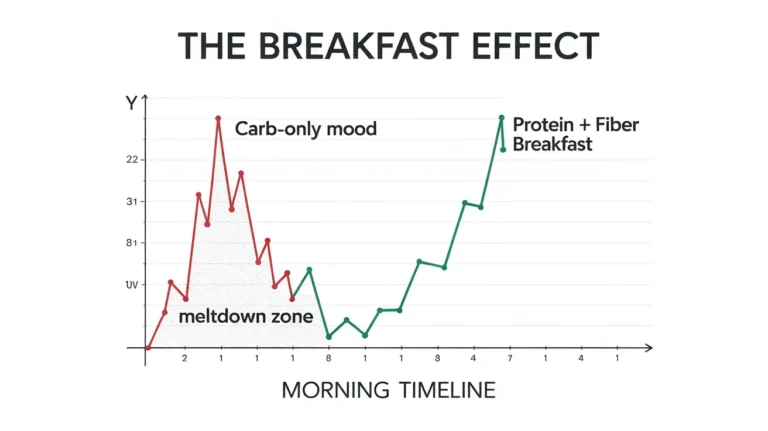
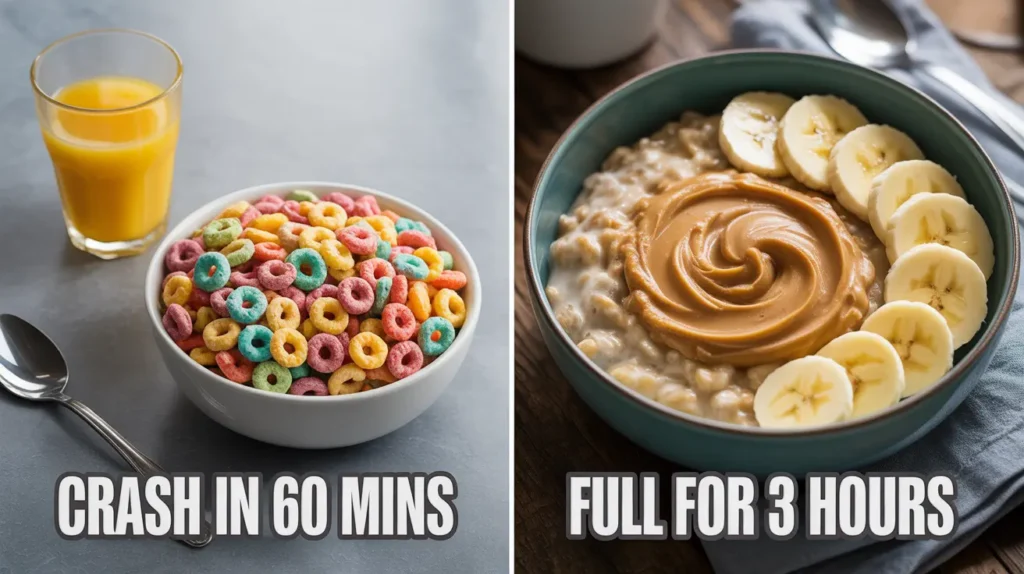
Very carb-heavy meals (like plain toast or sugary cereal) can leave toddlers hungry again fast, which often turns into endless snacking. That constant grazing leaves little room for trying new foods at real meals.
Adding some protein and fat—like eggs, yogurt, cheese, or nut butter—helps smooth out their energy and makes them more open to exploring at set mealtimes, instead of snacking all day.
3. Use Protein at Breakfast to Support Trying New Foods
It might not sound related, but the way you build breakfast can make or break your picky eater’s willingness to taste something new later in the day. Stable energy and gentle fullness matter for appetite and mood.
Toddlers don’t need a mountain of protein, but a modest, steady amount—especially in the morning—can help them feel satisfied without getting over-stuffed, which is ideal for exploring new foods.


Simple protein ideas that open the door
- Scrambled egg with a tiny side of new veggie or fruit
- Yogurt topped with one “safe” topping and one new topping
- Toast with peanut butter plus a few pieces of a new food on the same plate
When your child isn’t riding a blood-sugar roller coaster, they’re generally calmer and more curious—which makes it easier to nudge them toward new textures and flavors throughout the day.
Don’t stress about exact grams
It’s easy to get lost in numbers, but you don’t need to. Focus on including at least one protein source at breakfast and letting the rest of the day fill in naturally.
The goal here isn’t a “perfect plate.” The goal is a child who has enough steady energy to show up to meals willing to look at, touch, lick, or maybe even bite something new.
4. Make Familiar Foods Your “Bridge” to New Ones
One of the most effective picky-eater strategies is using “bridge foods”–the familiar, safe foods your child already loves—as a path to new tastes and textures. You’re not starting from scratch; you’re building off what already works.
For example, if your child loves nuggets, that’s a bridge to new proteins. If they’re obsessed with fries or tots, that’s your bridge to veggie-based versions.

Examples of “bridge” moves
- From plain waffles → waffles with yogurt dip → waffles with a smear of nut butter and fruit
- From fries → potato wedges → carrot or sweet potato fries
- From plain pasta → pasta with butter and peas on the side → pasta with peas mixed in
Your child still sees something safe on their plate, which calms their nervous system. The new food sits beside, on top of, or inside the familiar one—close enough to explore, but not forced.
Keep portions of new foods tiny
A large scoop of something new can feel overwhelming. A single bite-sized piece (or even smaller) feels more doable, and it sends the message: “This is just here if you want it. No pressure.”
Think of new foods as a small side character on the plate, with their beloved foods still in the starring role—for now.
5. Try “Dinner for Breakfast” to Expand What Feels Normal
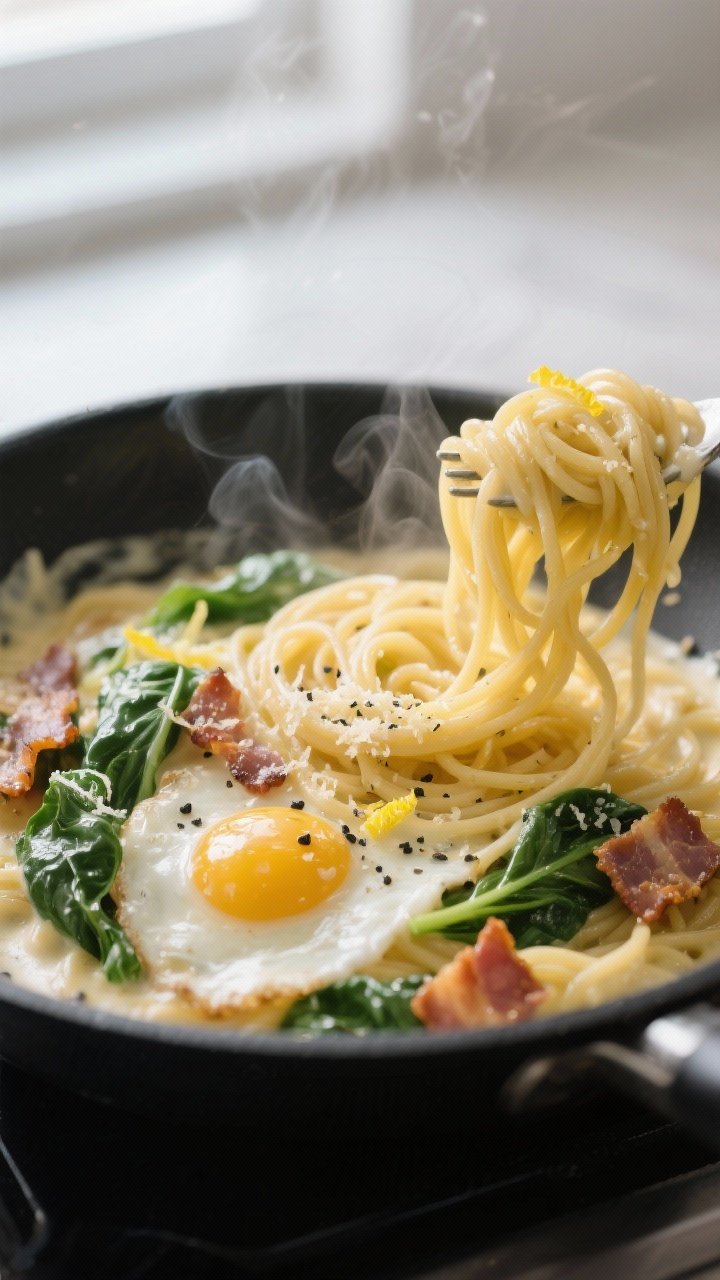
If your picky eater loves pasta, chicken, or other dinner staples, you can absolutely use those at breakfast to introduce variety. There’s no rule that breakfast has to be cereal and toast only.
Serving familiar “dinner foods” at a new time of day can gently stretch your child’s sense of what’s normal, without asking them to accept a totally new flavor or texture.
Using savory pasta as a stepping stone
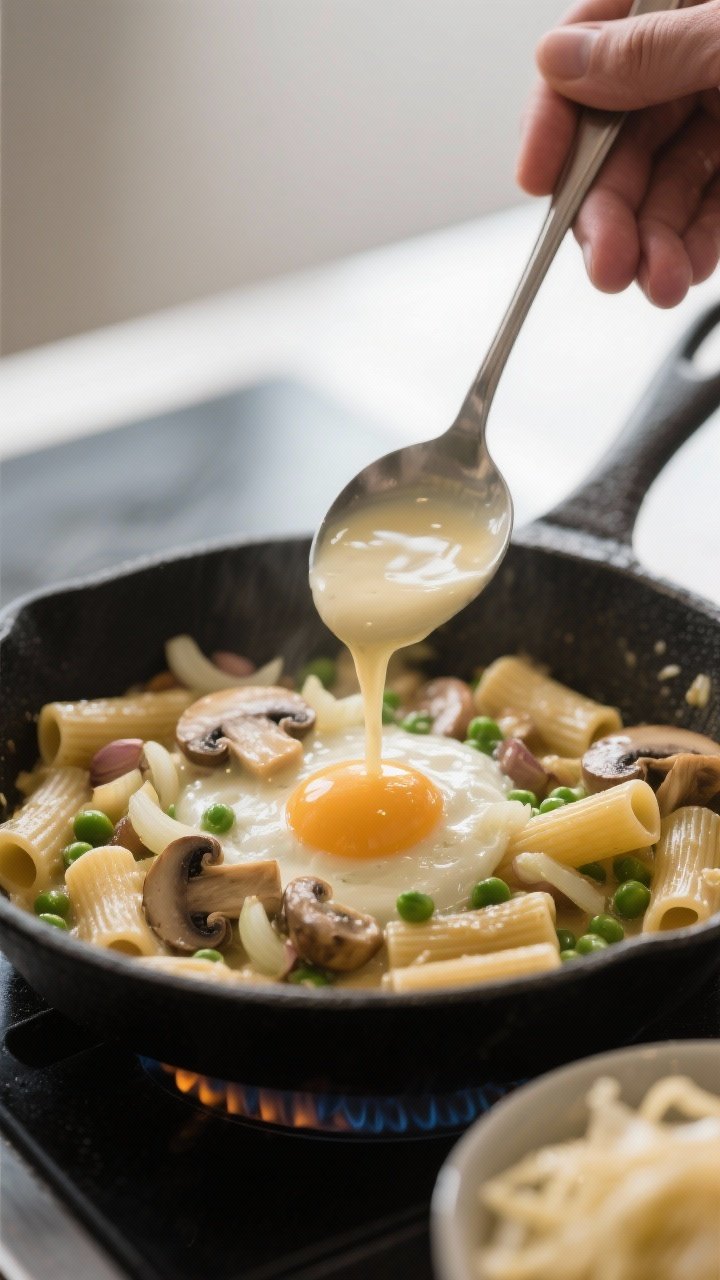
A creamy, protein-rich breakfast pasta can be a lifesaver for kids who reject traditional breakfast foods but happily eat dinner-style meals. You can use leftover pasta, toss it with egg and cheese, and serve it warm in the morning.
Once that feels normal, you can start adding tiny amounts of new ingredients—like peas, finely chopped spinach, or a different shape of pasta—so your child practices seeing “something different” on a food they already like.
Why this works for picky eaters
You’re not demanding they like new flavors at 7 a.m.; you’re simply increasing the number of different food experiences they have in a day. Every extra exposure counts.
And emotionally, kids often feel safer trying something new when it’s wrapped inside a favorite format—like pasta—rather than showing up on the plate all by itself.
6. Turn Veggies into Fun Snack Foods (Broccoli Tots & More)
Let’s be honest: most picky eaters are not jumping up and down for a pile of steamed broccoli. But tots? Fries? Bites they can dip? That’s a different story.
One powerful way to introduce veggies is to serve them in a format your child already loves, like crispy, dippable finger foods they recognize as “snacks.”

Broccoli tots as an example
Homemade broccoli tots take finely chopped broccoli, mix it with cheese and breadcrumbs, and bake it into crispy little bites. They look like frozen store-bought tots, but they sneak in a real serving of veggies.
You can serve them with the same dips your child already loves for fries or nuggets—ketchup, ranch, or yogurt dip—so the only “new” thing is what’s inside.
Why snack-style veggies help
Veggies in snack form feel less intimidating than a side of “green stuff” on the dinner plate. They fit into your child’s mental category of “fun foods,” which lowers resistance and opens the door to tasting.
Once your child accepts one veggie in this format, you can slowly play with variations: different cheeses, different veggies, or even mixing two veggies together in the same tot.
7. Offer “Like Their Favorite Fast Food, But Home-Cooked”
Many picky eaters adore restaurant nuggets and fries. Instead of fighting that, you can use it as a clear bridge: serve homemade versions that look and crunch like the drive-thru kind, but give you more control over ingredients.
When kids see a familiar shape, color, and texture, they’re much more likely to accept it as “safe” enough to try, even if the recipe itself is new.


Using baked nuggets as a protein “anchor”
Crispy baked chicken nuggets made with real chicken, a buttermilk bath, and a double coating can hit that “McNugget” vibe without needing a drive-thru. For many picky eaters, nuggets are a safe, familiar protein.
Once nuggets are your anchor, you can start serving them alongside new foods: a different dip, roasted veggies cut into “fry” shapes, or a new grain like couscous or rice.
Pair new foods with trusted favorites
Always include at least one “safe” food—like these nuggets—on the plate when you introduce something new. This helps your child feel confident: even if they don’t touch the new item, there’s still something they recognize and like.
Over time, this calm, predictable pattern builds trust. Your child learns: “When Mom or Dad serves something new, there’s always something I know I can eat.” That alone can reduce power struggles.
8. Make Meals Visual and Fun (Without Overdoing the Effort)
You don’t need to carve animals out of fruit or spend an hour on bento art. But a little bit of visual appeal can go a long way with picky eaters, especially when you’re introducing new foods.
Color, shape, and layout matter. Kids eat with their eyes first, and “fun-looking” often feels “safer” to investigate.

Easy ways to add visual appeal
- Cut foods into sticks, cubes, or small shapes instead of big chunks
- Serve foods in little compartments or small bowls on the same plate
- Place new foods next to a favorite dip so they “look” like dippable snacks
Veggie egg muffins, for example, are just eggs and veggies baked in a muffin tin. But to a child, they look like little handheld cupcakes, which can make them more appealing than scrambled eggs on a plate.
Let your child “build” their own plate
For some picky eaters, a simple “build your own” setup can boost curiosity: a small tray with bread, cheese, and a new veggie, where they can assemble their own mini sandwiches.
They may not eat the new food the first time, but even touching, stacking, or moving it around the plate counts as exposure and desensitizes them to the “newness.”
9. Use Repeated, Low-Pressure Exposure (Without Bribes)
If we could change one thing about how we think of picky eating, it would be this: trying new food is a long game, not a one-time pass/fail test. Most kids need many calm exposures before they’ll accept a new food.
That means your job is to keep the food showing up regularly, in tiny portions, without turning every bite into a power struggle.

What low-pressure exposure looks like
- Placing one tiny piece of a new food on the plate regularly
- Letting your child lick, smell, or touch the food without requiring a bite
- Describing the food neutrally (“It’s crunchy,” “It’s salty”) instead of selling it (“You’ll love this!”)
It’s tempting to use bribes (“One bite of broccoli and then you get dessert”), but over time, that can backfire and make the new food feel like something to endure rather than something to explore.
Trust their appetite; protect the relationship
Your child’s job is to decide whether and how much to eat. Your job is to keep offering a variety of foods consistently. When you respect that division of responsibility, you build long-term trust.
Even if they don’t eat the new food today, you’re still making progress every time they see it without a fight. That calm, repeated exposure is what eventually leads to “Okay, I’ll try it.”
10. Adjust Expectations and Celebrate Tiny Wins
Introducing new foods to picky eaters is rarely a straight line. Some weeks they surprise you and devour something new; other weeks, they live on the same three foods. That’s normal, even if it’s exhausting.
Shifting your expectations and noticing the small steps can protect your sanity and keep you from giving up just when things are quietly improving.
Redefine “success” with new foods
Success is not just “they ate the whole serving.” Success can be: smelling the food, touching it, having it on their plate without a meltdown, or taking a tiny lick and then spitting it out.
Those moments mean your child is getting used to the food. With repetition, many of those small steps eventually add up to actual eating.
Give yourself credit too
Every time you calmly offer a new food, every time you avoid a mealtime battle, and every time you combine a new food with a familiar, safe one—you’re doing important work.
Your consistency and patience matter more than any single recipe or trick. You’re playing the long game, and that’s exactly what picky eating needs.
Conclusion
Introducing new foods to picky eaters is less about finding the one perfect “magic” recipe and more about layering a bunch of small, practical strategies over time. When you understand your child’s appetite, lean on familiar bridge foods, use fun snack-style veggies, and keep the pressure low, you set the stage for real progress.
Some days will still be frustrating—that’s part of parenting any young child—but you’re not stuck. With tiny, steady changes, you can help your picky eater slowly build a wider, more confident relationship with food, one tiny bite (or lick, or sniff) at a time.