
15 Protein-Rich Breakfast Ideas (That Skip the Sugar and Still Taste Amazing)
Most people start their day with more sugar than protein, even though research shows a dairy-based, protein-rich breakfast can boost concentration by about 3.5 percentage points within a couple of hours. If you’re tired of syrupy cereals and pastries that crash your energy by 10 a.m., a protein rich breakfast can change how your whole morning feels—without loading up on added sugar. This guide walks you through realistic, family-friendly, and surprisingly fun ways to pack in protein at breakfast while keeping flavors bright, indulgent, and kid-approved.
Key Takeaways
| Question | Answer |
|---|---|
| How much protein should a protein rich breakfast have? | Most research-backed breakfasts land around 20–35 g of protein. Across breakfast studies, protein usually provides 18–41% of calories. Hitting this range can help keep you full and focused. |
| Can a protein rich breakfast help me or my kids stay full longer? | Yes. A high-protein breakfast tends to increase feelings of fullness for several hours. Recipes like Berry Protein Oatmeal combine oats, yogurt, and protein powder for lasting satiety without lots of sugar. |
| What are some fast protein rich breakfast ideas for busy mornings? | Make-ahead options work best. Think protein muffins, no-bake protein bites, and protein oat bowls you can reheat or assemble in minutes. |
| Can a high-protein breakfast support kids’ focus at school? | Evidence in young adults shows better concentration and steadier energy after a dairy-based, protein-rich breakfast. Kid-friendly options like Protein Pancake Skewers or cottage cheese bowls apply the same principles in more fun formats. |
| Do protein rich breakfasts need protein powder? | No. You can build a strong breakfast with eggs, dairy, cottage cheese, and grains. But recipes like Berry Protein Oatmeal show how a small scoop of protein powder can boost you into the 20–30 g range quickly. |
| Can a sweet-tasting breakfast still be low in added sugar? | Yes. Recipes such as Banana Chocolate Chip Protein Muffins and a yogurt-based S’mores Smoothie rely on fruit, cocoa, and spices instead of heavy syrups. |
1. Why Protein Rich Breakfasts Beat Sugary Starts
A protein rich breakfast does more than keep your stomach from growling. It steadies energy, limits mid-morning sugar crashes, and can support better focus for both kids and adults. In one 12-week trial, increasing breakfast protein from roughly 6 g to 34 g boosted satiety, even though participants didn’t automatically eat fewer calories later—so you feel better, even if weight doesn’t change overnight.
For families, this matters in very concrete ways. A child who isn’t crashing from a sugar-heavy breakfast is more likely to sit through circle time, tackle math, and handle transitions with fewer meltdowns. For adults, front-loading protein can calm the urge to snack on pastries with that second coffee and may help manage blood sugar across the day.
2. How Much Protein You Really Need at Breakfast
Across controlled breakfast studies, protein usually makes up 18–41% of breakfast calories, with at least 20 g of protein showing up again and again as a useful benchmark. That’s roughly 3 eggs, a cup of Greek yogurt with mix-ins, or a bowl of oats fortified with protein powder and dairy.
In the NewStart trial, simply shifting to a high-protein breakfast bumped participants’ daily protein from 15.2% to 19.3% of total energy. That’s a big shift just from changing one meal. Aim for 20–30 g for adults and older kids, and 10–20 g for younger children depending on age and appetite.
| Food | Approx. Protein | How to Use at Breakfast |
|---|---|---|
| 1 large egg | ~6 g | Scrambled, hard-boiled, in tacos or egg muffins |
| 3/4 cup Greek yogurt | 12–15 g | Base for parfaits or smoothies |
| 1 scoop whey or plant protein | 18–25 g | Stir into oats, smoothies, or pancake batter |

3. Protein Pancake Skewers: Fun, Portable, and Low in Sugar
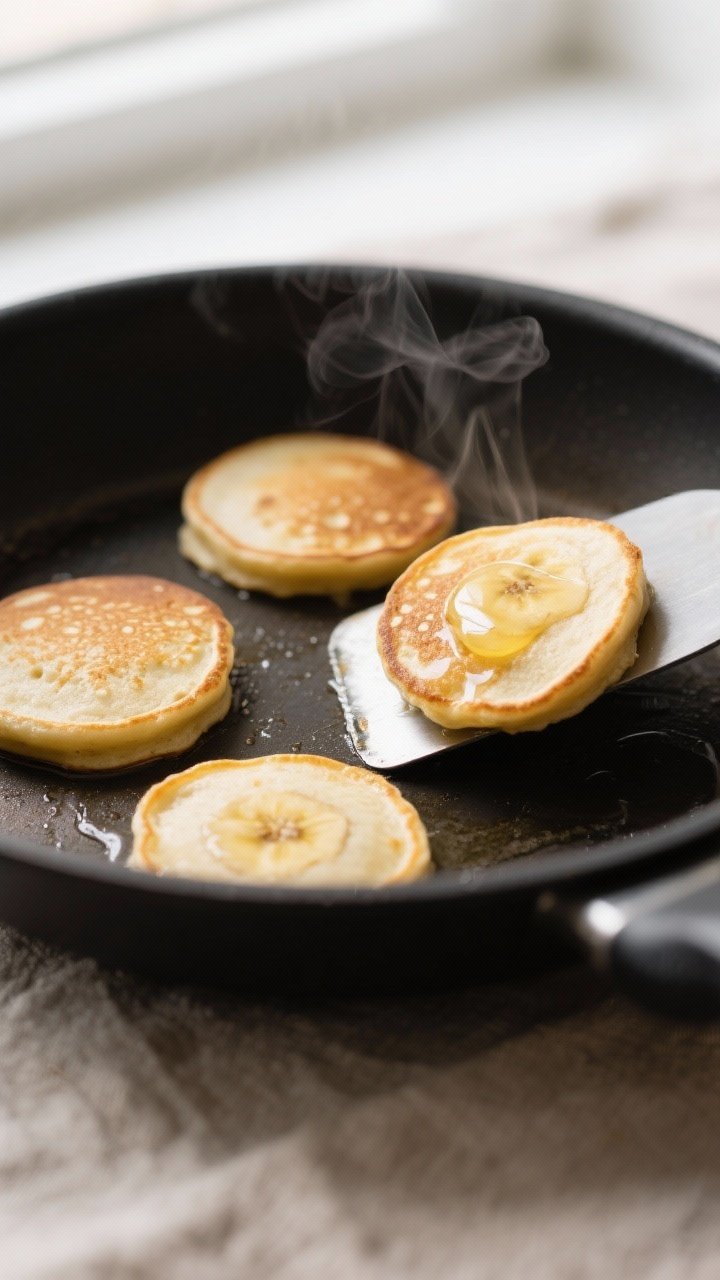
If your family loves pancakes, you don’t have to abandon that tradition to cut back on sugar. Protein Pancake Skewers – Mini Pancakes with Fruit on Sticks turn a classic into a high-protein, low-syrup breakfast by threading small protein-enriched pancakes with fresh fruit. The batter uses protein powder and higher-protein dairy to quietly increase protein without changing the flavor kids expect.
Serve skewers with a side of yogurt dip instead of syrup to keep sugar in check. For younger kids, you can slide the pancakes and fruit off the sticks to make “pancake bites” that are easier to eat. Adults can grab two or three skewers plus a latte and still easily cross the 20 g protein mark.
Human Example: The Parent Who Ditched Syrup-Heavy Mornings
Emma, a working mom of two, used to rely on frozen waffles drowned in syrup because it was the only breakfast her kids didn’t fight. They’d be starving by 9:30 and cranky by pickup. She started swapping in a batch of protein pancake skewers on Sundays, reheating them in the toaster and serving with plain Greek yogurt and berries.
Her kids still feel like they’re getting “fun breakfast,” but Emma noticed fewer complaints about being hungry at school and fewer after-school sugar crashes. She didn’t change the rest of their routine—just shifted the protein-versus-sugar balance at breakfast.
Did You Know?
In a 12-week randomized trial, a high-protein breakfast providing 34 g of protein versus a 6 g low-protein option increased morning satiety, even though it didn’t directly change fat mass or cardiometabolic markers.
4. Protein Muffins: Breakfast That Feels Like Dessert (Without the Sugar Crash)
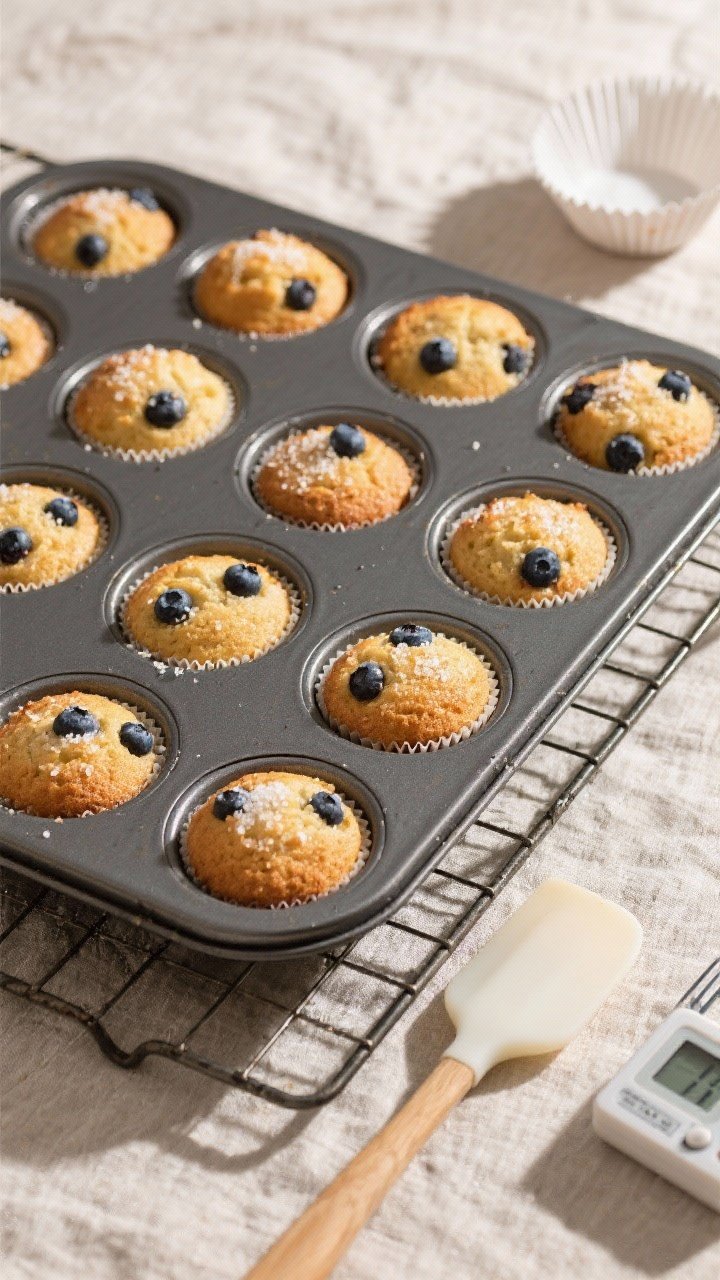
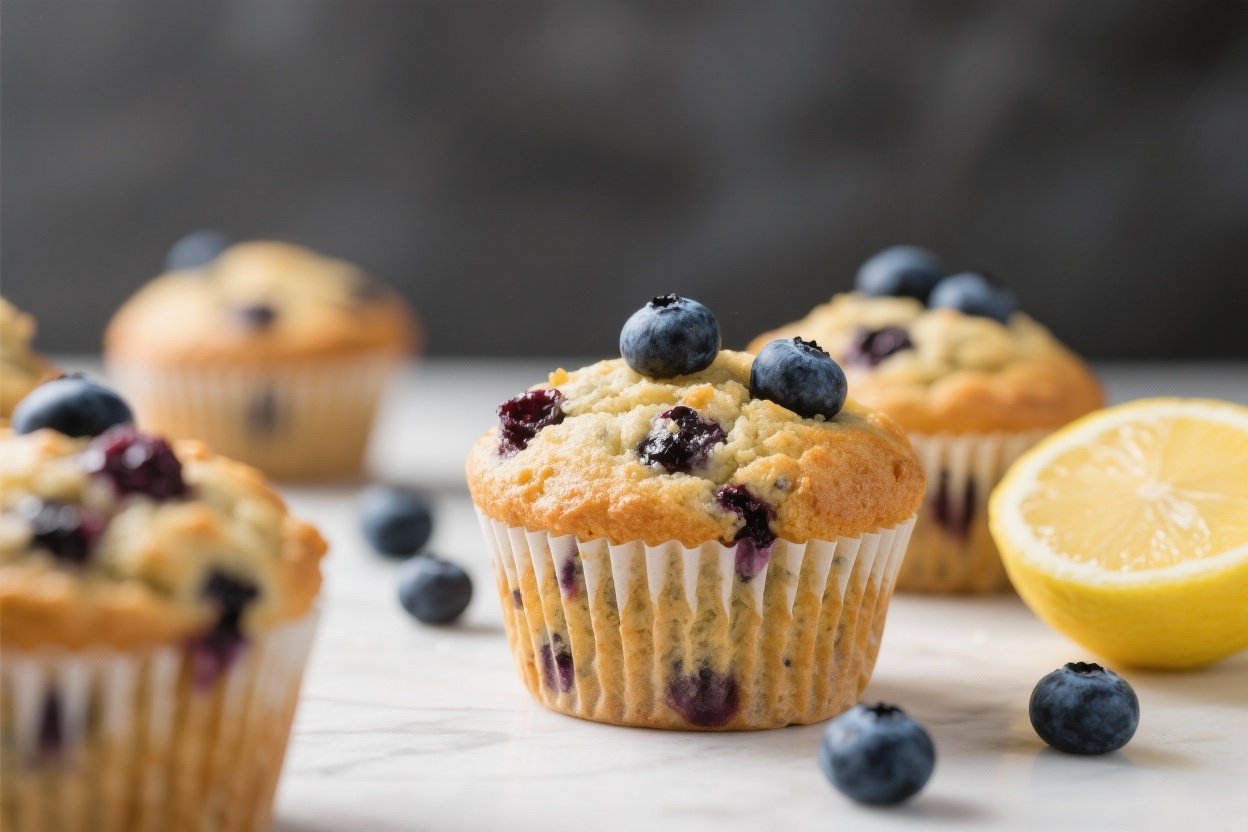
Protein muffins are one of the easiest ways to replace sugary pastries with something more nourishing that still tastes like a treat. The Protein Muffins – Blueberry Lemon recipe combines whey protein, yogurt, and berries in a bright, bakery-style muffin that freezes well and reheats quickly.
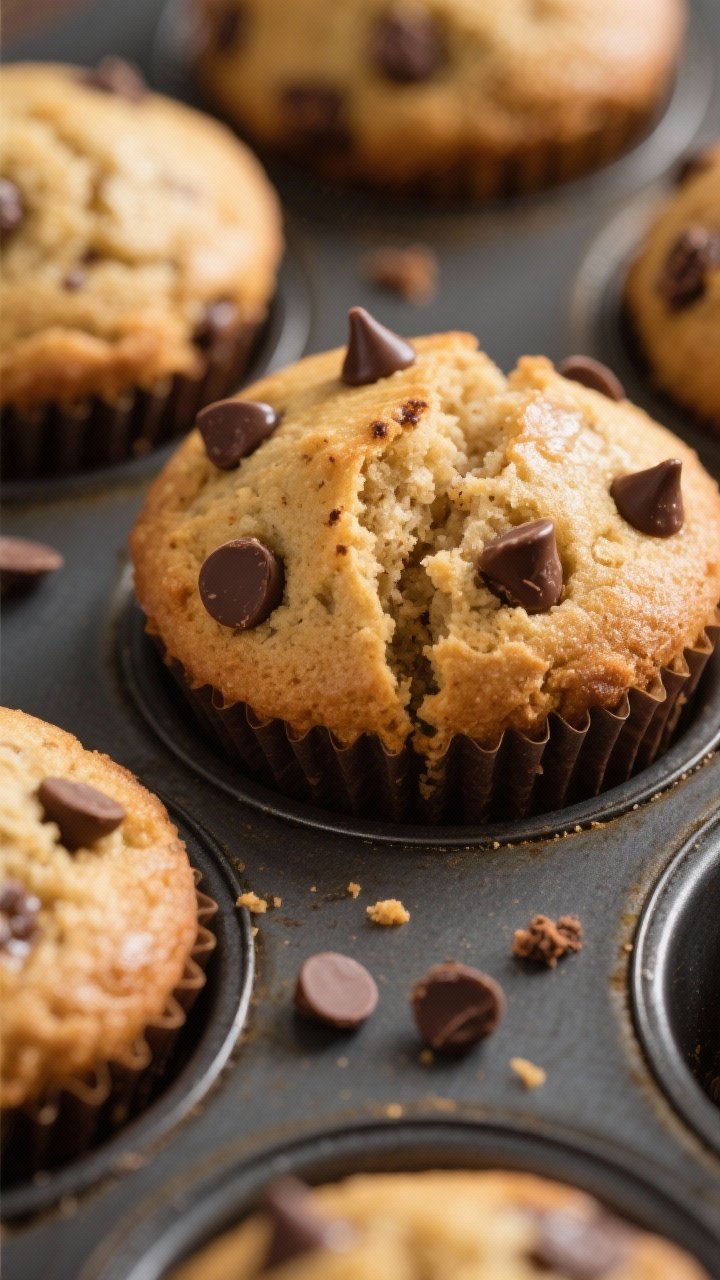
For chocolate lovers, Protein Muffins – Banana Chocolate Chip add just enough chocolate to feel indulgent while relying on banana for natural sweetness. Neither recipe depends on a sugar glaze or frosting; the flavor comes from fruit, lemon zest, cocoa, and spices instead of heavy added sugars.

Blueberry Lemon vs. Banana Chocolate Chip: Which Fits Your Morning?
| Recipe | Flavor Profile | Best For |
|---|---|---|
| Blueberry Lemon Protein Muffins | Bright, tangy, not too sweet | Adults, older kids, coffee pairings |
| Banana Chocolate Chip Protein Muffins | Comforting, dessert-adjacent | Younger kids, picky eaters |
5. Oatmeal Upgrades: From Carb-Heavy to Protein-Packed
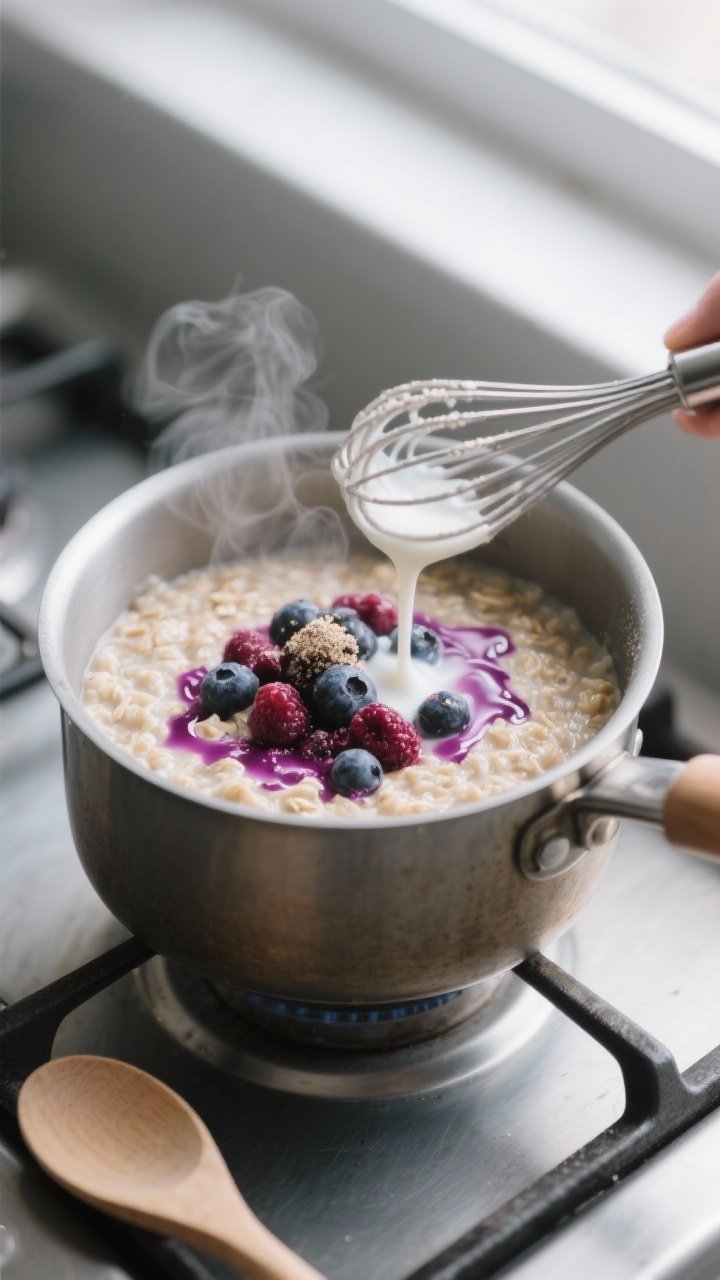
Traditional oatmeal is cozy but often light on protein and heavy on sugar when you add brown sugar, honey, or flavored packets. Recipes like Oatmeal Protein Boost – Berry Protein solve this by whisking in protein powder and yogurt, then topping with berries, nuts, and seeds for texture and healthy fats.
The Protein Oat Bowl – Cooked Oats with Protein Powder & Fruit teaches a key technique: whisk protein with a splash of liquid before stirring into warm oats. That helps avoid grainy clumps and makes a silky, custard-like bowl that tastes more like dessert than health food—without poured sugar.
Unusual Twist: Quinoa Breakfast Porridge
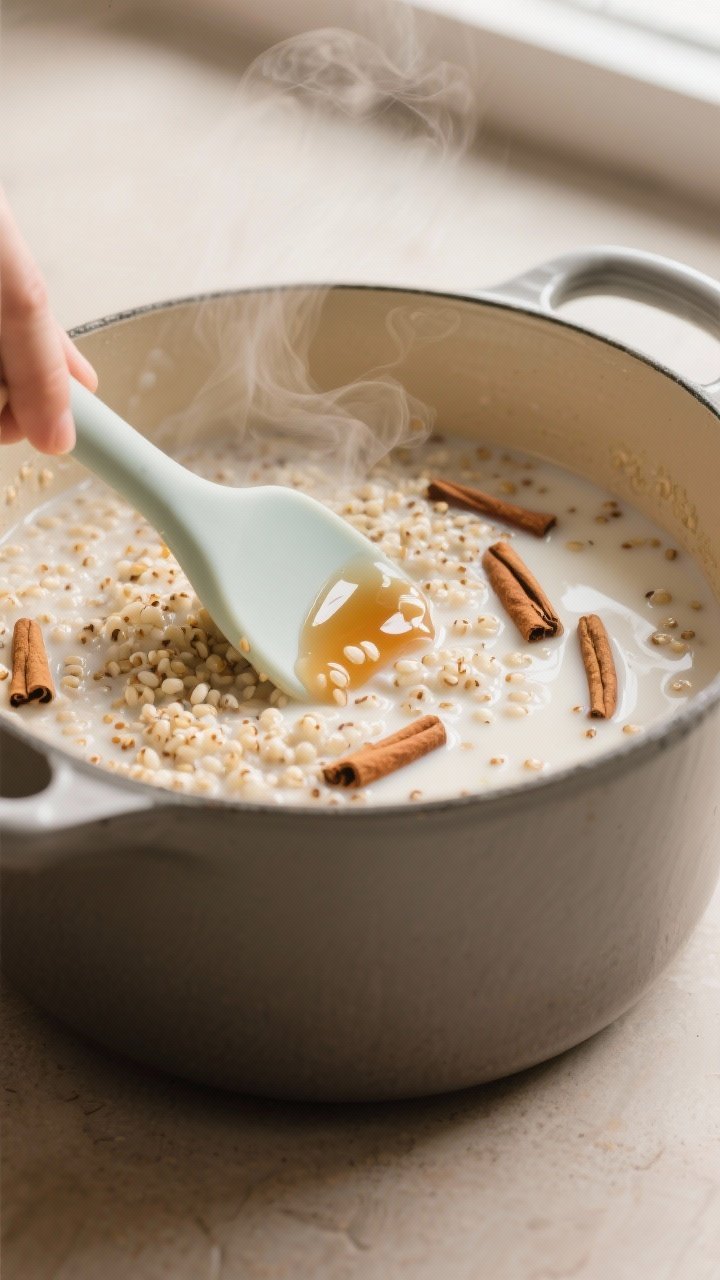
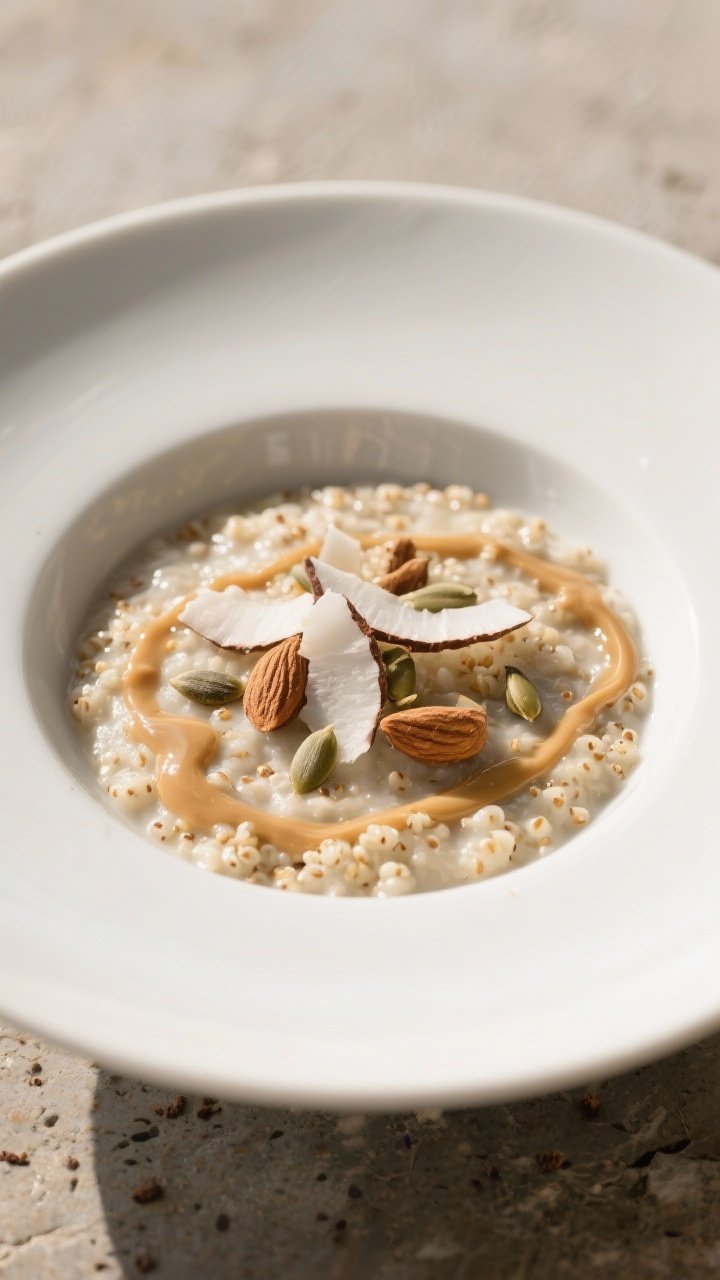
For something more unusual, the Quinoa Breakfast Porridge – Sweet Cinnamon recipe uses quinoa instead of oats. Quinoa brings extra protein and all the essential amino acids in a warm, cinnamon-scented bowl that pairs well with fruit and nut butter.
Because quinoa has a mild, slightly nutty flavor, it works especially well for adults who are ready for a break from oatmeal. Kids often accept it more easily when it’s topped with familiar favorites like sliced banana, berries, and a drizzle of peanut butter.
Did You Know?
Across breakfast research, protein typically supplies 18–41% of meal calories, and at least 20 grams of protein per breakfast is common in studies looking at fullness and blood sugar control.
6. No-Cook, Make-Ahead Protein: Chia Jars and Bite-Size Snacks
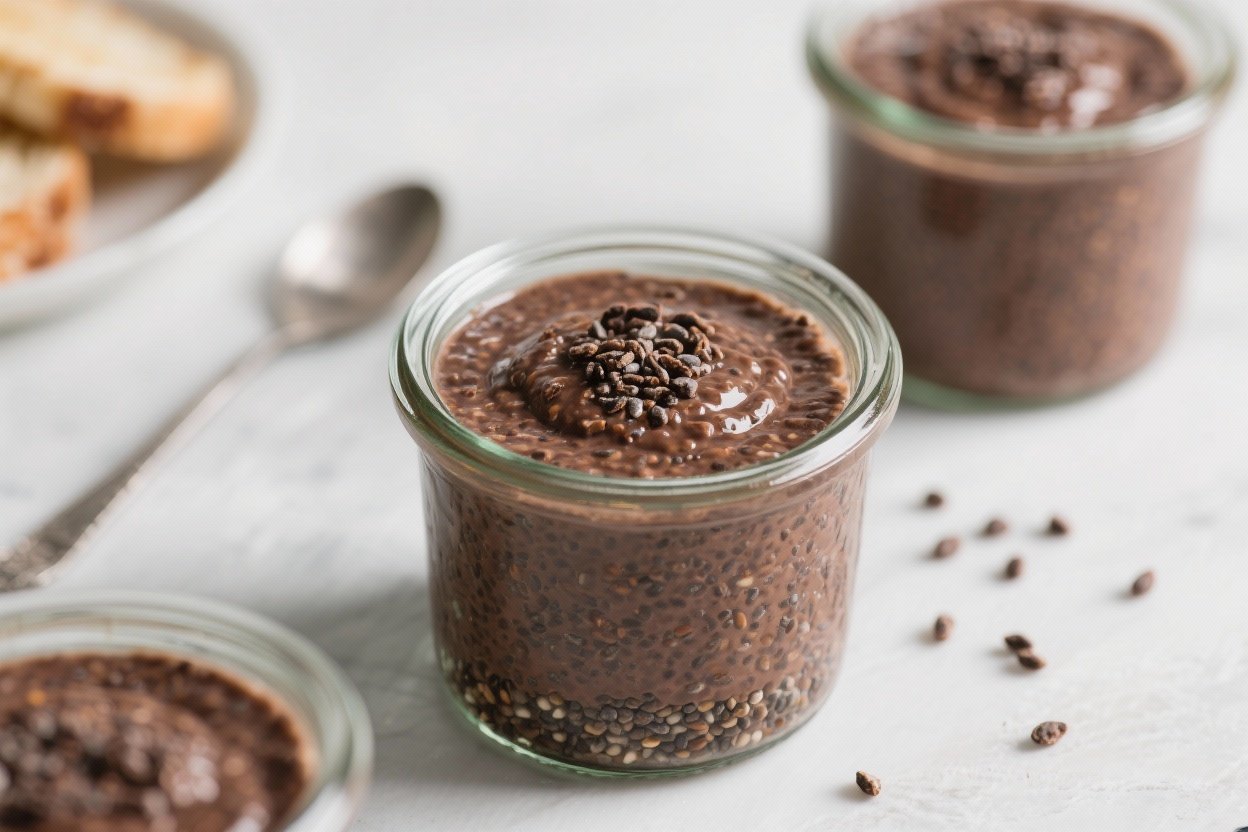
Not every protein rich breakfast has to be cooked at 6:30 a.m. The Chia Pudding Breakfast Jars – Chocolate recipe is stirred together the night before with milk, chia seeds, cocoa, and a modest amount of sweetener. By morning, you get a pudding-like jar that tastes like dessert but brings protein, fiber, and healthy fats.
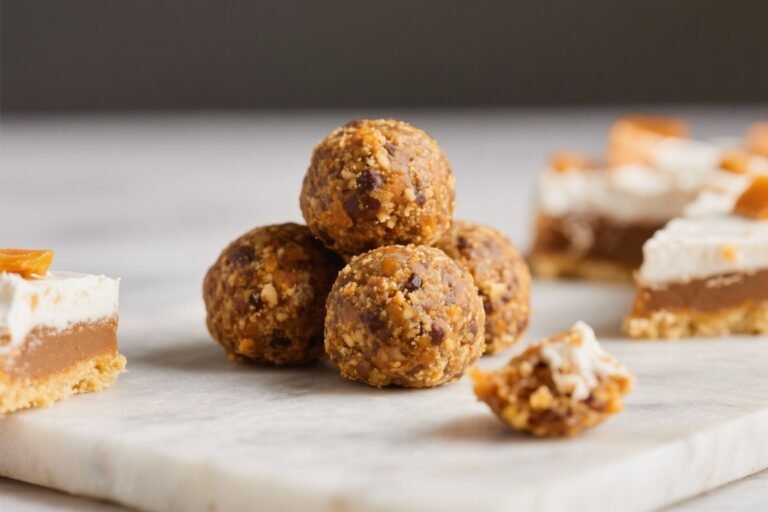
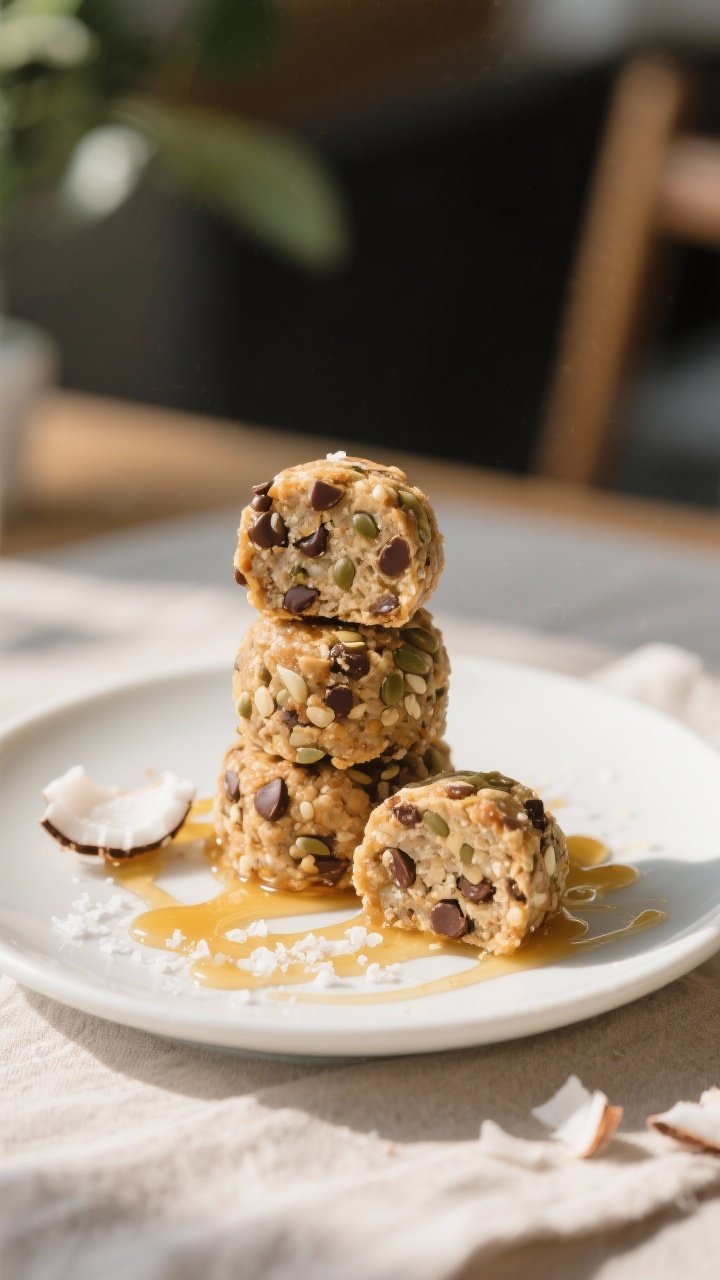
Morning Power-Up Protein Bites are another no-cook option. Rolled from nut butter, oats, and protein add-ins, they’re perfect for kids who nibble in the car or adults who prefer to “graze” on breakfast over an hour instead of eating it all at once.

Human Example: The “No Time for Breakfast” Professional
Lena, a 32-year-old consultant, rarely sat down for breakfast and often grabbed a flavored latte on the way to the train. She felt jittery by 10 a.m. and ravenous by noon. She started prepping a tray of protein bites on Sundays and keeping chocolate chia jars in the office fridge.
Now she snacks on two bites with her coffee and eats half a chia jar during her first Zoom block. Her mornings feel steadier, and the urge to raid the office snack drawer has mostly disappeared—without needing to wake up earlier or cook before work.

7. Cottage Cheese Bowls: High Protein, No Stove Required
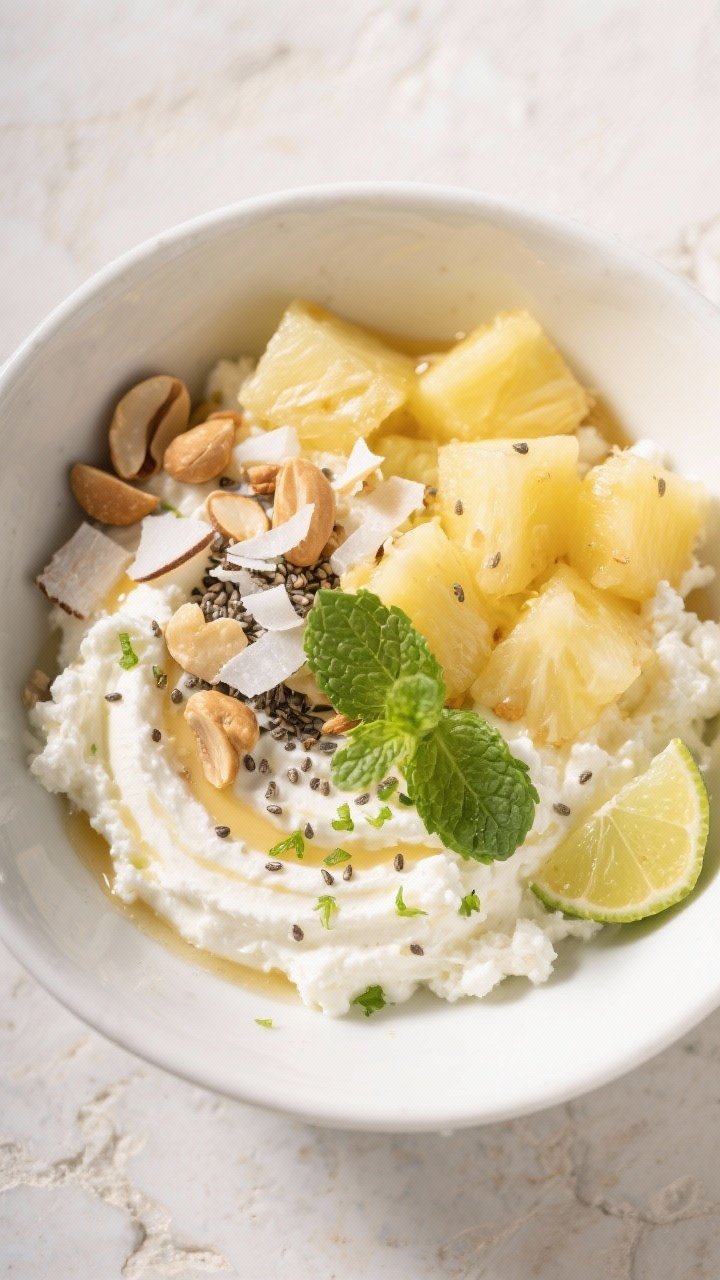
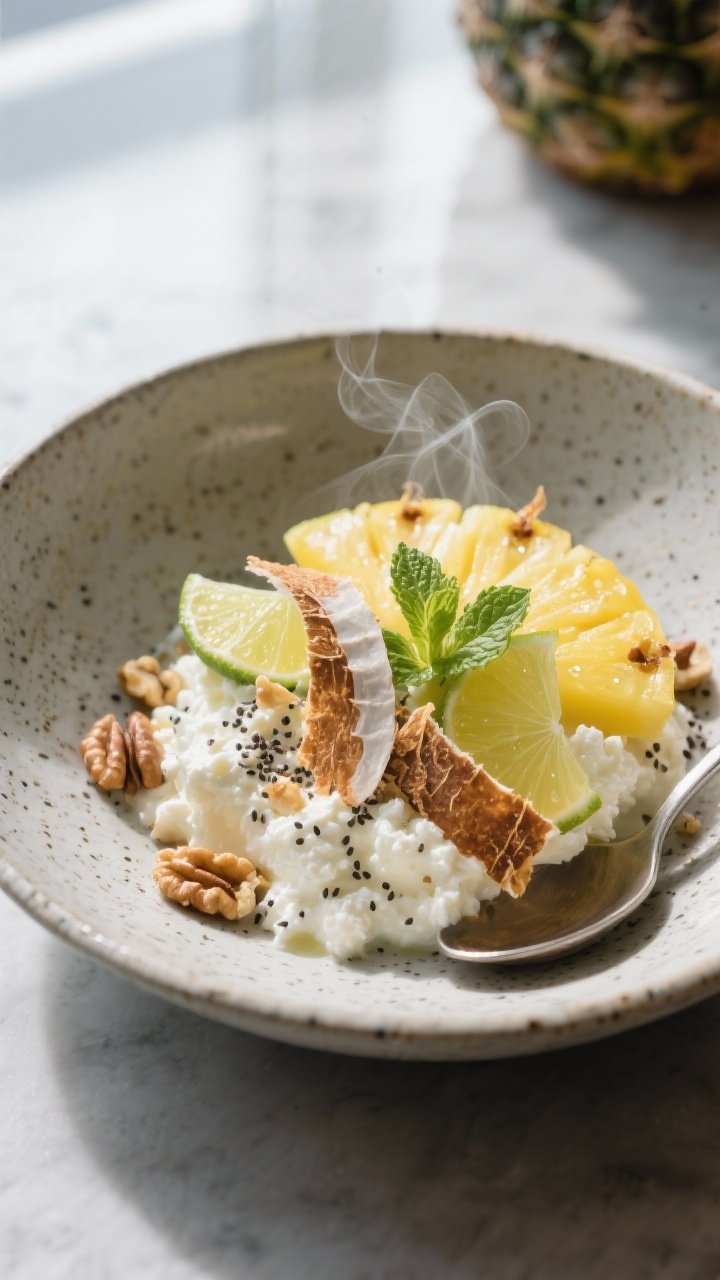
Cottage cheese has quietly become a breakfast star because it packs a lot of protein into a small volume. The Cottage Cheese Bowl – Tropical (Pineapple & Coconut) recipe layers cottage cheese with pineapple, coconut, and crunchy toppings for a no-cook meal that feels like a vacation dessert.
To keep added sugar low, use fruit packed in its own juice, unsweetened coconut, and just a drizzle of honey if needed. For texture and extra protein, sprinkle on nuts or seeds. This type of bowl is ideal when you want something cold, refreshing, and ready in under five minutes.
Turning “Snack Food” into a Real Breakfast
Many people are used to eating cottage cheese as a side or a diet snack. Turning it into a full breakfast is mostly about portion size and toppings. Start with a generous base, add fruit and nuts, and you can easily hit 20+ grams of protein in a bowl that feels more like a parfait than “diet food.”
If you’re dairy-free, you can still borrow the structure: use a higher-protein plant yogurt, add chia or hemp seeds, and mirror the pineapple-coconut combination. The same low-sugar, high-protein pattern applies.
8. Savory Protein Rich Breakfasts: Eggs, Tacos, and “Dinner for Breakfast”
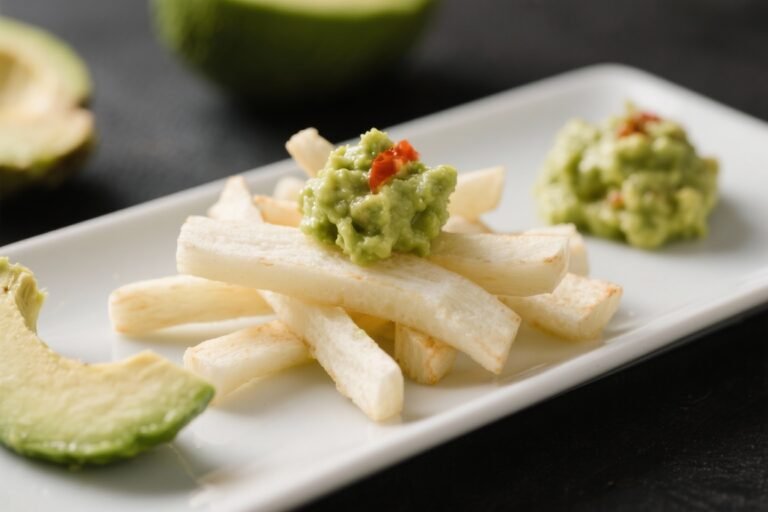
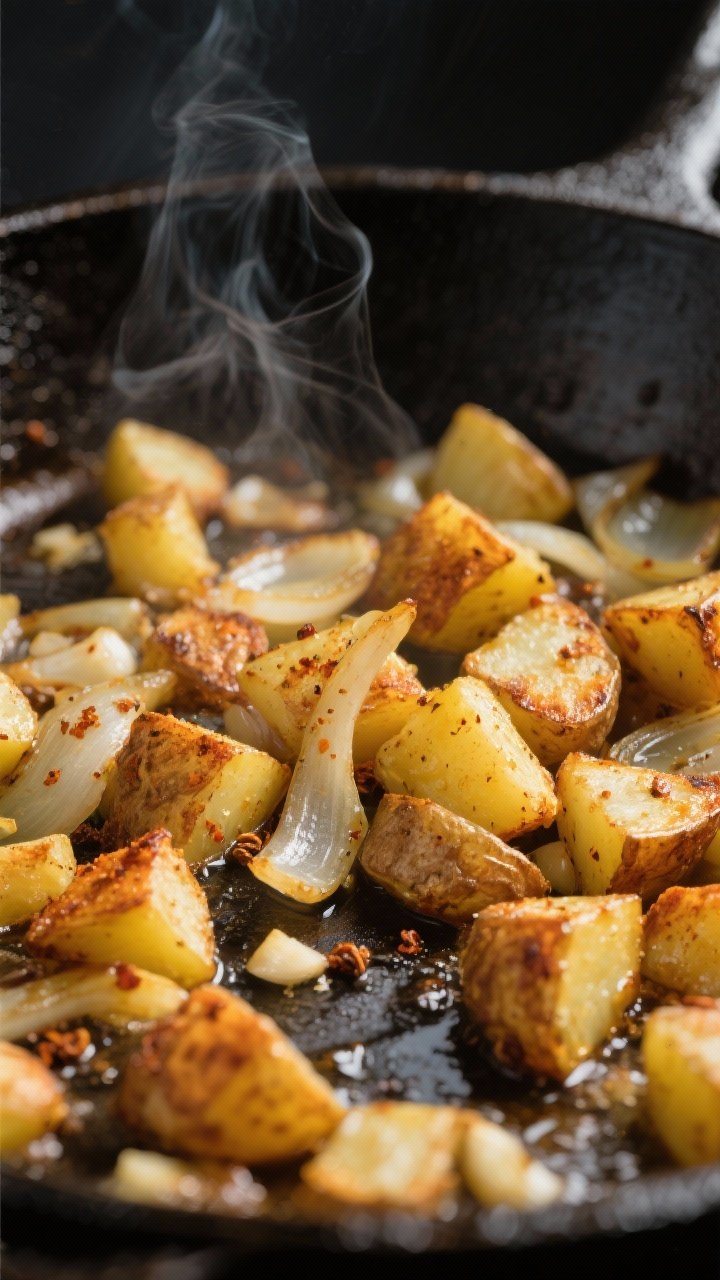
Not everyone wakes up wanting something sweet. The Breakfast Tacos: Potato & Egg recipe is a practical way to combine eggs, potatoes, and toppings into a handheld meal. Eggs bring high-quality protein, potatoes provide slow-digesting carbs, and toppings like salsa, avocado, and cheese add flavor and healthy fats.
Batch-cooked eggs—whether hard-boiled or baked as mini frittatas—make it easier to mix and match throughout the week. You can also lean into “dinner for breakfast” ideas like leftover roasted veggies with eggs or a scoop of quinoa porridge alongside scrambled eggs for extra protein.

Smart Combinations for Busy Mornings
The 10 Smart Breakfast Combinations for Busy Mornings guide pulls together ideas like batch-cooked eggs, protein muffins, and simple bowls so you can rotate through options without overthinking. The pattern is simple: pair a strong protein source with a slow-carb and some fat, and keep added sugar low.
Think: scrambled eggs with leftover roasted potatoes and salsa; a blueberry protein muffin with a small Greek yogurt; or cottage cheese plus whole-grain toast and avocado. Each combo is flexible for different family members while staying protein-forward.
9. Sweet-Tasting, Low-Sugar Smoothies and Drinks
If you love starting the day with something drinkable, a protein rich breakfast can absolutely come in smoothie form. The S’mores Smoothie – A Cozy Campfire Treat in a Glass uses yogurt, cocoa, graham, and marshmallow elements to mimic campfire flavors with more protein and less added sugar than a typical shake-shop drink.
You can also adapt the chocolate chia pudding mixture into a smoothie by thinning with milk and adding a scoop of protein. Focus on fruit, unsweetened cocoa, and spices like cinnamon for flavor, rather than syrups. A smoothie that tastes like dessert but delivers 20–30 g of protein is a powerful tool for kids who “don’t feel like eating” in the morning.

Did You Know?
A whey-protein–enriched breakfast can reduce post-breakfast blood sugar exposure and even blunt post-lunch insulin spikes compared with a carb-heavy breakfast, suggesting that your morning protein choice influences metabolic responses well into the afternoon.
10. Building a Balanced, Protein Rich Breakfast Plate (Without Sugar Overload)
However you mix and match these ideas, the same structure keeps appearing: protein + slow carbs + healthy fat + flavor, with added sugar used sparingly if at all. The Protein Rich Breakfast Ideas Your Family Will Actually Want to Eat collection shows how pancakes, muffins, oats, tacos, and bowls can all follow this pattern.
To design your own breakfasts, start by choosing the protein anchor (eggs, yogurt, cottage cheese, protein oats, or a smoothie with added protein). Then add a whole-grain or starchy vegetable, a source of fat like nuts or avocado, and flavor from fruit, herbs, or spices. This approach keeps breakfast interesting without returning to sugar-laden defaults.
Conclusion
A protein rich breakfast doesn’t mean choking down dry egg whites or chalky shakes. With recipes like protein pancake skewers, blueberry lemon muffins, berry protein oats, quinoa porridge, chia jars, cottage cheese bowls, and potato–egg tacos, you can keep mornings enjoyable while dialing back sugar and dialing up staying power.
Whether you’re feeding kids before school or yourself before a long workday, think in terms of patterns, not perfection: build around protein, keep sugar modest, and use real flavors from fruit, spices, cocoa, and herbs. When breakfast is satisfying, low in added sugar, and easy to repeat, you’re much more likely to stick with it—and feel the difference in your focus, mood, and energy all morning long.