Melting Snowman Experiment: Which Coat Keeps a Snowman Frozen? (Then Eat Snowman Yogurt Bark)
November 4, 2026 · 4 min read
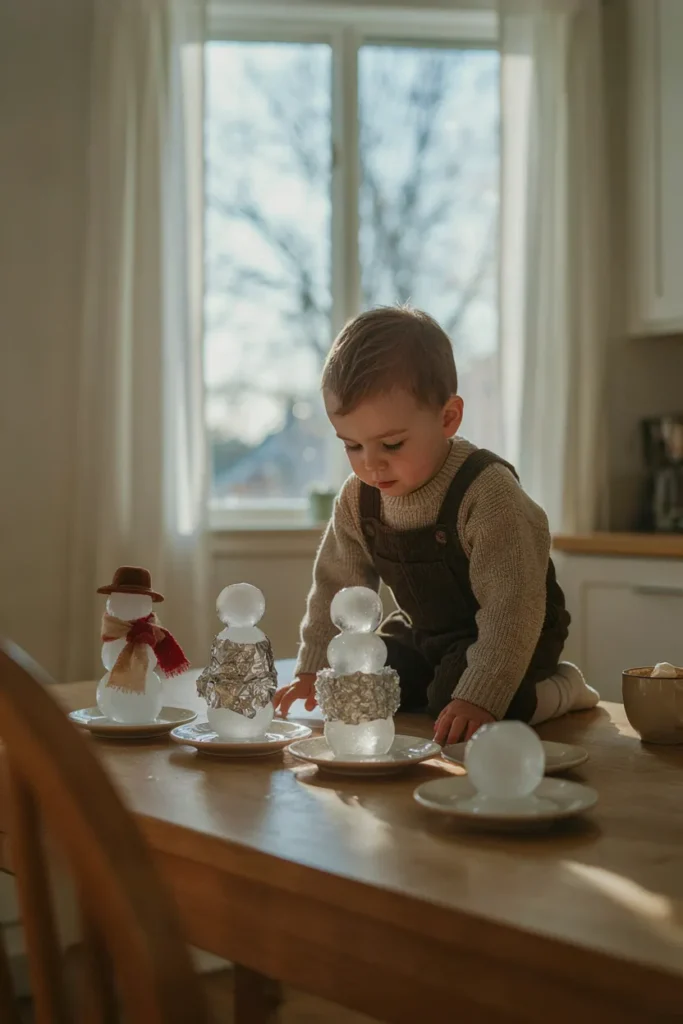
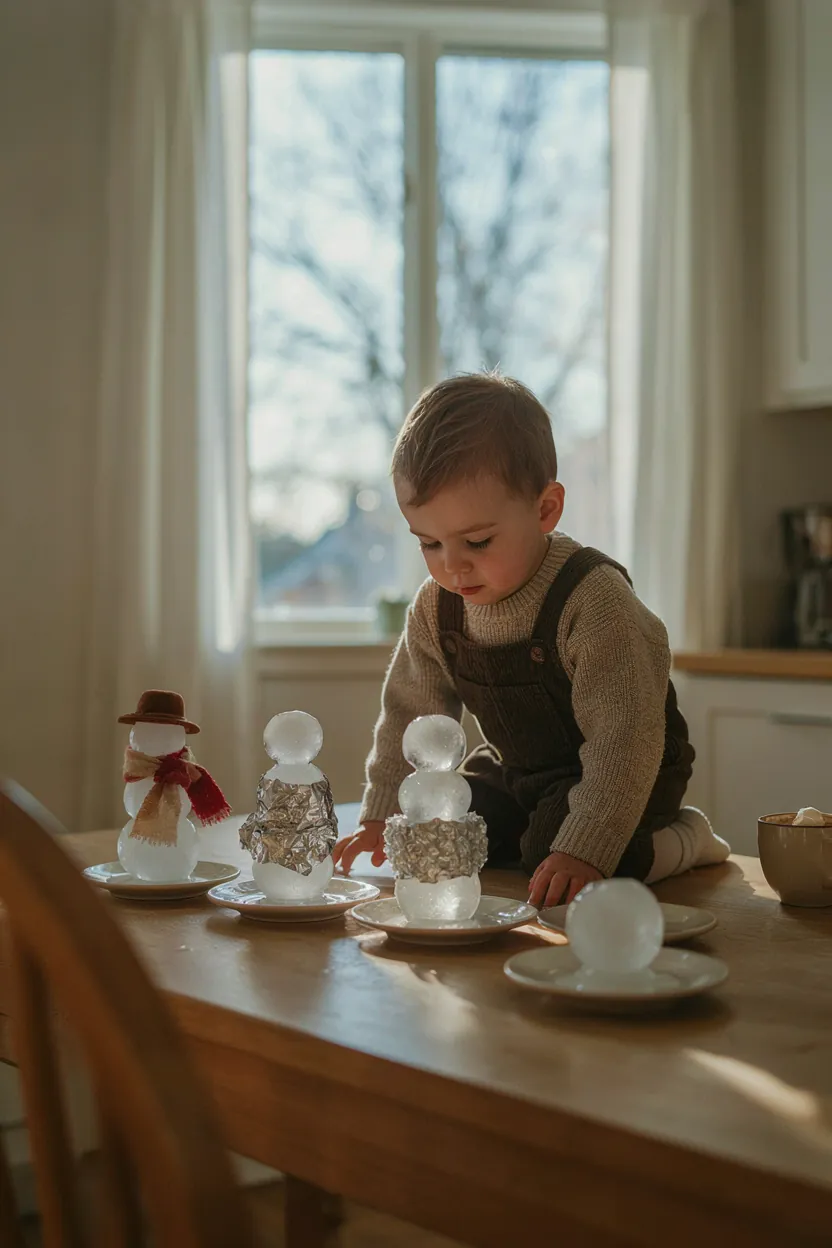
Every snowman melts eventually. The question for this experiment is: which coat keeps a snowman frozen the longest? Kids make little ice snowmen, dress them in different materials, and race them to see which melts last. Then everyone eats a frozen snowman of their own.
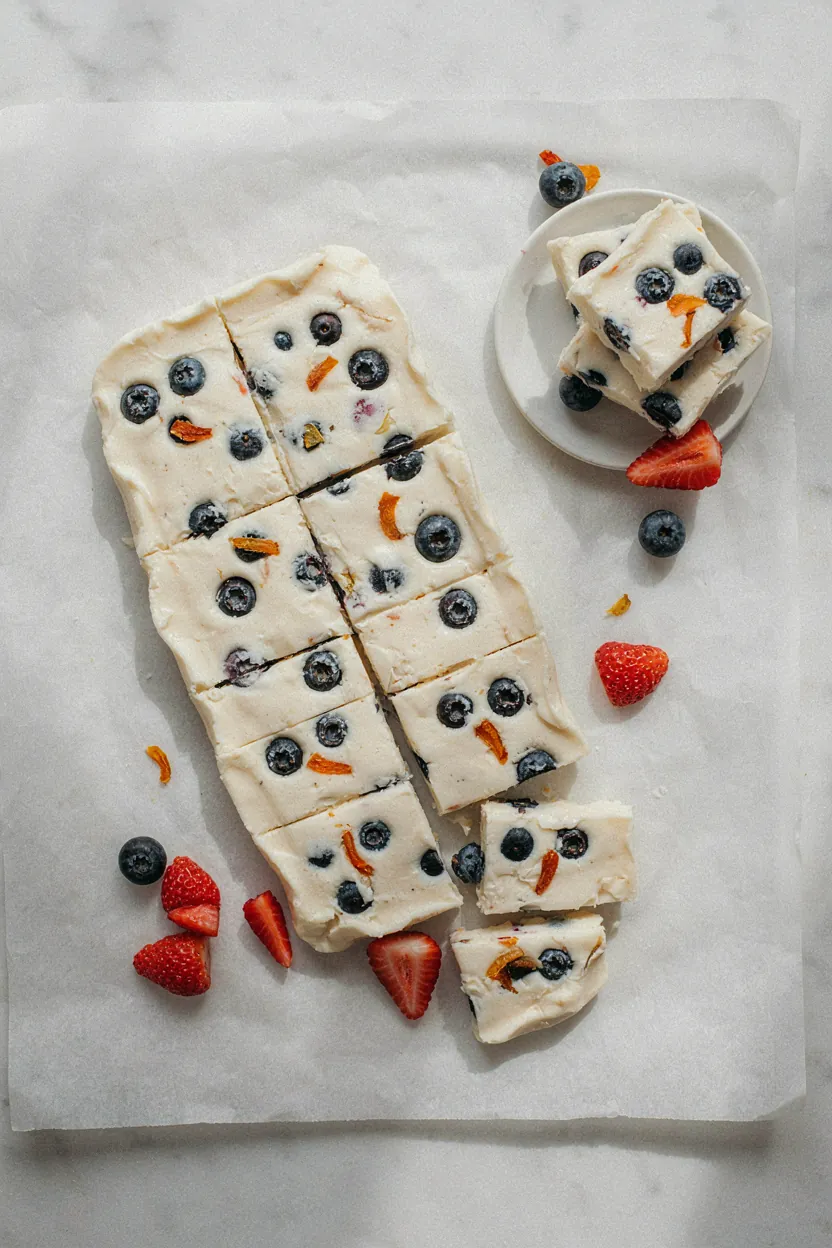
Snowman Frozen Yogurt Bark
Ingredients
Equipment
Method
- Line a tray with parchment.
- Stir the yogurt, maple syrup and vanilla together and spread about 1/2 inch (1 cm) thick.
- Press on snowman faces: blueberry eyes and buttons, apricot noses and strawberry scarves.
- Freeze for at least 3 hours, then break into pieces and serve straight away.
Notes
What Kids Will Discover
Kids discover insulation: some materials slow heat down and keep cold things cold. They find out that a woolly scarf, which keeps us warm, also keeps a snowman frozen, because it slows down heat moving in either direction.
Ages, Time and Mess Level
- Best for: ages 4 to 10
- Time: 15 minutes to set up, 1 to 3 hours of checking
- Mess level: medium (puddles)
- Grown-up job: freezing the ice balls the night before
What You Need
- 8 ice balls or large ice cubes (freeze water in a round ice mold or small cups the night before)
- Plates
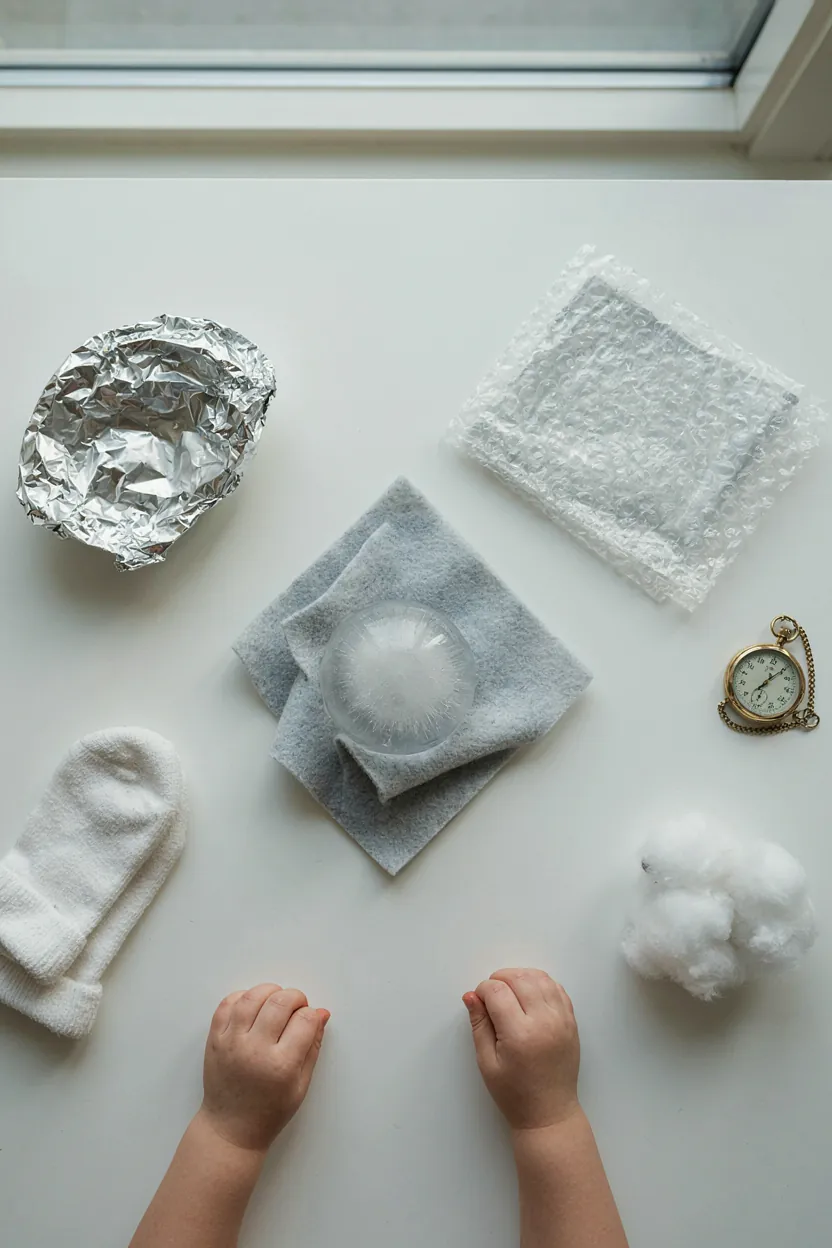
- Coats to test: felt or a sock, aluminum foil, bubble wrap, cotton wool, and one with nothing (the “control”)
- A timer and paper for recording
The Experiment
- Build the snowmen: stack two ice balls on each plate (they’ll stick a little if you dip them in water).
- Predict: which coat will win? Which snowman melts first?
- Dress each snowman in a different coat, covering it the same amount.
- Check every 20 minutes: peek under the coats and see how much is left.
- Record the order they melted in.
What usually happens
The bare snowman melts first. Fluffy, air-filled materials such as felt, wool, cotton wool and bubble wrap usually protect their snowmen the longest. Kids are often surprised that the “warm” scarf keeps the ice frozen.
The Science, in Kid Words
Heat always moves from warm things to cold things. The warm room is trying to push heat into the icy snowman. A good insulator slows that heat down. Materials full of trapped air, like wool and bubble wrap, are great insulators because heat moves slowly through still air. A scarf doesn’t make anything hot or cold; it just slows heat down, so it keeps you warm in winter and keeps a snowman frozen indoors.
For grown-ups
Science Buddies’ Build a Cooler activity explores the same idea: good insulators conduct heat poorly, while metals conduct it well. Foil is a special case: it reflects radiant heat but conducts heat quickly where it touches, so its results vary, which makes a good discussion point.
Change One Thing
- Thickness: one layer of felt vs three layers.
- Location: sunny windowsill vs shady counter.
- Real snow: on a snowy day, make our Snow Ice Cream, Explained too.
Make It a STEAM Day
- Math: weigh each snowman’s leftover ice at the end.
- Engineering: design the ultimate snowman coat from household materials.
- Science: try our Make Your Own Frost.
Safety Notes
- Keep plastic wrap and bubble wrap away from babies and toddlers.
- Wipe up melted water to avoid slips.
- Honey isn’t suitable for babies under 12 months; whole blueberries can be a choking hazard for under-4s, so halve them.
FAQ
Which material keeps ice from melting the longest?
Usually fluffy, air-filled materials like wool, felt, cotton wool or bubble wrap, because they slow heat down.
Why does a scarf keep a snowman frozen?
A scarf doesn’t make heat. It slows down heat moving through it, so it keeps cold things cold as well as warm things warm.
How long does the experiment take?
Usually 1 to 3 hours, depending on room temperature and the size of the ice.
Can I use real snow?
Yes. Make small snowmen from snow and keep them on plates in a cool spot.
Is frozen yogurt bark healthy?
It’s mostly Greek yogurt and fruit, so it’s a high-protein snack with only a little added sweetness.
In Conclusion
Give a snowman a coat and you’ll teach your kids one of the most useful bits of physics there is: insulation slows heat down. Then break out the yogurt bark, the only snowman that’s meant to disappear.