New Year’s Eve Fizzy Mocktail Lab: Make Bubbles Kids Can Drink
November 21, 2026 · 3 min read
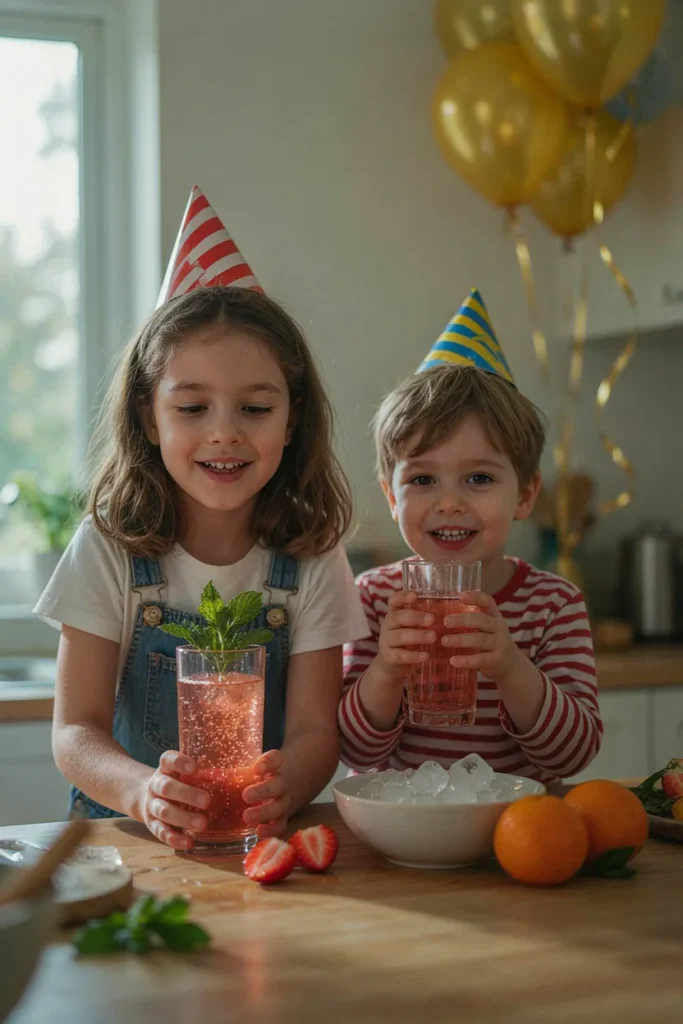
A New Year’s Eve toast needs bubbles. This year, the kids make their own, and find out where the bubbles come from first. Test sparkling water hot and cold, discover why warm drinks go flat, then mix three fruity mocktails for the countdown.
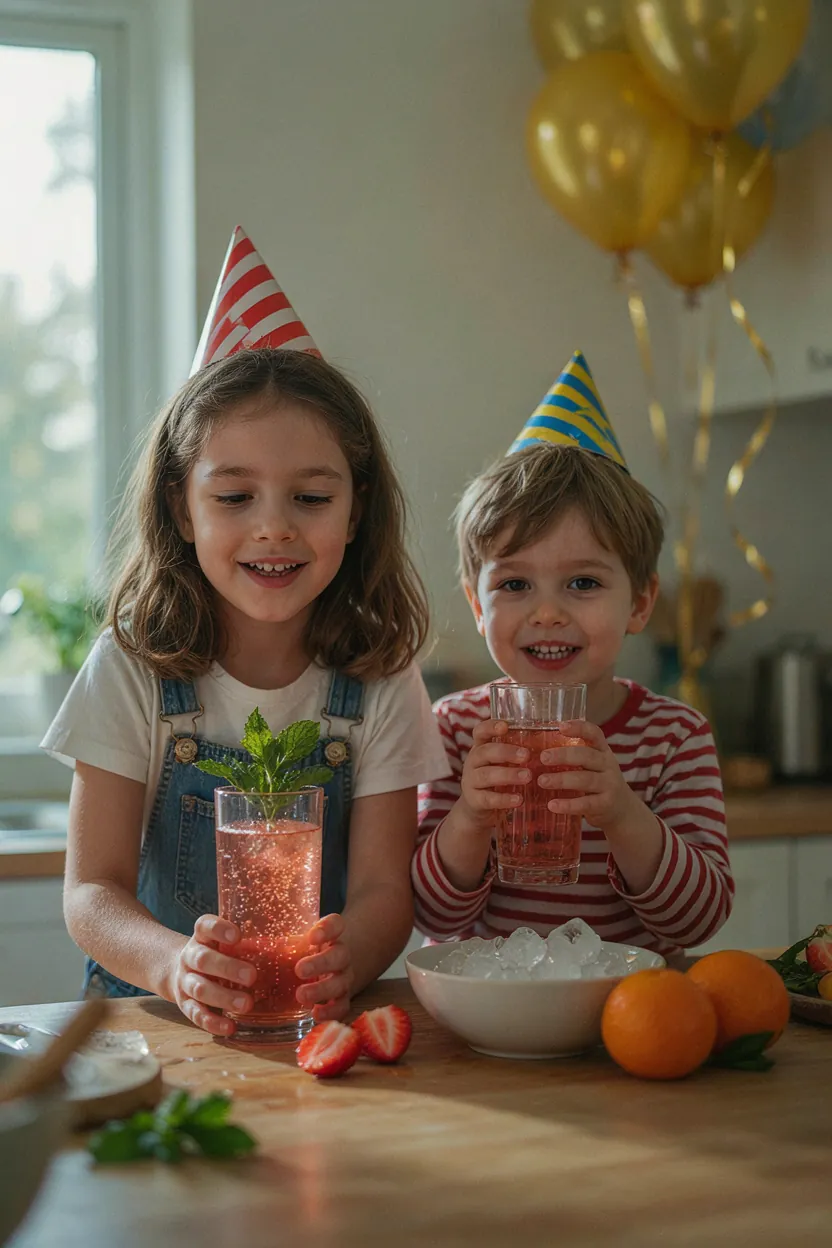
Sparkling Fruit Mocktails (3 Ways)
Ingredients
Equipment
Method
- Add ice to the glasses.
- Put the fruit, juice or mint base in the bottom of each glass.
- Top up gently with cold sparkling water, tilting the glass to keep the bubbles.
- Garnish with fruit and serve straight away.
Notes
What Kids Will Discover
Kids learn that the fizz is carbon dioxide gas dissolved in the water, and that cold water holds more gas than warm water. That’s why a cold fizzy drink stays bubbly longer.
Ages, Time and Mess Level
- Best for: ages 4 to 12
- Time: 20 minutes
- Mess level: low to medium
- Grown-up job: warm water for the test
The Experiment: Hot Fizz vs Cold Fizz
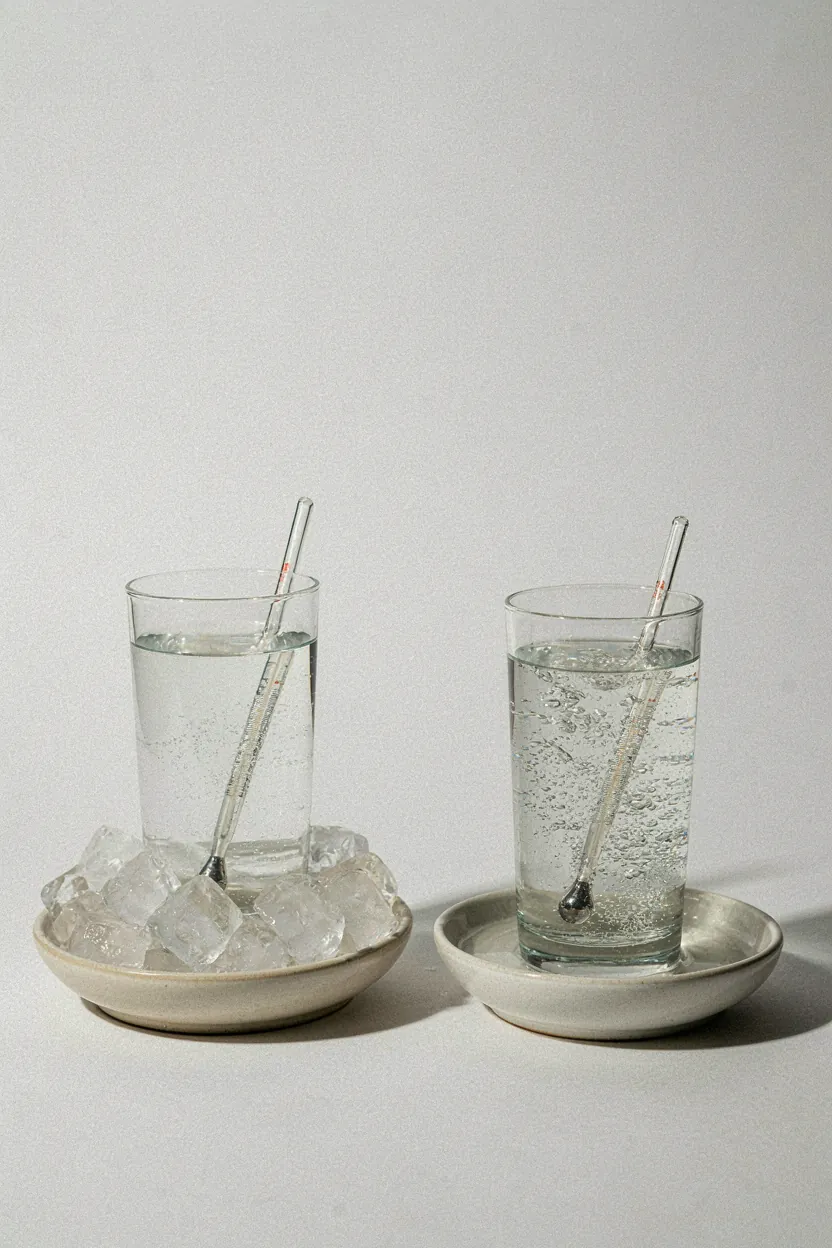
- Pour two glasses from the same bottle of sparkling water.
- Stand one in a bowl of ice and one in a bowl of warm (not hot) tap water.
- Predict: which will bubble more?
- Watch for 5 minutes. The warm glass fizzes much harder.
- Taste test (after the warm one cools): which is flatter?
The Science, in Kid Words
Fizzy water is made by squashing carbon dioxide gas into water under pressure. The gas hides in the water until you open the bottle. Cold water is good at holding onto the gas, so bubbles escape slowly. Warm water can’t hold as much, so the gas rushes out as lots of bubbles, and soon there’s not much fizz left. That’s why warm soda tastes flat.
For grown-ups
The American Chemical Society’s middle school lesson on temperature and dissolved gas runs this exact comparison: more carbon dioxide stays dissolved in cold water, while warming the water drives more gas out of solution.
Change One Thing
- Shake test: gently swirl one glass. More bubbles?
- Add-ins: drop a raisin or a pinch of sugar in. Bubbles grow on rough surfaces.
- Bubble dance: try our Dancing Cranberries.
Make It a STEAM Day
- Art: design a mocktail menu with names.
- Math: work out how much juice for 6 guests.
- Party: see the full New Year’s Eve Kitchen Lab Party.
Safety Notes
- Use warm tap water for the test, not boiling.
- Honey isn’t suitable for babies under 12 months.
- Plastic glasses are safer for a late-night party.
FAQ
Why does warm soda go flat faster?
Warm water can’t hold as much dissolved carbon dioxide, so the gas escapes quickly.
What makes sparkling water fizzy?
Carbon dioxide gas pressed into the water under pressure, which escapes as bubbles when opened.
What are good New Year’s Eve drinks for kids?
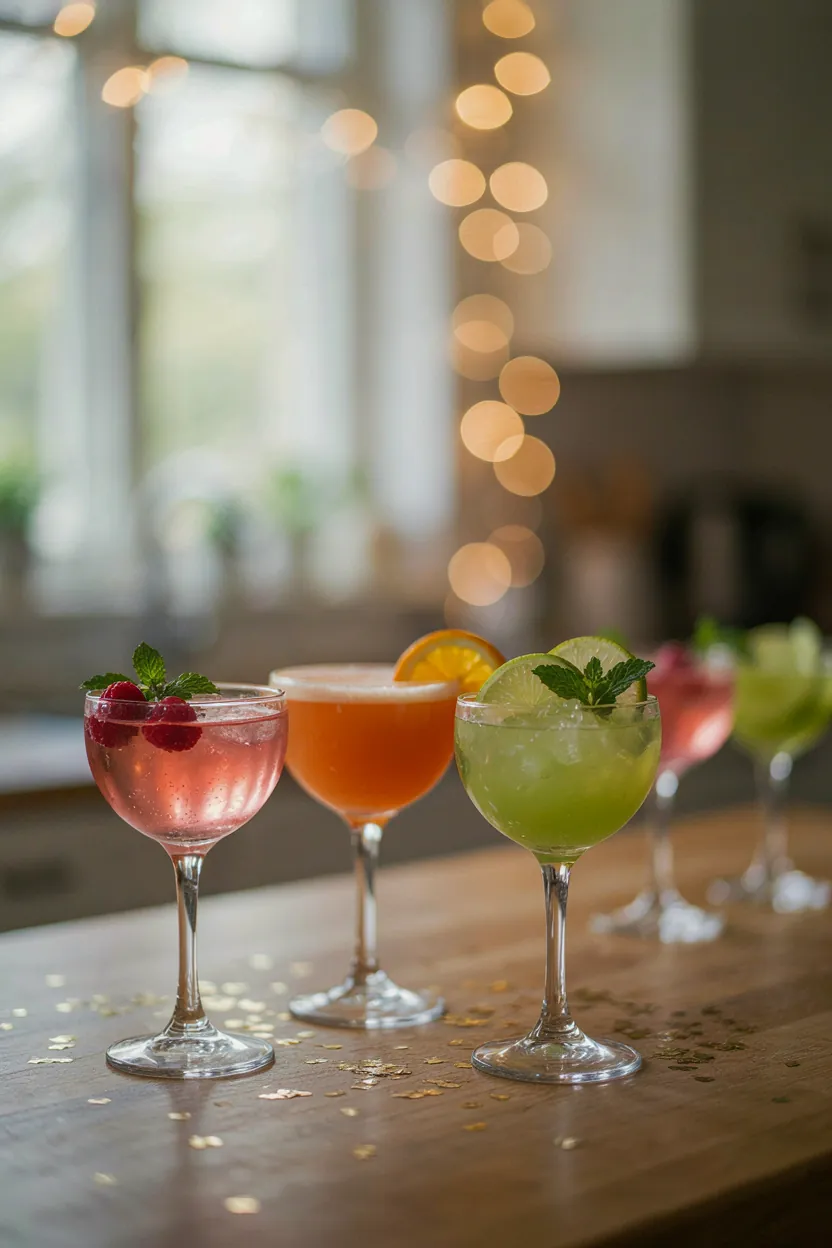
Sparkling water with fruit or a splash of juice: raspberry fizz, orange sunrise or lime-mint.
How do I keep mocktails fizzy?
Keep the sparkling water ice-cold and pour it last, down the side of the glass.
What age is this experiment for?
From about 4. Older kids can measure temperatures.
In Conclusion
Bubbles are just gas waiting to escape, and now your kids know how to keep them in. Mix the mocktails cold, and raise a glass at midnight (or at 8pm, whichever comes first).