Perfect Hard-Boiled Eggs (Batch Cooking Guide) – Foolproof, Easy, and Make-Ahead Friendly
December 11, 2025 · 7 min read
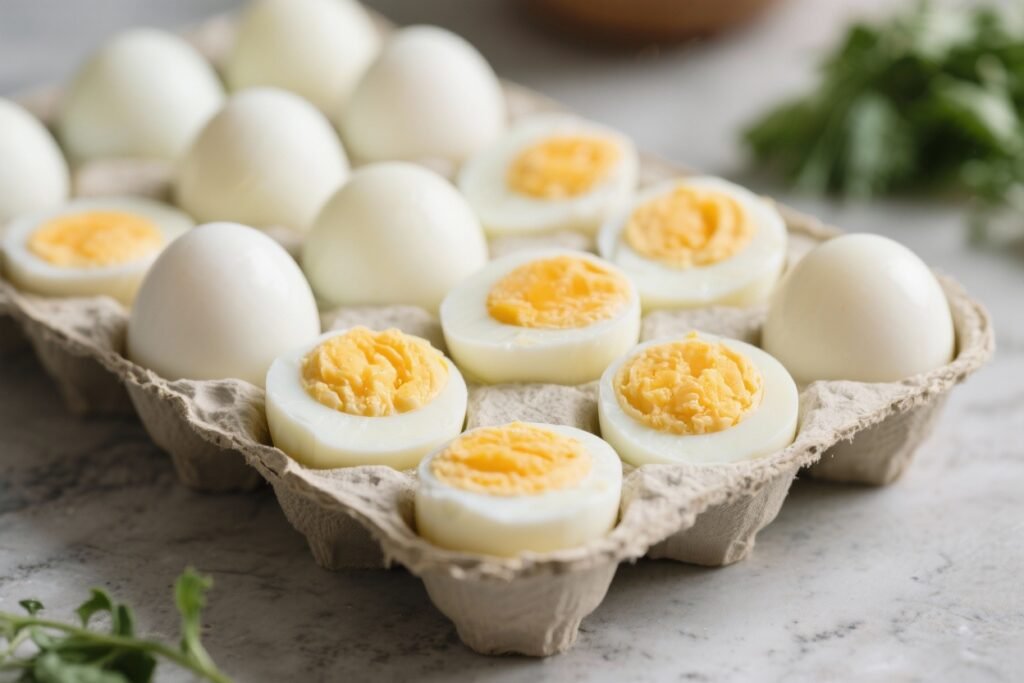
Hard-boiled eggs are the quiet hero of meal prep. They’re affordable, protein-packed, and ready to turn into breakfast, lunch, or a quick snack. The trick is getting them just right—fully set yolks, no green ring, and shells that slip off cleanly.
This guide gives you a reliable method that scales for batch cooking, plus storage tips and smart ways to use them all week. No fancy equipment needed, just a pot, water, and a timer.
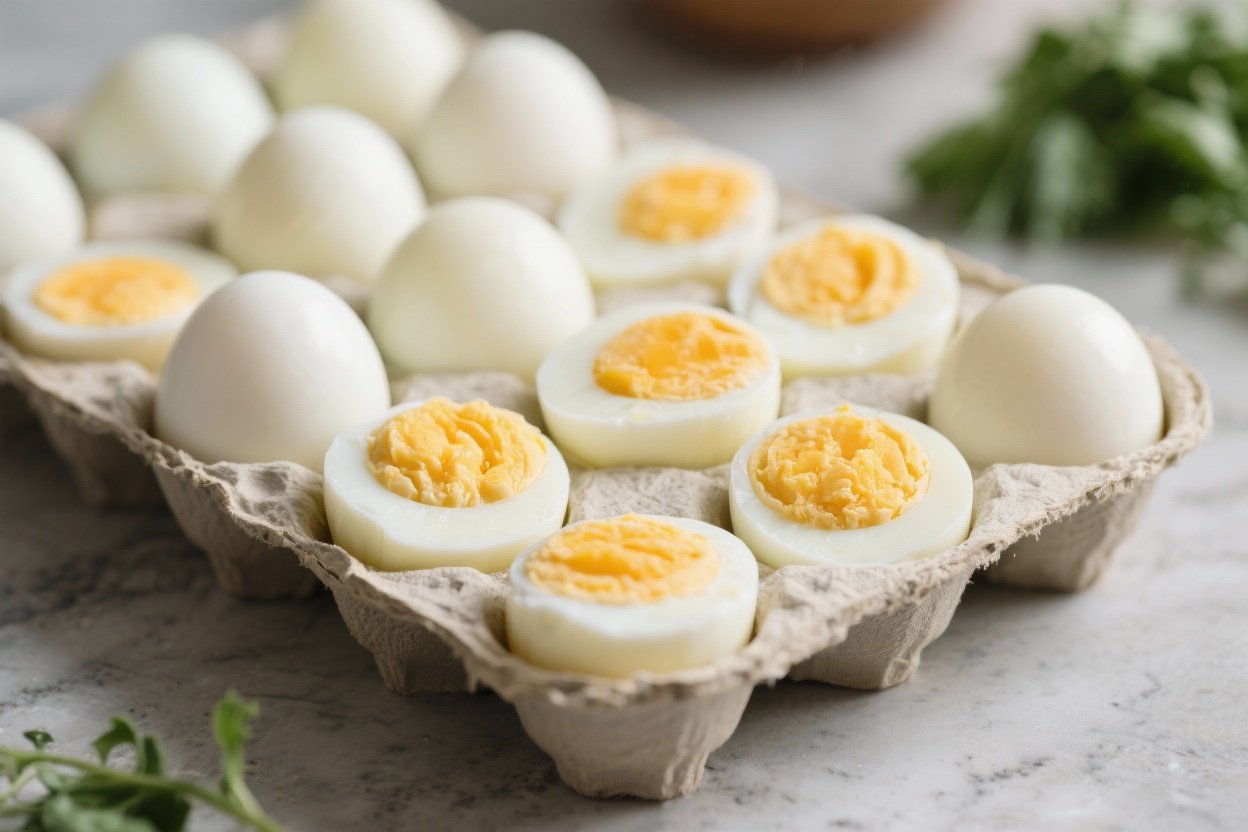
Perfect Hard-Boiled Eggs (Batch Cooking Guide) - Foolproof, Easy, and Make-Ahead Friendly
Ingredients
Method
- Bring water to a boil: Fill a pot with enough water to cover your eggs by 1 inch. Bring to a full rolling boil over high heat.
- Lower the eggs in: Gently lower eggs into the boiling water using a spoon or tongs.Keep the water at a steady but not violent boil.
- Simmer briefly: Let the eggs boil for 30 seconds, then reduce heat to medium-low so the water is just simmering.
- Cover and cook off-heat: Put the lid on, turn off the heat, and set a timer for the doneness you want: Jammy: 8–9 minutes (set whites, custardy yolks).
- Classic hard-boiled: 10–12 minutes (fully set yolks, no chalkiness).
- Very firm: 13 minutes (for egg salad or grating).
- Prepare an ice bath: While eggs sit, fill a large bowl with ice and cold water.
- Chill immediately: When the timer ends, transfer eggs directly to the ice bath. Chill for at least 10 minutes. This stops cooking and makes peeling easier.
- Peel or store: Crack each egg gently, roll to loosen the shell, then peel under a thin stream of water.Dry and refrigerate. If storing unpeeled, dry them before chilling.
Why This Recipe Works
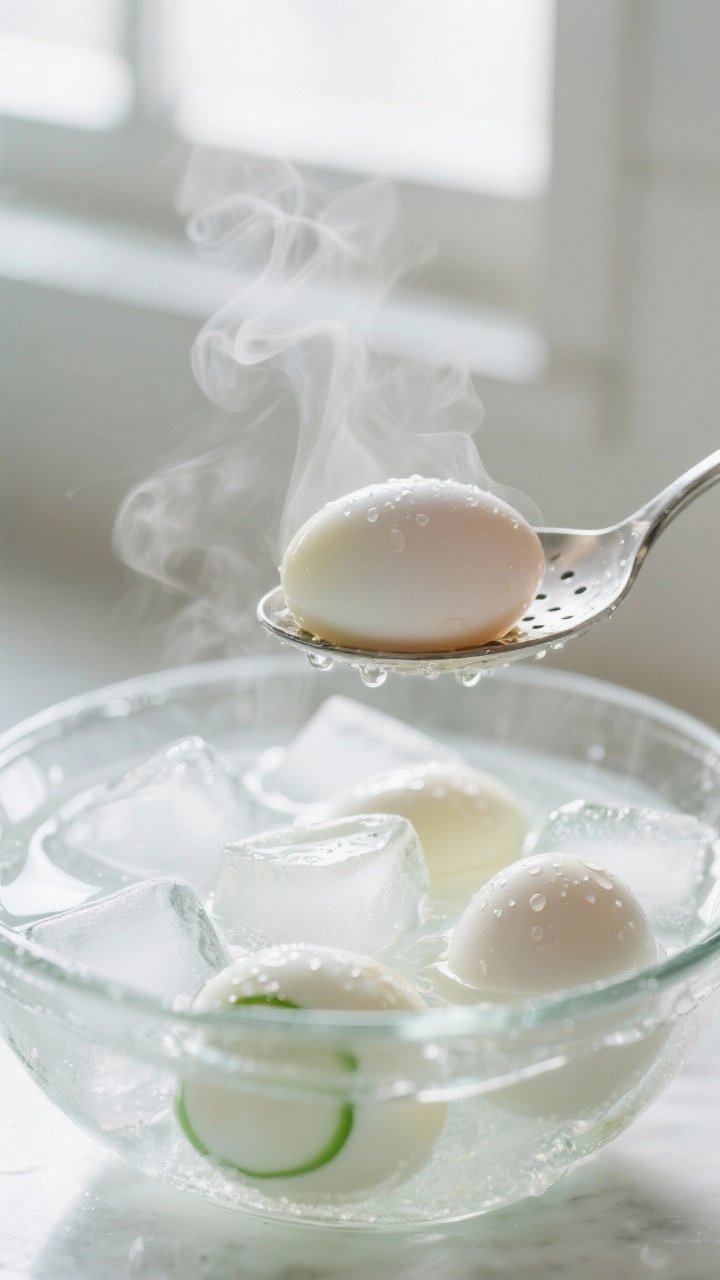
This method uses a controlled boil followed by a set time off the heat, which gives you consistent results. The rapid cool-down in an ice bath stops the cooking fast, preventing dry yolks and that green-gray ring.
Starting eggs in hot water (not cold) helps the membranes separate from the shell, making peeling easier. It’s simple, repeatable, and perfect for making a dozen or more at a time.
What You’ll Need
- Eggs: Any size works, but this timing is based on large eggs.
- Water: Enough to cover eggs by about 1 inch.
- Ice: For an ice bath to cool eggs quickly.
- Large pot with lid: Wide enough to hold eggs in a single layer.
- Slotted spoon or tongs: For safe transfer.
- Timer: Accuracy matters.
- Optional: 1 teaspoon baking soda or a splash of vinegar (can help with peeling, especially for very fresh eggs).
Instructions
- Bring water to a boil: Fill a pot with enough water to cover your eggs by 1 inch. Bring to a full rolling boil over high heat.
- Lower the eggs in: Gently lower eggs into the boiling water using a spoon or tongs.
Keep the water at a steady but not violent boil.
- Simmer briefly: Let the eggs boil for 30 seconds, then reduce heat to medium-low so the water is just simmering.
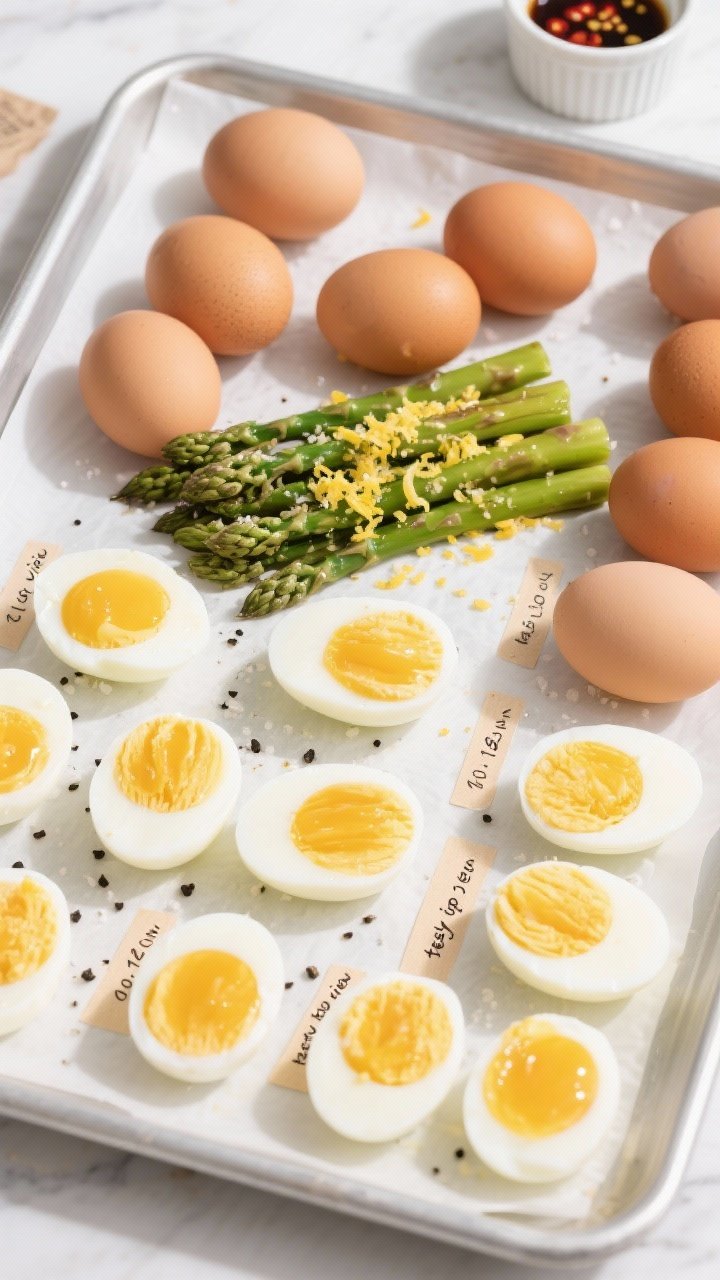
- Cover and cook off-heat: Put the lid on, turn off the heat, and set a timer for the doneness you want:
- Jammy: 8–9 minutes (set whites, custardy yolks).
- Classic hard-boiled: 10–12 minutes (fully set yolks, no chalkiness).
- Very firm: 13 minutes (for egg salad or grating).
- Prepare an ice bath: While eggs sit, fill a large bowl with ice and cold water.
- Chill immediately: When the timer ends, transfer eggs directly to the ice bath. Chill for at least 10 minutes. This stops cooking and makes peeling easier.
- Peel or store: Crack each egg gently, roll to loosen the shell, then peel under a thin stream of water.
Dry and refrigerate. If storing unpeeled, dry them before chilling.
How to Store
- Unpeeled: Keep in the fridge for up to 7 days. Store dry in the original carton or a covered container.
- Peeled: Store in an airtight container for 4–5 days.
For best texture, add a damp paper towel or cover with cold water and change the water daily.
- Label and rotate: Mark the date so you use the oldest first.
- Avoid freezing: Freezing hard-boiled eggs causes rubbery whites. Not recommended.
Health Benefits
- High-quality protein: About 6 grams per large egg supports muscle repair and keeps you full.
- Nutrient-dense: Eggs provide B12, riboflavin, selenium, iodine, and choline (great for brain health).
- Healthy fats: Yolks contain omega-3s (especially in pasture-raised eggs) and fat-soluble vitamins A, D, E, and K.
- Low-carb and versatile: Fits many eating styles: high-protein, Mediterranean, low-carb, or balanced diets.
Common Mistakes to Avoid
- Overcooking: Leads to dry yolks and a green ring. Stick to the timing and use the ice bath.
- Skipping the ice bath: Residual heat keeps cooking the eggs.
Chill immediately for perfect texture.
- Starting in cold water: This can cause uneven results and tougher peeling. Start with boiling water for consistency.
- Boiling too hard: Vigorous boiling cracks shells. Keep a gentle simmer after the initial 30 seconds.
- Peeling too soon: Eggs peel best after fully cooling.
Warm eggs are harder to peel cleanly.
Alternatives
- Steaming: Place eggs in a steamer basket over boiling water, cover, and steam 11–13 minutes, then ice bath. Often even easier to peel.
- Instant Pot: Use the 5-5-5 method: 5 minutes at high pressure, 5 minutes natural release, 5 minutes in ice bath. Adjust by 1–2 minutes for your preferred doneness.
- Older eggs for easier peeling: If you struggle with fresh eggs, use eggs that are 5–10 days old.
- Flavor boosts: After peeling, marinate in soy sauce, pickle brine, or chili oil for quick snacks.
FAQ
How many eggs can I cook at once?
As many as fit in a single layer at the bottom of your pot.
If they stack, timing can be uneven. For big batches, cook in rounds or use a wider pot.
Why do my eggs crack while cooking?
Usually from rapid temperature changes or vigorous boiling. Lower eggs gently, keep the boil moderate, and don’t overcrowd the pot.
A small pinhole in the fat end can help release pressure, but it’s optional.
How do I get eggs that peel easily?
Start in boiling water, cool in an ice bath, and peel under running water. Older eggs peel more easily than super fresh ones. A teaspoon of baking soda in the water can also help.
What if I want jammy eggs for ramen?
Use the same method but shorten the covered time to 8–9 minutes.
Chill immediately in ice water to lock in that custardy center.
How can I tell if an egg is still good?
Use the float test: place the egg in a bowl of water. If it sinks and lays on its side, it’s fresh. If it stands up, it’s older but usually fine.
If it floats, toss it.
Can I peel them all at once for the week?
Yes. Store peeled eggs in a sealed container for up to 5 days. Keep them slightly moist with a damp paper towel or submerged in water you change daily.
What’s the green ring around the yolk?
It’s a harmless reaction between sulfur and iron from overcooking or slow cooling.
Prevent it by sticking to the timing and using an ice bath.
What are easy ways to use a batch?
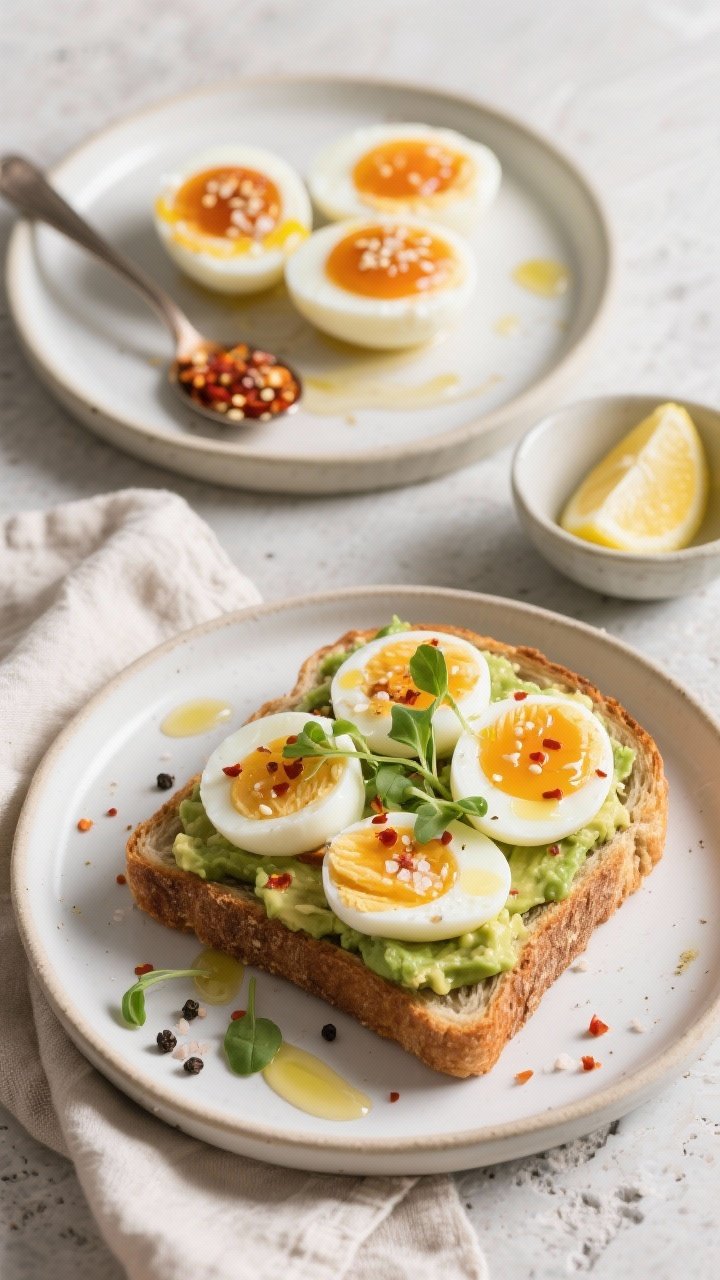
Top toast with avocado and chili flakes, add to salads or grain bowls, make egg salad, or slice into wraps. Grate over pasta or asparagus with a drizzle of olive oil and lemon.
Final Thoughts
Perfect hard-boiled eggs are all about timing and temperature. With this simple boil-cover-rest method and a quick ice bath, you’ll get consistent results every time.
Make a big batch on Sunday, stash them in the fridge, and you’ve got a week of easy, healthy meals and snacks ready to go. Once you dial in your favorite doneness, this will be a set-and-forget kitchen habit you’ll rely on.