School Week Meal Planning Made Simple: 10 Time-Saving Tips, Batch-Cook Ideas & Kid-Approved Dinners
December 20, 2025 · 10 min read

School nights can feel like a race against the clock, especially when you’re trying to feed hungry kids something that’s both quick and nourishing. With about 29.7 million school lunches served every day through national programs, families and schools alike are under pressure to plan smart, budget-friendly meals that kids will actually eat. Thoughtful school week meal planning can turn that nightly scramble into an easy routine—without spending your whole weekend in the kitchen.
Key Takeaways
| Question | Answer & Helpful Links |
|---|---|
| 1. How do I start school week meal planning if I’m busy? | Start with 3 core dinners you can rotate and re-purpose for lunches. Use kid-focused collections like the Power Up Your Kids recipes page for quick, weeknight-ready ideas. |
| 2. What are some fast kid-approved weeknight dinners? | 15–20 minute options like the Ground Turkey Teriyaki Stir Fry and Garlic Parmesan Chicken are perfect for busy school nights. |
| 3. How can I plan lunches that power kids through the school day? | Include protein, produce, and whole grains in most meals. For more ideas, explore the kid-focused lunchbox hub Power Your Lunchbox. |
| 4. Where can I find healthy snack and dinner recipes for kids? | Check the PowerUp recipe collection at PowerUp4Kids Recipes for snacks, breakfasts, and dinners built for families. |
| 5. How do I keep school week meals nutritious but not restrictive? | Focus on adding color, protein, and fiber instead of banning foods. The philosophy at Power Up Your Kids (About page) centers on “adding power” to meals rather than restricting. |
| 6. Is there a resource for roasted veggie side ideas for the school week? | Yes. Pair your mains with kid-friendly veggie sides using the PowerUp Roasted Veggie Guide as inspiration. |
1. Why School Week Meal Planning Matters for Families
Thoughtful school week meal planning is less about perfection and more about reducing stress from Monday to Friday. When you know what’s for breakfast, lunch, snacks, and dinner, you cut down last-minute decisions, food waste, and drive-through detours.
For many families, school meals and home meals work together. With 91% of public schools participating in USDA meal programs, kids may get one or two meals at school and one at home, so planning around that reality keeps kids fueled all day. A simple weekly plan also helps you budget and make the most of weekend prep time.
Build Around Your Real Schedule
Start by looking at your weekly calendar: nights with practice, late meetings, or activities need the fastest, lowest-effort meals. Save more involved recipes for evenings when you’re home earlier or can cook once and eat twice.
Aim for a basic framework like:
- 2 quick skillet or stir-fry nights (15–20 minutes start to finish)
- 1 oven or air fryer night (hands-off cooking time)
- 1 leftovers or “remix” night (using prepped ingredients)
- 1 fun dinner (build-your-own bowls, tacos, or pizza)

2. The Power of a Weekly Recipe Hub: Power Up Your Kids
One of the easiest ways to simplify school week meal planning is to pick a trusted recipe hub and pull several ideas from there each week. The Power Up Your Kids site focuses on kid-friendly, energy-boosting meals that work well for busy school nights and after-activity dinners.
Because the recipes are already designed with families in mind, you can build a whole week around a handful of dishes. Many of them cook in under 30 minutes and use accessible ingredients, which helps keep your week predictable and affordable.
How to Use a Recipe Collection for Planning
Browse a collection like the Latest Recipes section and choose:
- 1 protein-packed stir-fry or skillet for your busiest day
- 1 crispy, fun main (like coated chicken) for midweek morale
- 1 seafood night for variety and brain-boosting omega-3s
Then, list out how leftovers will be used for next-day lunches or remix dinners.
3. 15-Minute Wonders: Ground Turkey Teriyaki Stir Fry Night
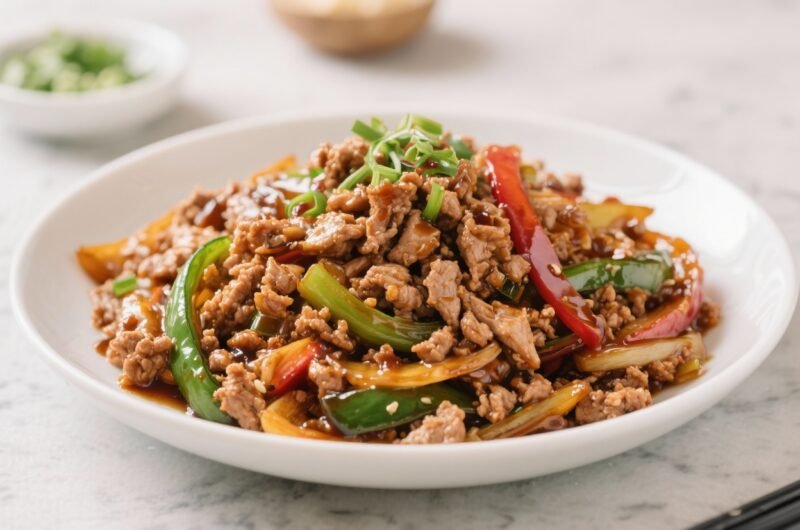
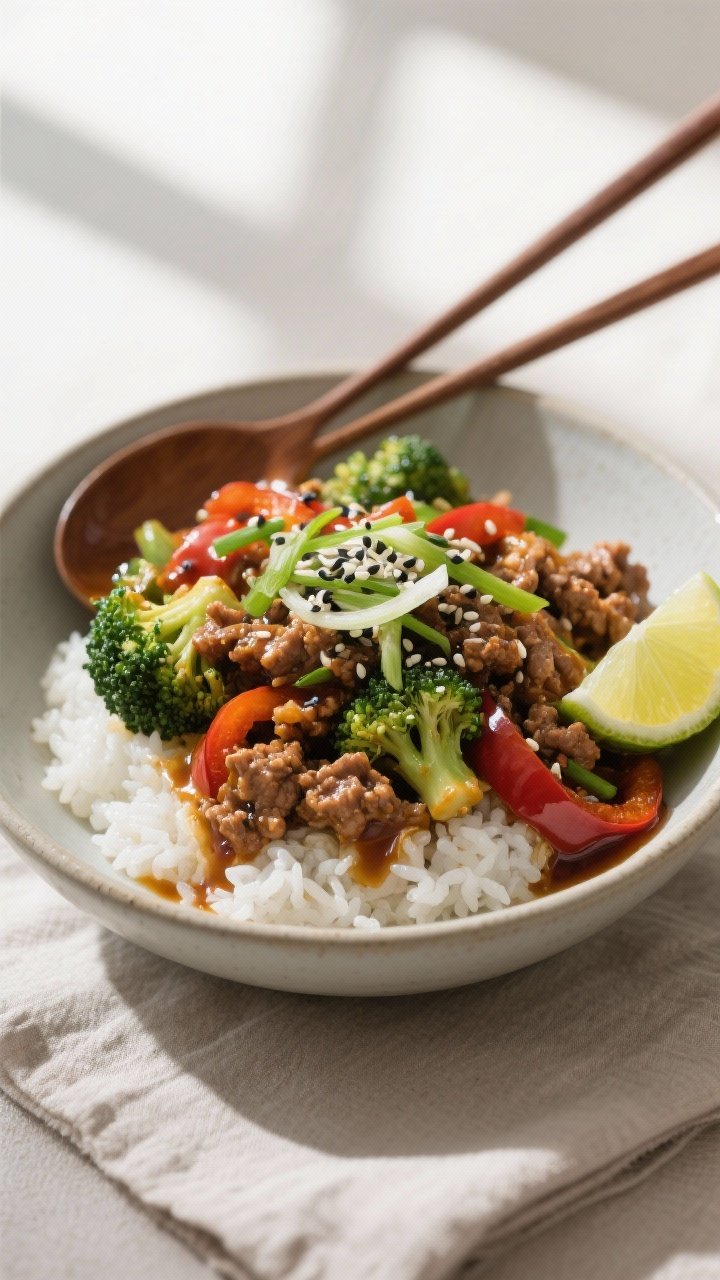
On nights when you walk in the door and everyone’s already asking what’s for dinner, a fast stir-fry is a lifesaver. The Ground Turkey Teriyaki Stir Fry from Power Up Your Kids is built for exactly that kind of school night, cooking in about 15–20 minutes.
Ground turkey cooks quickly, and a glossy teriyaki sauce helps vegetables go down easier for picky eaters. Serve it over rice, noodles, or even in lettuce cups for older kids who like a little crunch.
How to Fit This Recipe Into Your Weekly Plan
Plan this stir-fry for your busiest weekday. Pre-cook rice or noodles on Sunday, and chop some of the veggies ahead so all you have to do is brown the turkey and toss everything in the pan.
Make an extra batch and use leftovers in:
- Thermos lunches (packed with hot rice and veggies)
- Deconstructed bento boxes with turkey, raw veggies, and fruit
- Quick fried rice later in the week

4. Kid-Approved Crispy Night: Garlic Parmesan Chicken
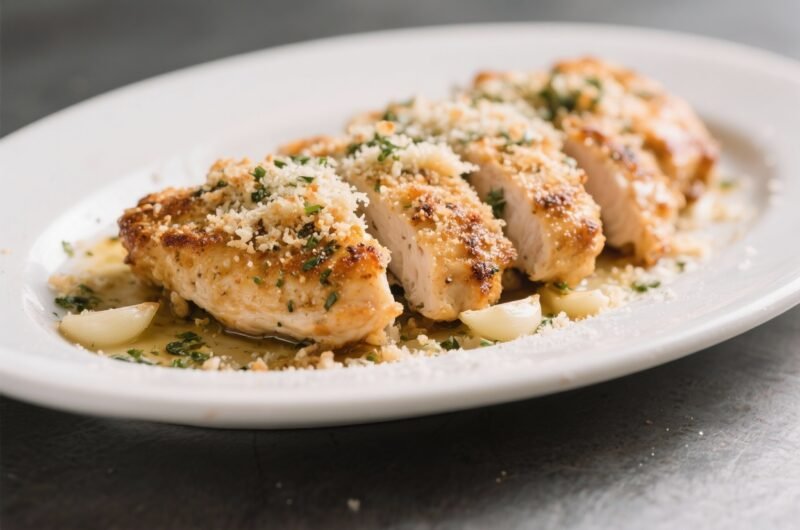
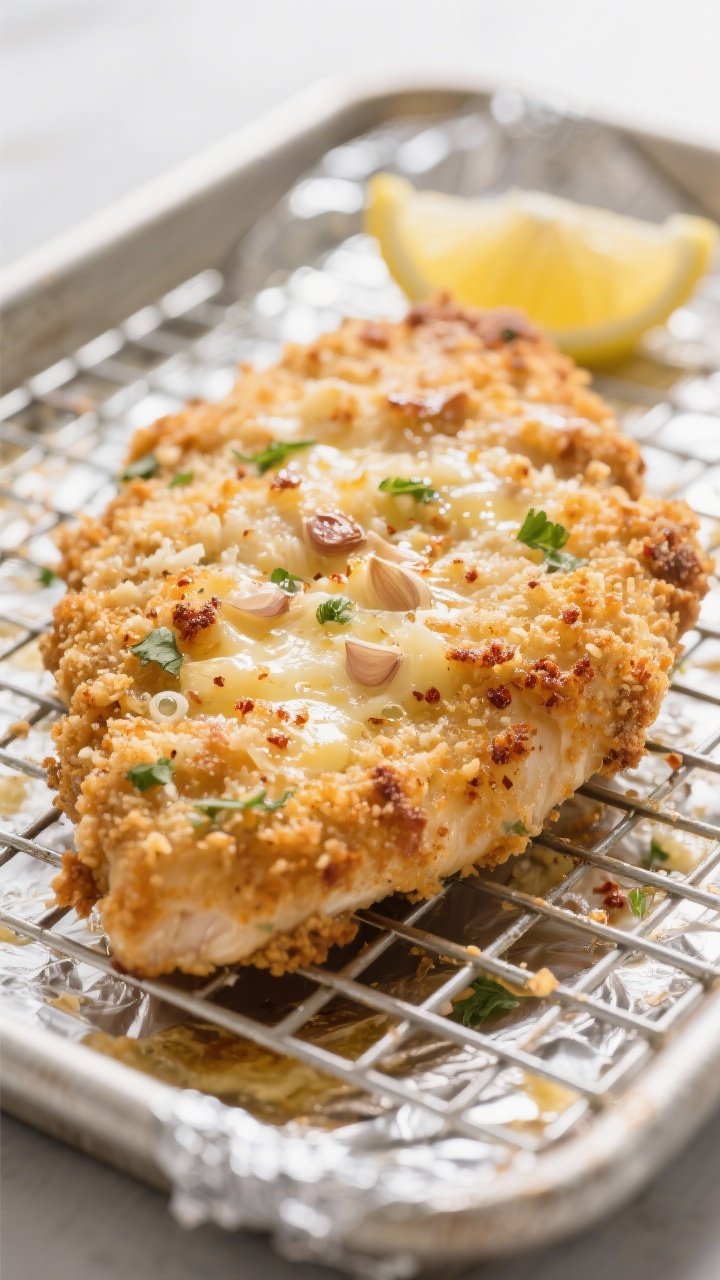
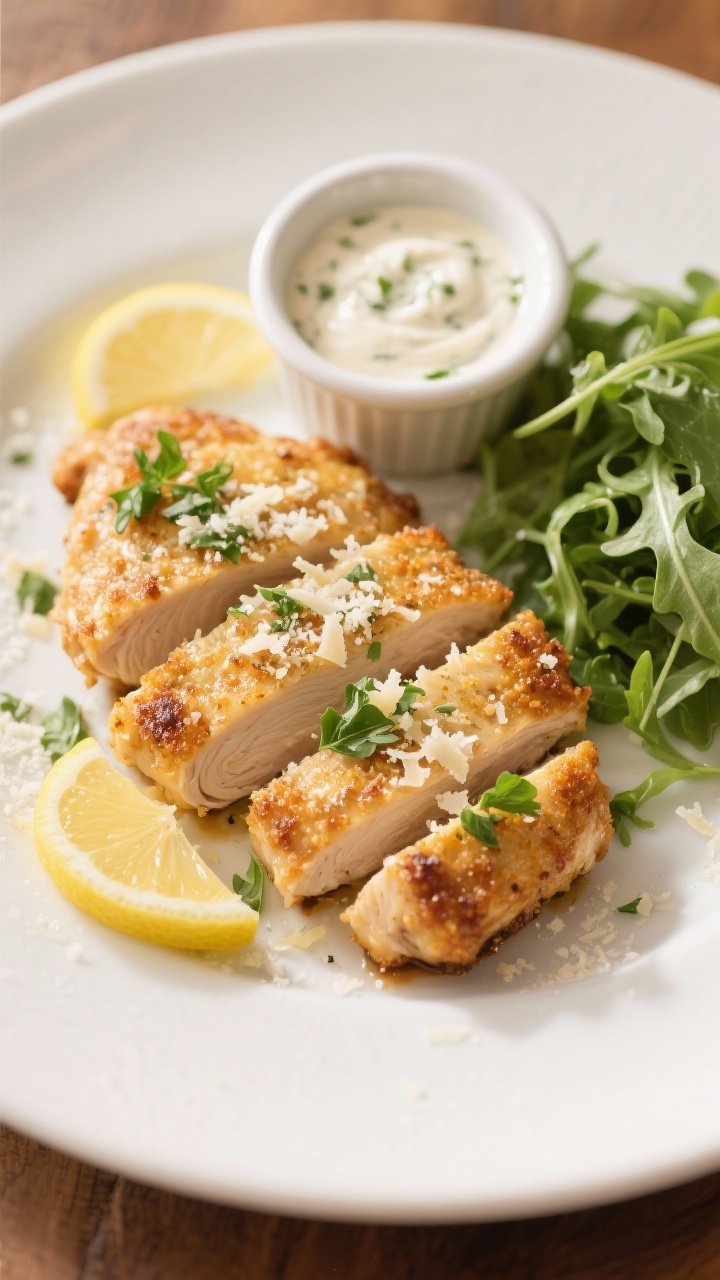
Midweek can be a tough point in the school week, so planning a meal that feels special—but is still easy—can keep everyone on track. The Garlic Parmesan Chicken recipe uses just a few ingredients plus pantry staples to deliver crispy, cheesy chicken that tastes like a Friday night favorite.
Because it bakes, you get hands-off cooking time to pack lunches, oversee homework, or clean up the kitchen while it cooks. That’s a big win on nights when you’re juggling tasks.
Serve Once, Eat Twice
Plan this meal for a Wednesday or Thursday and bake a few extra pieces of chicken. Slice leftovers for:
- Lunchbox wraps with lettuce and a light dressing
- Protein boxes packed with fruit, veggies, and cheese
- DIY chicken parmesan subs on another night with sauce and a bun

Did You Know?
99.3% of school nutrition programs report rising food costs as a challenge, and 83.9% say those costs are a significant concern when planning school meals week to week.
Source: School Nutrition Association – 2024 School Nutrition Trends Report
5. Air Fryer Salmon Bites: Fast Brain Food for School Nights
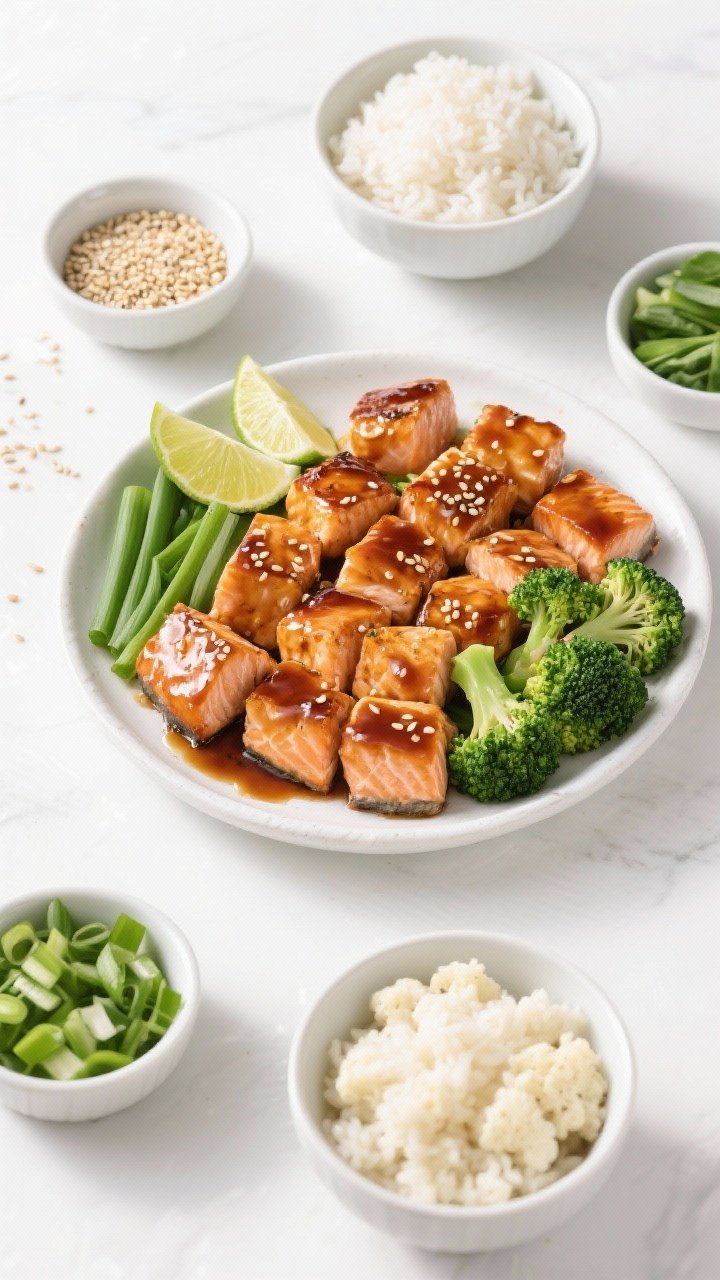
Including seafood once a week is a smart move for growing kids, especially during the school year. The Air Fryer Salmon Bites recipe turns salmon into crispy, juicy bites with a sticky glaze that feels more like a treat than a chore to eat.
Because the air fryer cooks quickly and with minimal cleanup, this dish works well on nights when you’re short on both time and energy. It’s also easy to pair with rice, quinoa, or a simple salad kit.
Turn Dinner Into Build-Your-Own Bowls
To get more buy-in from picky eaters, set up a “bowl bar” for salmon night. Offer bowls of rice, chopped veggies, and sauces so kids can build their own salmon bowls the way they like them.
Pack leftover salmon bites cold with crackers and fruit for a high-protein lunch the next day.

6. Batch Cooking Basics for the School Week
Batch cooking is one of the most effective tools in school week meal planning. By cooking a few base components in larger quantities—like grains, proteins, and roasted vegetables—you can quickly assemble different meals throughout the week.
Think in “building blocks” rather than full recipes: a pan of roasted veggies, a pot of pasta, a batch of chicken or turkey, and a sauce or two can become multiple dinners and lunches.
Simple Batch-Cook Plan for Sunday
- Cook 2–3 cups of dry rice or quinoa for stir-fries and bowls.
- Roast a sheet pan of mixed veggies to reheat as sides or mix into pasta.
- Prep one protein (ground turkey, chicken breast, or mini meatballs).
- Chop snack veggies (carrots, cukes, peppers) and store them in clear containers.
During the week, you can combine these with quick sauces or dressings to create variety without starting from scratch every night.

7. Smart Sides and Veggies: Planning Produce for the Week
Vegetables and fruits often get pushed aside on busy nights, but a little planning makes them much easier to include. When you plan mains like stir-fries, salmon bites, or garlic chicken, decide at the same time which produce will go with each meal.
Roasting a big pan of mixed vegetables early in the week gives you ready-made sides you can quickly reheat. You can also use guides like roasted veggie resources to spark ideas for new combinations and seasonings.
Veggie Strategies for Picky Eaters
- Pair veggies with dips or sauces they already like.
- Mix vegetables into familiar dishes like pasta, stir-fries, and grain bowls.
- Offer raw and cooked options so kids can choose what feels best.
Over time, repeating the same vegetables in different forms helps kids learn to accept them as a normal part of every meal.



Did You Know?
87.4% of school nutrition directors say offering free meals increases participation, which means more kids rely on planned school-week menus for their daily nutrition.
Source: School Nutrition Association – 2024 Position Paper
8. Snacks and Lunchbox Power-Ups from PowerUp4Kids
School week meal planning isn’t just about dinner—snacks and lunches carry kids through long days of learning and activities. The PowerUp4Kids recipe collection includes ideas like chickpea bites, smoothies, and mini bakes that can double as breakfasts, snacks, or packable lunches.
When you plan your weekly menu, plug in at least two snack options you can prep ahead. Energy bites, mini egg bakes, and smoothies all store well and give kids a balanced mix of carbs, protein, and healthy fats.
Make-Ahead Snack Ideas to Add to Your Plan
- Mini egg bakes for quick breakfasts or lunchbox add-ins.
- Energy bites made with oats and nut/seed butters.
- Fruit-and-yogurt smoothies portioned in small bottles for grab-and-go mornings.


9. One-Pot & Sheet-Pan Nights: Low-Drama Dinners
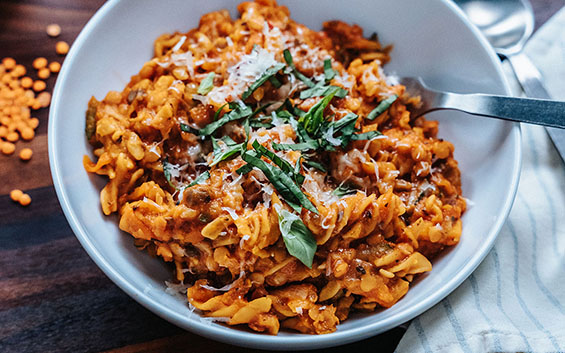
One-pot and sheet-pan meals are ideal anchors in a school week meal plan because they minimize cleanup. Pasta dishes, unrolled egg rolls, rainbow salads, and simple stir-fries all fit into this category and can often be adapted to what you already have on hand.
By planning at least one one-pot or sheet-pan dinner per week, you build in an easier night for both cooking and dishes. This is especially helpful if you know you’ll arrive home late or kids have homework that needs your attention.
Ideas to Plug Into Your Weekly Rotation
- One-pot pasta loaded with veggies and a simple sauce.
- Sheet-pan “unrolled egg roll” with cabbage, carrots, and seasoned ground meat.
- Big “rainbow” salad topped with leftover proteins.
Use these meals to clear out your fridge and reduce waste by adding odds and ends of vegetables and proteins.

10. Make Lunchboxes Work Harder All Week
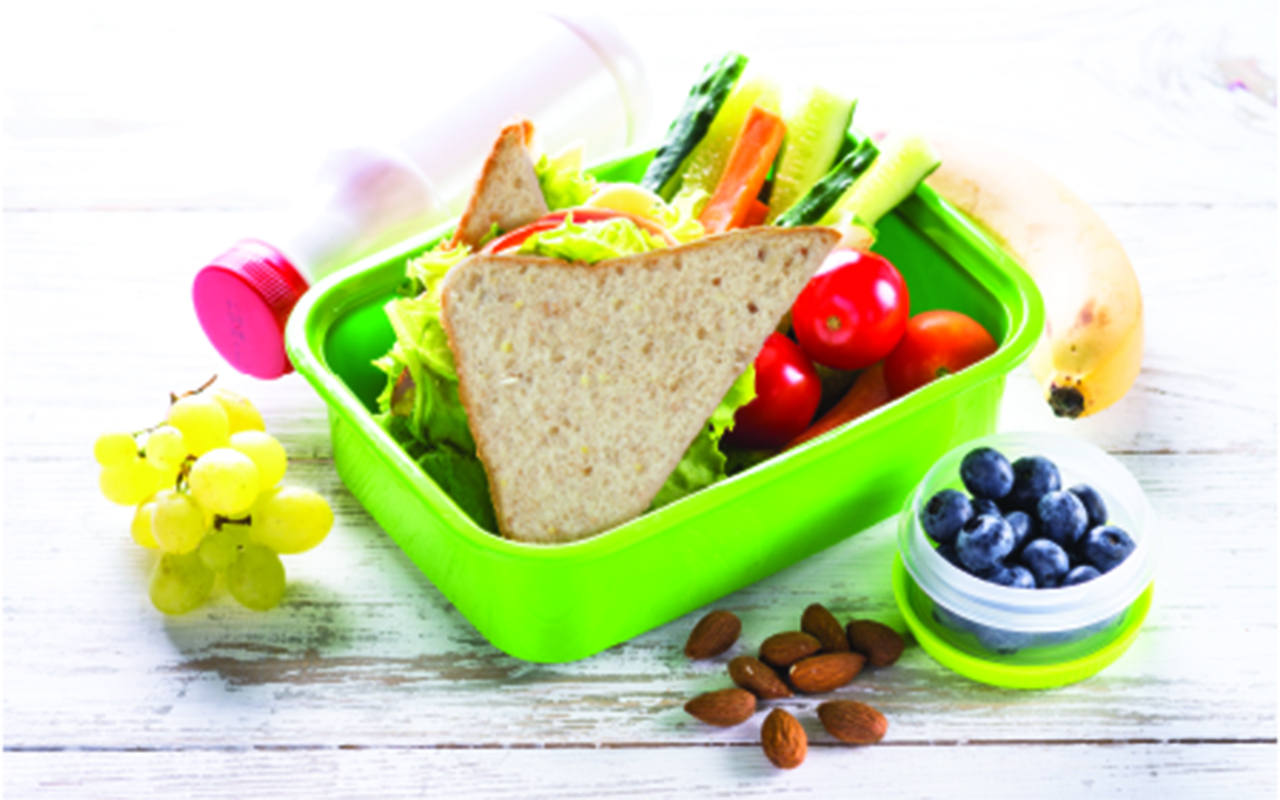
A strong school week meal plan connects dinners and lunchboxes so you’re not planning them in isolation. Leftover proteins like salmon bites, garlic chicken, or stir-fried turkey can easily be repurposed into wraps, bowls, or snack-style lunches.
Think of dinner as your main “prep session” for the next day’s lunch. While you’re cleaning up, portion leftovers directly into containers, add fruits and veggies, and store them so the morning rush is smoother.
Simple Dinner-to-Lunch Conversions
| Dinner | Next-Day Lunch Idea |
|---|---|
| Ground Turkey Teriyaki Stir Fry | Thermos rice bowl with extra veggies and pineapple |
| Garlic Parmesan Chicken | Chicken wrap with lettuce, shredded cheese, and a side of fruit |
| Air Fryer Salmon Bites | Snack box with salmon bites, crackers, cucumber slices, and grapes |

11. Involving Kids in School Week Meal Planning
Kids are more likely to eat what they help choose or prepare. Building a quick weekly ritual—like a 10-minute Sunday planning chat—helps them feel invested and teaches practical skills around food and planning.
Offer choices within boundaries, such as picking between salmon bites or chicken for Thursday, or choosing one new fruit and one new vegetable to try that week.
Simple Ways to Get Kids Involved
- Let them circle recipes they like from a printed list or on a tablet.
- Assign small prep jobs like washing produce or stirring sauce.
- Use theme nights (Taco Tuesday, Bowl Night, Breakfast-for-Dinner) and let them help design the toppings bar.
Over time, involving kids can make them more adventurous and reduce mealtime battles, which is just as valuable as saving time.


Conclusion
School week meal planning doesn’t have to be elaborate to be effective. By choosing a few dependable recipes—like quick stir-fries, crispy baked chicken, and air fryer seafood—batch-prepping simple components, and planning how dinners will roll into lunches, you can make weekday eating calmer and more consistent.
Resources such as Power Up Your Kids and PowerUp4Kids provide kid-focused recipes and ideas that fit into real family schedules. Start small with one or two planned dinners and one batch-cooked item this week, then build from there as the routine begins to feel natural for your household.