Smart Snacking For Kids: 9 Easy Recipes That Boost Energy Without Sugar Overload
December 20, 2025 · 11 min read
Kids love snacks, and so do adults. In fact, 91 percent of people around the world have at least one snack every day, which means what we offer between meals matters just as much as breakfast, lunch, and dinner. Smart snacking is about turning those everyday bites into steady energy, better focus, and happier moods instead of sugar crashes and endless grazing.
Key Takeaways
| Question | Short Answer |
|---|---|
| What is smart snacking for kids? | Smart snacking means choosing snacks with a balance of protein, fiber, and healthy fats so kids stay full and energized, not wired and then wiped out. |
| How can I reduce sugar in snacks without a fight? | Lean on naturally sweet foods like banana, apple, and cinnamon in recipes such as Apple Cinnamon Baked Oatmeal Bars instead of relying on lots of added sugar. |
| What are good make-ahead smart snacks? | Batch-friendly options like Peanut Butter Chocolate Chip Baked Oatmeal Bars and protein muffins keep well in the fridge or freezer and portion easily. |
| How do I keep kids full between school and activities? | Pair carbs with protein and fat, like in Banana Chocolate Chip Protein Muffins, so snacks digest more slowly and keep energy steadier. |
| Can smart snacks still feel like treats? | Yes. Recipes like Quick Pesto Snack Pizzas and veggie-packed pizza rolls taste like fun food but sneak in whole grains, protein, and vegetables. |
| How big should a kid’s snack portion be? | Think mini meal, not full meal: usually one to two small items, such as one muffin plus fruit, or one oatmeal bar plus a few carrot sticks. |
1. What Smart Snacking Really Means For Kids
Smart snacking is not about banning cookies or never buying packaged snacks again. It is about planning snacks with the same intention you give to meals, so each one offers some protein, some fiber, and not too much added sugar. This combination helps smooth out kids’ energy and mood instead of creating peaks and crashes.
For growing kids, snacks often make up a big share of daily calories. When you choose smarter options, those calories deliver more nutrition: steady energy for school, activities, and play. Throughout this article, you will see snack ideas designed around that principle, using kid favorites like banana, apple, peanut butter, cheese, and pizza-style flavors.
2. Smart Snacking Basics: Sugar, Portions, And Variety
When people talk about smart snacking, three issues come up again and again: how much sugar, how big the portion, and how much variety. For kids, the goal is not zero sugar, but avoiding snacks that are basically sugar with almost no protein, fiber, or fat to slow it down. That is where many “treat-style” snacks fall short.
Portion size is another quiet troublemaker. If kids snack all afternoon, they often arrive at dinner full but undernourished. A helpful rule is to serve snacks in a small bowl or on a plate, not straight from the bag, and to aim for one or two components: for example, a banana muffin plus a few slices of apple, or a small oatmeal bar plus cucumber sticks.
3. Banana Chocolate Chip Protein Muffins: A Smart Snack Kids Crave
Why Protein Muffins Fit A Smart Snacking Plan
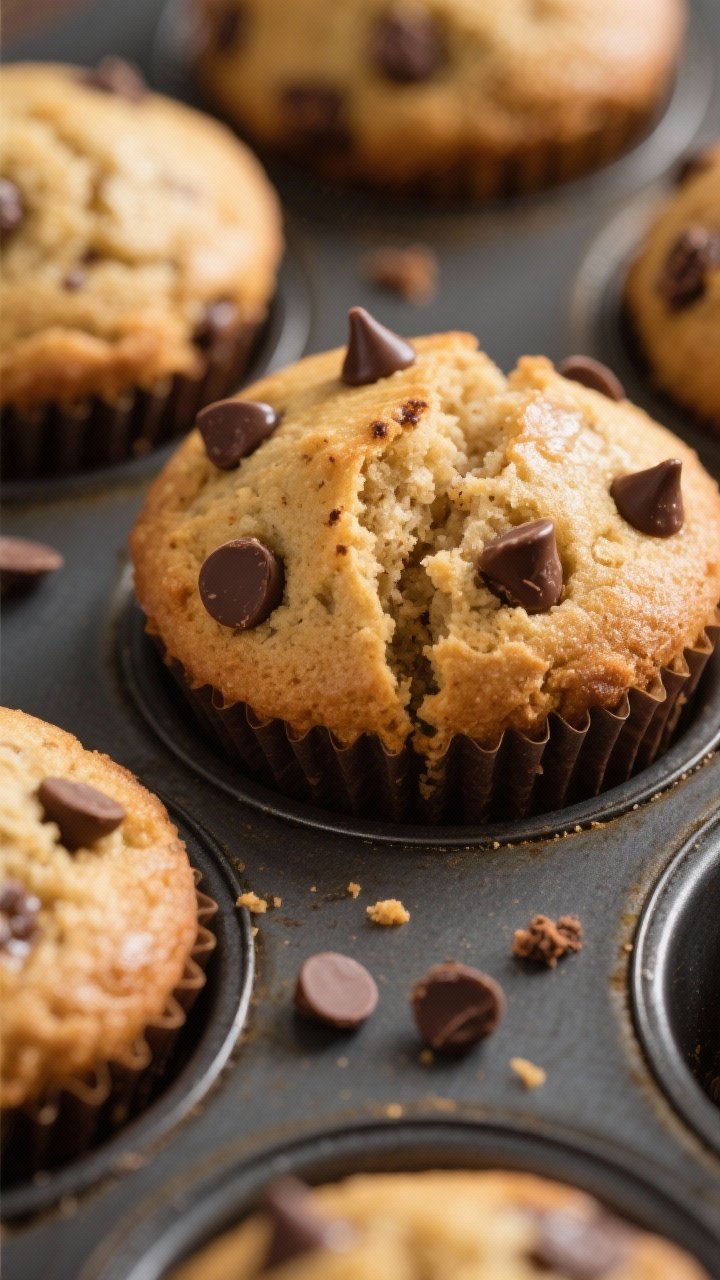
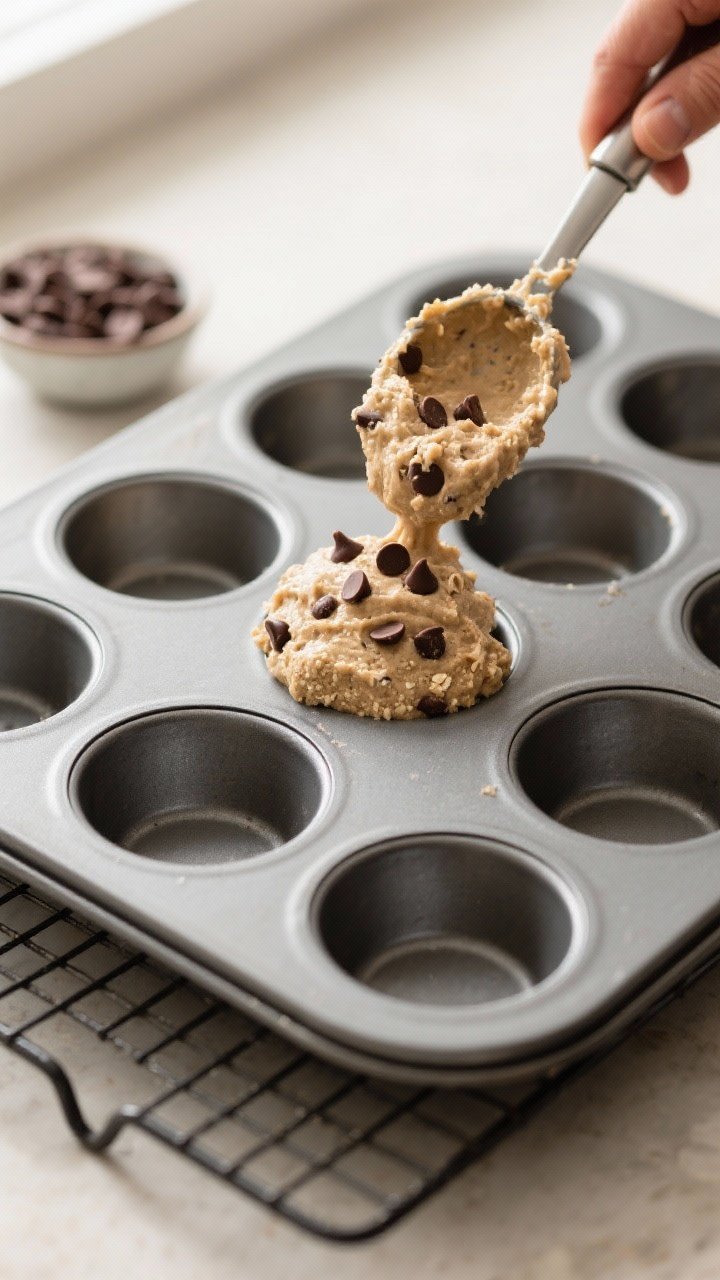
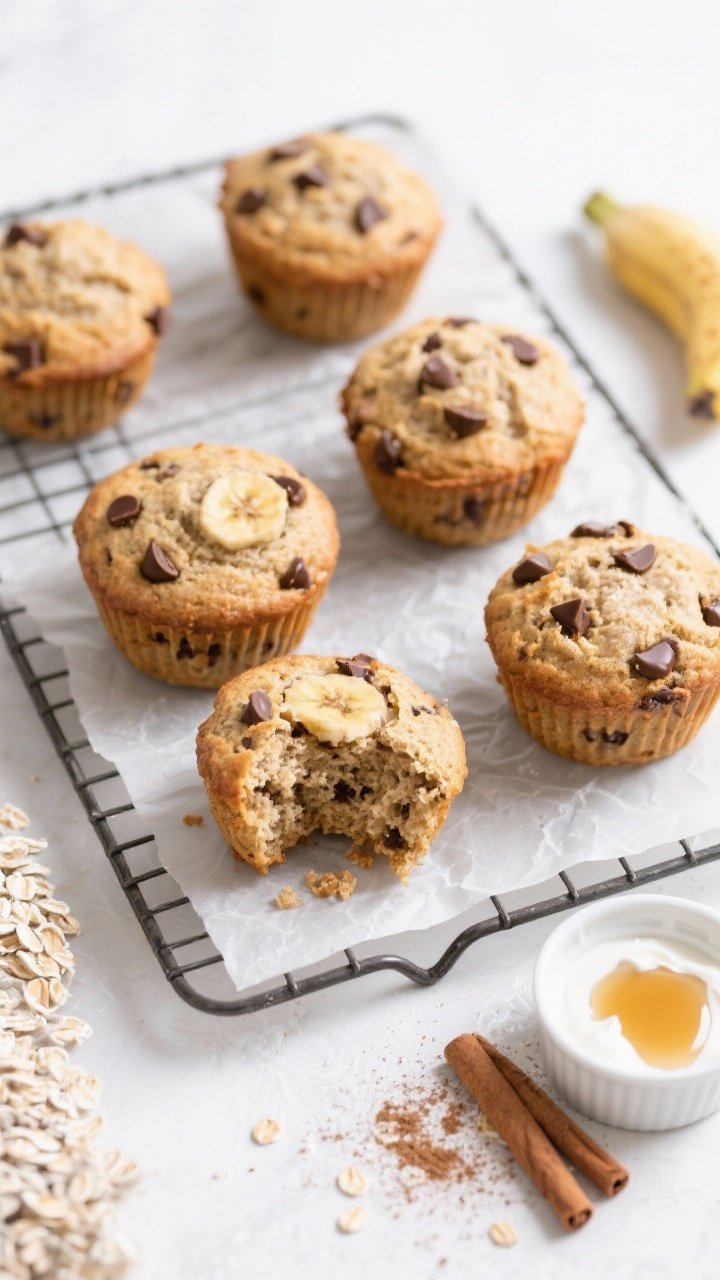
The Banana Chocolate Chip Protein Muffins from Power Up Your Kids are a textbook example of smart snacking. The recipe uses ripe bananas for natural sweetness, oats or flour for complex carbs, and a scoop of protein powder so each muffin does more than just take the edge off hunger. You get a snack that feels like a treat but hits the protein box, which many kid snacks miss.
Because they are baked in a standard muffin tin, portion control is automatic. One muffin is a good portion for younger kids, and older kids or athletes may have two alongside fruit or milk. The muffins bake in under 25 minutes and keep well for several days, making them ideal for school snacks or grab and go breakfasts.
How To Serve And Store For All Week Energy
For everyday smart snacking, serve these muffins with a simple side to balance things out. Some ideas include:
- One muffin plus sliced strawberries
- One muffin plus a few baby carrots and hummus
- Two mini muffins plus a glass of milk
The recipe is designed to be baked ahead and stored. Cool completely, then keep in an airtight container on the counter for a day or two, or move them to the fridge or freezer for longer storage. This makes it easy to build a habit of grabbing a protein-rich snack instead of a sugary one when kids come home tired and hungry.
Did You Know?
75% of people say snacks help boost their energy.
Source: FoodNavigator coverage of Mondelēz State of Snacking
4. Peanut Butter Chocolate Chip Baked Oatmeal Bars For Busy Days
Why These Bars Work As Kid-Friendly Energy Snacks
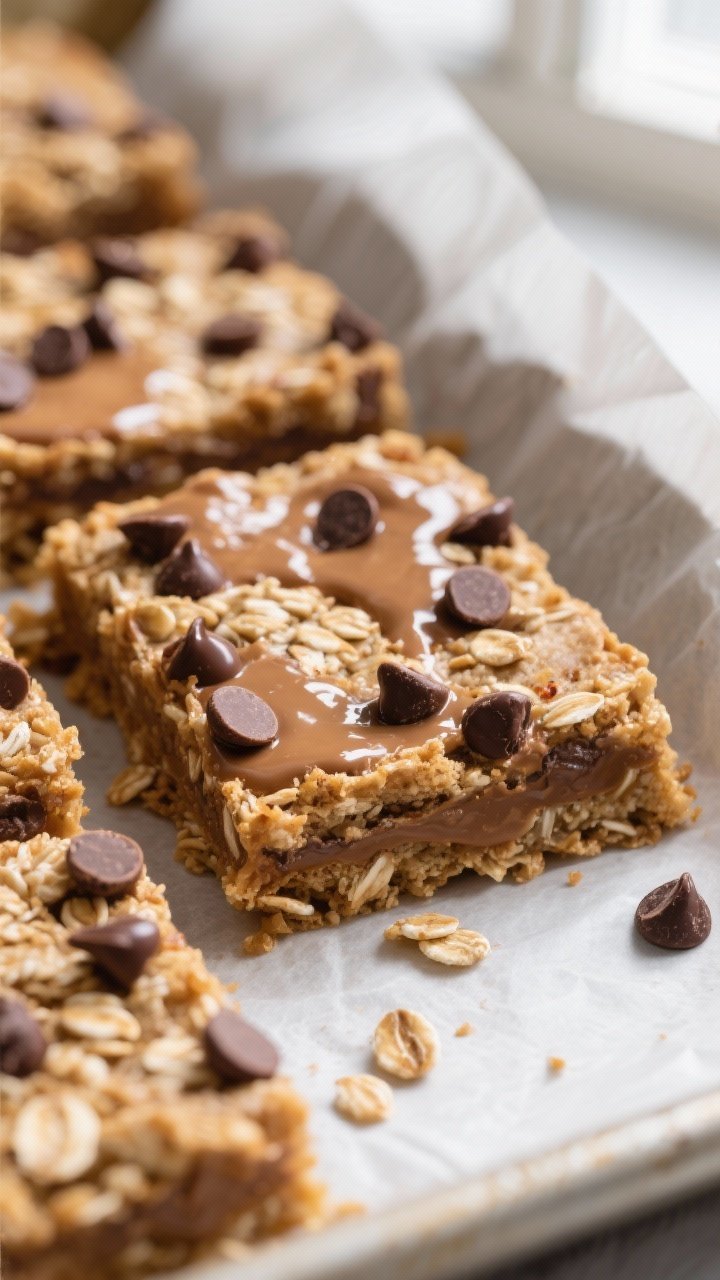
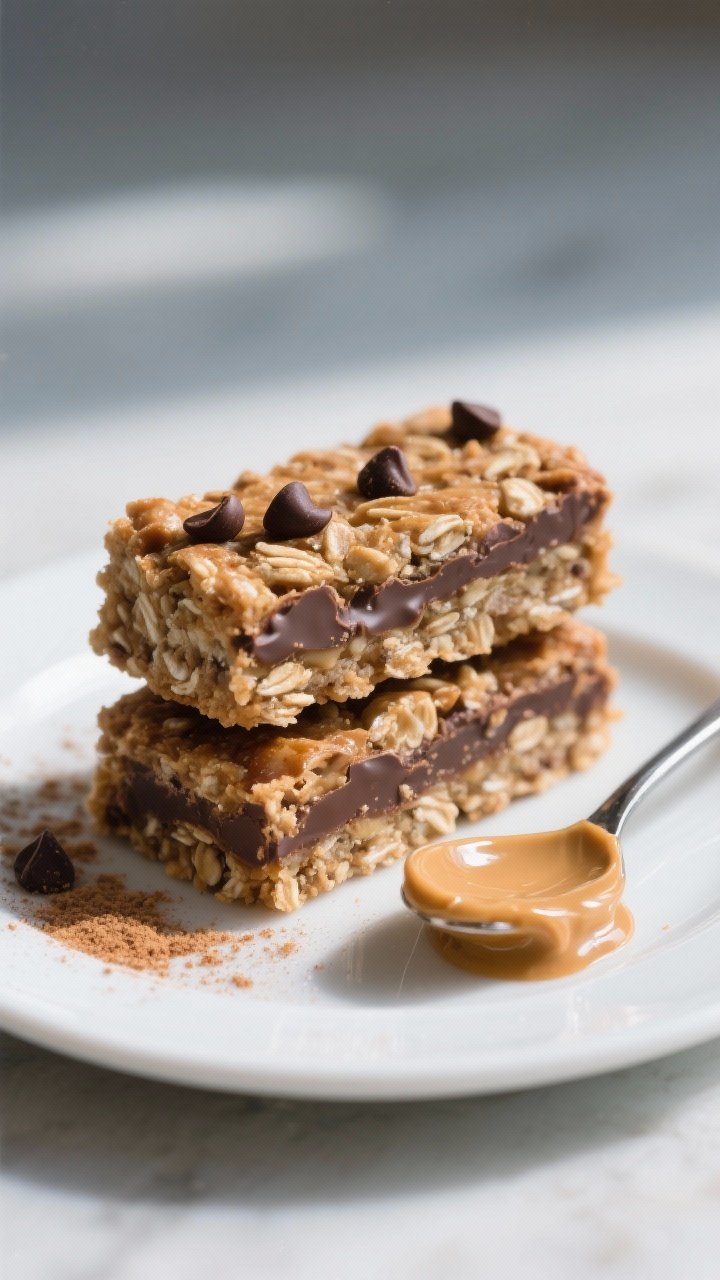
The Baked Oatmeal Bars – Peanut Butter & Chocolate Chip recipe hits that sweet spot between cookie and breakfast. Oats provide whole grain fiber, peanut butter brings protein and healthy fats, and chocolate chips keep kids interested. The texture is soft and chewy, so they are easy for younger kids to eat.
Unlike many granola bars that are heavy on sugar and light on protein, this style of baked oatmeal bar leans on pantry staples you recognize. For smart snacking, one square is usually enough for a midmorning or after school snack, especially if you add a side of fruit or veggies.

Portion Size And Packing Tips
Because these bars are quite hearty, you can easily cut them smaller for younger kids. Slice the pan into 16 pieces instead of 9 if you want “mini bars” for preschoolers. For older kids with long sports practices, pair a larger bar with cut fruit or yogurt for extra staying power.
For school or daycare, wrap bars individually or place them in small reusable containers with a fork if your child prefers to eat them like cake. They taste good warm or cold, which makes them flexible for lunch boxes, snack bins, and road trips.
5. Apple Cinnamon Oatmeal Bars: Lower Sugar Comfort Snack
Warm Flavors, Smarter Sweetness
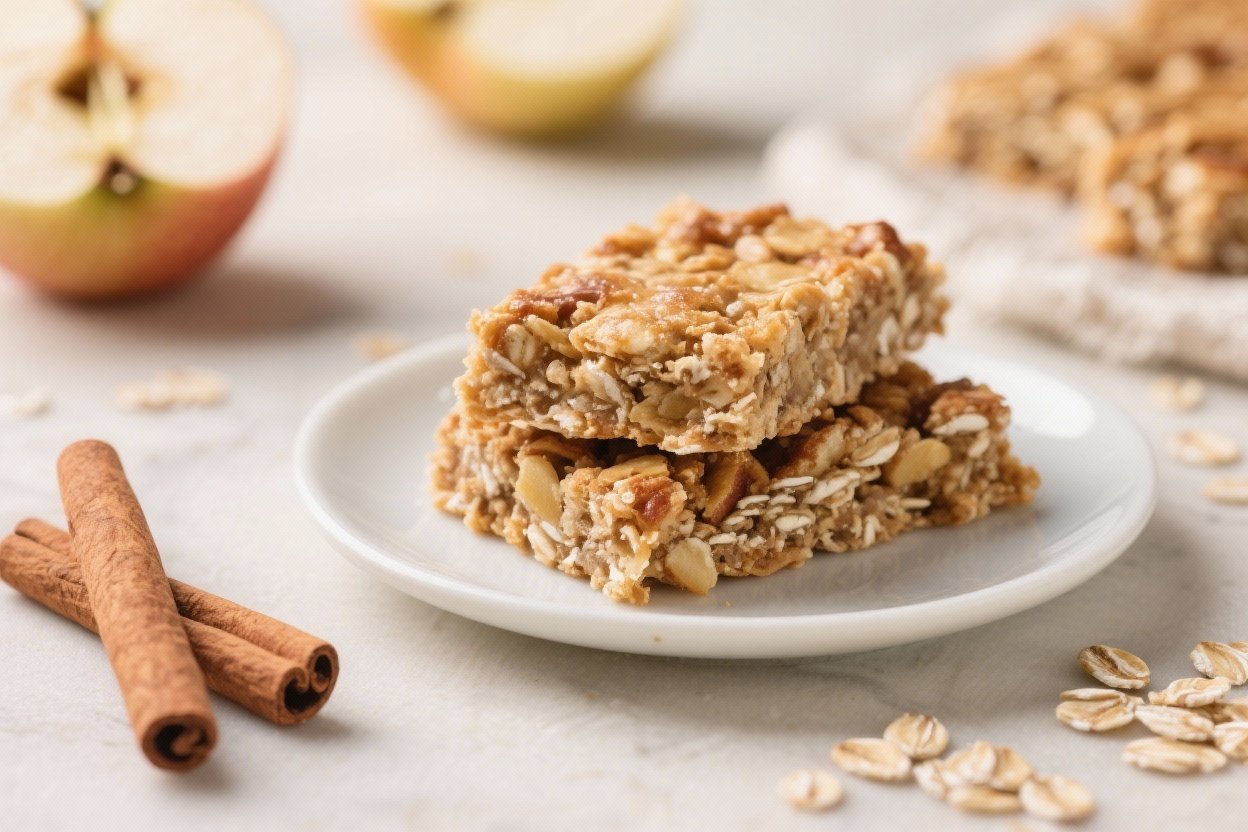
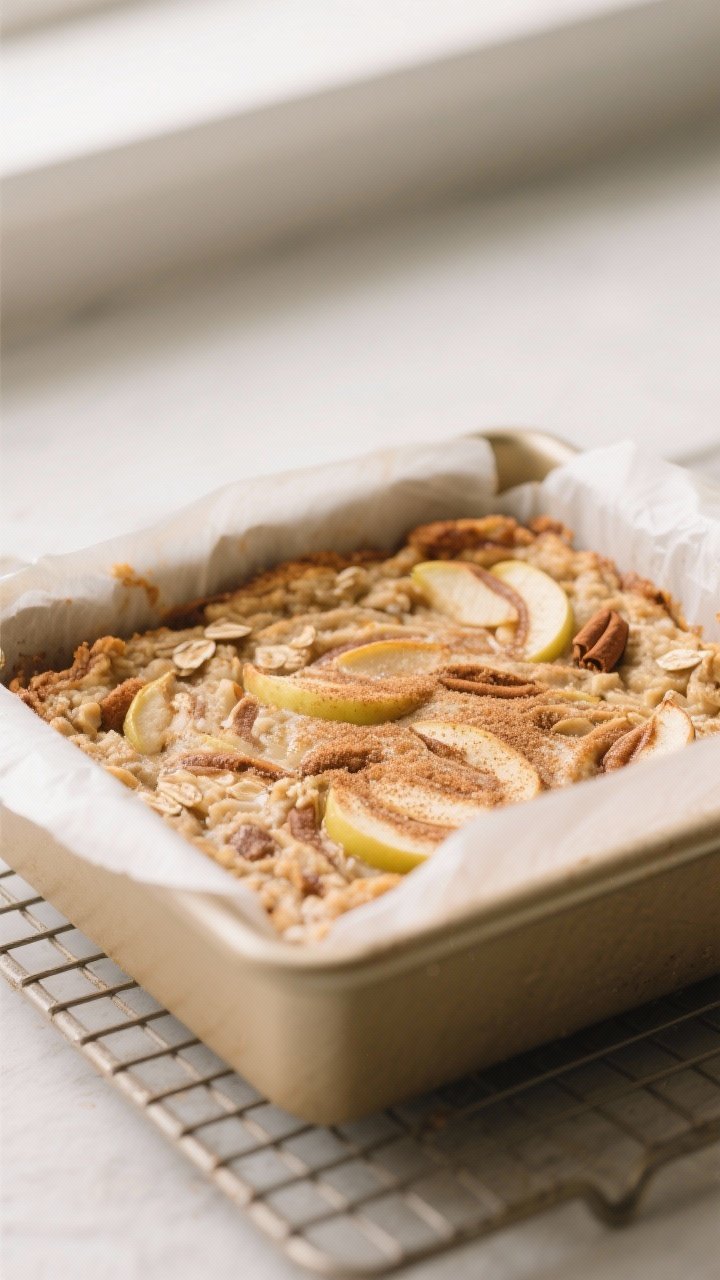
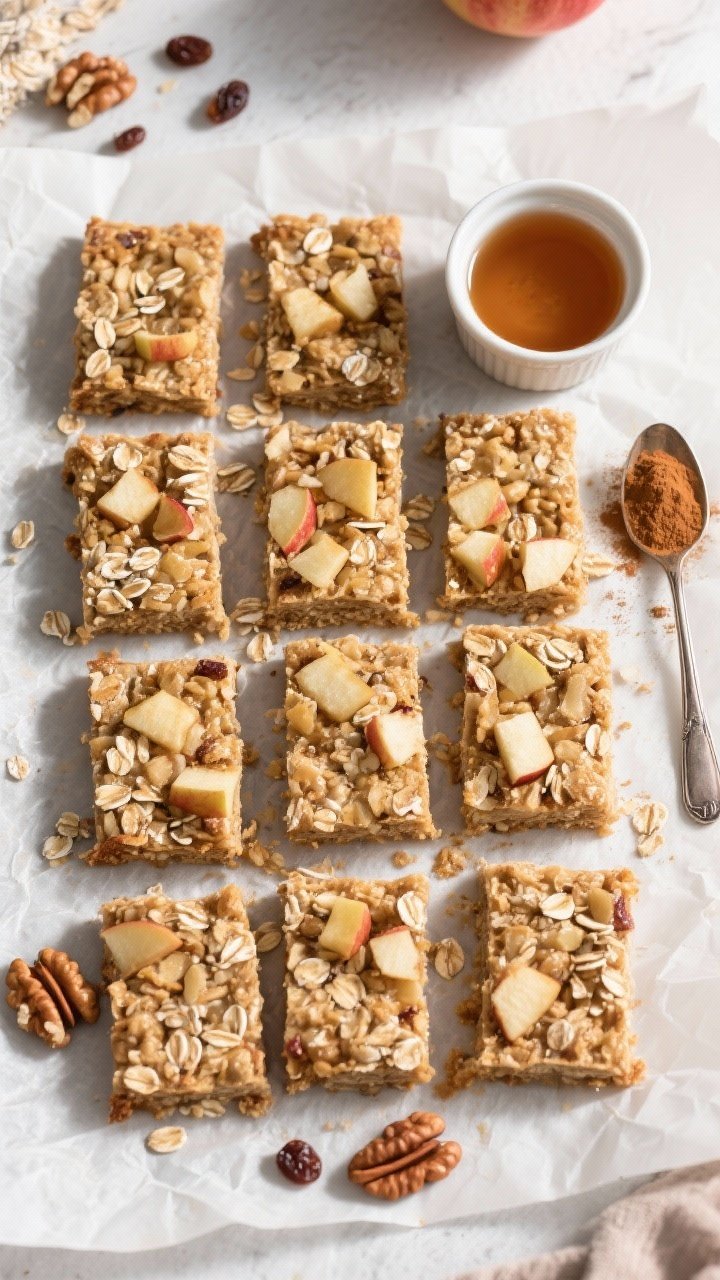
The Apple Cinnamon Baked Oatmeal Bars are a great example of using fruit and spice to keep sugar in check. Tiny apple pieces and cinnamon give that “cozy dessert” feeling without relying on heavy frosting or large amounts of added sugar. The bars are soft and moist, perfect for breakfast or a midafternoon snack.
From a smart snacking point of view, this recipe is helpful if you are trying to move kids away from sugary breakfast pastries. You still get that bakery-style vibe, but built on oats and fruit instead of refined flour and icing.
Smart Pairings And Make-Ahead Strategy
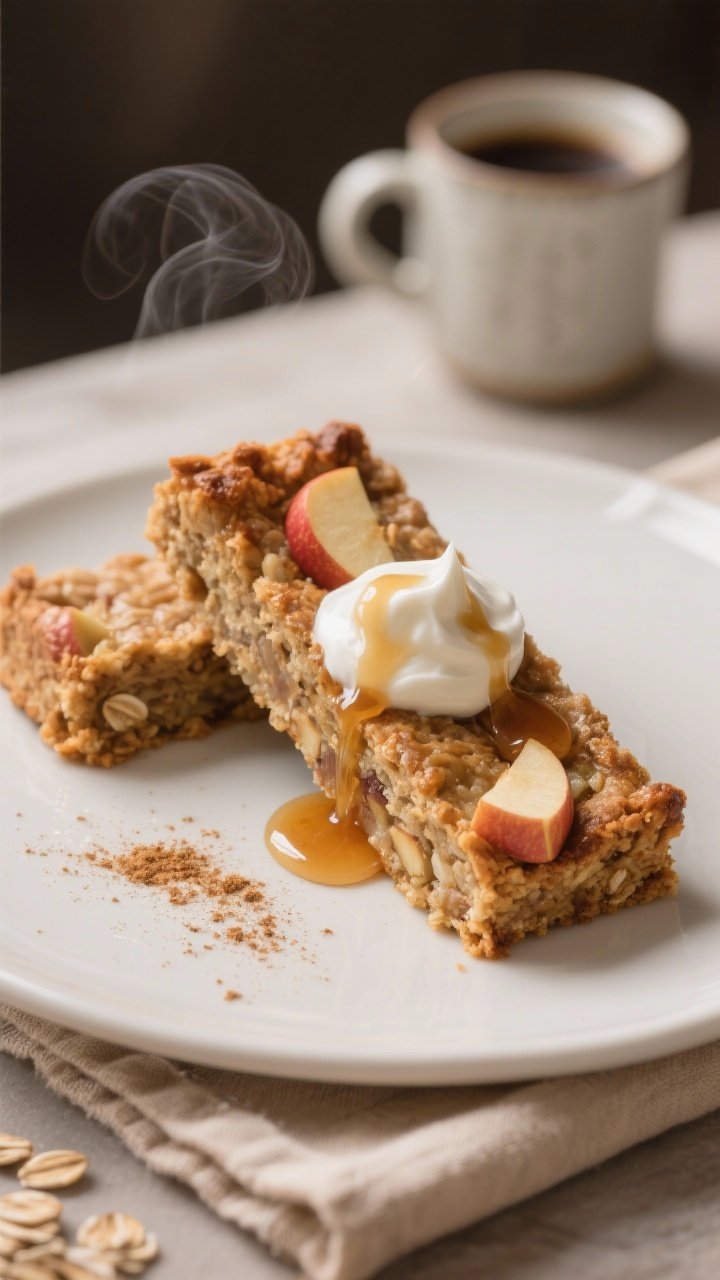
Serve these bars with a side that adds protein, such as:
- A small cup of milk or fortified plant milk
- A spoonful of peanut butter or almond butter on top
- Greek yogurt for dipping or spooning over warm bars
For families, bake once and snack often. The recipe is designed to be stored in the fridge for several days, so one pan can cover multiple school mornings and snack breaks. You can also cut and freeze individual portions for an easy “heat and eat” smart snack on busy weeks.
6. Smart Snack Pizzas: Pesto English Muffin Minis
Turning Pizza Cravings Into Balanced Snacks
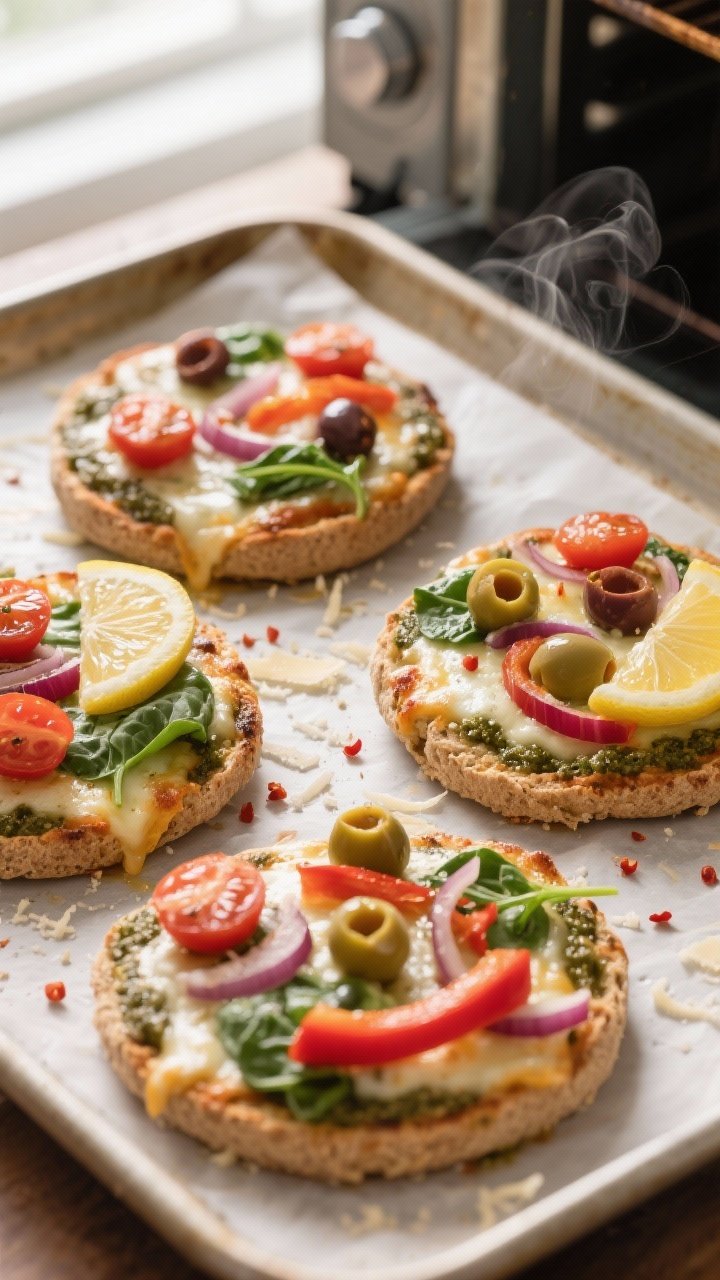
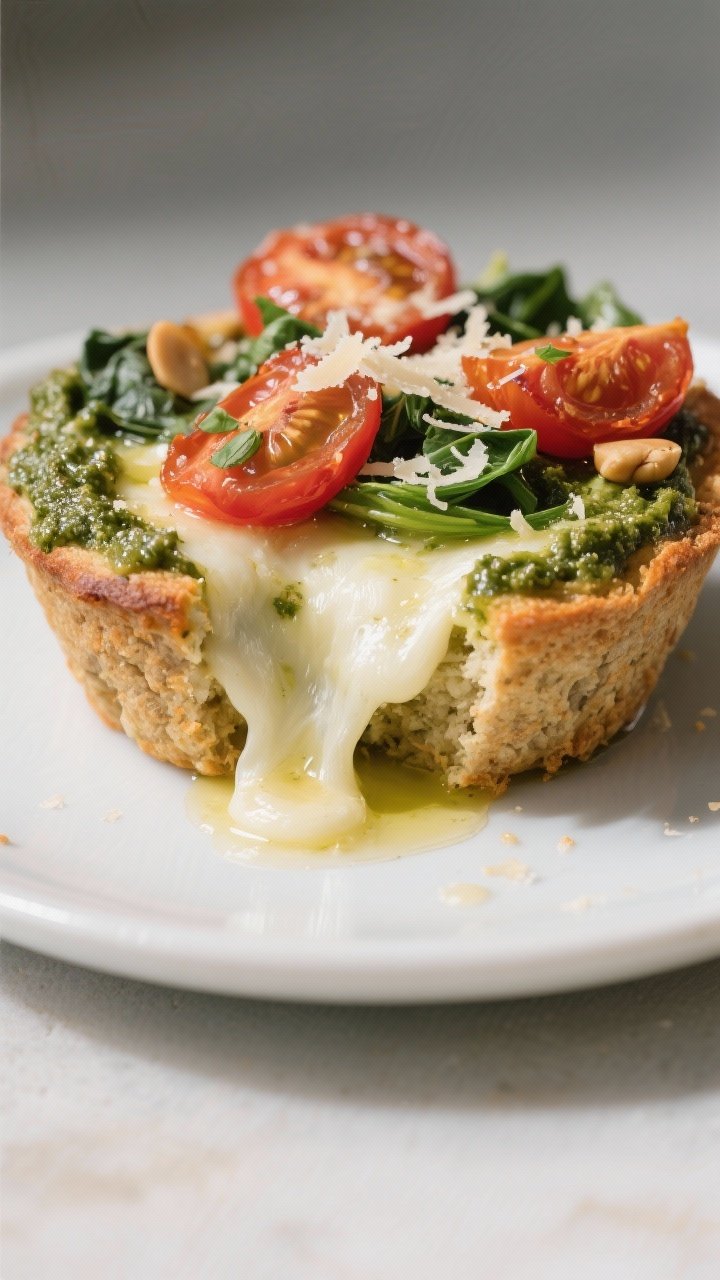
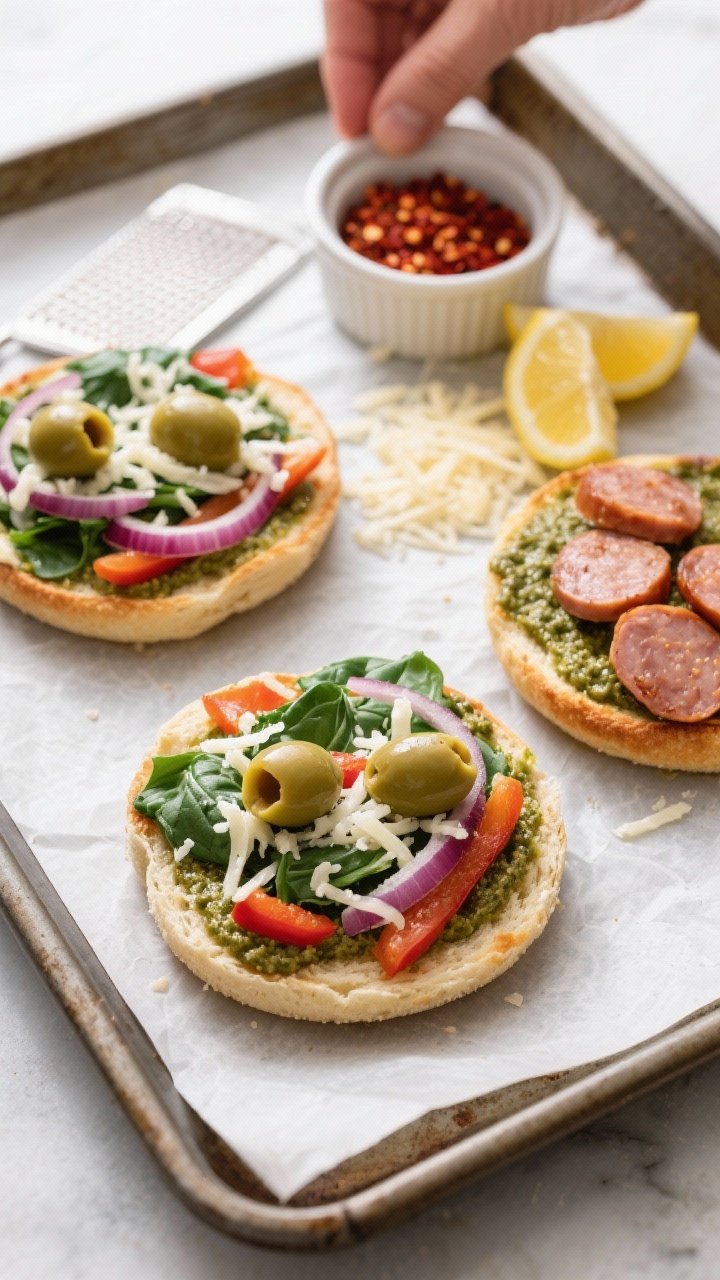
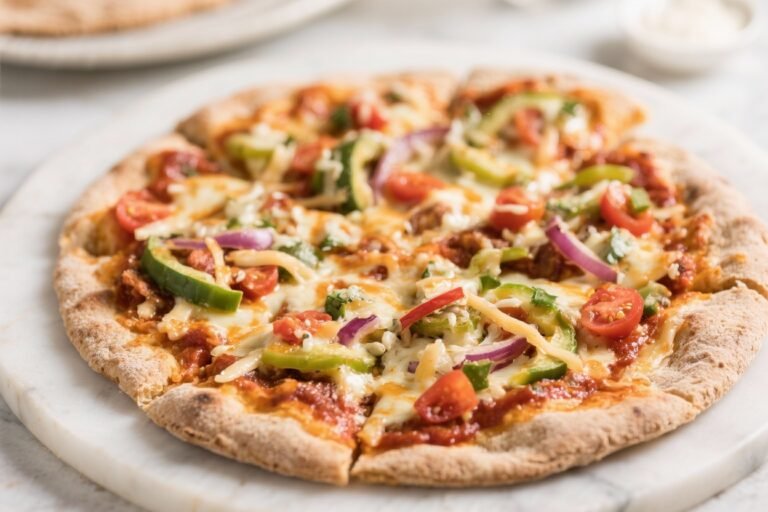
Smart snacking does not mean saying no to pizza; it means building it in a way that actually nourishes your kids. The Quick Pesto Pizza recipe uses whole-wheat English muffins, pesto, veggies, and cheese to create mini pizzas with more fiber, more iron, and a hit of vitamin C when you add vegetables like peppers or tomatoes.
Because they are built on English muffins, each pizza half is a clear portion. One is usually enough for a younger child’s snack, while older or more active kids might enjoy two halves as a mini meal. These pizzas come together in under 15 minutes, which makes them realistic for after school or weekend snack breaks.
Smart Topping Ideas And Storage
For iron plus vitamin C, combine pesto (often made with leafy greens) and toppings like cherry tomatoes, bell peppers, or a small handful of baby spinach under the cheese. Kids still get a cheesy, gooey snack, but with more micronutrients and fiber than a frozen pizza bite.
You can toast the muffin halves and assemble ahead, then refrigerate the tray and bake right before serving. Leftovers reheat well in a toaster oven, making them easy to repurpose as a next day snack or quick lunch.
Did You Know?
96% of people say they engage in mindful snacking, paying attention to what and how they snack.
Source: Mondelēz International State of Snacking report
7. Mini Spinach And Cheese Pizza Rolls: Smart Snacking Party Food
Like Pizza Rolls, But Built For Real Hunger
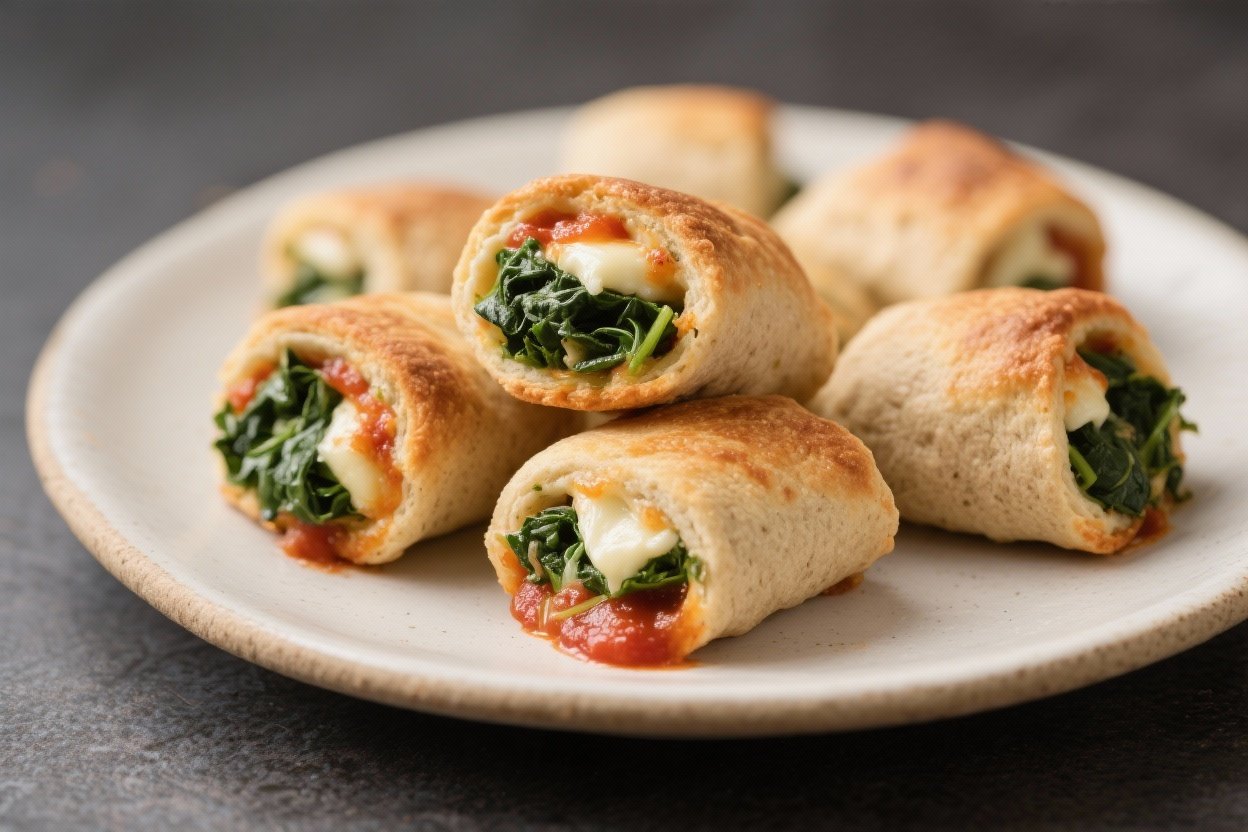
The Mini Spinach and Cheese Pizza Rolls are designed to beat freezer pizza rolls on taste and nutrition. Whole wheat dough, spinach, mozzarella, and marinara come together in bite sized rolls that deliver both fun and staying power. They bake up with a crisp exterior and melty center.
These are especially useful when you need a snack that feels like party food but still lines up with smart snacking goals. Because each roll is small, you can easily control how many go on a plate: three or four for a snack with veggies on the side, or more if you are serving them as a meal.


Meal Prep, Freezing, And Serving Ideas
The recipe is built for meal prep. You can assemble the roll, slice into rounds, and freeze them on a baking sheet before transferring to a bag or container. From there, bake straight from frozen for an easy smart snack that is ready when kids are suddenly starving.
Serve pizza rolls with:
- Extra marinara for dipping
- Carrot sticks, cucumber rounds, or snap peas
- A small side of fruit for sweetness without more sugar added to the snack itself

8. Egg Salad Breakfast Boats: Protein-Packed Morning Snack
Smart Snacking For Early Starts
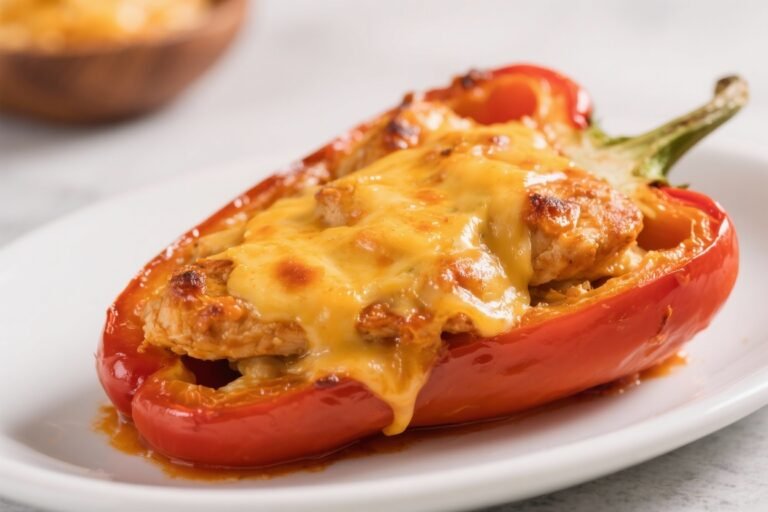
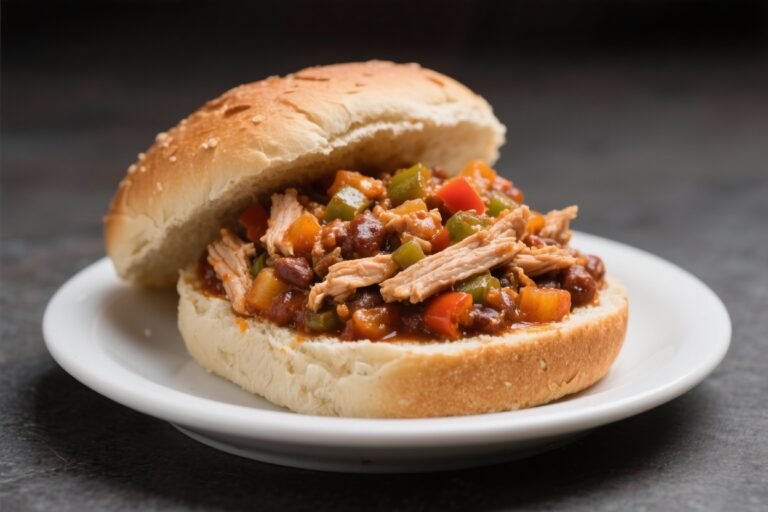
Not every snack happens after school. Many families need a small, protein-rich bite in the morning before kids head out the door. The Egg Salad Breakfast Boats (Hollowed Toast) idea builds on toast that is hollowed out and filled with creamy egg salad and crunchy toppings.
This approach turns a slice of bread into a more satisfying snack by adding protein and fat from the eggs. For kids who wake up without a big appetite, one “boat” can function as a smart mini meal that holds them until a later breakfast or snack at school.
Portion Ideas And Variations
Use whole grain bread where possible to bump up fiber. For younger kids, cut each boat into “fingers” so they can hold and dip into extra toppings like sliced cucumber or cherry tomatoes. For older kids, serve one or two boats depending on hunger and timing.
To keep the snack interesting, you can mix in finely chopped pickles, celery, or herbs into the egg salad. This adds crunch and flavor without added sugar, supporting the idea that smart snacking can still be fun and sensory-rich.
9. Sweet Snack Swaps: Smart Desserts That Still Feel Special
Better Brownies, Bars, And Bite-Size Treats
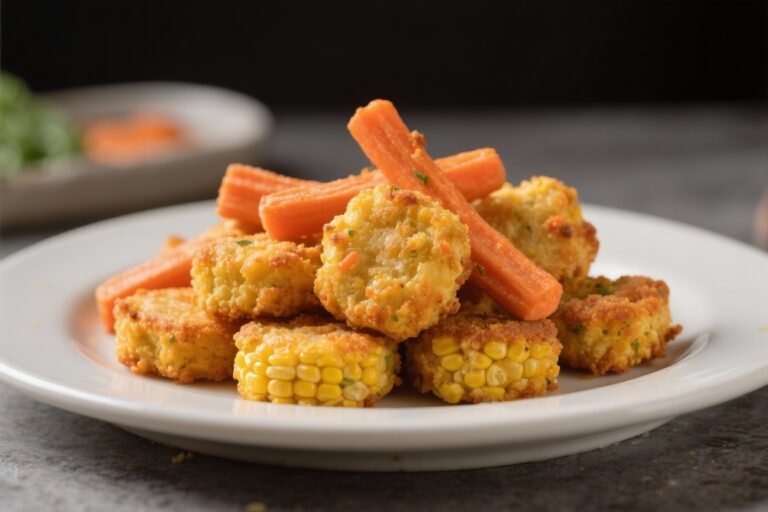
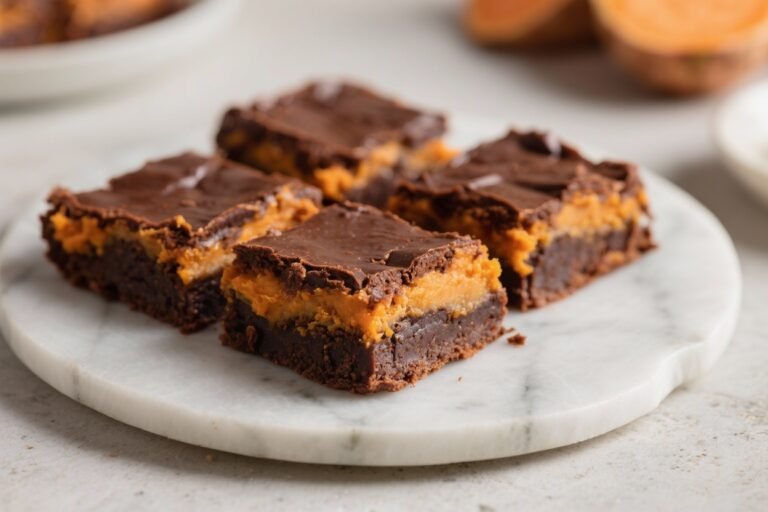
Smart snacking for kids includes dessert-style snacks that work harder nutritionally. Power Up Your Kids leans on ideas like sweet potato brownies and veggie packed “corn dog” bites that mimic classic treats with more fiber and micronutrients. These recipes typically reduce added sugar by using pureed vegetables or fruit for moisture and sweetness.
Snacks like these can be powerful allies if your child expects something sweet after school. Instead of a candy bar, you can offer a brownie built from whole ingredients or a cornbread-style bite wrapped around a plant-based dog or even carrot sticks.
Balancing Treats With The Rest Of The Day
When offering treat style smart snacks, think about the rest of the day. If breakfast and lunch were light on vegetables, pair a sweet potato brownie with sliced fruit and a glass of milk. If lunch already included dessert, lean on snack ideas like pizza rolls or egg salad boats that emphasize protein and savory flavors.
This flexible mindset keeps snacks enjoyable while still aligning with your overall goals for sugar, variety, and balanced energy.
10. Building A Weekly Smart Snacking Plan For Kids
Planning Around Real Life Routines
Most families do best when they treat smart snacking as something to plan once, then repeat with small tweaks. Start by identifying your main snack moments: midmorning, after school, and possibly evening if dinners are early. Then choose one or two make ahead recipes for the week, like protein muffins or one of the baked oatmeal bars.
Layer in quick snacks that require almost no prep, such as cheese sticks, cut fruit, or veggies with dip. The homemade options cover the “fun” and “filling” roles, while the simple items give you flexibility when time is tight or kids are extra hungry.
Sample Smart Snacking Schedule
| Day | After School Snack | Notes |
|---|---|---|
| Monday | Banana Chocolate Chip Protein Muffin + apple slices | Good start-of-week energy boost. |
| Tuesday | Peanut Butter Chocolate Chip Oatmeal Bar + carrot sticks | Balances sweet with crunch and fiber. |
| Wednesday | Pesto English Muffin Snack Pizza half + orange slices | Vitamin C supports iron from pesto and greens. |
| Thursday | Mini Spinach & Cheese Pizza Rolls + cucumber rounds | Smart “party food” midweek. |
| Friday | Apple Cinnamon Oatmeal Bar + yogurt | Comfort snack heading into the weekend. |
Conclusion
Smart snacking for kids is not about perfection. It is about shifting most snacks toward options that offer protein, fiber, and real staying power, while still keeping flavors familiar and fun. Recipes like protein muffins, baked oatmeal bars, mini snack pizzas, and veggie packed pizza rolls give you building blocks you can use week after week.
When you pay attention to sugar, portion size, and variety, snacks stop being random filler and start working for your kids’ energy, focus, and mood. Choose one recipe to try this week, pair it with simple sides, and notice how much smoother your snack times can feel when they are smart by design.