Kid Snack Timeline: An Hour‑By‑Hour Guide To Keep Kids Full, Happy, And Crash‑Free All Day
December 20, 2025 · 11 min read

Snacks now provide about 25 percent of children’s total daily energy, which means the way you spread them through the day can make or break your child’s focus, mood, and sleep. A thoughtful kid snack timeline helps you decide when to offer fuel and what to put on the plate so kids stay satisfied without constant grazing or sugar crashes. This guide walks through a practical all‑day timetable and plugs in real snack ideas, recipes, and hydration options that work in real homes and lunchboxes.
Key Takeaways
| Question Parents Ask | Short Answer & Helpful Links |
|---|---|
| How many snack times should kids have in a day? | Most kids do best with 2–3 planned snack windows (mid‑morning, after‑school, sometimes evening) between balanced meals. Use guides like back‑to‑school snack bundles to pre‑plan options. |
| What is a “kid snack timeline” exactly? | It is a simple schedule that maps when your child eats snacks, from breakfast‑adjacent bites to after‑school fuel. For sugar‑savvy choices across the whole day, see sugar smart snacks that actually taste good. |
| How can I reduce sugar in my child’s snack timeline? | Anchor every snack with protein, healthy fats, and fiber. Swap candy‑style sweets for make‑ahead options like smart snacking recipes that still feel like treats. |
| What should a high‑energy after‑school snack look like? | Pair slow carbs with protein, such as granola bars with yogurt, fruit leather with nuts, or hummus with whole‑grain sides. Get 10 kid‑tested combos in after‑school energy snack combinations. |
| How can I build balanced lunchbox snack bundles? | Use a simple formula: protein anchor + produce + crunchy carb + optional fun extra. Detailed examples are in snack bundles that keep kids fueled. |
| Can breakfast foods count as part of the snack timeline? | Yes. High‑protein pancakes and French toast slices can be frozen and used as morning or after‑school snacks. Try options like Greek yogurt protein pancakes as grab‑and‑go bites. |
1. Why A Kid Snack Timeline Matters More Than You Think
Snacking is nearly universal in childhood: 93 percent of U.S. children and teens have at least one snack on any given day. Instead of fighting that reality, a snack timeline lets you use those regular snack windows to support steady energy, fewer tantrums, and calmer bedtimes. It replaces all‑day grazing with predictable, balanced snack breaks.
A timeline also helps you coordinate with school schedules, after‑school activities, and family routines. You can plan when kids will truly be hungry, what kind of fuel they need at that hour, and which snacks can safely travel in lunchboxes or backpacks. That structure makes it easier to offer fun foods without letting sugar and random bites take over the day.
Core Principles For A Healthy Snack Timeline
- Plan 2–3 snack windows depending on age and schedule.
- Aim for 2–4 hours between eating occasions when possible.
- Pair carbs with protein or fat at every snack to curb crashes.
- Serve water or low‑sugar drinks with most snacks.

2. Morning Foundations: Breakfast And The First Snack Window
Your kid snack timeline starts with breakfast and the first “mini‑meal” window of the day. For many kids, especially toddlers and preschoolers, the morning is when they naturally take in more snack energy, so it is a smart time to prioritize protein and fiber. That early balance steadies blood sugar and delays the mid‑morning crash.
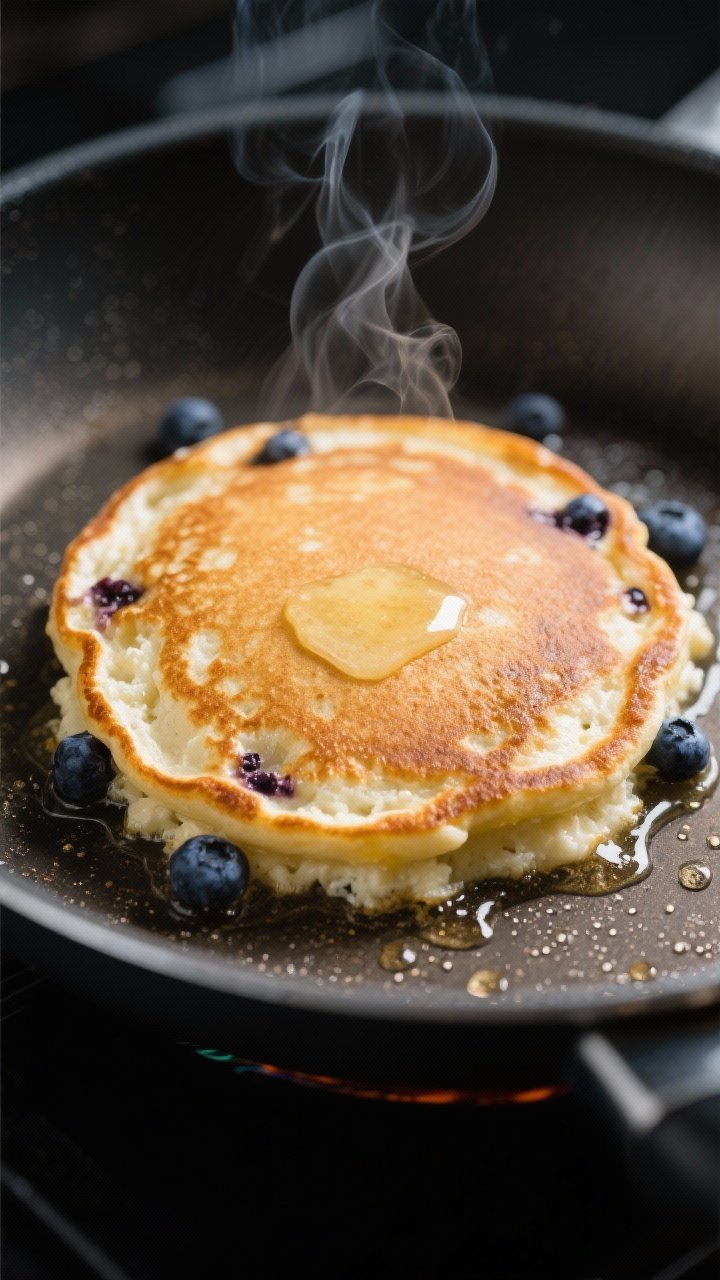
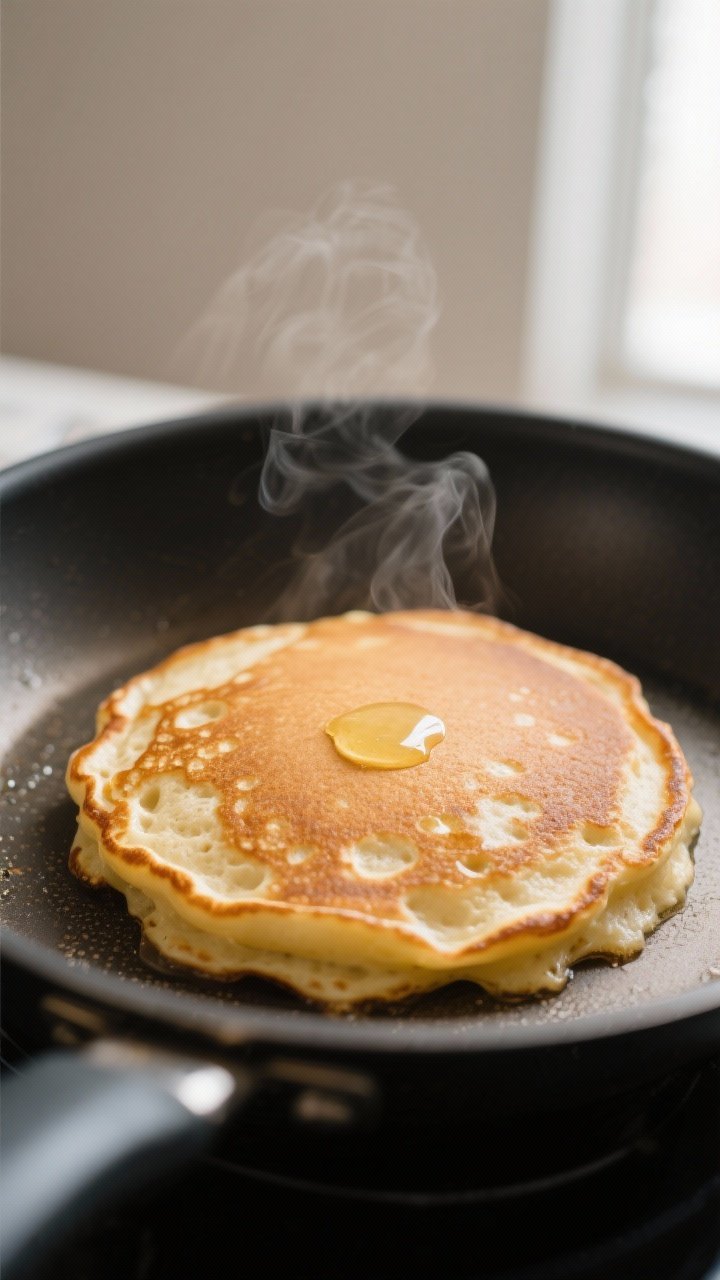
Breakfast foods that double as snacks make mornings smoother. Think protein‑rich pancakes, French toast slices, or baked oat bars that you can offer at the table, send in a snack box, or re‑serve as a second breakfast after an early wake‑up. Recipes like cottage‑cheese or Greek‑yogurt pancakes slide easily into this part of the timeline.
Cottage Cheese And Greek Yogurt Pancakes As Snackable Building Blocks
- Cottage Cheese Protein Pancakes (about 12 g protein per serving) are ideal for toddlers who need frequent bites; freeze mini pancakes and send them in a small container.
- Greek Yogurt Protein Pancakes (about 10 g protein per serving) offer similar benefits and reheat well as a 10 a.m. snack with fruit.
- Peanut Butter Banana Protein Pancakes add healthy fats and natural sweetness, which helps kids feel like they are getting a treat.
3. Mid‑Morning Snack: Light Fuel Between Breakfast And Lunch
A mid‑morning snack typically lands about 2–3 hours after breakfast. It should be lighter than a meal but still bring enough protein or fat to carry kids to lunchtime without constant “I am hungry” complaints. For toddlers and preschoolers, this might be a regular part of the timeline; for older kids, it may be occasional or tied to sports days.
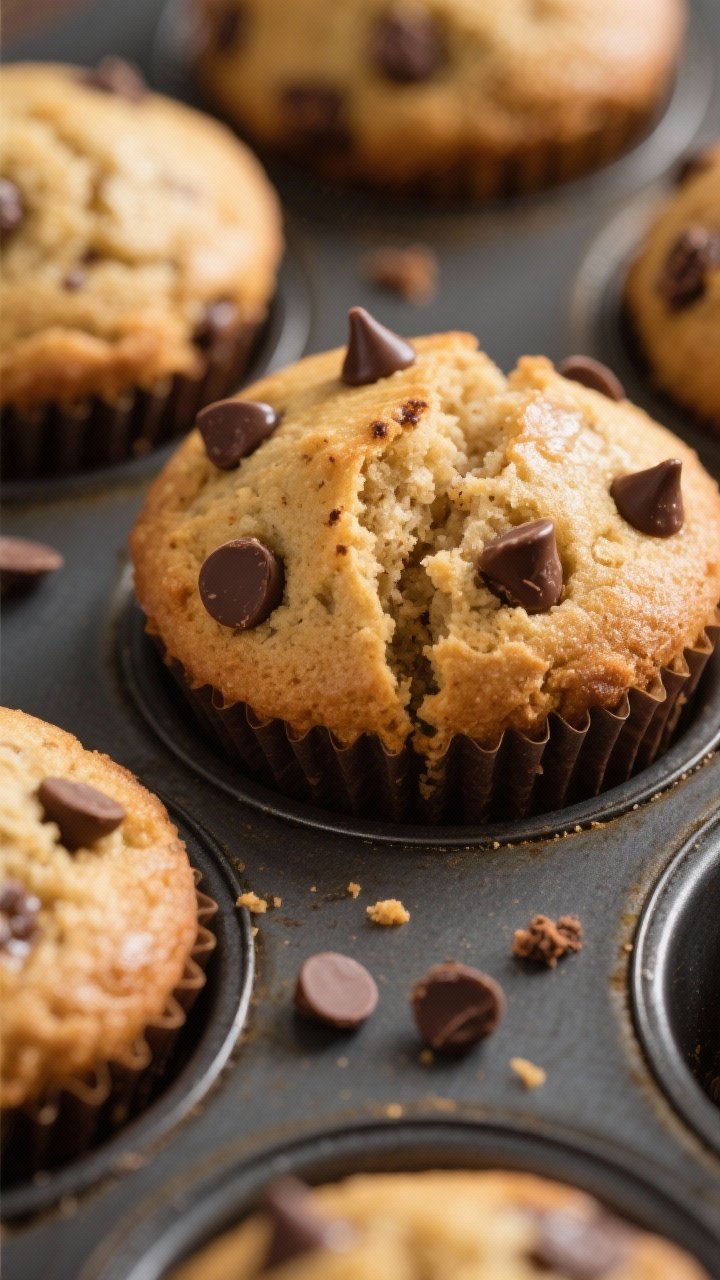
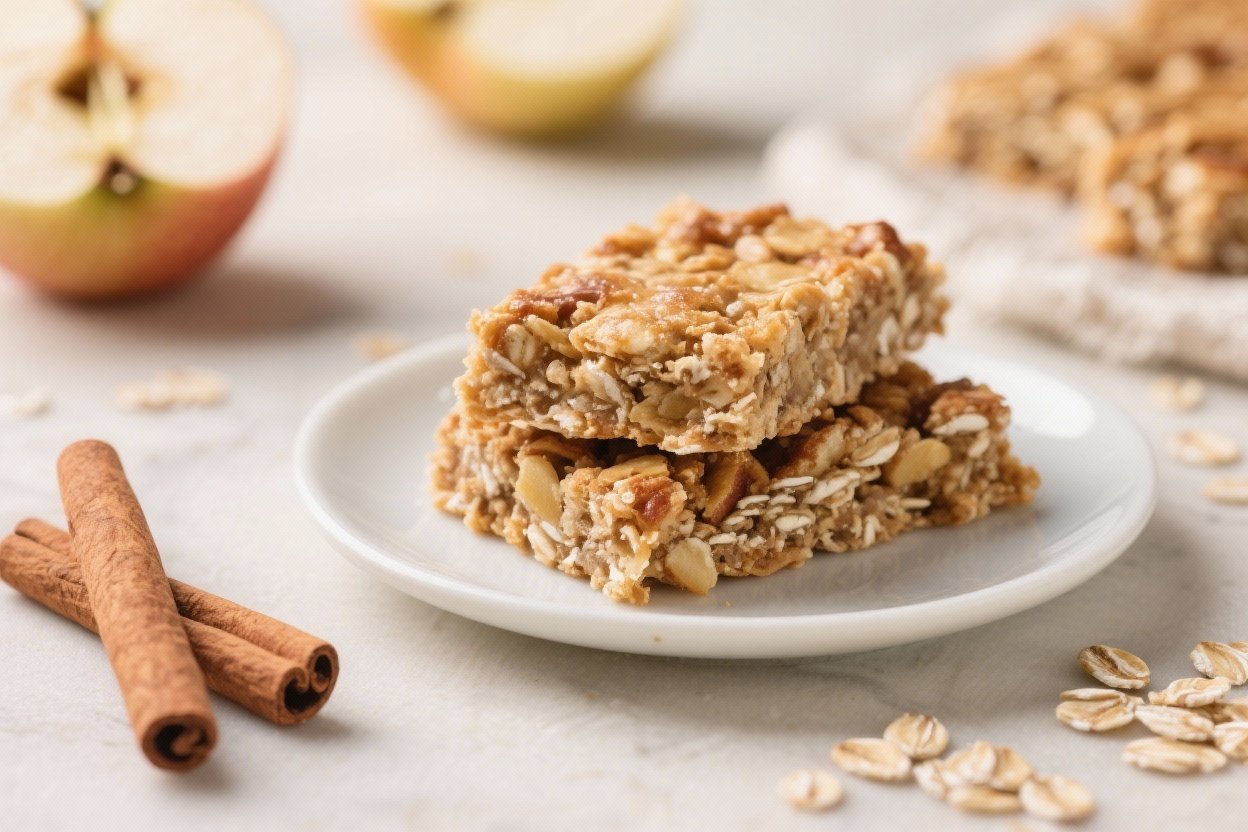
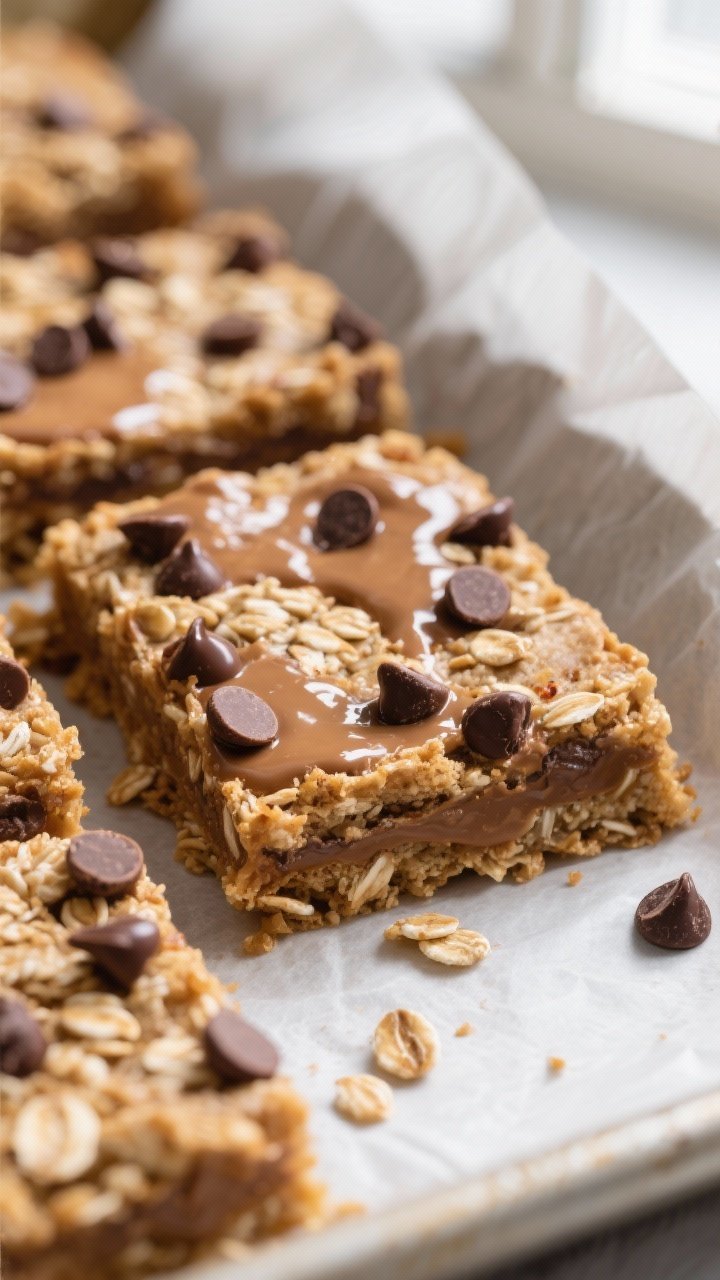
Baked snacks from smart‑snacking recipes fit beautifully here. Banana chocolate chip protein muffins, peanut‑butter‑oat bars, and apple‑cinnamon oat bars feel like bakery treats but deliver more sustained energy than a plain cookie or sugary cereal bar. They pack well in small containers or reusable pouches.
Smart Snacking Ideas For Mid‑Morning
- Mini protein muffins plus sliced fruit.
- Oatmeal bars paired with milk or a yogurt tube.
- Half a pancake spread with nut or seed butter.
4. Lunch And School Snack Bundles: Midday Anchors In The Timeline
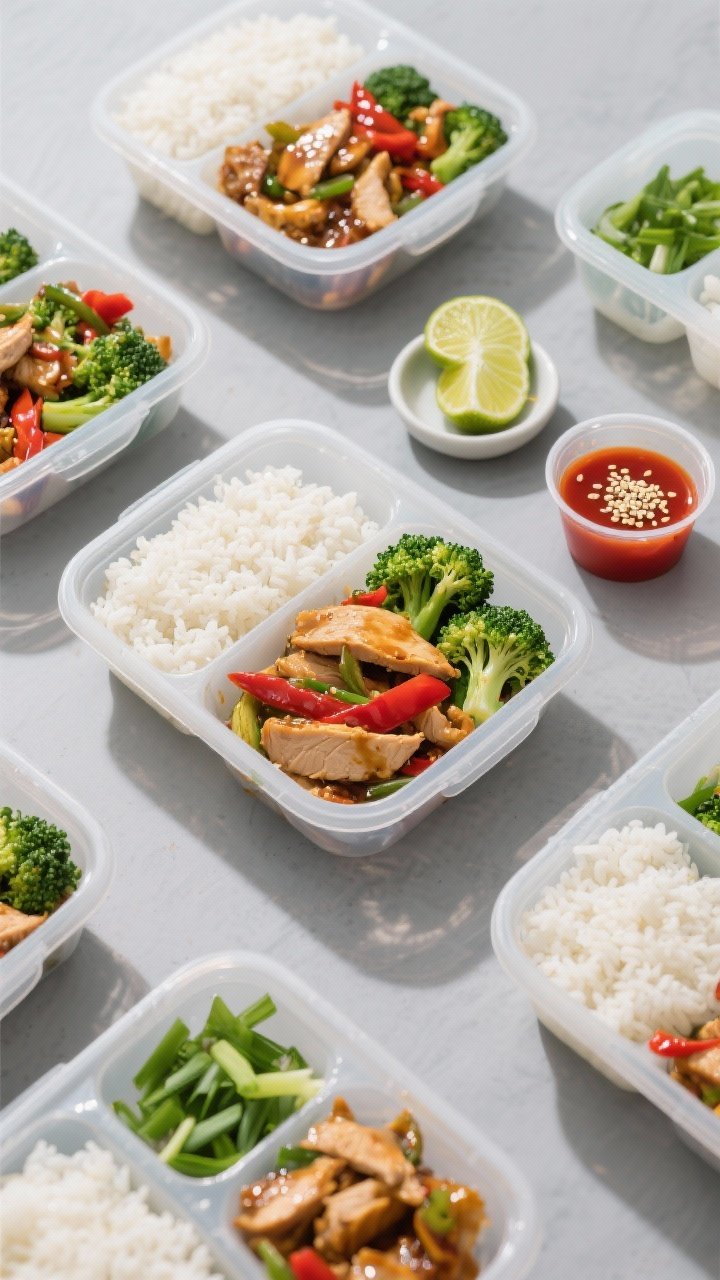
Lunch is the central anchor of your child’s food day, but many school schedules also allow a designated “snack time.” Building snack bundles that sit alongside or inside lunch helps kids hit energy needs without overloading on sugar. Because about 75 percent of kids’ snacking energy comes from grocery‑store foods, planning these bundles at home is one of your biggest levers.
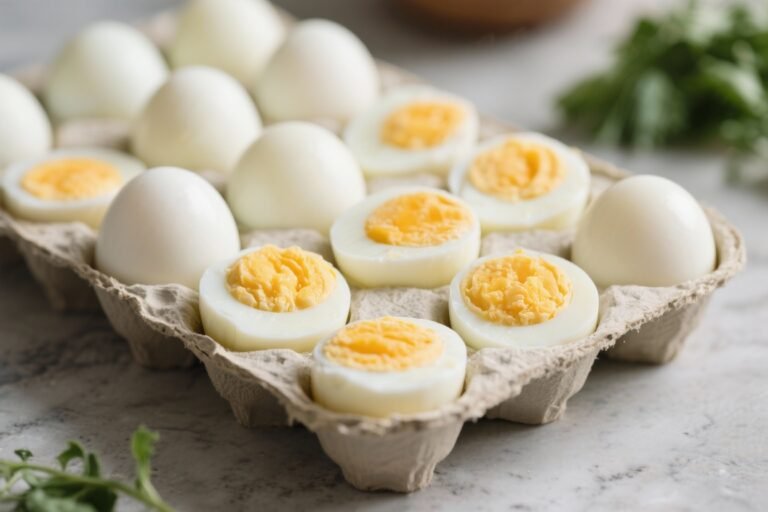
Snack bundles usually include 2–4 small items: a protein anchor, a fruit or veggie, a crunchy carb, and sometimes a fun extra. Think hard‑boiled eggs with berries and whole‑grain crackers or salmon bites with carrot sticks and sliced apples. When each bundle is balanced, you can slot it into different parts of the kid snack timeline without re‑thinking nutrition every time.
Examples Of School‑Day Snack Bundles
| Bundle Type | Components |
|---|---|
| Egg Power Box | Hard‑boiled eggs, grapes, cucumber rounds, whole‑grain crackers |
| Salmon Snack Bento | Air‑fryer salmon bites, snap peas, rice cakes or small roll, orange slices |
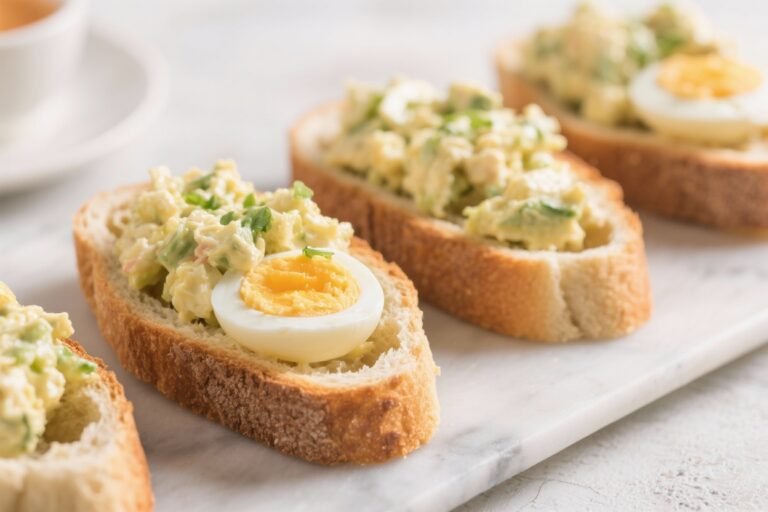
| Breakfast Boat Box | Egg salad breakfast boat, cherry tomatoes, apple slices |
Did You Know?
71% of daily snacking energy is consumed at home, with the late afternoon and after-school window alone accounting for about 31% of kids’ snacking energy.
Source: International Journal of Behavioral Nutrition and Physical Activity
5. After‑School Power Hour: The Most Important Snack Slot Of The Day
For many families, the highest‑impact point in the kid snack timeline is the hour after school or child‑care pick‑up. Research suggests this short window can pack in roughly 20 percent of a child’s daily calories and added sugar if it is not planned. That is why an intentional after‑school snack can completely change the feel of your late afternoon and evening.
This snack should be more substantial than a mid‑morning bite because kids are coming off a long stretch of learning and possibly limited school lunch. Aim for a combination of slow‑release carbs, high‑quality protein, and some produce. When you treat the after‑school snack like a “mini‑meal,” kids arrive at dinner calmer and less likely to melt down or overeat.
Energy Snack Combinations Kids Actually Finish
- No‑bake granola bar and fruit plates with yogurt or milk.
- Homemade fruit leather plus cheese sticks or roasted chickpeas.
- Hummus and veggie dippers paired with whole‑grain pita or crackers.
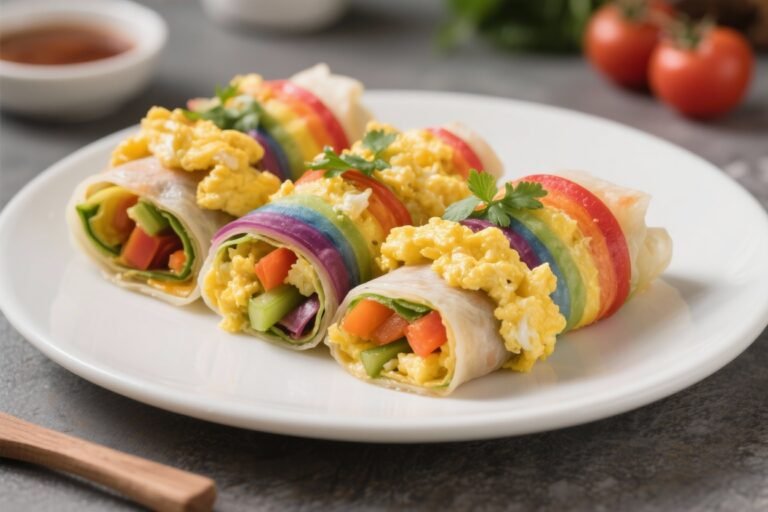
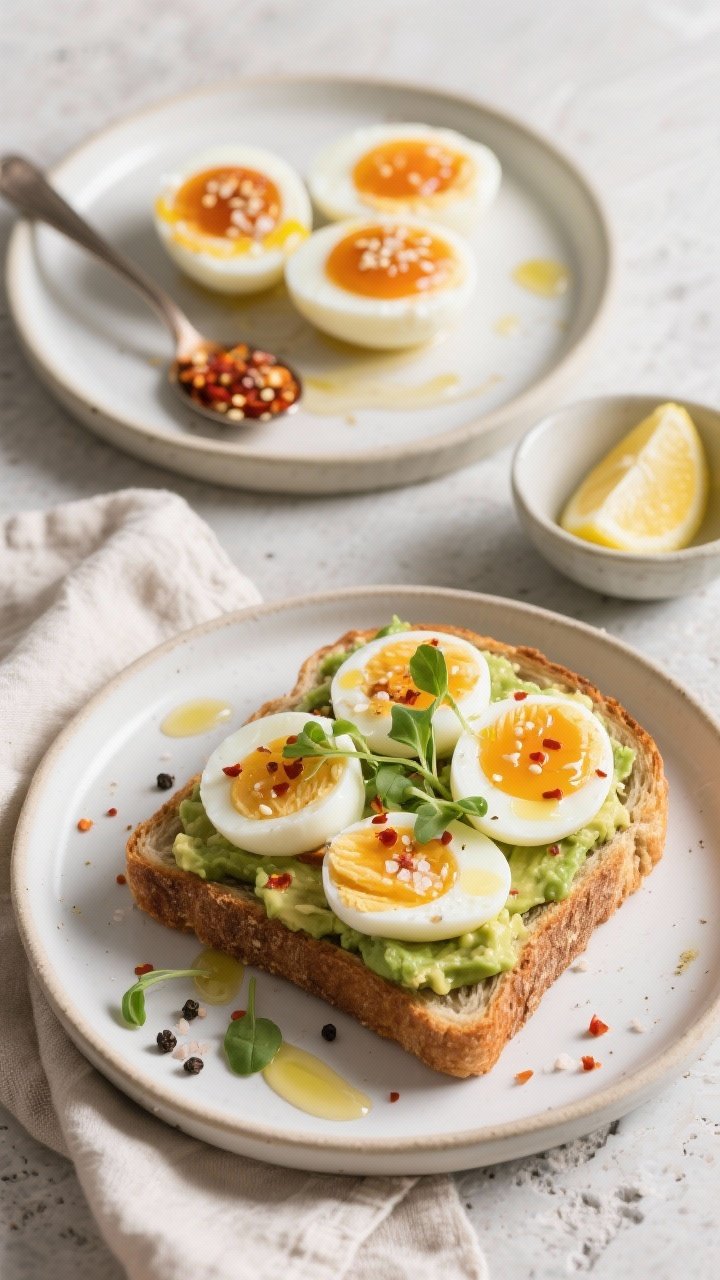
- Egg‑based snacks like scrambled egg roll‑ups or cloud eggs with colorful produce.
6. Sugar‑Smart Snack Swaps Throughout The Day
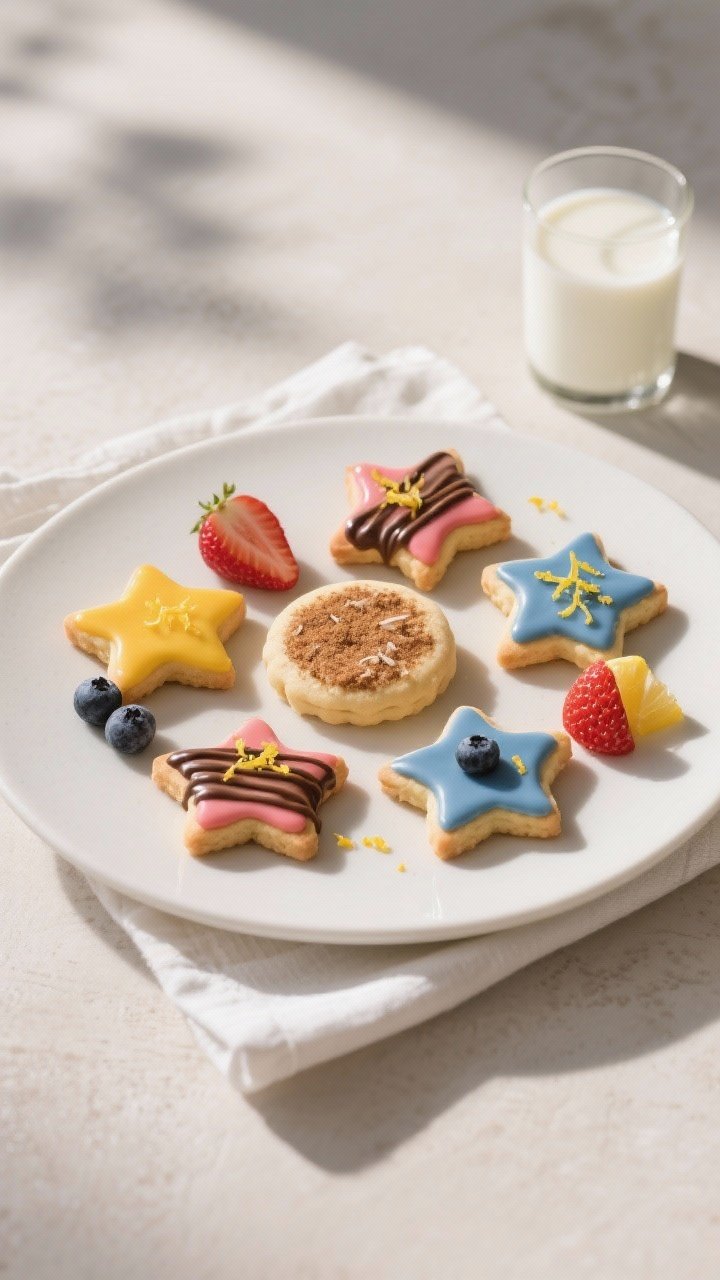
Because snacks contribute about 42 percent of kids’ added sugar intake, building a sugar‑smart timeline can greatly improve overall nutrition without banning treats. The goal is to use natural sweetness, fiber, and healthy fats so snacks feel fun but do not cause big blood‑sugar swings. You can still offer “cookie‑style” and “fruit punch‑style” options with smarter ingredients.
Sugar smart snacks make the most sense at times of day when kids often reach for sweets: mid‑afternoon, after dinner, or during holidays and parties. Energy balls that taste like sugar‑cookie dough, homemade fruit leather, and infused waters are examples of snacks that keep the fun while cutting the sugar crash.
Examples Of Sugar‑Smart Swaps In Your Timeline
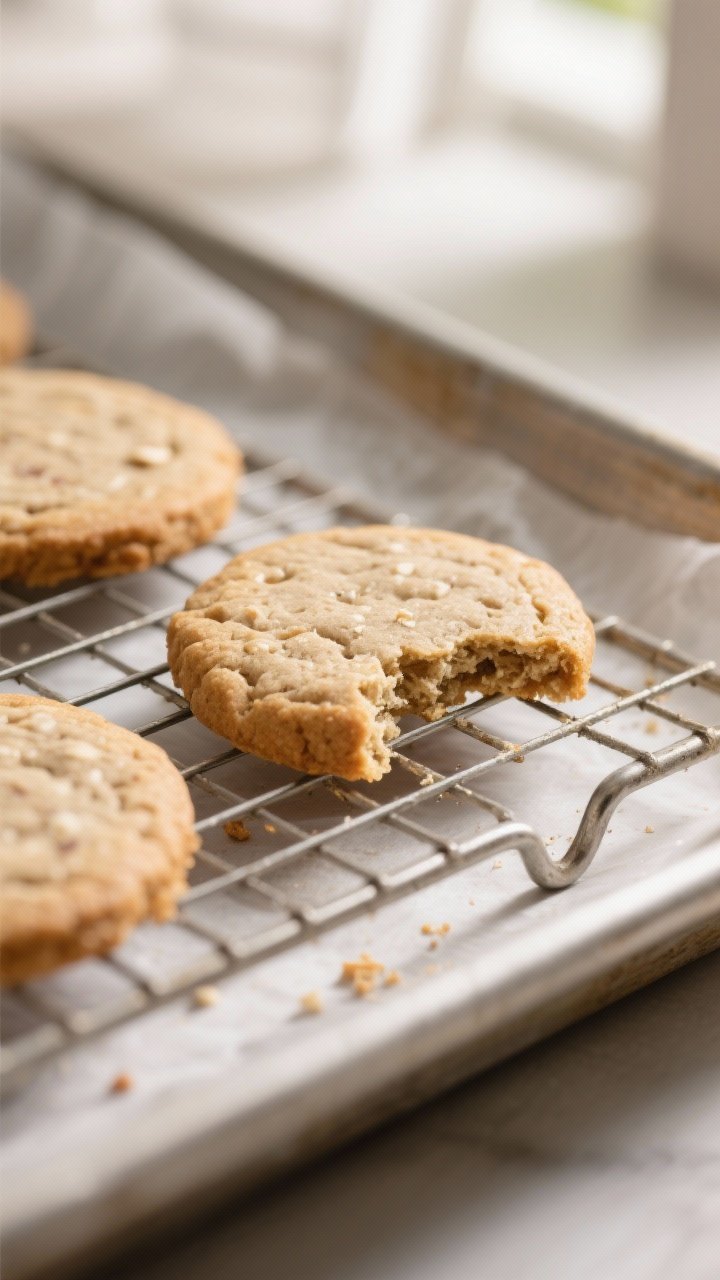
- Replace packaged cookies with sugar cookie dough energy balls.
- Swap fruit snacks for no‑added‑sugar fruit leather.
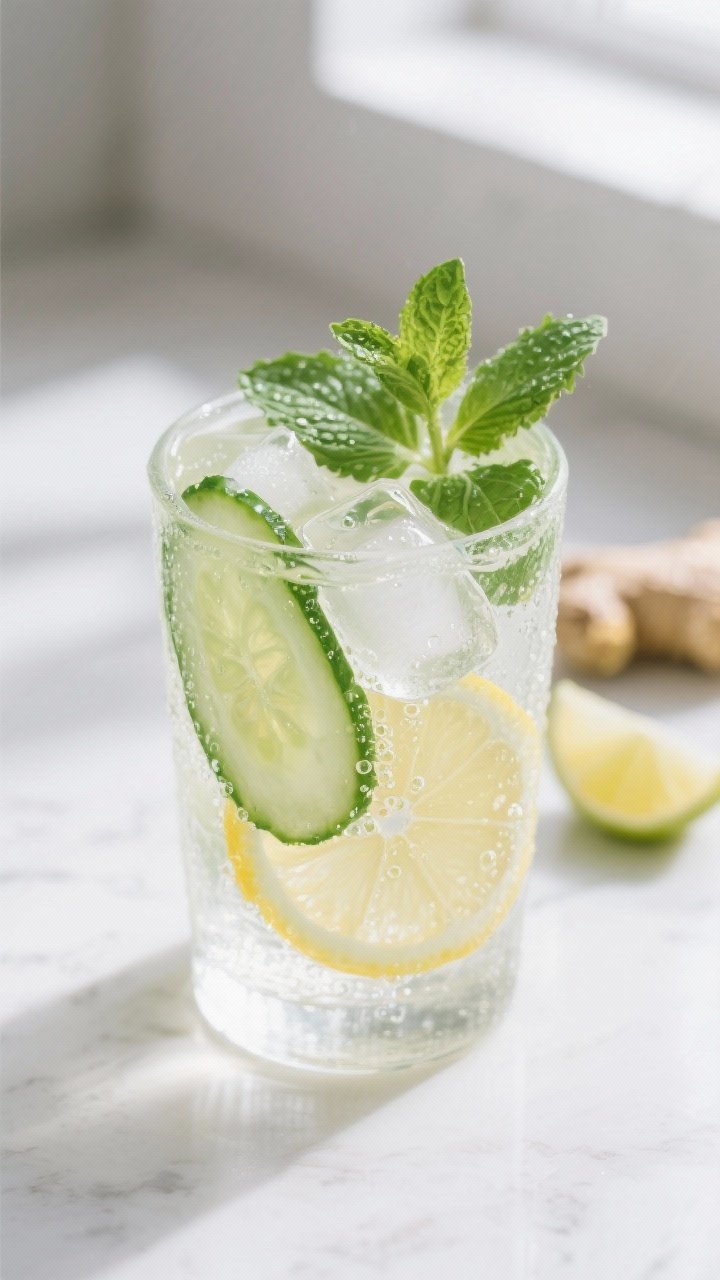
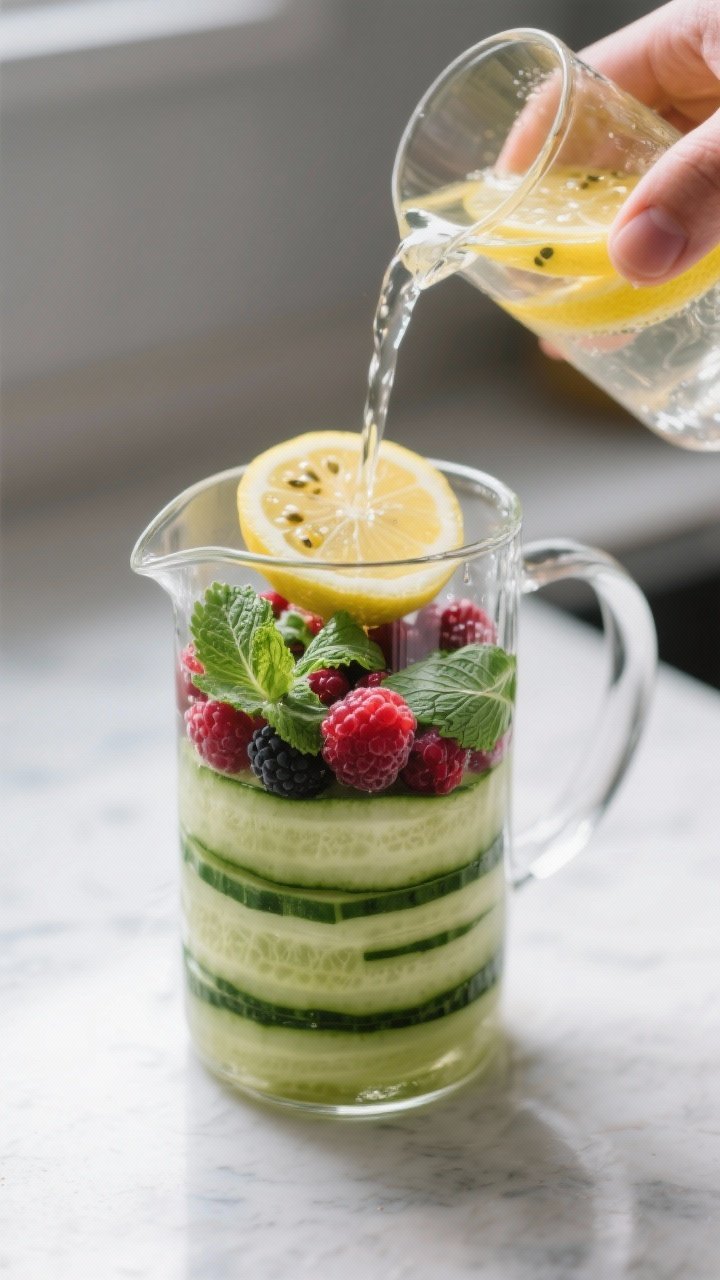
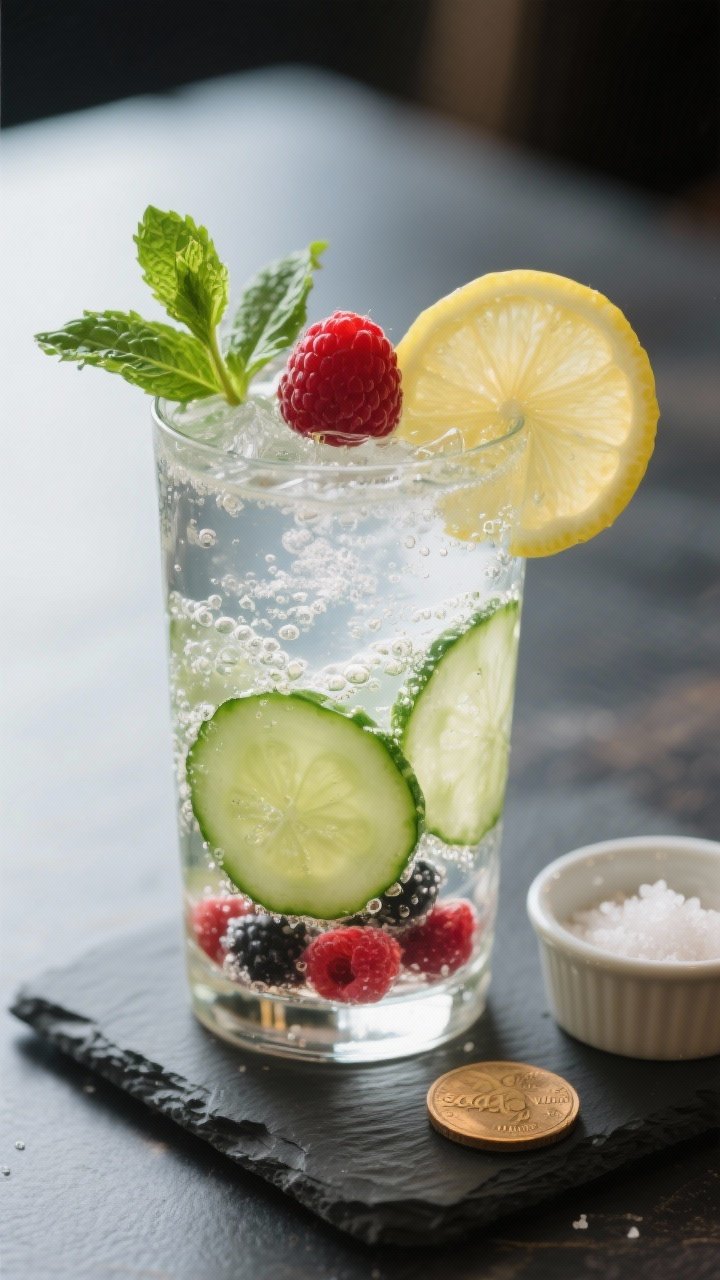
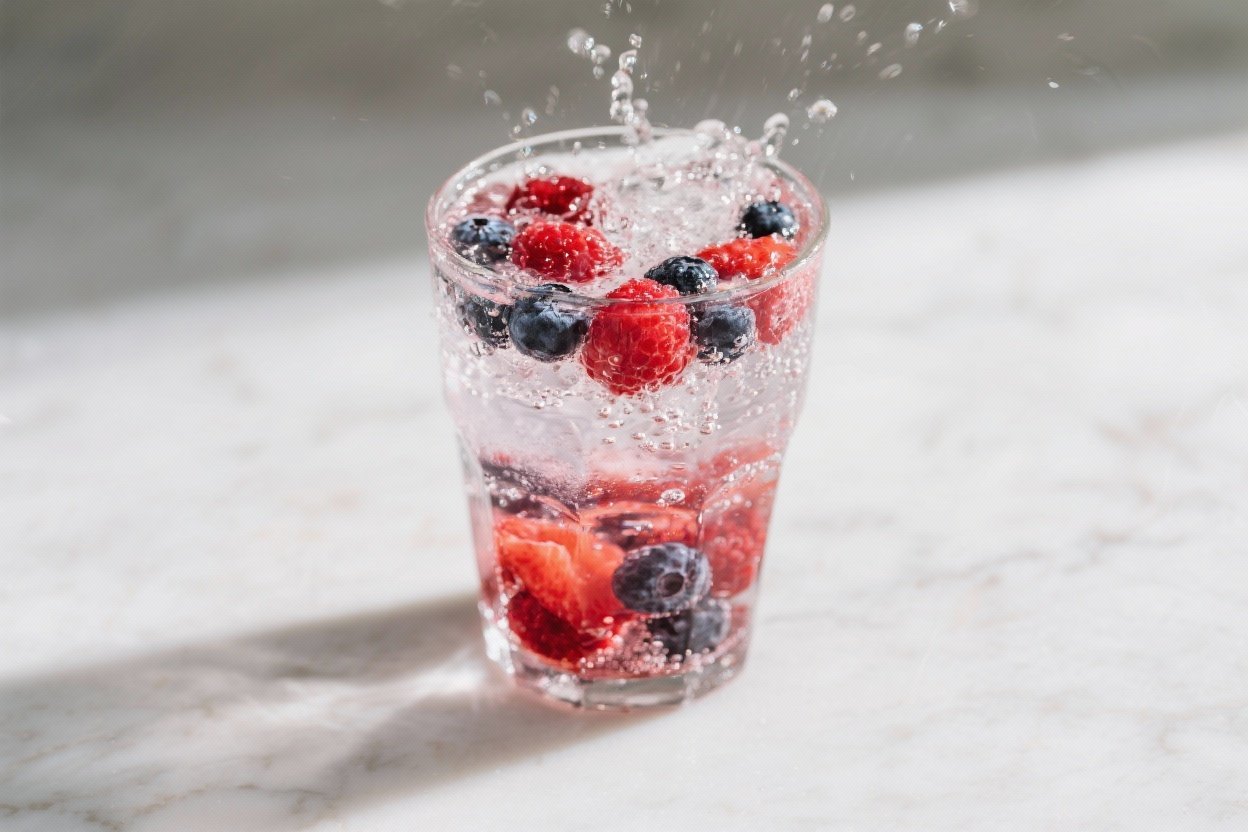
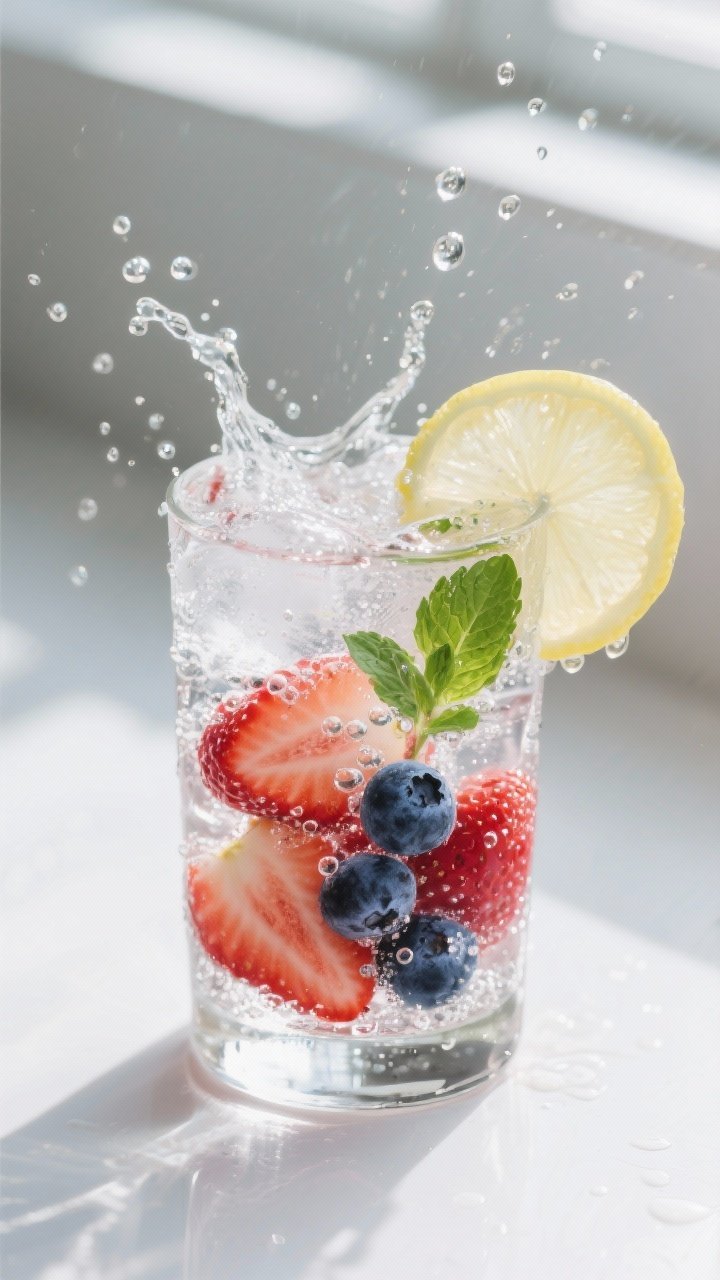
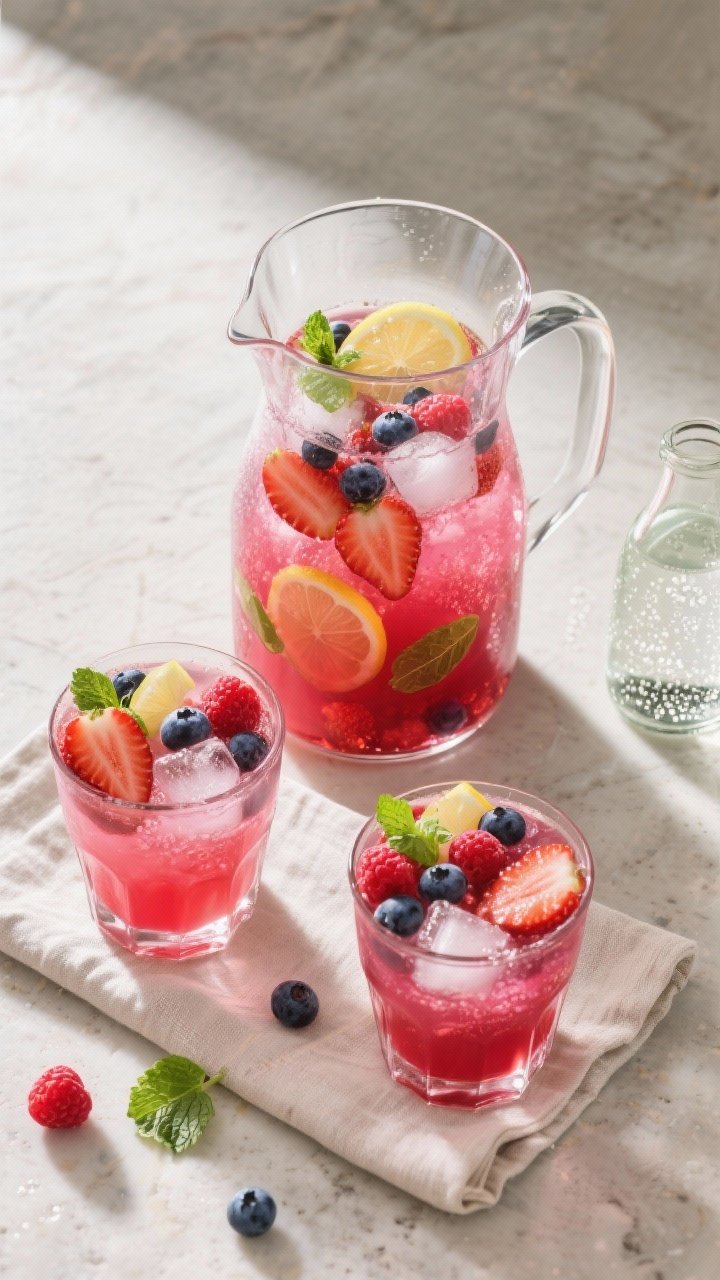
- Trade soda or punch for fruit and herb infused water or sparkling berry water.

7. Hydration As Part Of The Kid Snack Timeline
Beverages show up alongside most snacks: about 89 percent of snack occasions include a drink, and sugary drinks are common. That means your kid snack timeline is not just about “what is on the plate,” but also what is in the cup. Swapping sweetened beverages for lower‑sugar options at each snack point can quietly reduce daily sugar without arguments.
Infused waters are especially useful in the afternoon and evening, when kids may crave something special. Cucumber‑lemon‑mint water or sparkling berry‑infused water delivers color and flavor with no added sugar. Offer water first with every snack, then add milk or another drink if needed.
Hydration Ideas For Each Snack Window
- Morning: Water or milk alongside pancakes, muffins, or fruit.
- After school: Infused water or sparkling water with energy snacks.
- Evening: Plain water to protect sleep and appetite for breakfast.
Did You Know?
Snacks account for about 42% of added sugar intake among U.S. children and adolescents, making snack choices a major driver of overall sugar exposure.
Source: FSRG Dietary Data Briefs – Snack Consumption by U.S. Children and Adolescents
8. Evening Snacks: When To Say Yes And When To Pause
Evening is when many school‑age children consume the largest share of their snacking energy, and teens often shift even more intake to late at night. In your kid snack timeline, this means the window between dinner and bedtime deserves special attention. The goal is to respect true hunger without turning late‑night eating into a habit that disrupts sleep or appetite for breakfast.
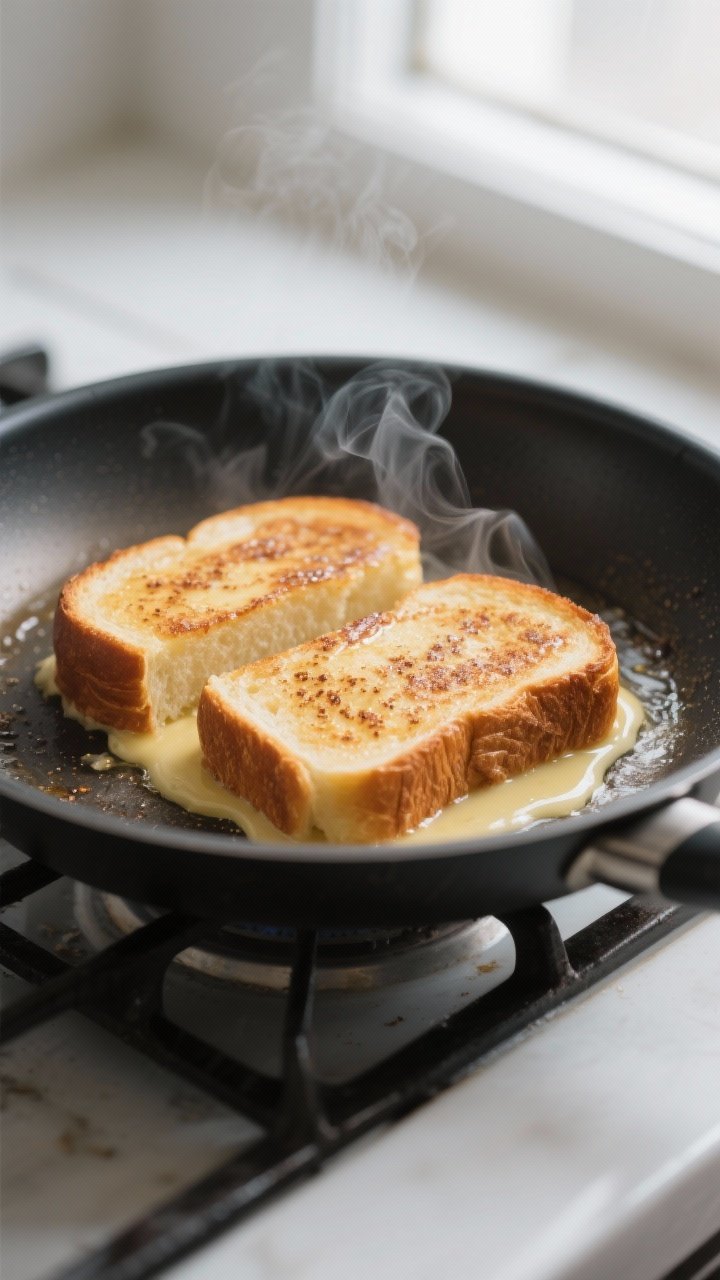
If dinner was early or activity‑heavy, a small, balanced evening snack can be appropriate. Choose options that are easy on the stomach and not overly sweet, such as a half pancake with nut butter, a small yogurt with fruit, or a slice of French toast topped with Greek yogurt and berries. If kids are consistently “starving” before bed, you may need to adjust dinner timing or the after‑school snack instead.
French Toast And Pancakes In The Evening Slot
- Berry‑topped French toast provides protein and carbs without excess sugar, especially when paired with plain yogurt.
- Leftover protein pancakes can be sliced into strips and served with a small glass of milk.
- Egg salad breakfast boats work for older kids who need more substantial evening fuel.
9. Weekend And Holiday Snack Timelines
Weekends and holidays often blow up the usual kid snack timeline with parties, outings, and treats. Instead of abandoning structure, adjust the schedule by keeping anchor snack times and plugging in smarter versions of festive foods. Sugar‑cookie‑inspired energy balls, holiday‑themed snack plates, and sparkling berry water can keep kids excited without constant candy.
During long afternoons at home, consider setting a “snack station” with pre‑portioned options you are comfortable with kids choosing from at designated times. This gives them autonomy while you still control the overall pattern and nutrition profile of the day.
Holiday‑Friendly Smart Snack Ideas
- Post‑holiday “detox” energy balls when kids are craving leftover sweets.
- Seasonal fruit platters with yogurt dip and whole‑grain cookies.
- Pitchers of sparkling berry water instead of sugary punch.

10. Sample All‑Day Kid Snack Timeline (By Age Group)
Putting it all together, here is how a practical kid snack timeline might look across different ages. Remember that appetite, activity level, and medical needs vary, so treat this as a template to adjust rather than a strict rule. The key is spacing, balance, and consistency.
Preschooler (3–5 years)
- 7:30 a.m. – Breakfast: Cottage cheese pancakes with berries and milk.
- 10:00 a.m. – Morning snack: Half a banana chocolate chip muffin and water.
- 12:30 p.m. – Lunch: Egg salad breakfast boat, cucumber sticks, apple slices.
- 3:30 p.m. – After‑school snack: Homemade fruit leather, cheese stick, and sparkling berry water.
- 6:00 p.m. – Dinner
- 7:30 p.m. – Optional small snack: Yogurt with a few oat bar cubes (if truly hungry).
School‑Age Child (6–11 years)
- 7:00 a.m. – Breakfast: Greek yogurt pancakes with fruit and milk.
- 10:30 a.m. – School snack: Oatmeal bar and water.
- 12:30 p.m. – Lunch: Hard‑boiled eggs, whole‑grain crackers, carrot sticks, grapes.
- 3:30 p.m. – After‑school snack: Scrambled egg roll‑ups, sliced apple, infused water.
- 6:30 p.m. – Dinner
Tween/Teen (12+ years)
- 6:45 a.m. – Breakfast: Peanut‑butter banana protein pancakes and milk.
- 10:45 a.m. – Snack: Protein muffin and water.
- 1:00 p.m. – Lunch: Salmon bite snack bento with veggies, rice, and orange slices.
- 4:00 p.m. – After‑school snack: Hummus with veggie dippers and whole‑grain pita.
- 7:00 p.m. – Dinner
- 9:00 p.m. – Occasional snack: Small bowl of yogurt and fruit if needed for sports recovery.
Conclusion
A thoughtful kid snack timeline does not require rigid rules or complicated meal plans. It simply means deciding when snacks will happen, then stocking a rotation of balanced, kid‑approved options that fit each slot of the day. When you combine protein‑rich breakfast foods, smart snack recipes, sugar‑savvy treats, and low‑sugar drinks, snacks start working for your family instead of against it.
Start by sketching your child’s typical day and plugging in 2–3 snack windows with ideas from this guide. Over time, your timeline will become a predictable rhythm that supports growth, focus, and calmer evenings, while still leaving room for occasional sweets and celebrations that kids genuinely enjoy.