Protein Rich Breakfast Ideas Your Family Will Actually Want to Eat
December 28, 2025 · 9 min read

Protein rich breakfasts do more than just “keep you full.” In one controlled study, women who ate a dairy-based, high-protein breakfast had 3.5 percentage points higher cognitive concentration later in the morning compared with skipping breakfast. If you’re trying to get yourself (and possibly kids) out the door with steady energy, focus, and fewer sugar crashes, adding meaningful protein to the first meal of the day is one of the most practical changes you can make.
Key Takeaways
| Question | Answer |
|---|---|
| How much protein should a “protein rich breakfast” have? | Most research breakfasts include at least 20 g of protein, often 18–41% of total calories, which you can easily reach with options like protein-boosted oatmeal or eggs plus a side of Greek yogurt. |
| Can protein rich breakfasts still feel fun for kids? | Yes—think playful ideas like protein pancake skewers with fruit or grab-and-go blueberry lemon protein muffins that taste like treats. |
| Do protein rich breakfasts help with fullness? | Multiple trials show higher morning satiety after a high-protein breakfast. Recipes like quinoa breakfast porridge or chia pudding jars combine protein, fiber, and healthy fats to keep you satisfied. |
| What if I have no time to cook in the morning? | Prep ahead. Morning Power-Up Protein Bites, chia pudding jars, and protein muffins can all be made in batches for fast grab-and-go breakfasts. |
| Can a protein rich breakfast be kid- and toddler-friendly? | Absolutely. Gentle flavors like banana pancakes, berry oatmeal, and mini pancake skewers are easy wins for cautious eaters while still delivering real protein. |
| Are there fun “weekend-style” high-protein options? | Yes—protein-packed pancakes, potato-and-egg breakfast tacos, and cinnamon quinoa porridge feel like brunch but are designed to fuel the day, not just taste good. |
1. Why Protein Rich Breakfasts Matter for Energy, Focus, and Family Life
A protein rich breakfast does three key jobs: it helps steady blood sugar, increases feelings of fullness, and supports focus for school or work. Instead of spiking and crashing on sugary cereal or pastries, you get slow, steady energy from a mix of protein, fiber, and healthy fats.
For kids, this can mean fewer meltdowns and better concentration; for adults, it often means less “hangry” snacking before lunch. Across breakfast studies, high-protein options typically land at 20+ grams of protein—a solid benchmark when you’re planning what goes on the plate.
2. How Much Protein Do You Really Need at Breakfast?
Most healthy adults do well with about 20–30 g of protein at breakfast, which lines up with the ranges used in research trials. Practically, that might look like three eggs (about 18 g), plus a few tablespoons of nut butter or a scoop of protein powder stirred into oats or a smoothie.
For kids, the goal is smaller but similar in spirit: include a recognizable protein source at every breakfast. That could be eggs, Greek yogurt, a protein-boosted baked good, or a recipe that quietly adds protein through ingredients like quinoa, chia seeds, or nut butter.
3. Fun Protein Rich Breakfasts Kids Actually Eat: Pancakes and Muffins
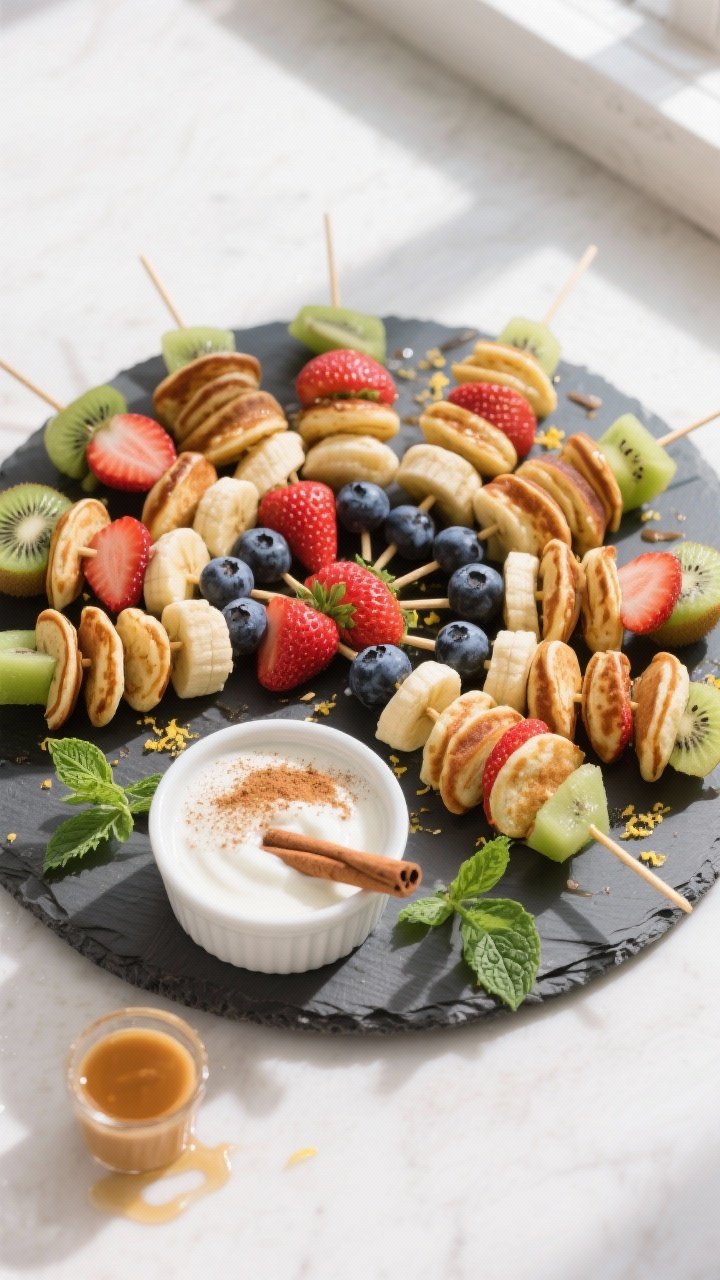
Protein Pancake Skewers with Fruit
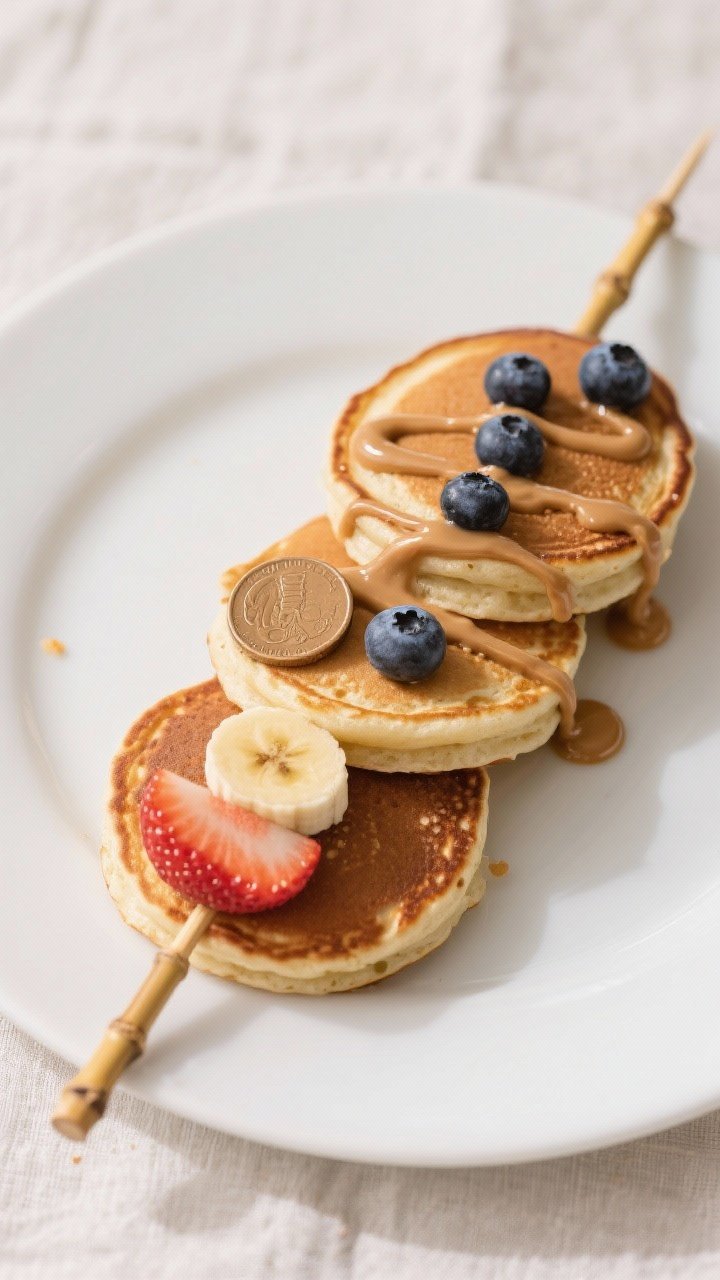
If your kids love pancakes but crash an hour later, these Protein Pancake Skewers are a smart swap. Mini protein pancakes get threaded with colorful fruit, turning breakfast into a snackable stick you can serve on a brunch board or hand over on the way out the door.
Because the pancakes are protein-powered (often using eggs and sometimes protein powder or Greek yogurt), they bring more staying power than regular boxed mix. The fruit adds natural sweetness and fiber, so you can go light on syrup without complaints.

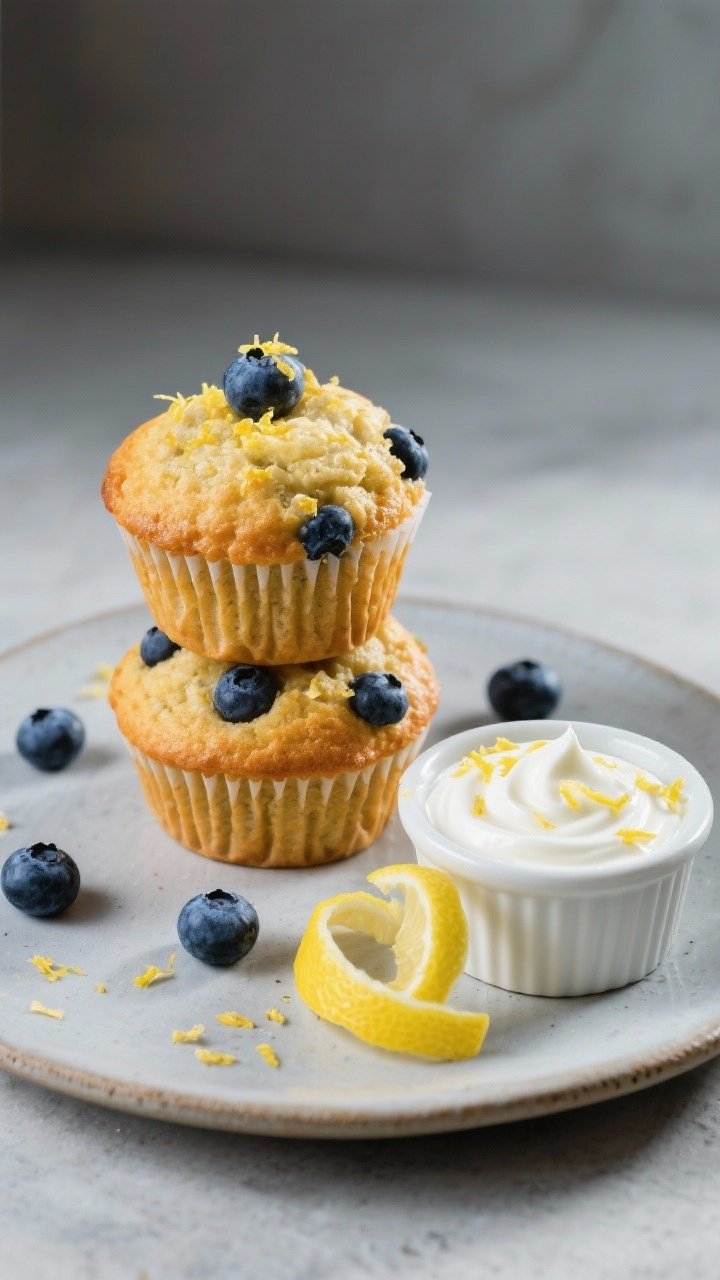
Blueberry Lemon Protein Muffins
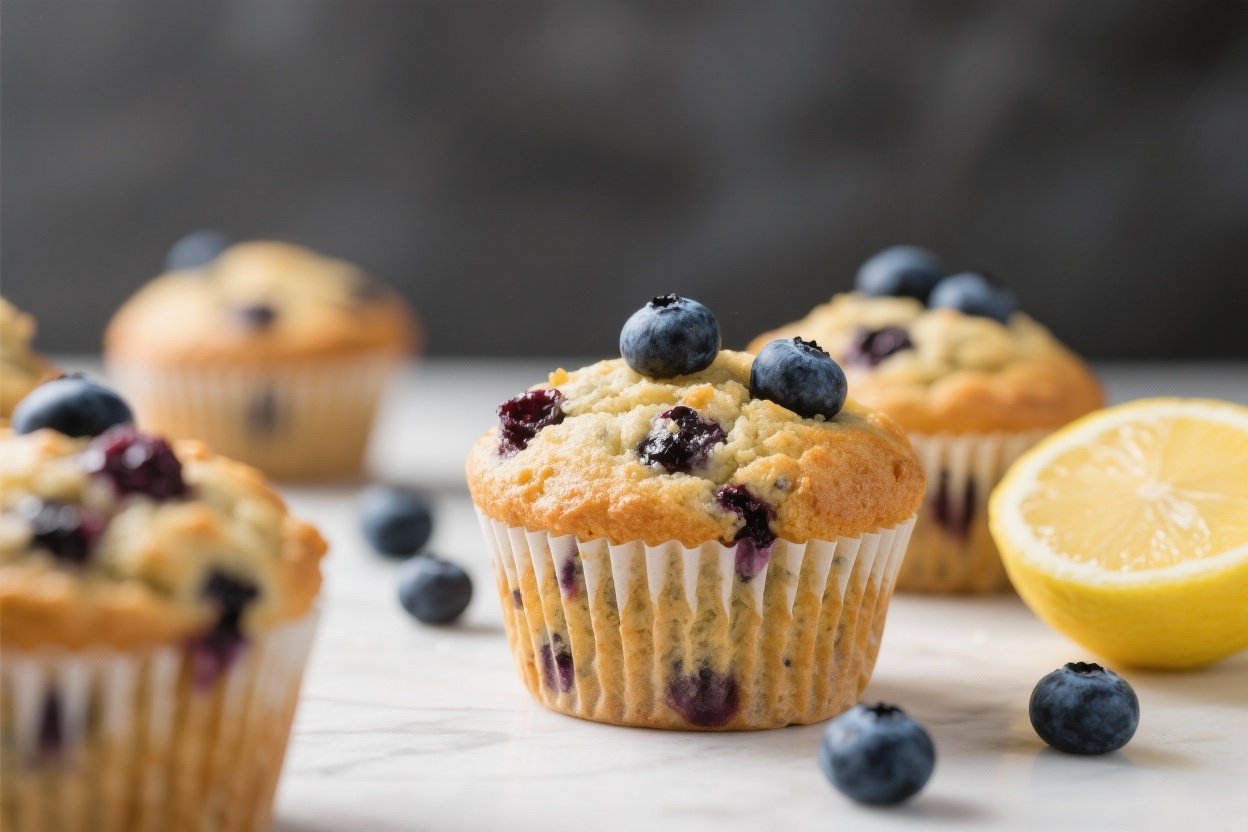
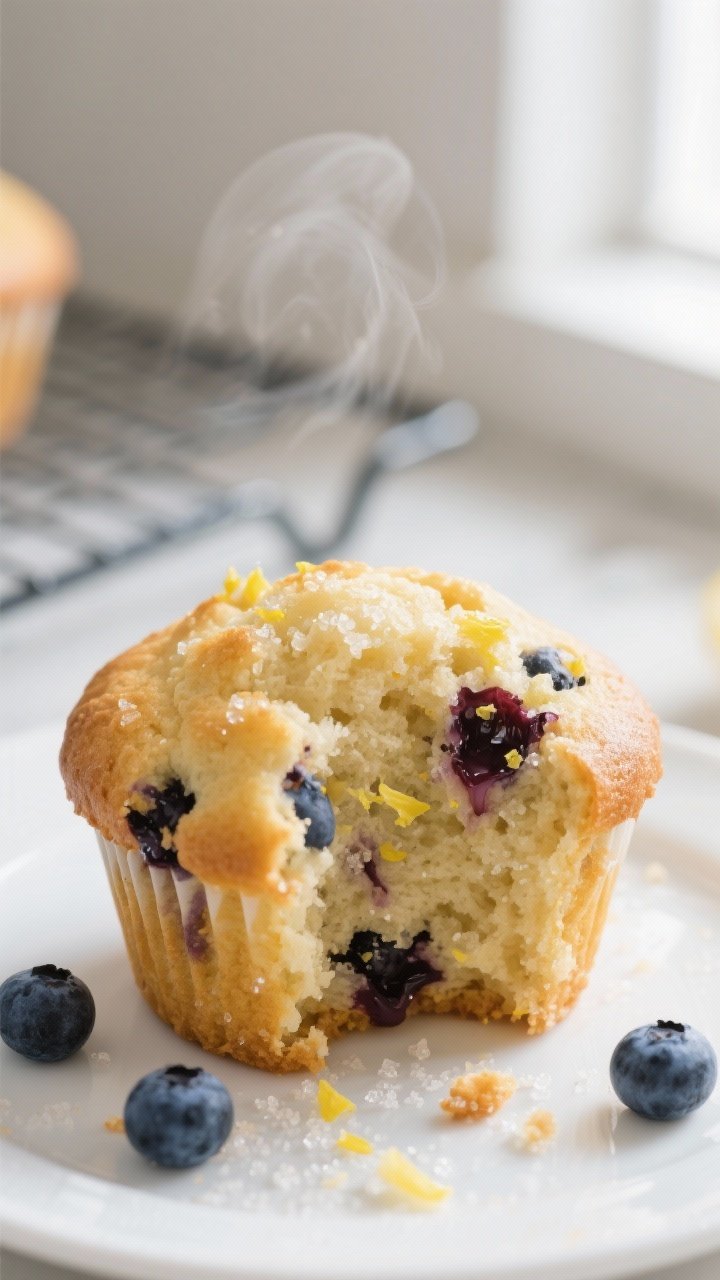
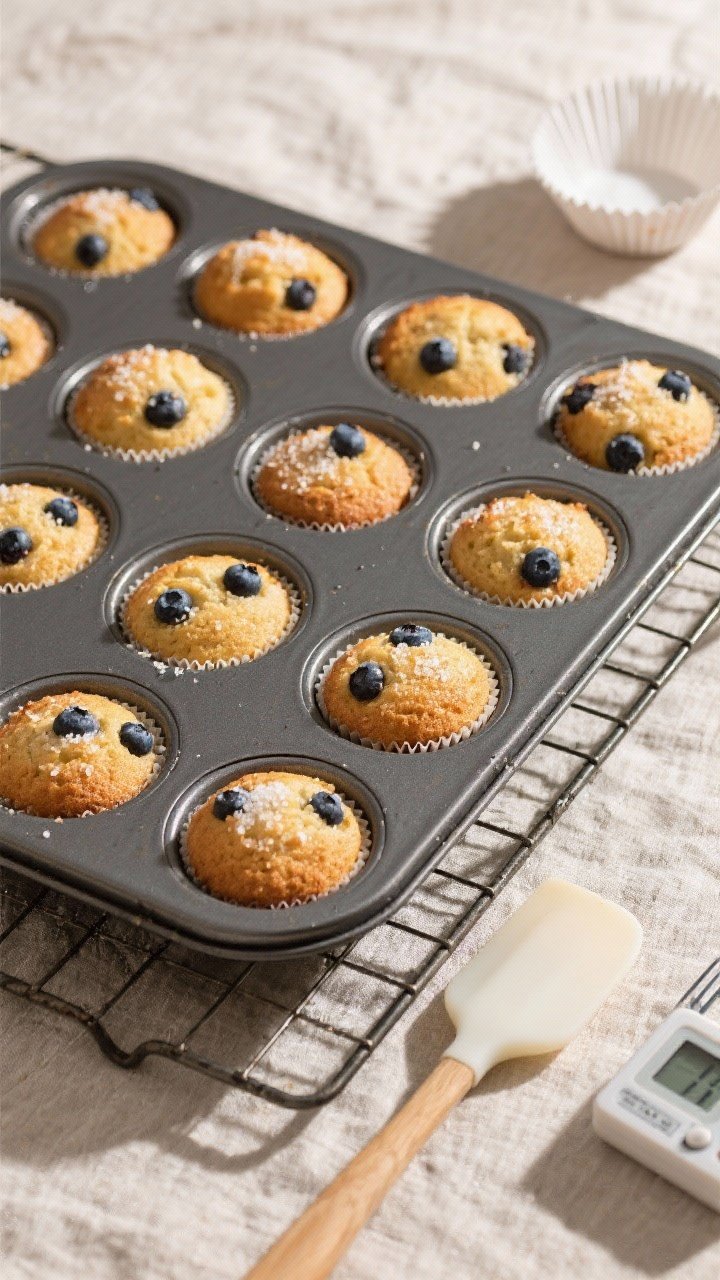
For grab-and-go mornings, Blueberry Lemon Protein Muffins are a practical, high-protein breakfast that feels like a bakery treat. They’re tender, zesty, and studded with berries, yet built to deliver meaningful protein instead of just sugar and refined flour.
These freeze well, making them ideal for meal prep. Bake a batch on Sunday, and you’ve got portable, protein rich breakfasts ready for the week—especially handy for teens who run out the door with one shoe on.
Human-Centric Example #1: The “Carbs-Only” Pancake Family
One family I worked with had a standing weekend pancake tradition that had quietly crept into most weekdays—quick mix, lots of syrup, hungry again by 9 a.m. We kept the ritual but swapped in protein-rich pancake recipes like mini pancake skewers and 2-ingredient banana pancakes. Within a week, their 8-year-old wasn’t begging for snacks during remote learning, and the parents noticed fewer mid-morning crashes themselves.
4. Protein-Packed Pancake Upgrades: Banana Pancakes and Waffles-Style Ideas
2-Ingredient Banana Pancakes (Flourless and Protein-Packed)
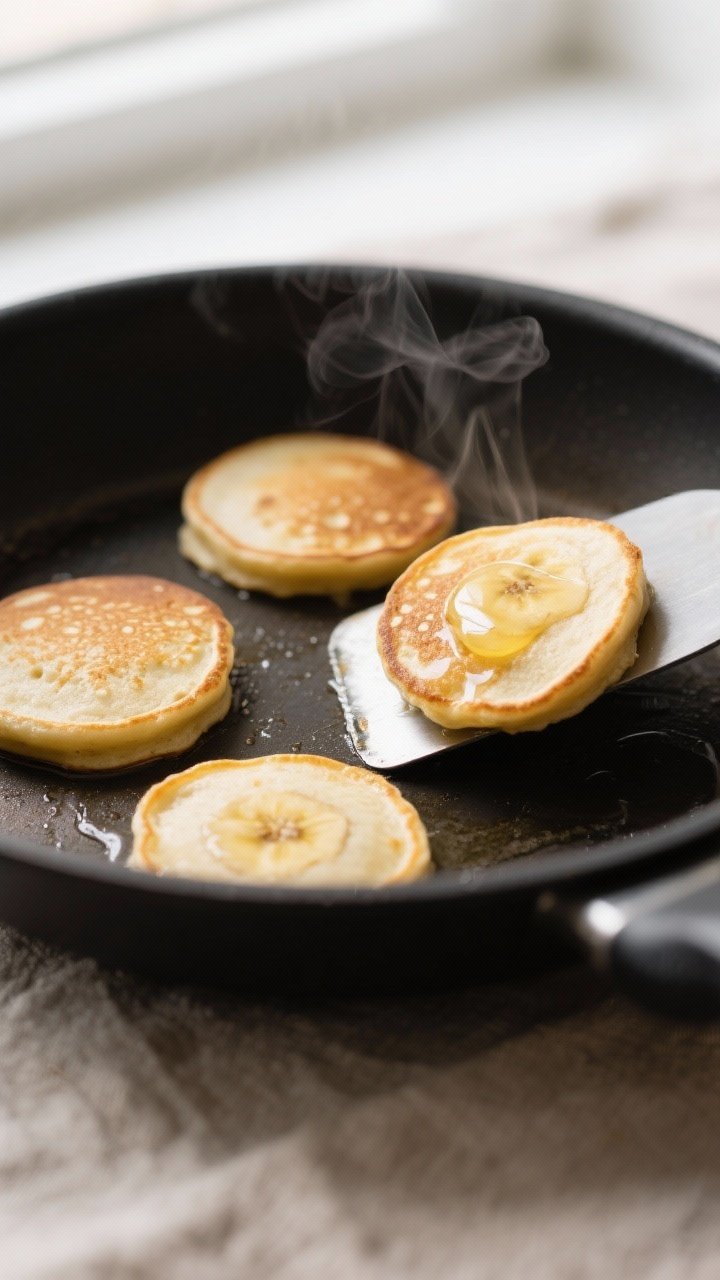
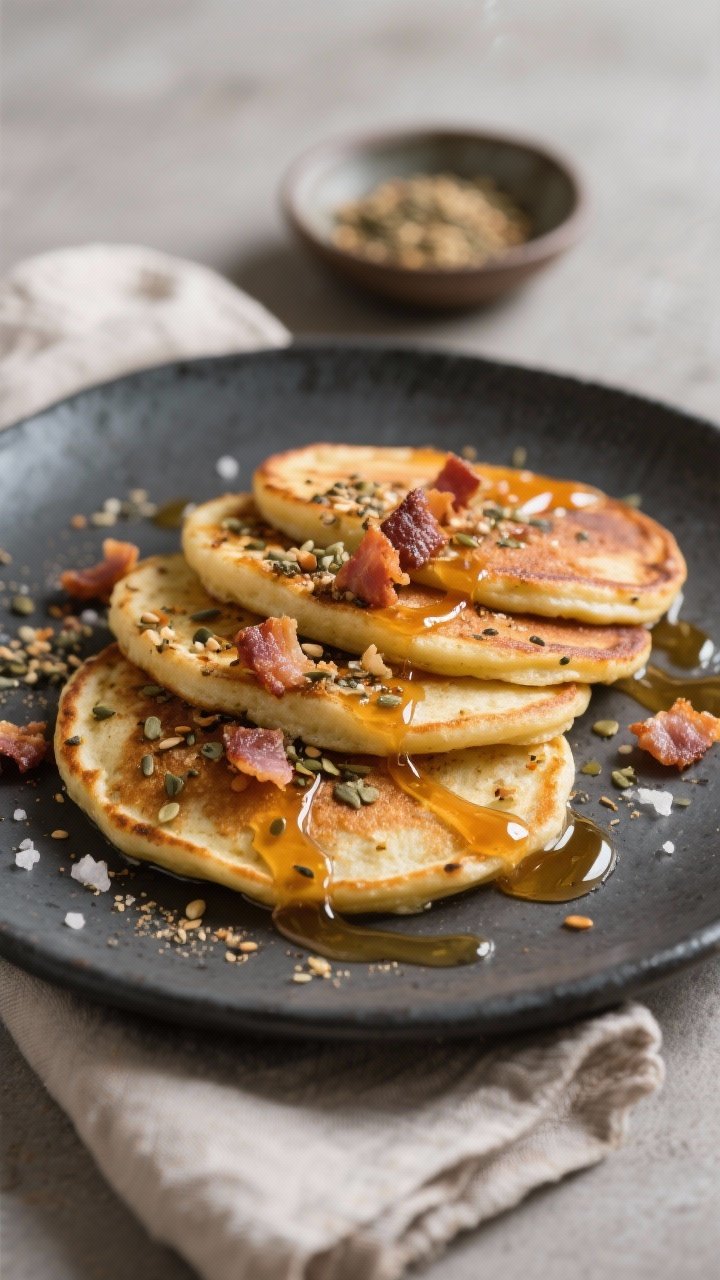
If you want something as fast as cereal but more nourishing, the 2-Ingredient Banana Pancakes are hard to beat. Eggs provide complete protein, while ripe bananas add sweetness and structure—no flour, no refined sugar.
Because it’s just eggs and banana, the protein quality is high, and the ingredient list is short enough for kids to memorize. Top with a spoonful of nut butter or Greek yogurt to push the protein even higher and turn this into a truly protein rich breakfast.
Better-For-You Waffles and Variations
While the site also features protein waffles (like blueberry versions in related content), the same logic applies to any waffle-style batter: build around eggs, Greek yogurt, protein powder, or higher-protein flours. The result is a breakfast that feels indulgent but doesn’t leave you drowsy.
Pair waffles or pancakes with fruit instead of syrup-heavy toppings for more fiber and less sugar. A small side of Greek yogurt (around 20 g protein per 7-ounce serving) can easily tip the whole meal into high-protein territory.
Did You Know?
NewStart randomized trial found higher morning satiety with a high-protein breakfast versus a low-protein breakfast (P = 0.02).
Source: British Journal of Nutrition – NewStart Trial
5. Warm and Cozy: Protein Rich Oatmeal and Quinoa Breakfast Bowls
Berry Protein Oatmeal
Traditional oatmeal is comforting, but on its own it can be light on protein. The Berry Protein Oatmeal version adds protein powder and yogurt, turning that simple bowl into a breakfast that actually holds you till lunch.
You still get the familiar creamy oats and bursts of berry flavor, but with a backbone of protein and healthy fats. That combination slows digestion and gives kids and adults a smoother energy curve through the morning.

Sweet Cinnamon Quinoa Breakfast Porridge
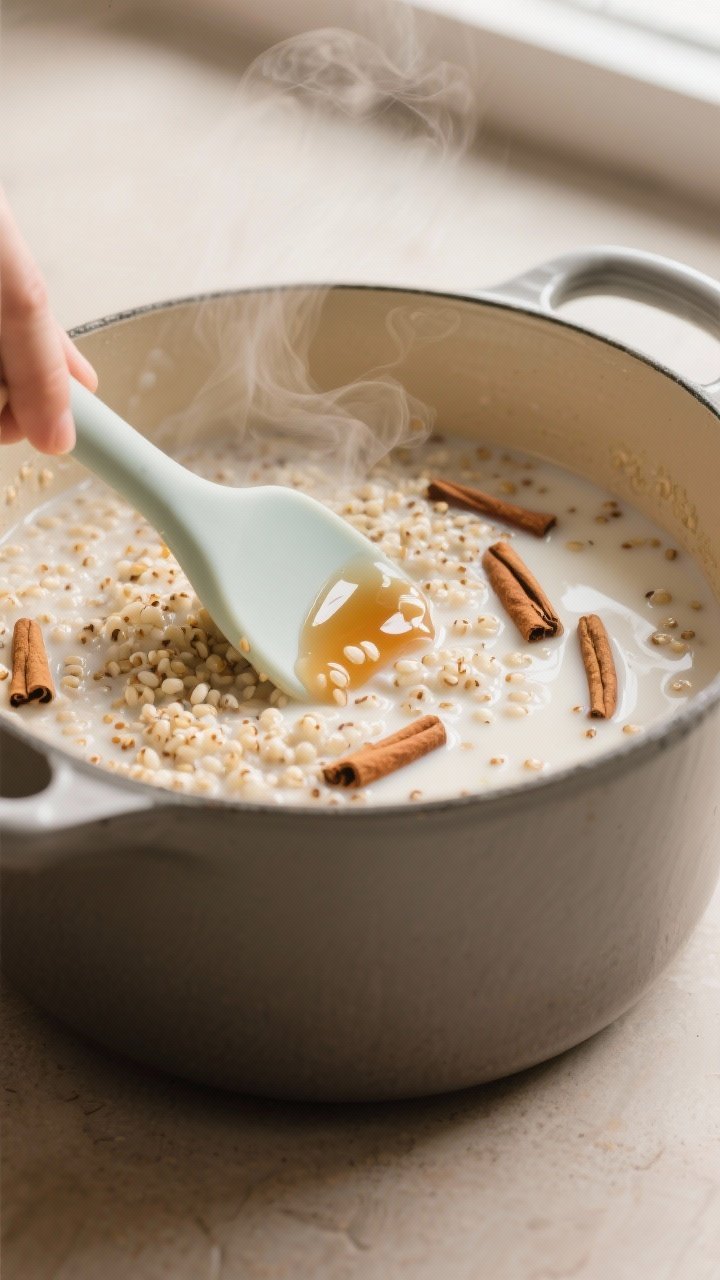
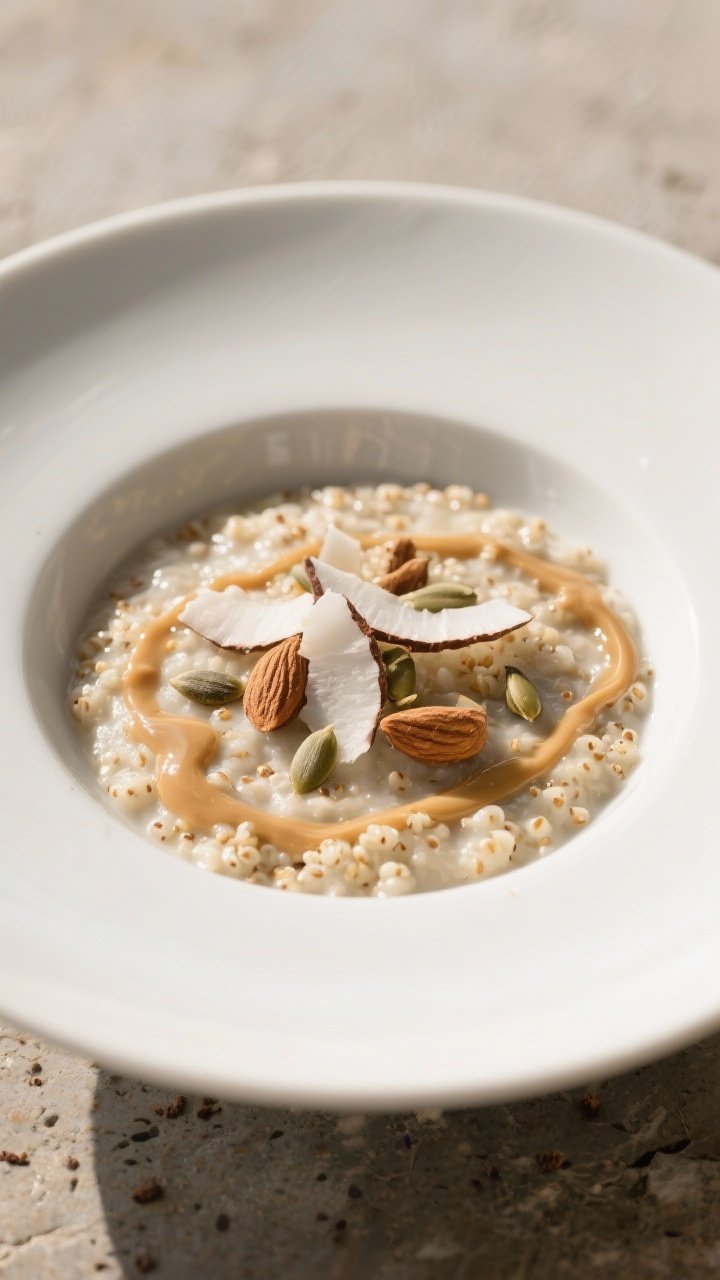
Quinoa is technically a seed, but it cooks like a grain and offers more protein than oats per cup. The Sweet Cinnamon Quinoa Breakfast Porridge brings a cozy, rice-pudding vibe with warm spices and customizable toppings.
Because quinoa is naturally gluten-free and higher in protein, it’s ideal for anyone needing a wheat-free, protein rich breakfast option. Add nuts, seeds, or a swirl of nut butter to layer in even more protein and healthy fats.
6. No-Cook and Make-Ahead: Chia Pudding Jars and Protein Bites
Chocolate Chia Pudding Breakfast Jars
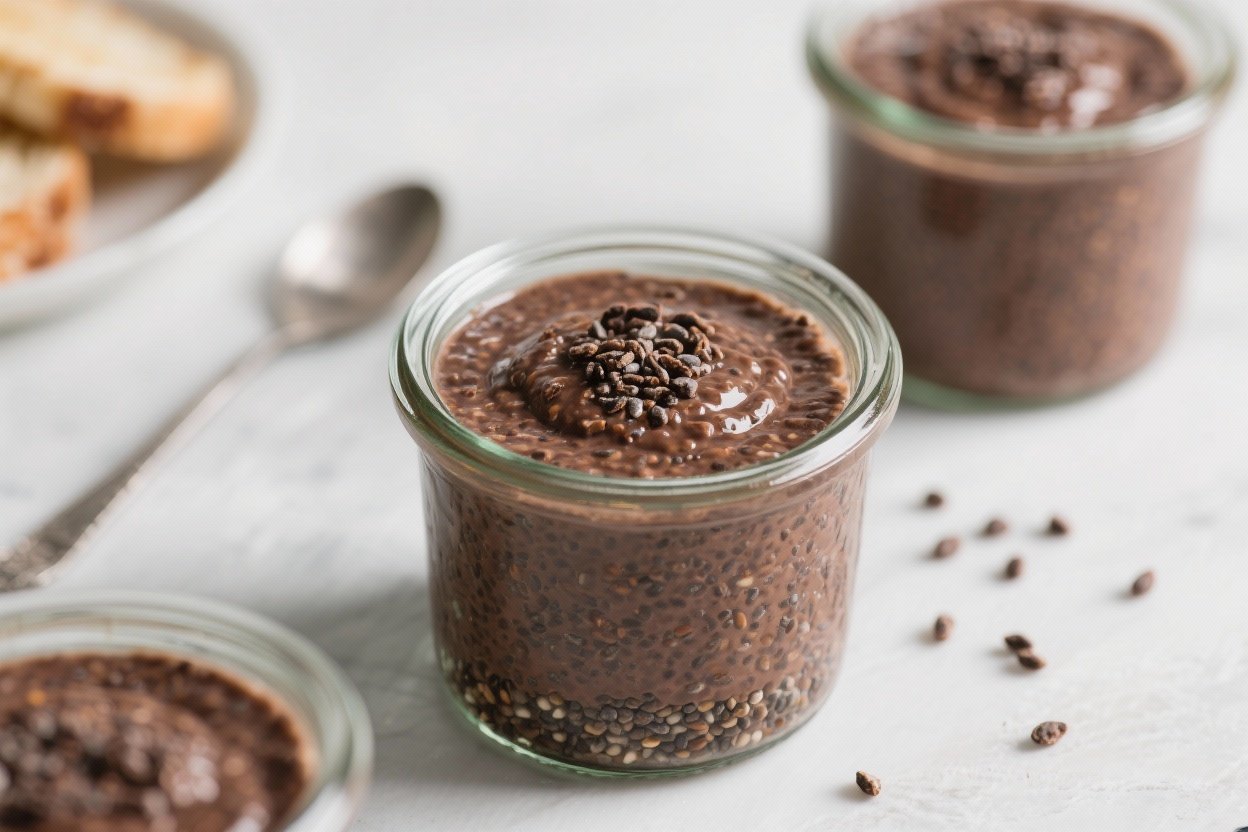
Chia pudding is a classic make-ahead protein rich breakfast that also delivers fiber and omega-3 fats. The Chocolate Chia Pudding Breakfast Jars version feels like dessert, but the slow-release energy makes it a smart weekday staple.
Because chia seeds absorb liquid and thicken overnight, you can prep several jars in minutes and let the fridge do the work. In the morning, just add fruit, nut butter, or a spoonful of yogurt and you’re done.
Morning Power-Up Protein Bites
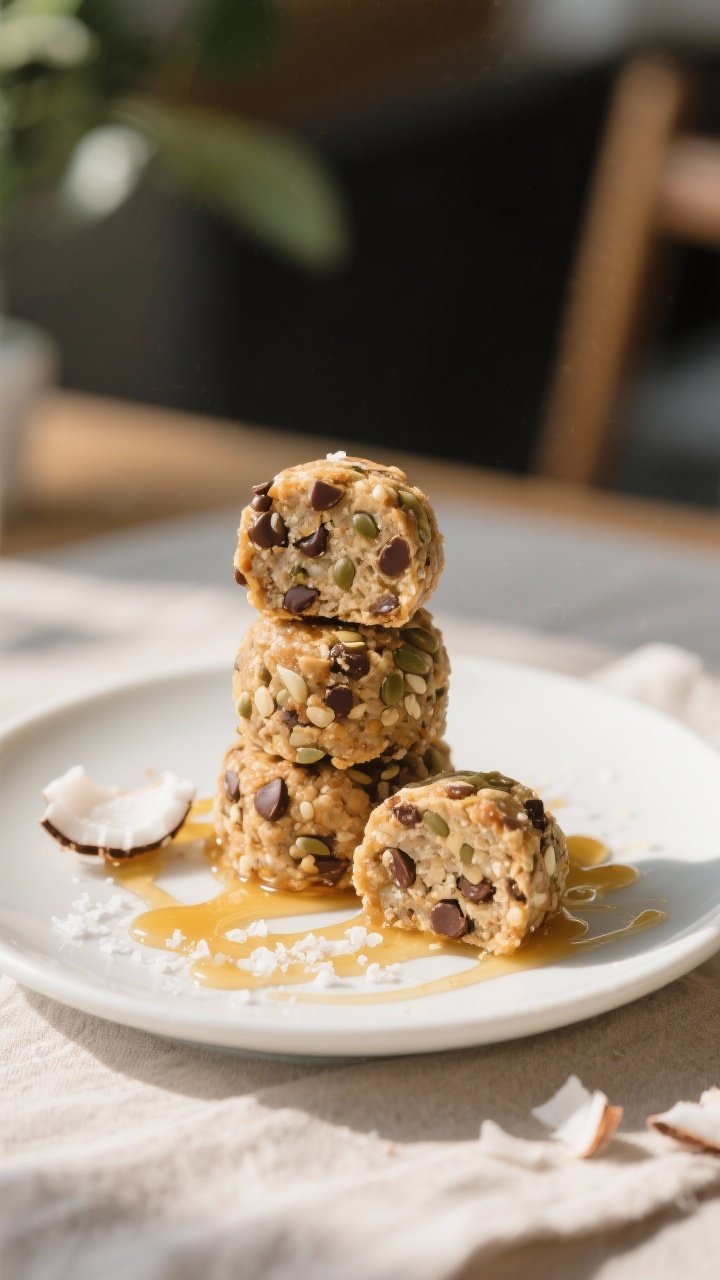
Morning Power-Up Protein Bites are ideal for people who say they’re “not breakfast people” but still need fuel. They’re no-bake, require only basic stirring and rolling, and store well in the fridge.
Pair two or three bites with a piece of fruit and a glass of milk or a latte, and you have a surprisingly complete, protein rich breakfast that’s realistic on the busiest mornings.

Did You Know?
Across breakfast studies, breakfast protein content ranged from 18% to 41% of calories, with at least 20 grams of protein per serving.
Source: Healthline – Protein at Breakfast Overview
7. Savory Protein Rich Breakfasts: Eggs, Tacos, and More
Potato & Egg Breakfast Tacos
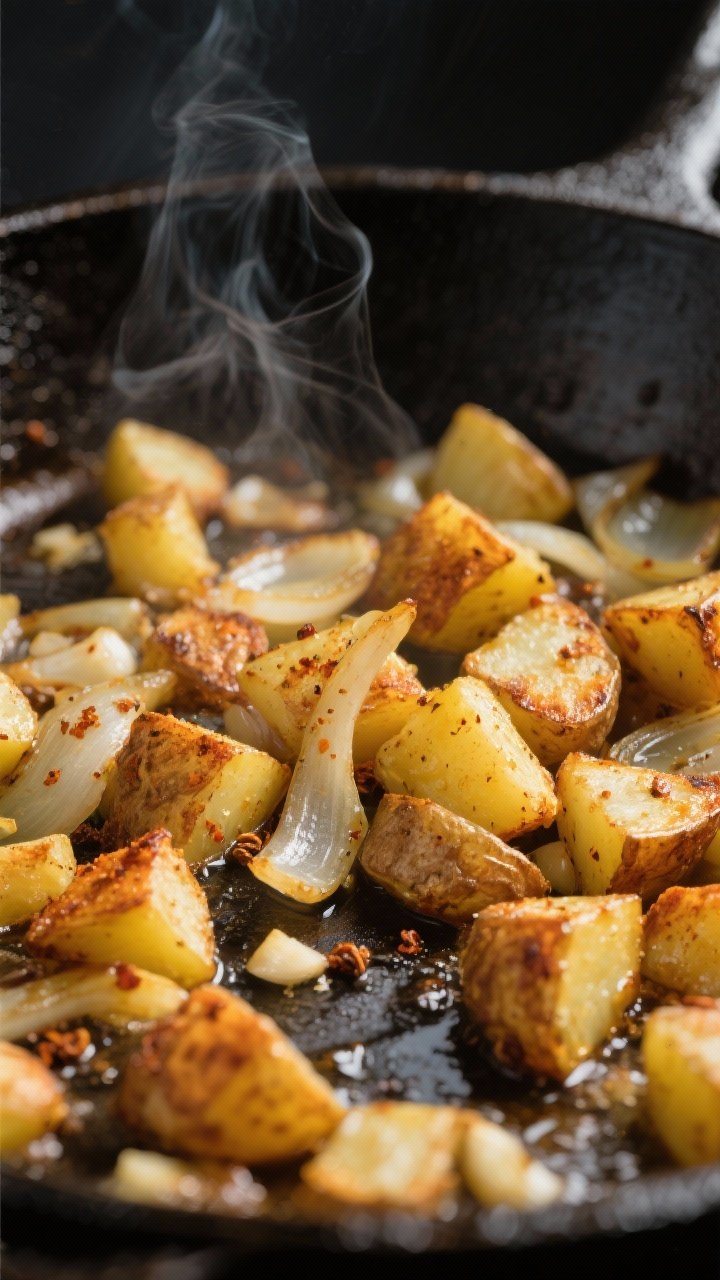
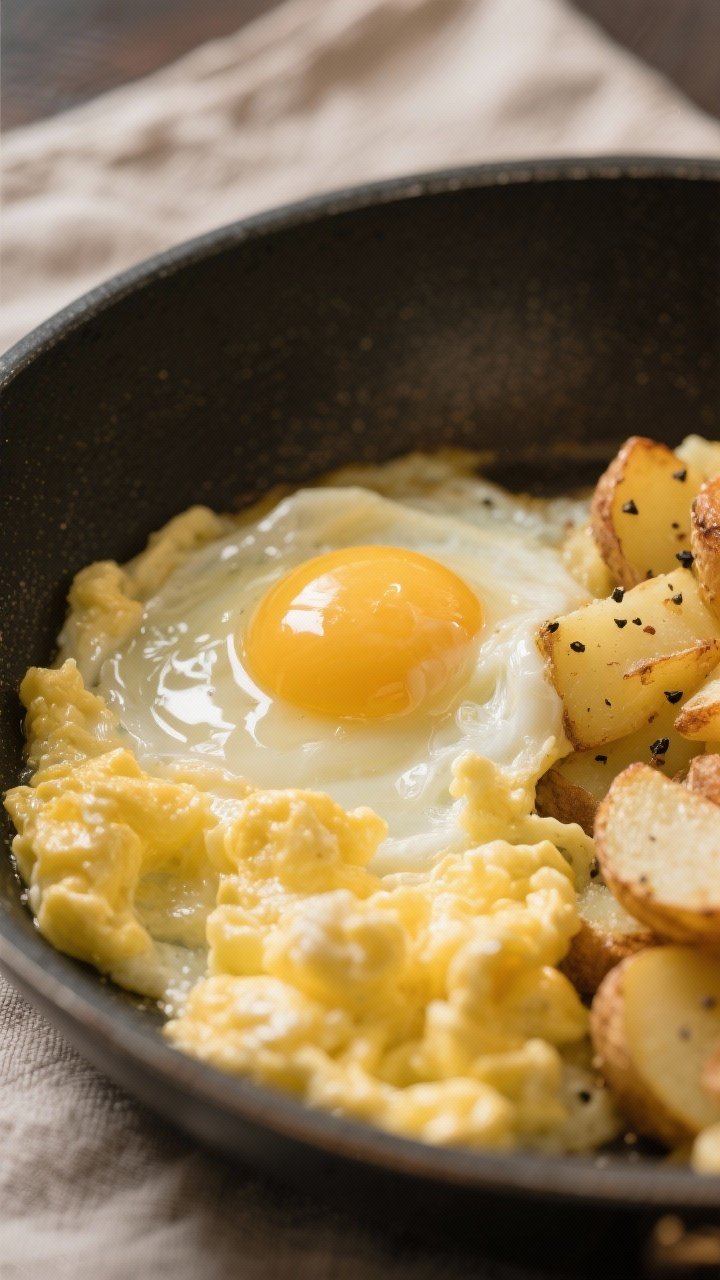
For families who lean savory, Breakfast Tacos with Potato & Egg offer a hearty, protein rich breakfast that still feels like comfort food. Soft scrambled eggs bring high-quality protein (about 6 g per large egg), while crispy potatoes and tortillas round out the meal.
Top with salsa, avocado, or a sprinkle of cheese for extra flavor and fat. These tacos are easy to batch-cook, and leftovers can be reheated quickly for another day’s breakfast.
Other Simple Savory Pairings
You don’t always need a full recipe to build a savory protein rich breakfast. A couple of eggs, some leftover roasted vegetables, and a sprinkle of cheese can go into a quick scramble or wrap.
For older kids and adults, adding smoked salmon or turkey sausage can bump protein even higher. Think in building blocks: eggs + lean protein + fiber-rich veg + whole grain when possible.


8. Building a Balanced Protein Rich Breakfast Plate
While protein is the star, balance is what makes breakfast satisfying and sustainable. Aim for three components: protein (eggs, yogurt, protein-enhanced recipes), fiber (whole grains, fruit, seeds), and healthy fats (nuts, avocado, nut butter).
| Component | Examples | Approx. Protein |
|---|---|---|
| Protein | 2 eggs, Greek yogurt, protein bites, protein pancakes | 12–25 g |
| Fiber | Oats, quinoa, berries, chia seeds | 2–8 g |
| Healthy fats | Nut butter, nuts, seeds, avocado | 2–8 g |
Mix and match from the recipes we’ve discussed: for example, a bowl of berry protein oatmeal topped with nut butter checks all three boxes. So does quinoa porridge with nuts and a side of Greek yogurt.
Human-Centric Example #2: The College Student Who Skipped Breakfast
A college student I advised routinely skipped breakfast and then over-ate late at night. We started with something realistic: a jar of chocolate chia pudding plus two protein bites, prepped the night before. Within two weeks, she noticed more focus in morning lectures and less need for huge dinners. She kept the same total calories, but simply shifting protein into breakfast changed how she felt all day.
9. Protein Rich Breakfasts for Busy Mornings
On truly rushed days, make-ahead and minimal-prep options are your safety net. Keep a small rotation: protein muffins in the freezer, jars of chia pudding in the fridge, and a container of protein bites ready to grab.
Pair any of these with a piece of fruit and a milk or soy drink, and you’re still hitting meaningful protein. Ready-to-drink shakes with 20–30 g of protein can also step in as a backup on days everything goes sideways.
10. Protein Rich Breakfast Tips for Picky Kids and Toddlers
For cautious eaters, the goal is familiarity plus a small protein upgrade. Start with foods they already like—pancakes, muffins, oatmeal—and use recipes that quietly add eggs, yogurt, chia, or quinoa for more protein.
Presentation matters. Pancake skewers with colorful fruit, mini muffins, and jars they can help assemble all make protein rich breakfasts feel fun rather than “healthy.” Keep flavors gentle (banana, cinnamon, vanilla, mild chocolate) and offer toppings so kids feel some control.
Conclusion
A protein rich breakfast doesn’t need exotic ingredients or complicated cooking. With simple recipes like protein pancake skewers, blueberry lemon protein muffins, berry protein oatmeal, quinoa porridge, chia pudding jars, and potato & egg breakfast tacos, you can build a rotation that works for both kids and adults.
Focus on hitting roughly 20 g of protein, pair it with fiber and healthy fats, and choose formats your family actually enjoys. Over time, that first meal of the day becomes more than just “something quick”—it becomes the most reliable fuel you have for energy, focus, and calmer mornings.