
Allergen Aware Cooking For Real Families: Practical Swaps, Safe Snacks, And Stress Free Meal Ideas
Food allergies and intolerances are no longer rare edge cases at the family table. In the U.S. alone, food allergies now affect 6.2% of adults and 5.8% of children, which means most homes either cook for someone with a restriction or host guests who have one. Allergen aware cooking is about more than “avoiding peanuts” – it is a system for planning recipes, shopping, and prepping food so everyone can eat safely without feeling singled out. This guide walks through practical strategies and showcases real snack recipes that are easy to adapt to different allergies and intolerances.
Key Takeaways
| Question | Short Answer |
|---|---|
| 1. What is allergen aware cooking? | It is a way of planning, preparing, and serving food that actively prevents exposure to allergens and irritants, using clear recipes, ingredient checks, and cross contact controls at home and when you rely on recipes like these top 8 free energy balls. |
| 2. How do I cook for multiple allergies in one family? | Start with “base” recipes that are naturally flexible, like no bake energy balls, then divide the batch and customize each portion; recipes such as apple cinnamon energy balls are good templates. |
| 3. Which allergens matter most in family cooking? | The “big 8” (peanut, tree nuts, milk, egg, soy, wheat, fish, shellfish) plus sesame and common intolerances such as gluten and lactose; recipes like cranberry walnut energy balls show how to swap nuts or gluten when needed. |
| 4. Can allergen friendly snacks still be high in protein? | Yes. Using seeds, oats, and safe protein powders lets you create bites like cranberry orange protein bites that feel like dessert but support sports, school, and busy days. |
| 5. How do I keep holiday treats safe for kids with allergies? | Lean on simple, no bake recipes that avoid common allergens and can be prepped ahead, such as gingerbread energy balls and fun elf energy balls. |
| 6. How fast can allergen aware snacks realistically be? | Most of the recipes in this article mix in one bowl or food processor and roll in 10 to 20 minutes, making them realistic for weeknights and lunchbox prep. |
Understanding Allergen Aware Cooking For Everyday Families
Allergen aware cooking starts with recognizing just how many people are affected. One large survey estimates that 26 million adults and 6 million children in the U.S. live with food allergies, not counting intolerances and sensitivities. In a typical classroom, sports team, or extended family, someone has to read labels very carefully.
For home cooks, that reality means recipes need to be flexible by design. Instead of relying on one “special” dish for the allergic child, families do better with shared meals and snacks that everyone can enjoy, with swap options built in. No bake energy balls are a strong fit because they rely on a short list of pantry ingredients, can be mixed in one bowl, and can be adapted for nut free, dairy free, and gluten free needs.

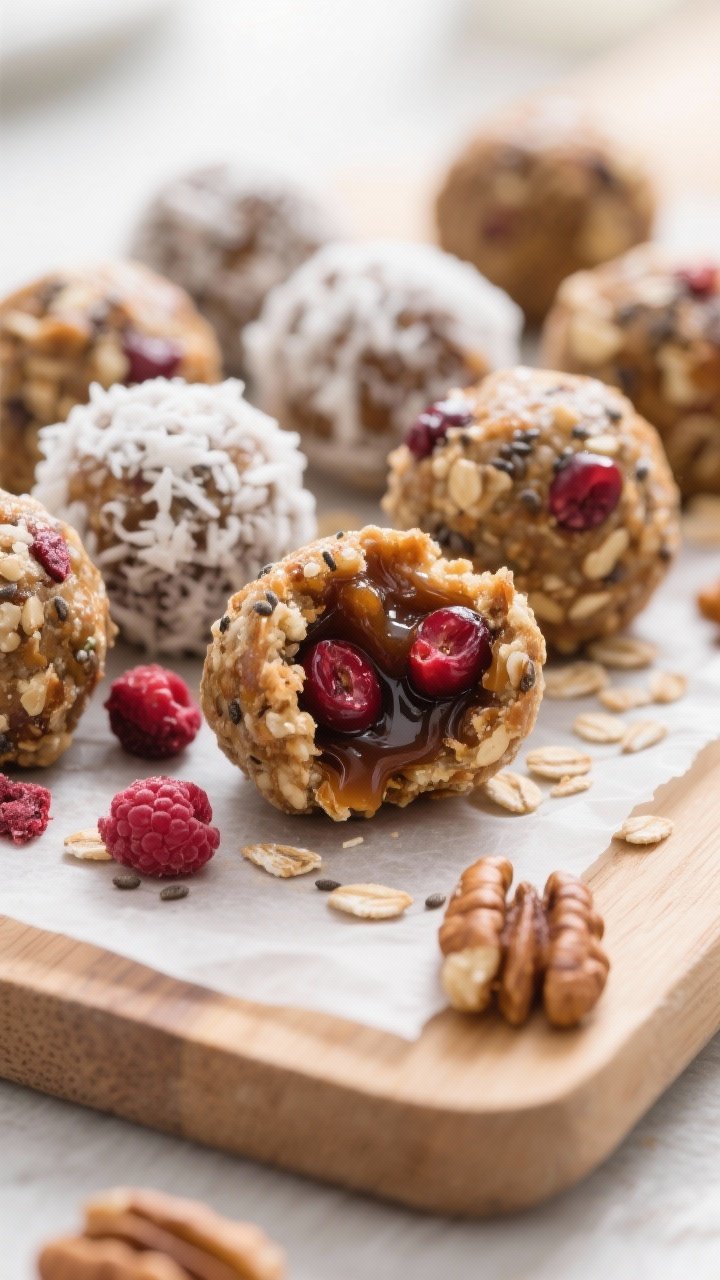
A good allergen aware recipe clearly labels the allergens it avoids, shows where to swap ingredients, and explains storage so you can prep once and snack all week. The recipes we draw on in this article do exactly that, while still feeling like treats instead of medical food. That balance is important for kids who may already feel restricted.
Top 8 Free Energy Balls: A Template For Inclusive Snacking
Why “Top 8 Free” Matters
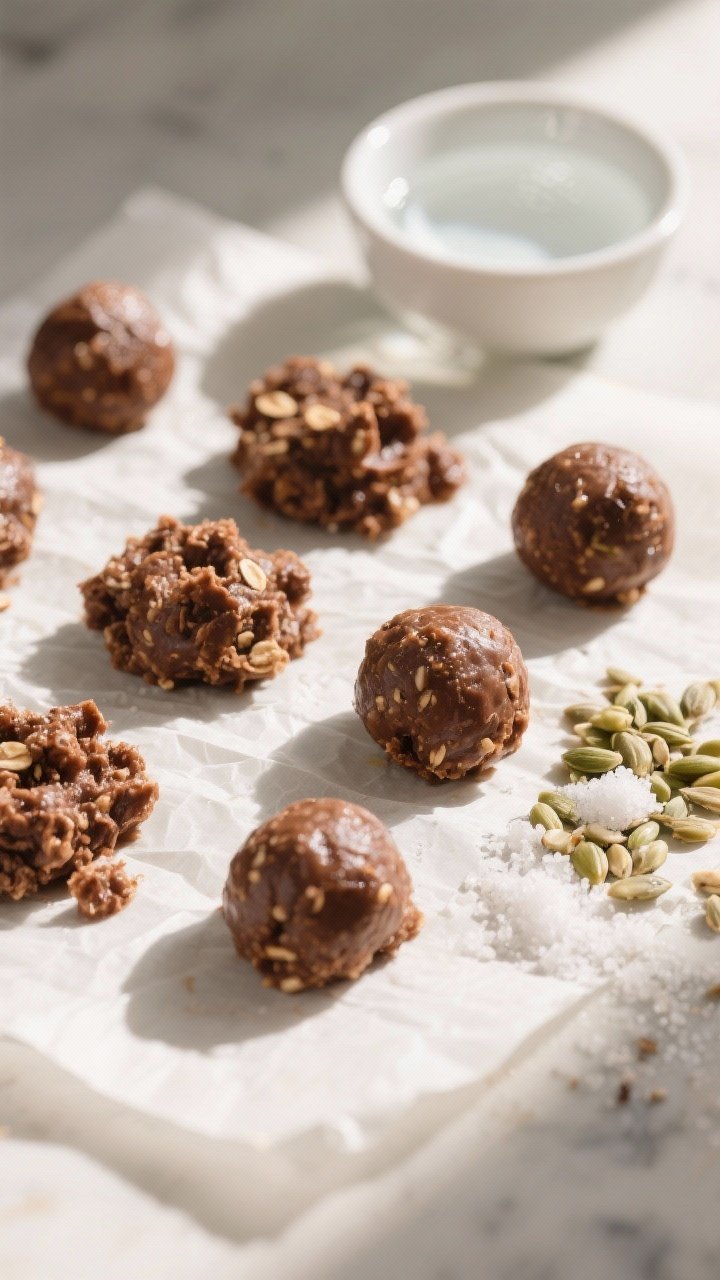
The Allergy Friendly Energy Balls (Top 8 Free) recipe is a strong base for allergen aware cooking, because it is built without the eight major allergens: peanuts, tree nuts, milk, egg, soy, wheat, fish, and shellfish. It uses soft Medjool dates, gluten free oats, sunflower seed butter, ground flaxseed, hemp hearts, cocoa powder, maple syrup, and vanilla. The result is a chewy, chocolatey snack that feels indulgent but stays safe for most guests.
From a family cooking standpoint, this kind of recipe solves three problems at once. It delivers a shelf stable, lunchbox friendly bite, it uses pantry staples, and it avoids the biggest allergen group without extra effort. Since there is no baking, kids can help measure and roll, which also helps them learn which ingredients are safe for them.

How To Use This Recipe As A Base
Because the fat source is sunflower seed butter, you can safely serve these where nuts are banned, such as nut free schools, playgroups, or sports events that host children with serious allergies. If gluten is not an issue in your home, you can still keep the recipe as written; if gluten is a concern, choosing certified gluten free oats keeps the energy balls suitable for coeliac needs.
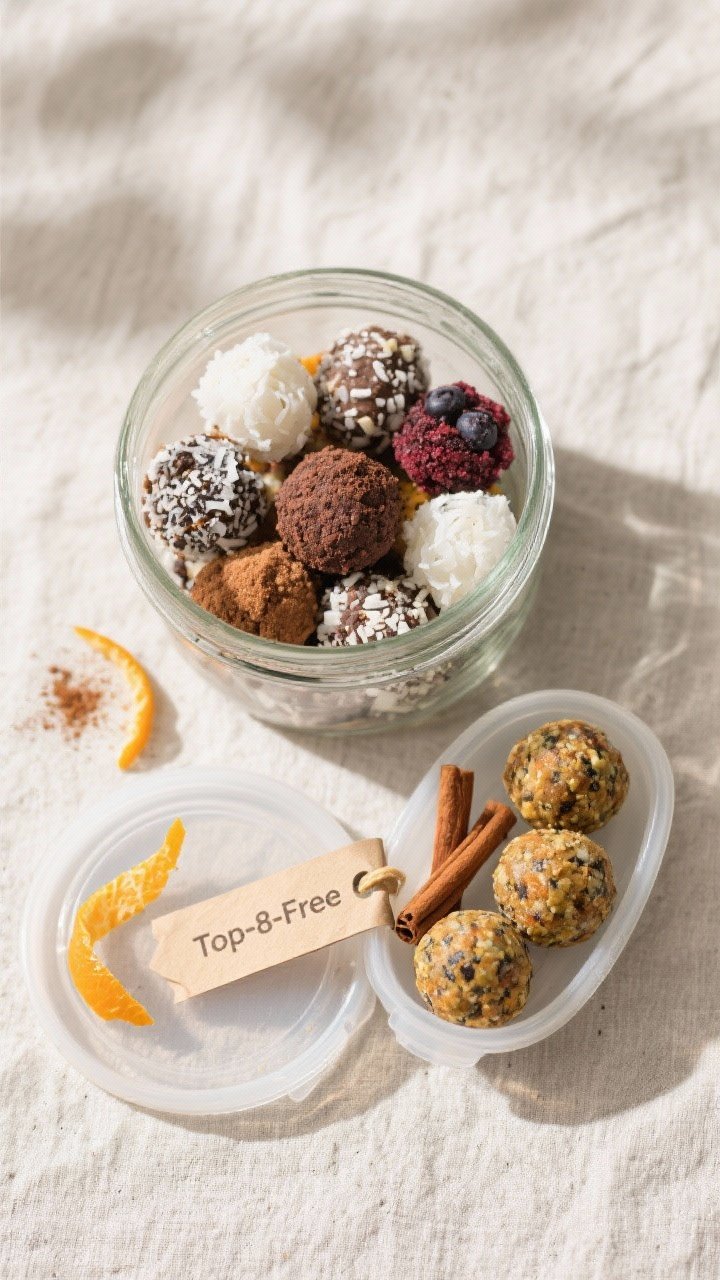
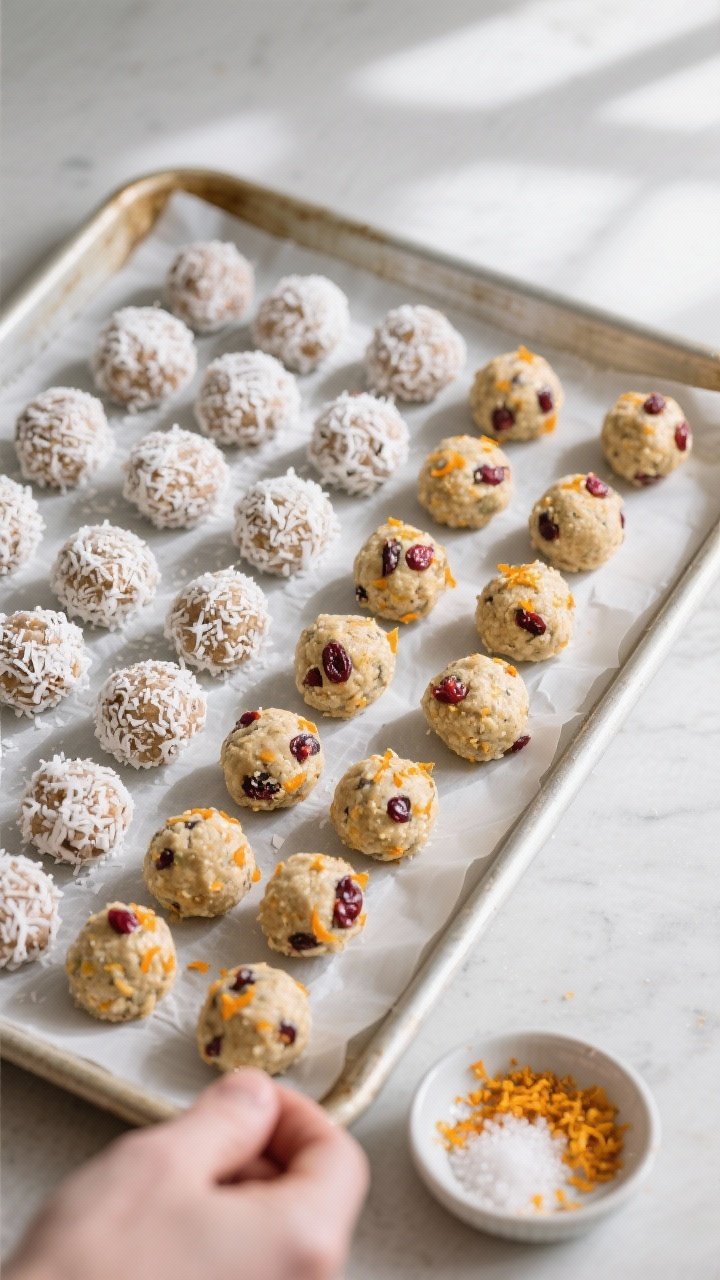
You can also roll each ball in different coatings to signal which version is which. For example, coconut flakes for the version with added protein powder, cocoa powder for the plain chocolate batch, and crushed freeze dried fruit for a kid version. Clear visual differences reduce mix ups when you are cooking around different restrictions at once.
Apple Cinnamon Energy Balls: Allergen Aware Comfort Snack
Apple Pie Flavour Without The Usual Triggers
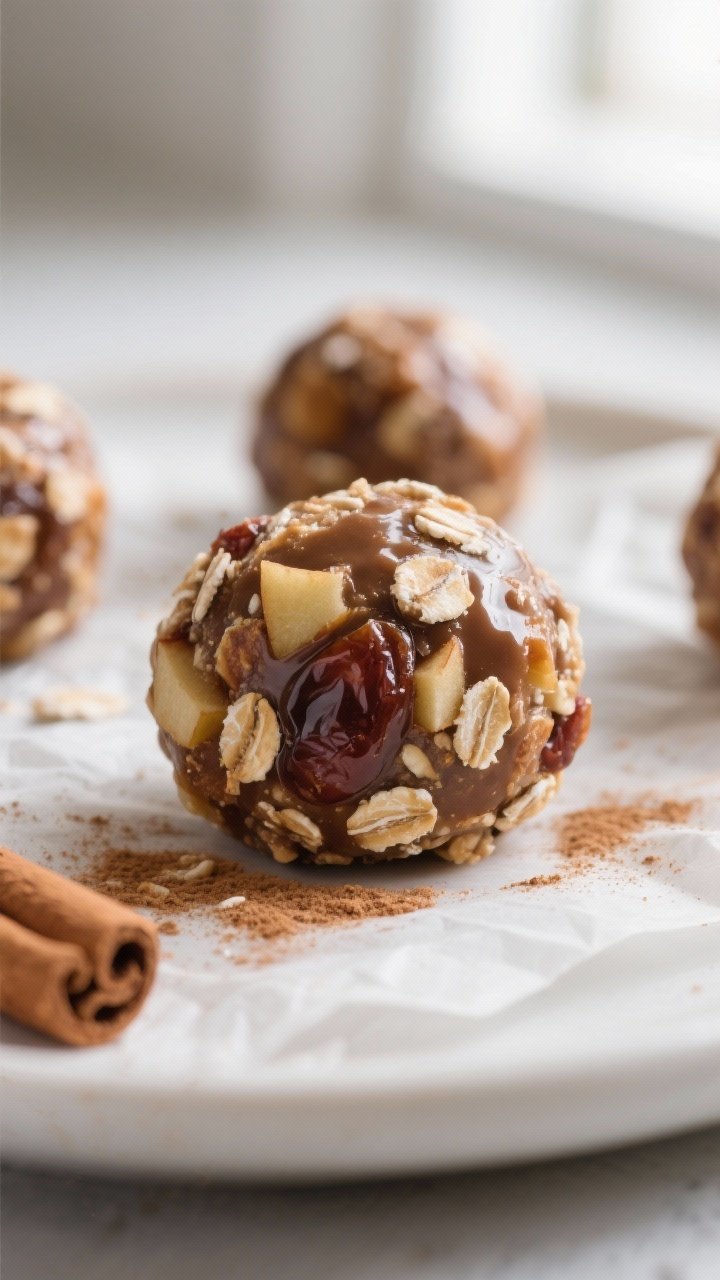
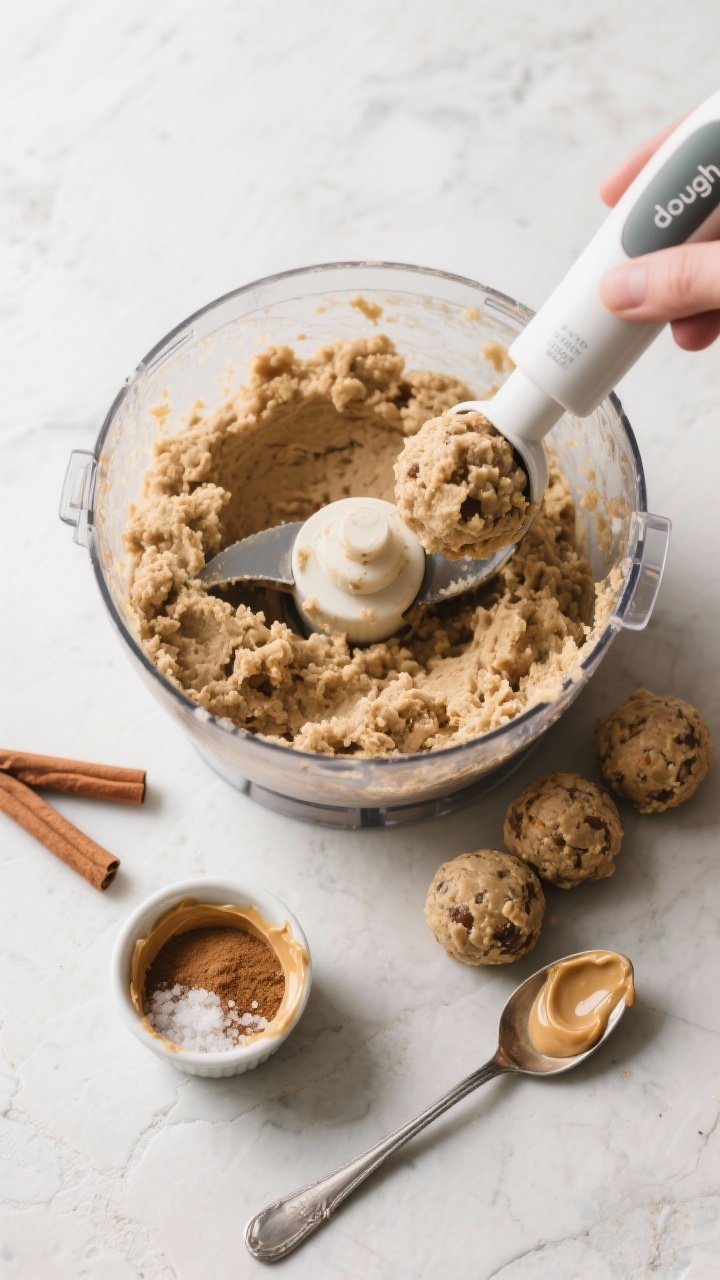
The Apple Cinnamon Energy Balls recipe is designed to taste like a bite of warm apple pie with none of the baking or heavy crust. It relies on oats, dates, dried apples, cinnamon, and an optional nut or seed butter. That structure lets you swap peanut butter for sunflower seed butter or tahini if you need a nut free version.
This kind of recipe is useful for families managing both allergies and blood sugar concerns. You get sweetness from fruit instead of frosting or refined sugar, plus fibre from oats and dried apples to slow the effect. For kids who feel they “cannot have dessert,” these bites are a satisfying compromise that still respect their restrictions.
Managing Gluten And Dairy Concerns
For gluten awareness, the same rule applies: oats are naturally gluten free but can be contaminated, so choose certified gluten free oats if anyone in the family has coeliac disease or strong gluten intolerance. The recipe itself is dairy free by default, as it uses fruit and plant based binders, which makes it simpler than many traditional baked apple desserts.
In practice, you might batch make these on Sunday, store them in the fridge, and pack them for school snacks and work breaks all week. The recipe’s short ingredient list also makes it easier to check each label carefully for “may contain” warnings without spending all afternoon in the supermarket aisle.
Managing Nuts And Seeds: Cranberry Walnut Energy Balls
When Nuts Work – And When They Do Not
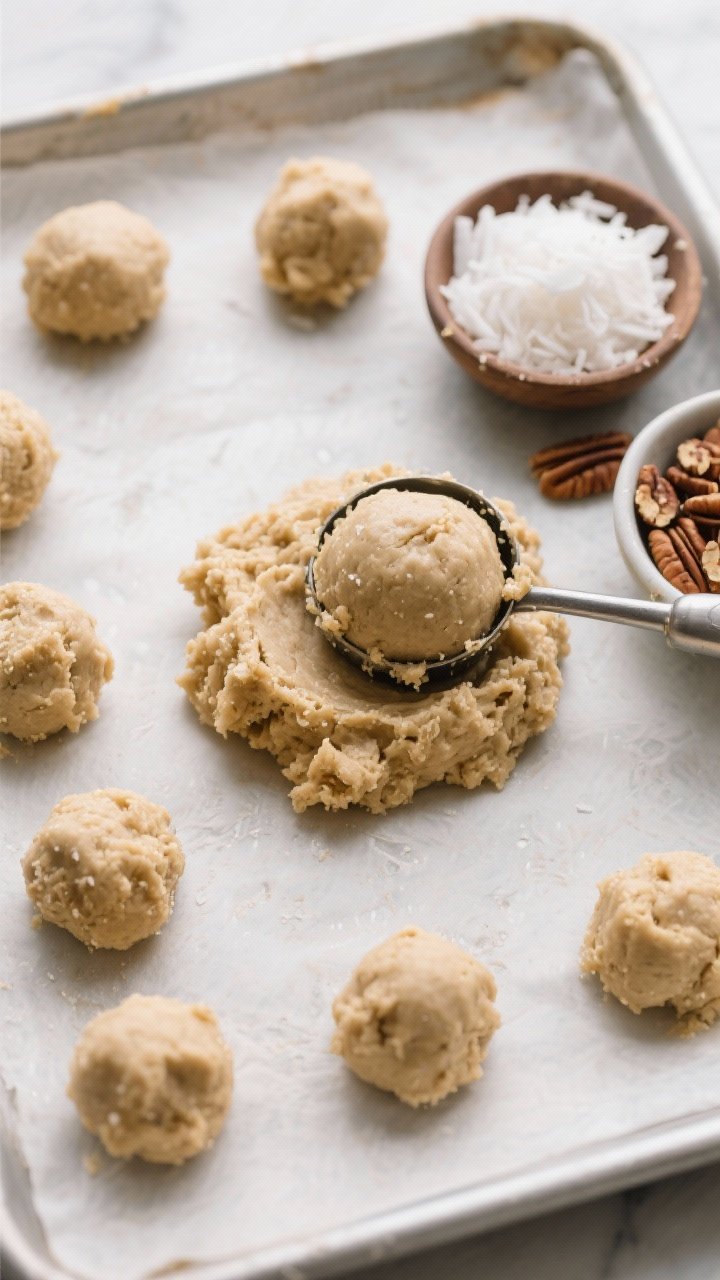
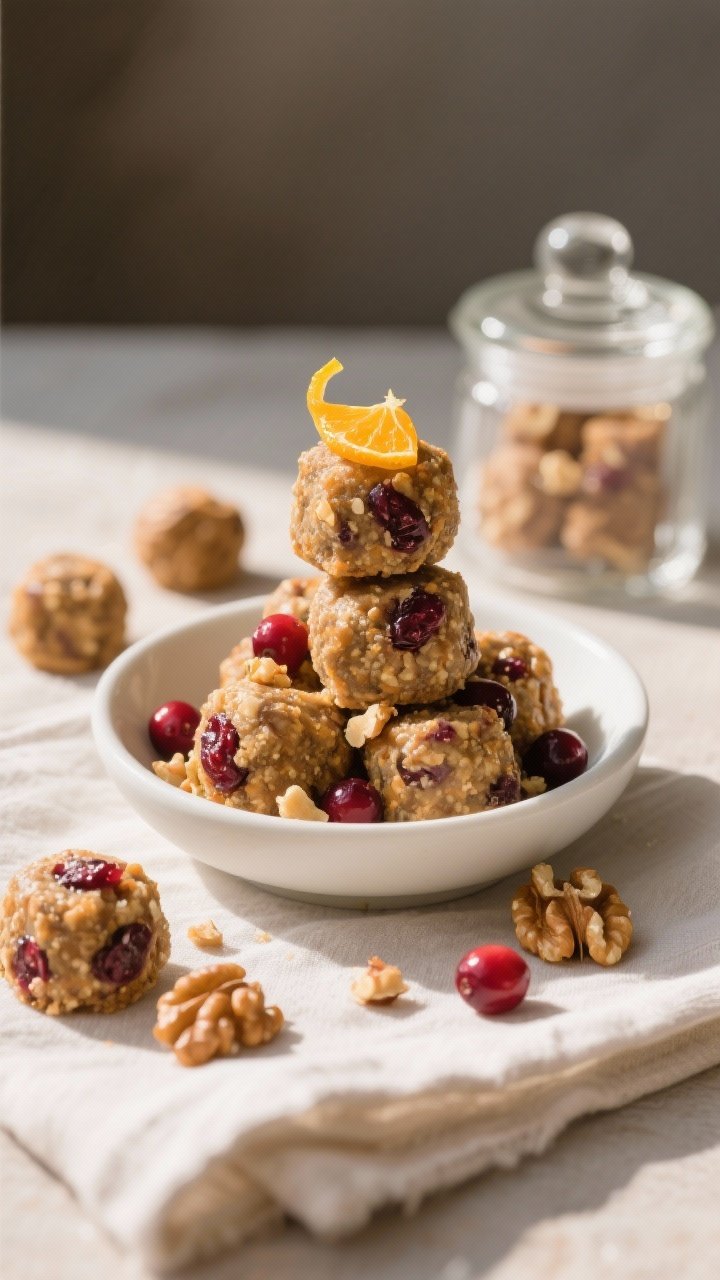
Many families are juggling both nut free spaces (school, parties) and nut friendly ones at home. The Cranberry Walnut Energy Balls recipe leans into walnuts for texture and healthy fats, paired with tart dried cranberries and oats. For households without nut allergies, this is a nutrient dense, festive choice.
If you love this flavour but need a nut free version, walnuts can often be swapped for pumpkin seeds or sunflower seeds. The texture shifts slightly, but the sweet tart cranberry profile still comes through. Always check dried cranberry labels for shared equipment warnings, since some brands are processed near nuts.
Label Reading And Cross Contact
Nuts are a common cross contact risk, especially in bakery items and bulk bins. For energy ball recipes, buying sealed packages of nuts or seeds with clear allergen labelling reduces your risk. At home, keep a separate chopping board, knife, and storage container for nut free batches if someone in the family has a serious allergy.
| Focus | Nut Friendly Batch | Nut Free Batch |
|---|---|---|
| Protein & fat source | Walnuts, almond butter | Sunflower seeds, pumpkin seeds, sunflower seed butter |
| Equipment | Standard chopping board, processor | Dedicated nut free board and bowl |
| Storage | Labelled “contains nuts” | Labelled “nut free”, stored separately |
Clear labelling at home may feel formal, but it avoids dangerous mix ups when you are tired or when another caregiver is serving snacks. For parties, it is wise to keep nut free energy balls on a separate tray with their own serving tongs.
Did You Know?
42% of Americans rank unclear labeling information on packaged foods and beverages as a top concern related to allergens.
Source: International Food Information Council (IFIC), 2025 Spotlight Survey
Protein Rich Allergen Aware Snacks: Cranberry Orange Protein Bites
Balancing Energy For Sport, School, And Work
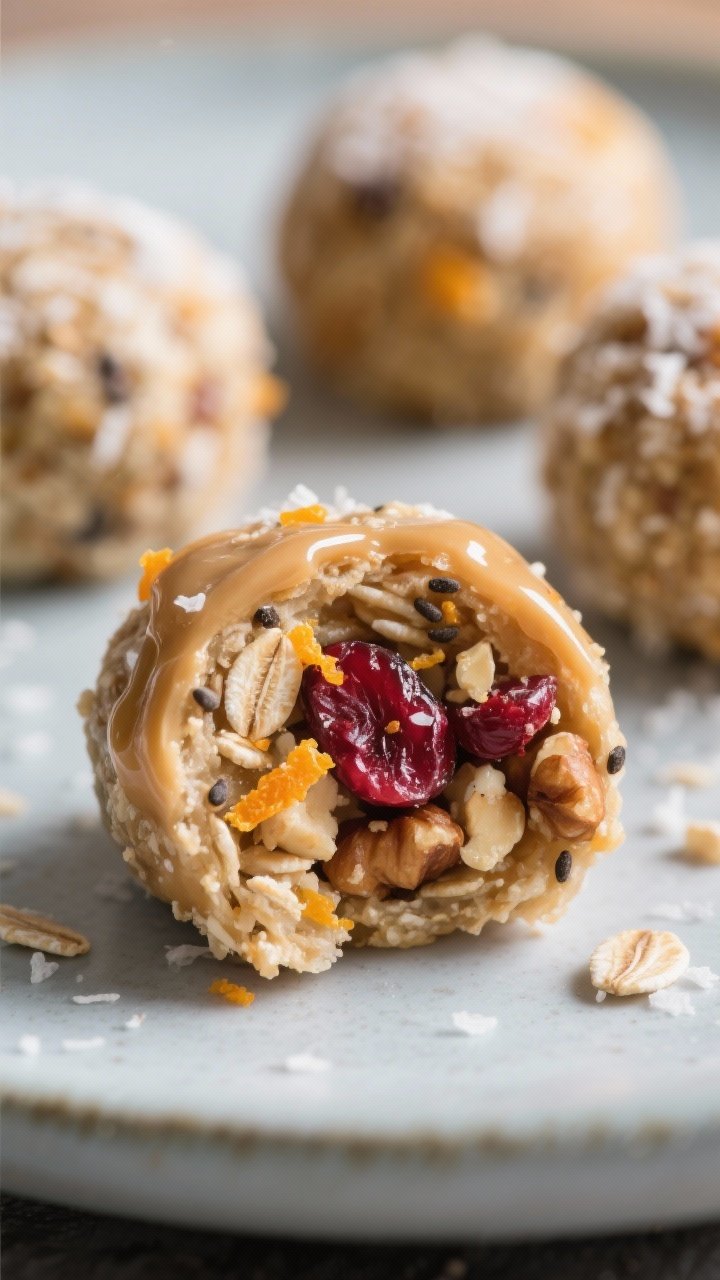
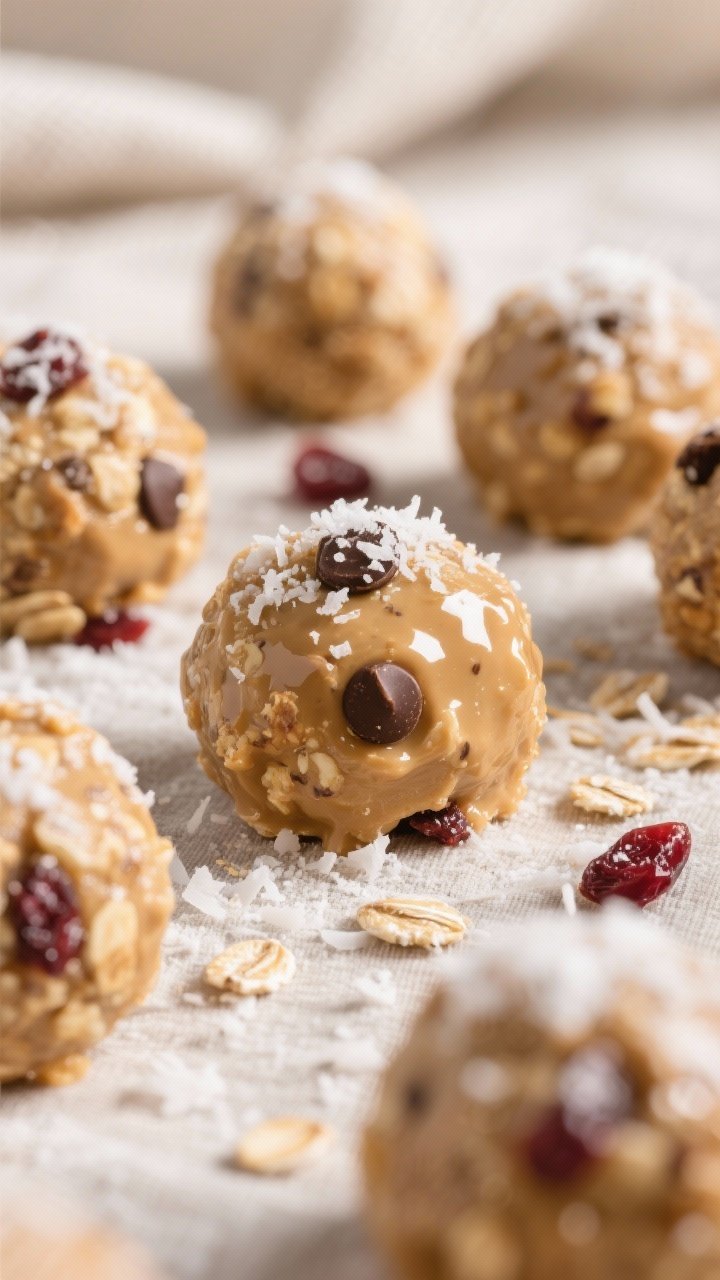
Families often need snacks that feel like treats but also work as fuel for sports and busy days. The Cranberry Orange Protein Bites recipe focuses on that balance: bright citrus, tart cranberries, and a soft, chewy texture built around oats, safe protein powder, and binders like nut or seed butter.
For allergen aware cooking, the key ingredient to review here is the protein powder. Some products include milk, soy, or traces of nuts, while others are pea, rice, or seed based. Reading the label carefully and choosing one that matches your family’s needs lets you keep the recipe while avoiding triggers.
Making One Recipe Work For Different Diets
If one child in the family needs dairy free and another is fine with whey based powders, you can split the base oat and cranberry mixture into two bowls before adding the protein powder. Mix each with its own spoon to avoid cross contact, then roll and store in clearly labelled containers. This single change lets one recipe serve two very different dietary needs.
Again, visual cues help. You might press one batch into mini muffin liners and roll the other as bare spheres so they are easy to tell apart. For older kids, a shared fridge list that names which container is safe for whom builds independence and reduces constant questioning at snack time.
Seasonal Allergen Aware Treats: Gingerbread Energy Balls
Holiday Flavour Without Holiday Risk
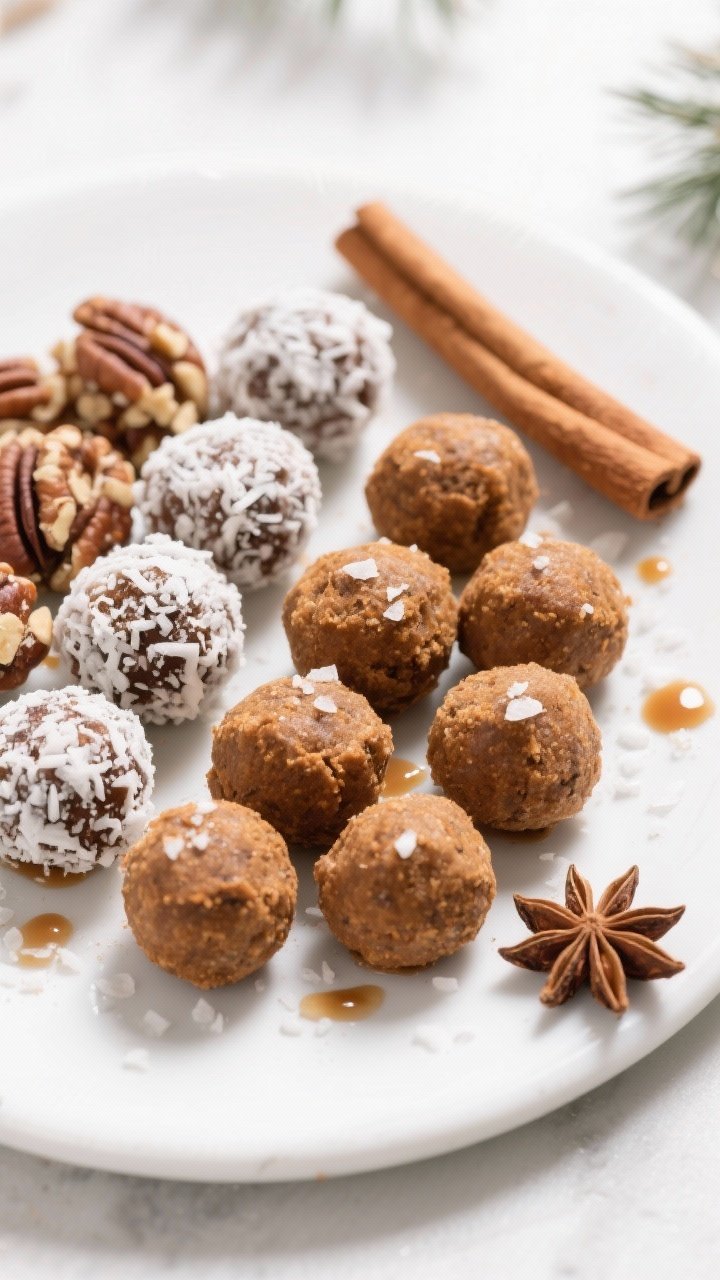
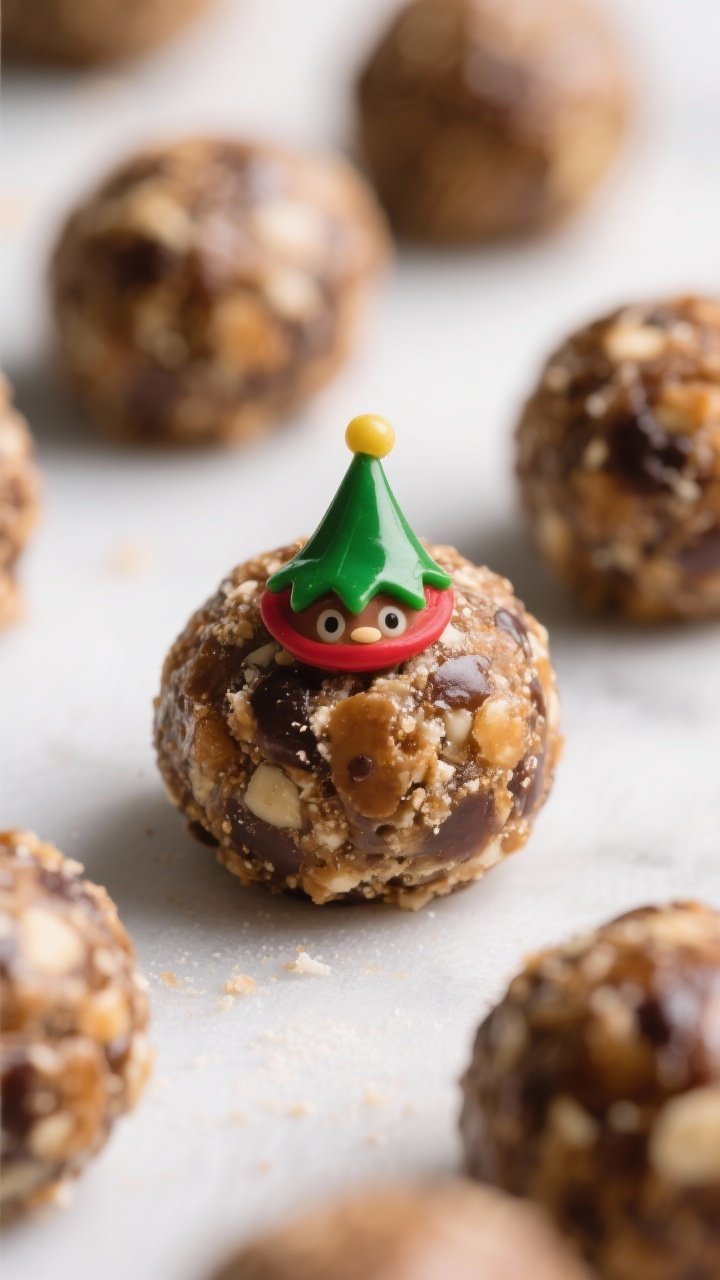
Holidays can be stressful for families navigating allergies. Buffets often mix baked goods, nuts, dairy, and poorly labelled items on a single table. The Gingerbread Energy Balls recipe offers a safer alternative: warm ginger, cinnamon, molasses, and vanilla in a fast, no bake format.
Because this recipe centres on dates, oats, and spices, you can often keep it dairy free, egg free, and easily gluten aware by choosing the right oats. Serving a tray of these at gatherings ensures there is at least one dessert style option that is clearly safe for guests with common allergies, as long as you have checked each ingredient.
Freezer Friendly Prep For Busy Seasons
These gingerbread bites can usually be stored in the fridge for several days or frozen for longer. That makes them ideal for December, when school events, office parties, and family visits stack up. You can prepare a double batch ahead of time and defrost as needed rather than baking from scratch the night before every event.
For very sensitive individuals, remember that spices themselves can sometimes be cross contaminated during packaging. Sticking with reputable brands and checking labels for “may contain” information gives extra peace of mind when you are preparing larger quantities to share.
Fun For Kids: Elf Energy Balls And Holiday Chaos
Making Safe Food Feel Exciting
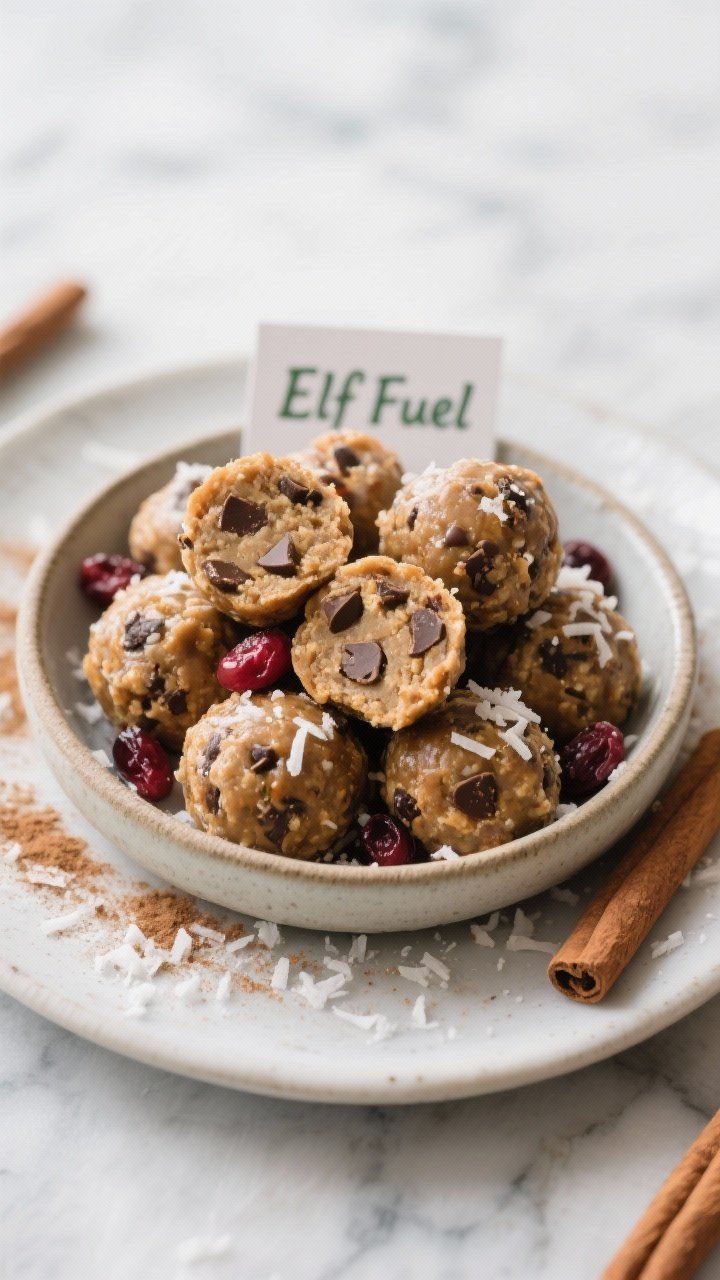
Kids with allergies often feel left out when treats arrive at school or at parties. The Elf Energy Balls recipe works around that by pairing fun branding with a practical ingredient list. These no bake bites usually combine oats, a sticky binder (like peanut or seed butter and honey), and festive add ins such as “coconut snow” or peppermint pieces.
For peanut or tree nut allergies, you can switch out peanut butter for sunflower seed butter and skip peppermint pieces that are processed near nuts. The playful name and decorations help the snack feel special without signalling that it is “the allergy food,” which matters for social inclusion.
Freezer Friendly Bites For Busy Parents
Elf Energy Balls can usually be made in large batches and frozen. That makes them perfect for days when you need a quick snack before skating lessons, sledding, or long shopping trips. You can take a few out of the freezer in the morning and have them ready soon after.
From an allergen aware perspective, the same cross contact rules apply during decoration. Use separate bowls and spoons for any toppings that contain allergens and decorate the safe batch first before touching mixed bowls. This simple sequence cuts down on the risk of accidentally sprinkling unsafe pieces on the wrong tray.
Did You Know?
Nearly three in ten restaurant allergy reactions required epinephrine (28%), showing how serious even a single mistake with hidden allergens can be.
Source: Food Safety Magazine, Proactive Allergen Prevention in the Foodservice Industry, 2025
Shopping Strategies For Allergen Aware Cooking
Building A Reliable Pantry
Allergen aware cooking is easier when your base ingredients are already safe. The recipes in this article rely heavily on a small set of repeat items: oats, dried fruit (dates, cranberries, apples), seed or nut butters, ground flaxseed, and spices. Once you have identified brands that are safe for your family, it makes sense to buy them consistently.
Keep a simple list on your phone noting which products work: for example, “Brand X gluten free oats – safe for coeliac” or “Brand Y sunflower seed butter – made in a nut free facility.” That avoids having to re read every label from scratch during rushed shopping trips, while still leaving room to recheck if the packaging changes.
Handling “May Contain” Warnings
Label wording such as “may contain peanuts” or “made on shared equipment with wheat” matters for families dealing with severe allergies. For some households, these items are avoided completely. For others, especially with intolerances rather than IgE mediated allergy, these may still be acceptable. Always follow your healthcare provider’s guidance and match products to the strictest set of needs in your home.
If you are cooking for guests, assume a more cautious stance. Where possible, choose ingredients without “may contain” warnings for the allergen you are avoiding and let your guest’s family know exactly which products you used. That transparency builds trust and lets them decide what is safe for their child.
Cross Contact Controls In The Home Kitchen
Simple Habits That Prevent Accidental Exposure
Cross contact happens when a safe food touches even small traces of an allergen. In home kitchens, that might be crumbs on a cutting board, shared knives, or a baking tray that was not fully cleaned. With no bake recipes like the energy balls discussed here, you avoid some risks related to shared ovens, but you still need clean surfaces and tools.
Create a short routine for allergy safe cooking: wash hands thoroughly, wipe counters, use clean boards and knives, and prepare the allergen free batch before working with any ingredients that could be problematic. Store the finished balls in separate containers from other snacks, especially if items like nut bars or regular cookies also live in the same cupboard.
Teaching Kids To Advocate For Themselves
Older children with allergies benefit from learning basic food safety rules early. Involve them in making recipes like top 8 free or nut free energy balls and show them how to read ingredient labels. Explain why their safe snacks are stored in certain containers and how to ask questions before eating food at friends’ houses or events.
When children understand the “why” behind allergen aware cooking, they are more likely to check before sharing snacks or trading food at school. Over time, this shared knowledge reduces the emotional load on parents and encourages a family wide culture of safety.
Planning Parties And Holidays With Allergies In Mind
Buffet Planning Around Common Allergens
When you are hosting, it helps to plan your snack table in zones. For example, you might dedicate one platter to clearly allergen aware options such as top 8 free energy balls, gingerbread energy balls with gluten free oats, and apple cinnamon balls made with seed butter. Place that platter at one end of the table with its own serving utensils and a simple label like “nut free, dairy free, gluten aware – ingredients list available.”
On a separate table or at the far end, you can place more general treats that may contain nuts, dairy, or wheat. This layout reduces the chance of crumbs mixing and lets guests with allergies see where they can safely start. It also signals to other parents that you have thought about allergen aware hosting, which many will appreciate.
Communicating Clearly With Guests
Ahead of time, invite parents or guests to share any allergies or intolerances. If you are using recipes like cranberry walnut energy balls or protein rich bites that contain allergens, list them clearly on small place cards next to each dish. For the allergen friendly items, have a short printed ingredient list available so families can check specifics such as oat brands or seed butters.
This kind of communication mirrors what many people with allergies hope to see in restaurants and cafes, and it builds confidence that their needs are taken seriously. Even simple steps like saying “these gingerbread balls are gluten aware and nut free” can make it much easier for someone to relax and enjoy the gathering.
Conclusion
Allergen aware cooking does not have to mean complicated recipes or constant anxiety. By leaning on flexible, no bake snacks such as top 8 free energy balls, apple cinnamon bites, cranberry walnut balls with seed based swaps, cranberry orange protein bites, gingerbread energy balls, and elf energy balls, families can cover a wide range of allergies and intolerances with a manageable set of ingredients and methods.
The most important habits are consistent label reading, simple cross contact controls, clear labelling at home, and open communication with guests and caregivers. With those practices in place, allergen aware cooking becomes part of everyday life: quick, practical, and inclusive, so that everyone at the table can enjoy a treat that actually feels like a treat, not a compromise.


One Comment