
Budget Friendly Groceries: 10 Smart Shopping Strategies to Feed Your Family Well on Less
Grocery prices keep creeping up, and all-food costs are forecast to rise about 2.9% in 2025, with at-home grocery prices up around 2.2%. That’s a real squeeze on any family budget, especially when you’re trying to keep meals nutritious, not just cheap. The good news: with a focused list, simple recipes, and a few smart habits, you can still serve balanced, satisfying meals without overspending. This guide walks through practical ways to build budget friendly grocery lists and turn them into easy, nourishing meals your family will actually eat.
Key Takeaways
| Question | Quick Answer |
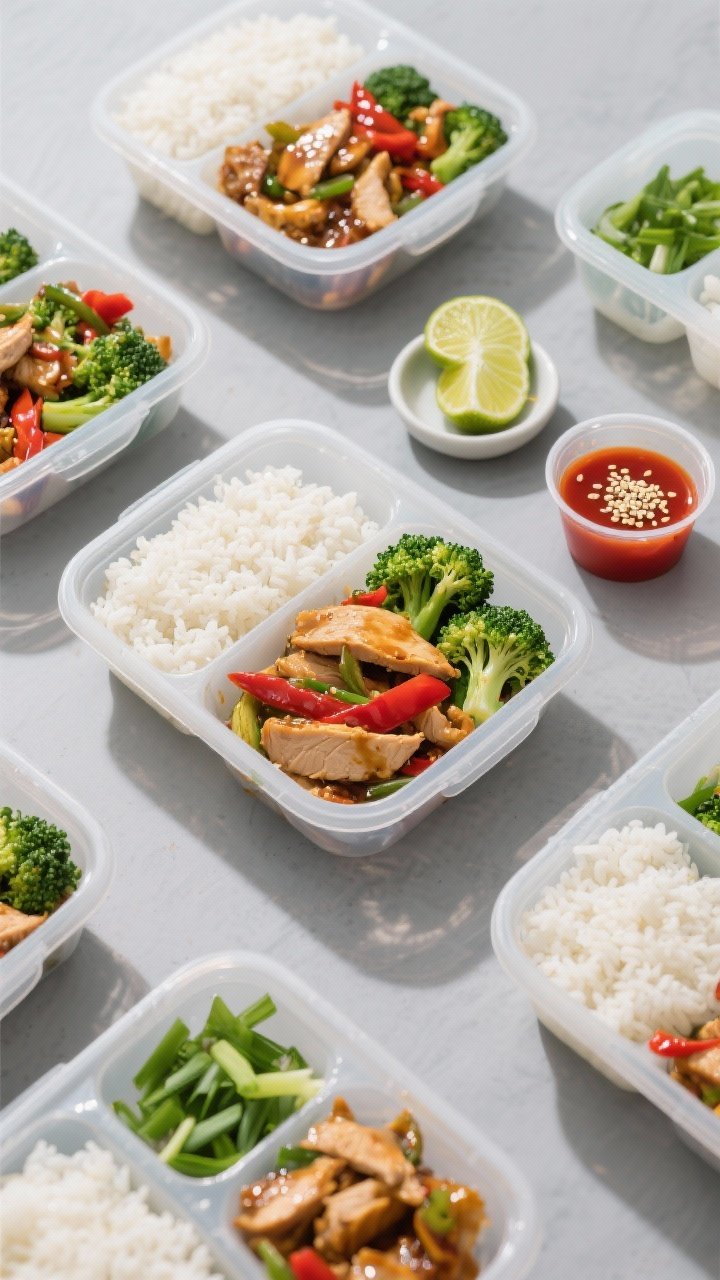
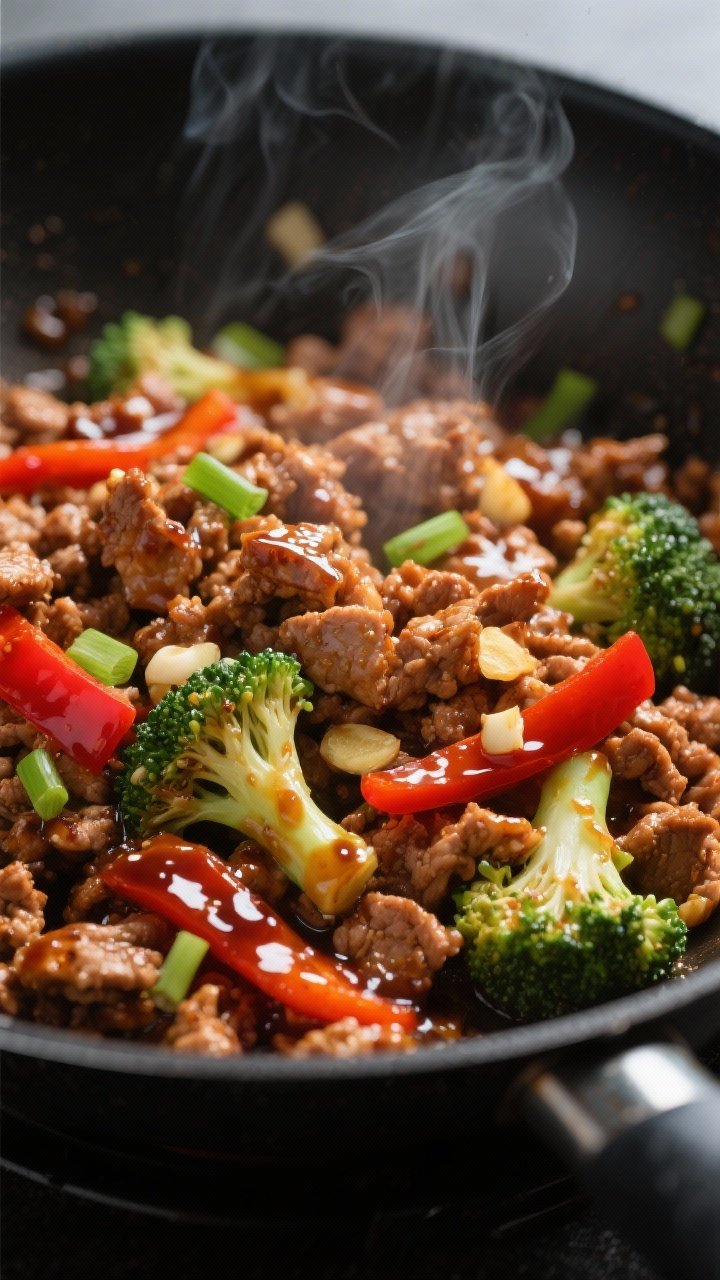
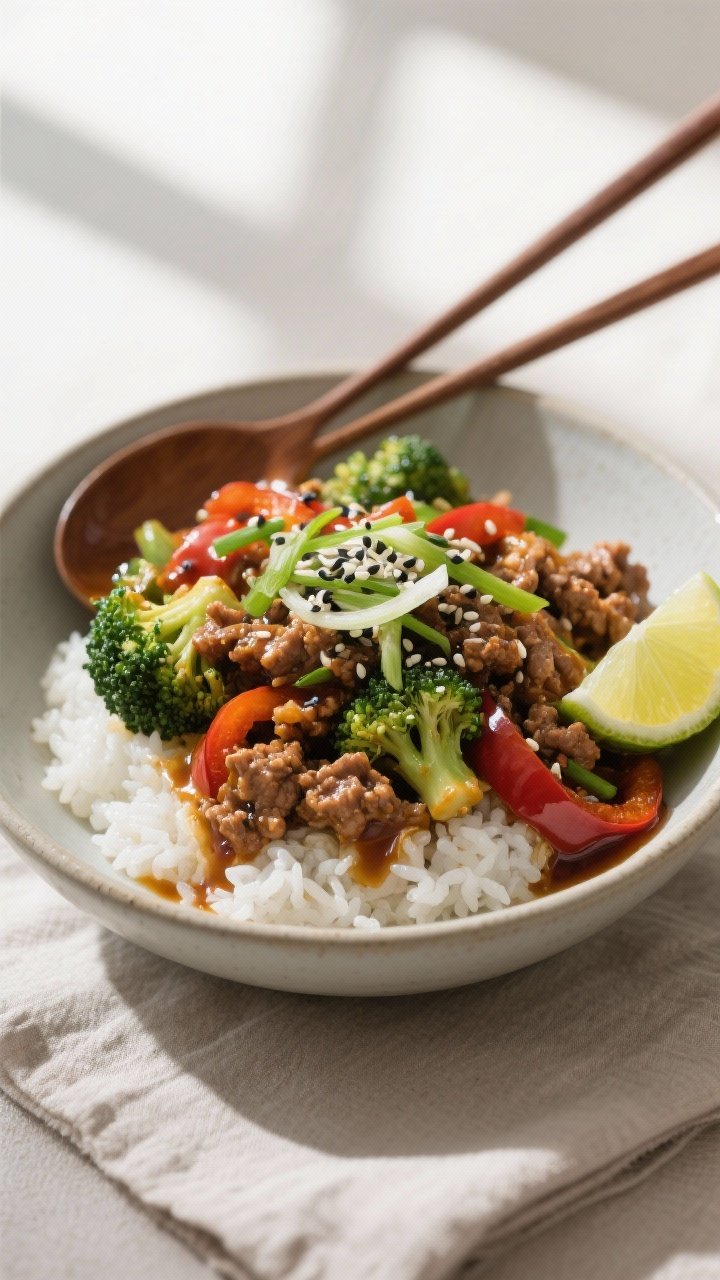
| How can I stretch protein on a tight grocery budget? | Use affordable proteins like ground turkey and chicken in one-pan meals such as this Ground Turkey Teriyaki Stir Fry, which bulk up with vegetables and rice. |
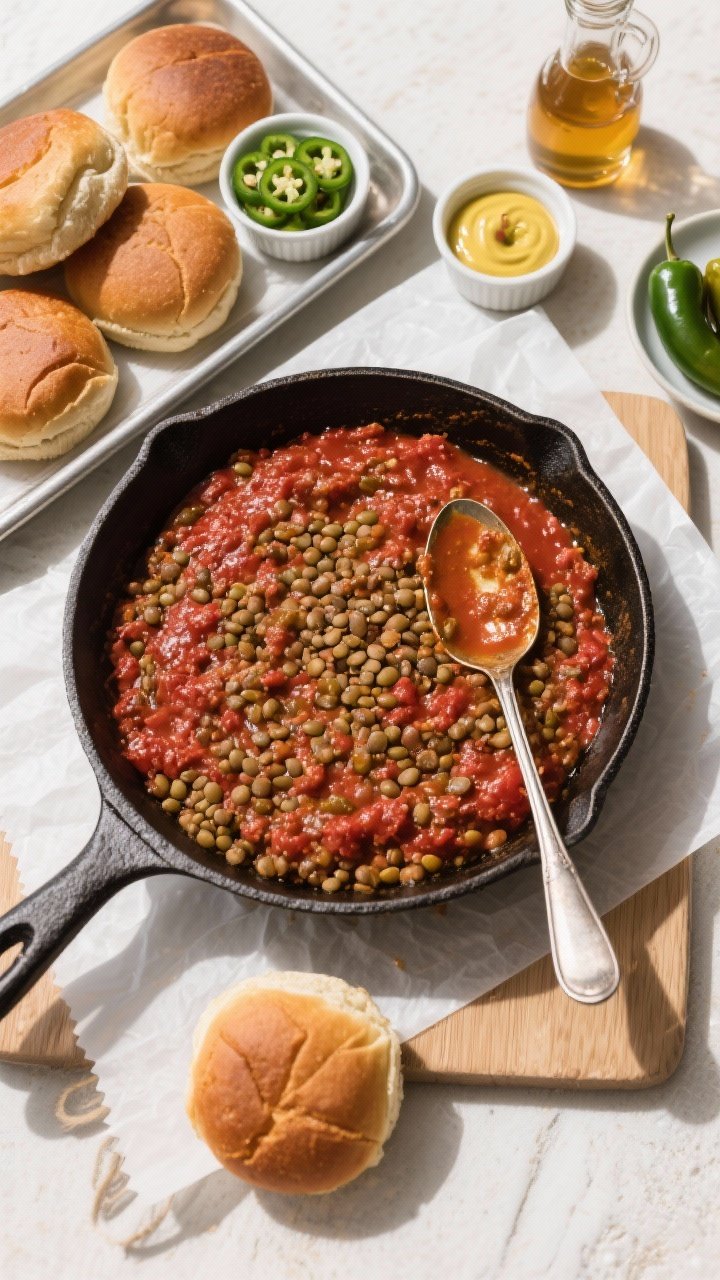
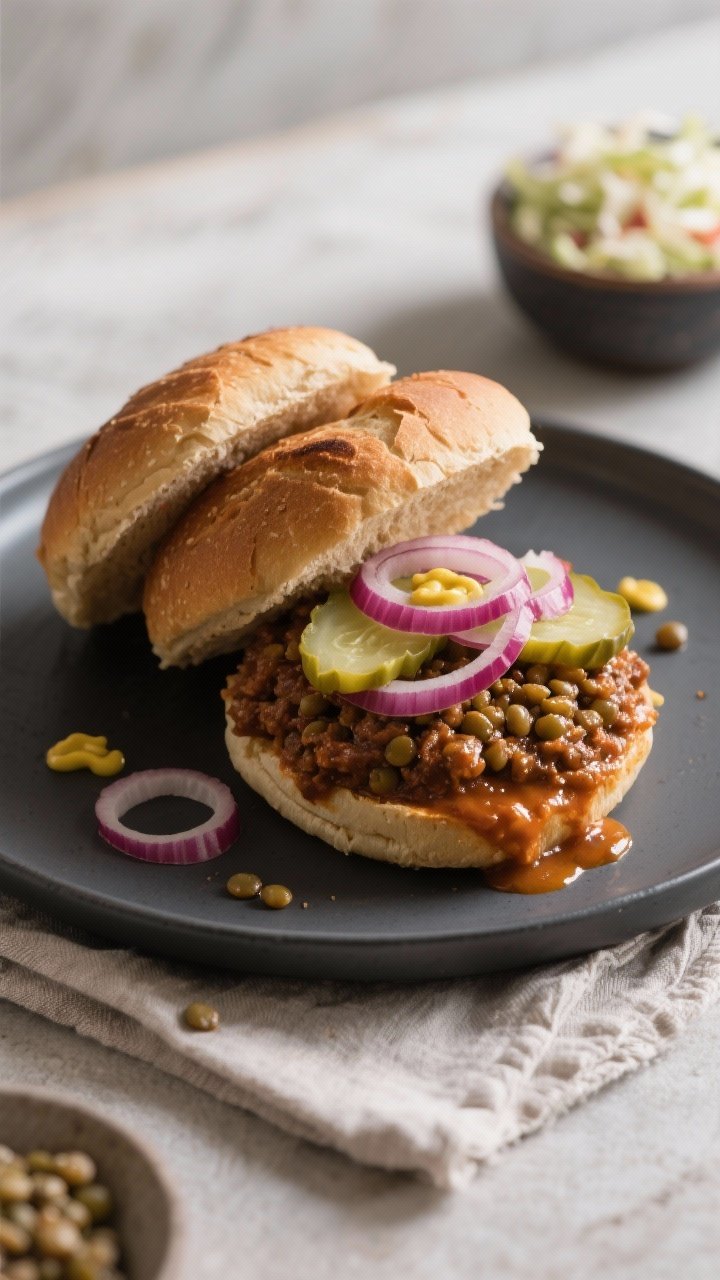
| What are some cheap, high-nutrition pantry staples? | Dry lentils, canned tomatoes, oats, rice, and basic spices can turn into filling meals like these Lentil Sloppy Joes that “outsmart” meat on price and protein. |
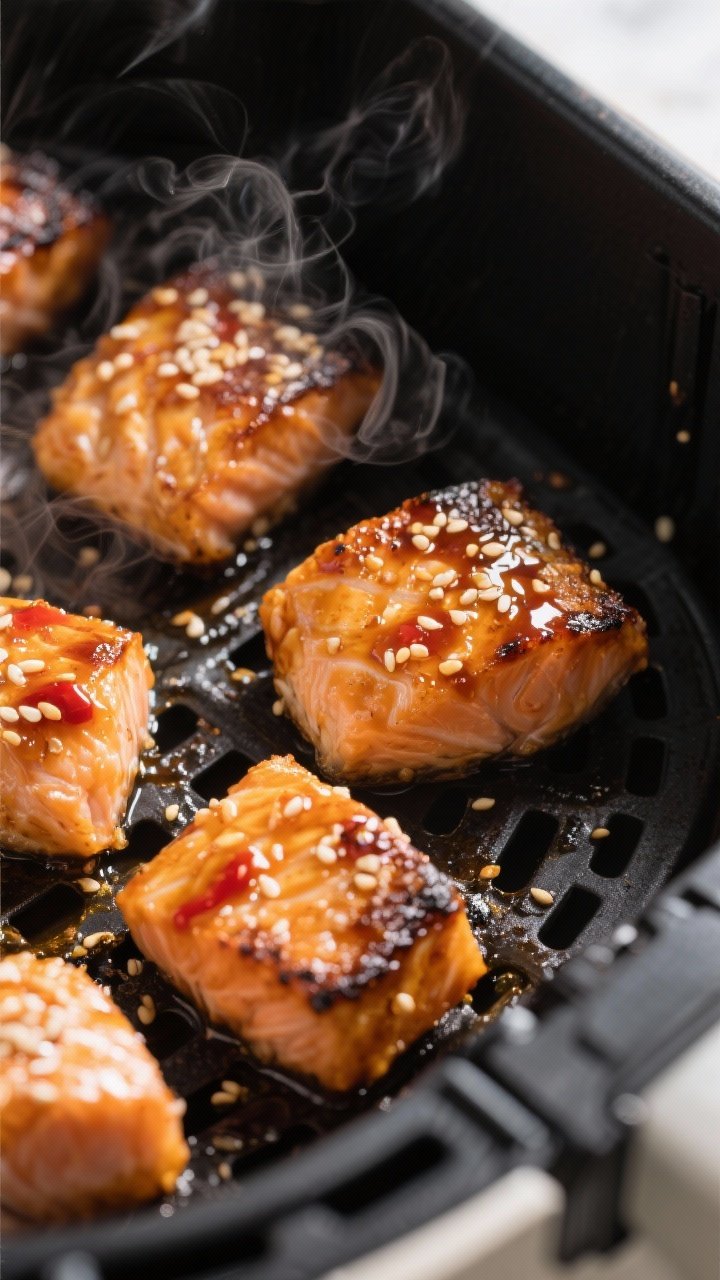
| Can I afford seafood on a family budget? | Yes—use frozen fillets or pieces in fast recipes such as Air Fryer Salmon Bites and pair with rice and frozen vegetables for a complete, cost-conscious meal. |
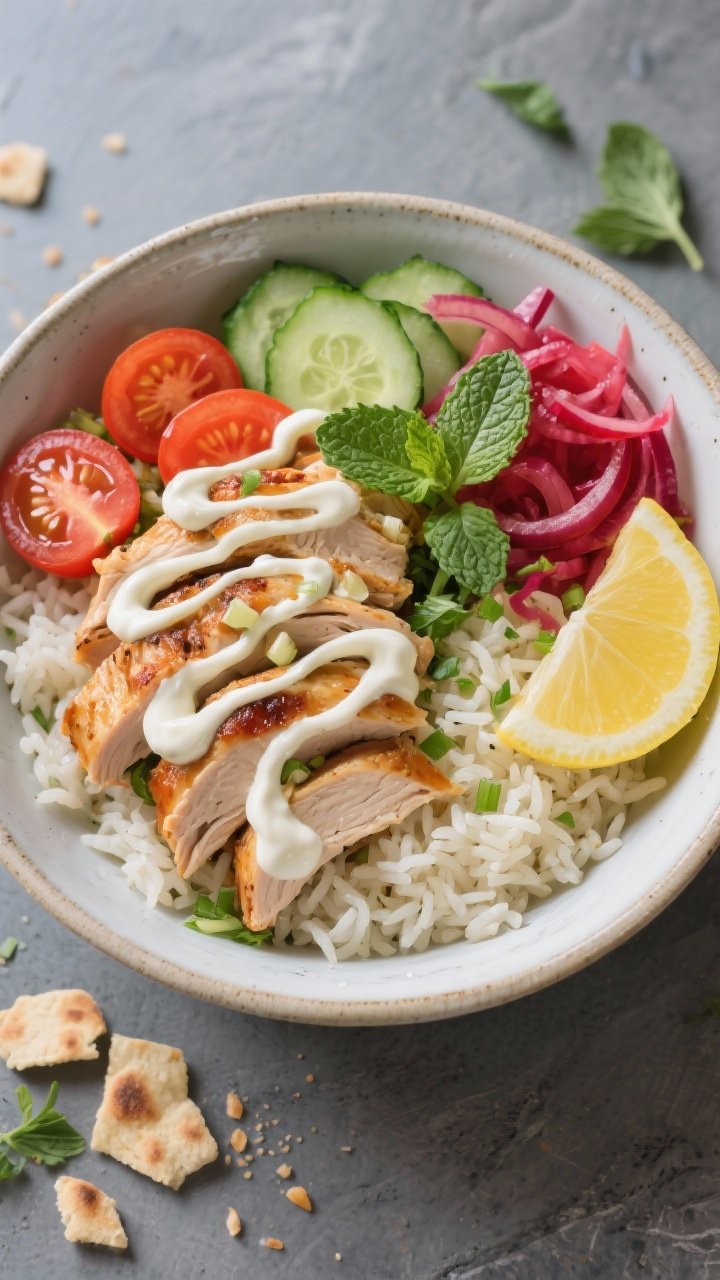
| How do I keep weeknight dinners cheap but interesting? | Lean on big-flavor, simple meals like this Chicken Shawarma Bowl, which uses inexpensive chicken thighs, rice, and basic veggies plus spices. |
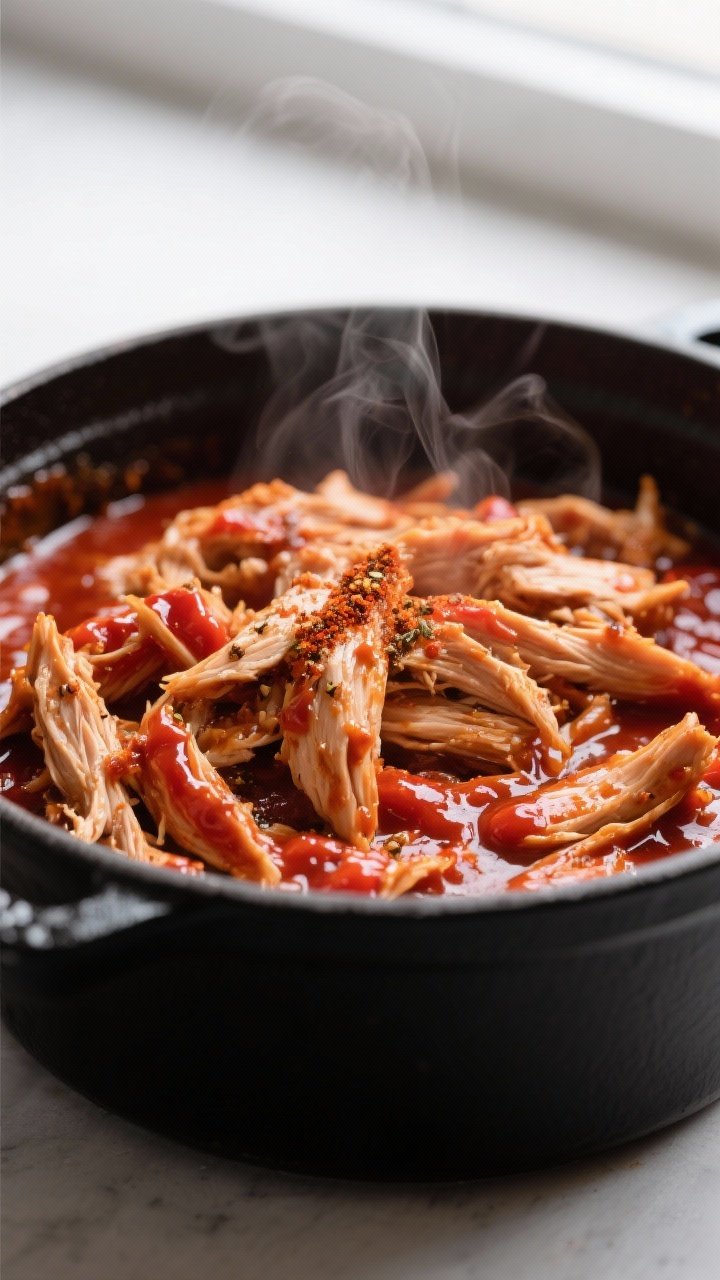
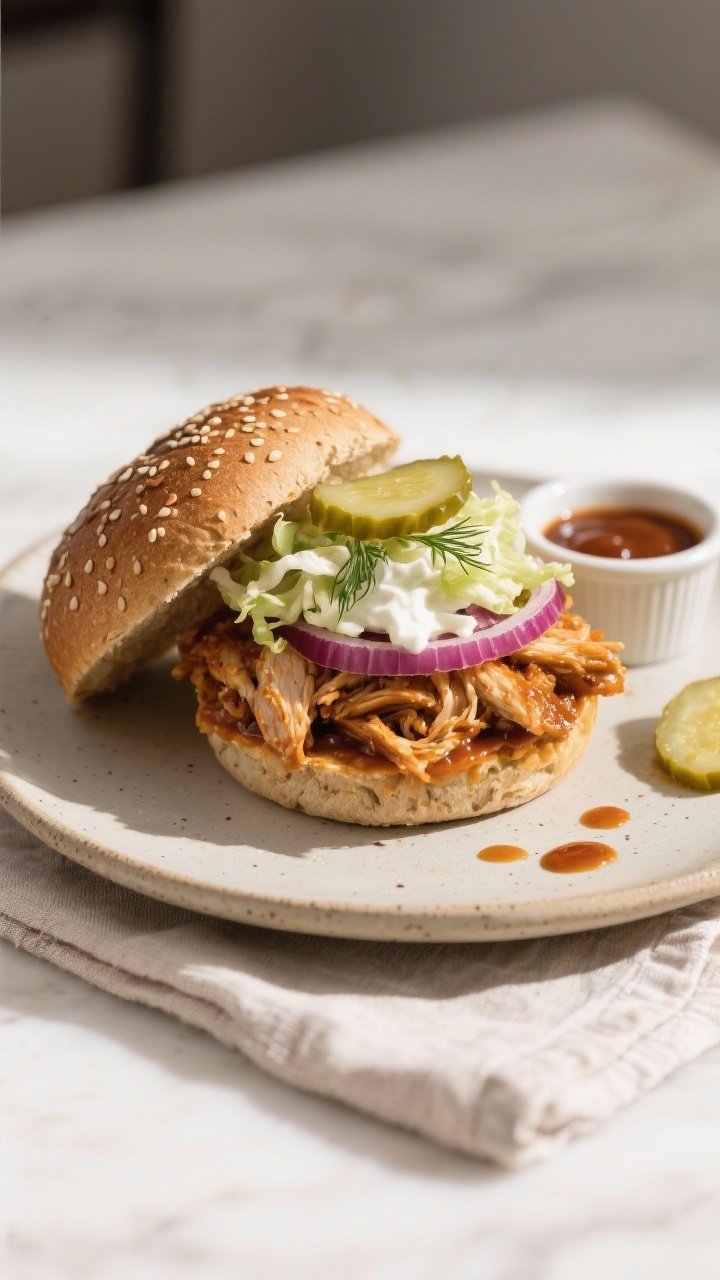
| What’s a good budget-friendly meal prep idea? | Make a batch of slow-cooked shredded chicken and turn it into sandwiches using a recipe like these Shredded Chicken Sandwiches, then reuse leftovers in tacos, bowls, or wraps. |
| How can I cut snack costs but still fuel active kids? | Skip single-serve packaged snacks and batch-make no-bake options like these Pumpkin Chocolate Chip Protein Bites that store well and offer protein, fiber, and flavor. |
1. Build Your Budget Around Core, Low-Cost Staples
A budget friendly grocery list starts with a short roster of low-cost, high-nutrition staples you can use in multiple meals. Think dry lentils, brown rice, oats, canned tomatoes, frozen vegetables, and affordable proteins like chicken thighs or ground turkey. These ingredients give you flexibility to cook different flavors without rebuilding your pantry each week.
When you plan meals, ask, “How many ways can I use this?” A bag of brown rice might become base for stir-fries, shawarma bowls, and coconut chicken bowls in the same week. Dry lentils can slide into sloppy joes, soups, and taco filling. The more overlap between recipes, the more value you squeeze from each grocery run.
Smart staples for a family budget
- Whole grains: brown rice, oats, whole-wheat bread, and pasta.
- Plant proteins: lentils, chickpeas, black beans.
- Affordable animal proteins: chicken thighs, drumsticks, ground turkey, eggs.
- Freezer MVPs: mixed vegetables, peas, broccoli, and frozen fruit for breakfasts and snacks.
2. Use One-Pan Dinners to Stretch Protein and Veggies
One-pan dinners are ideal when you want to keep grocery lists short and dishes minimal while still feeding a family well. They let you combine smaller amounts of protein with lots of vegetables and grains, which keeps costs per serving down without sacrificing satisfaction. The key is bold flavor and good texture so meals feel like a treat, not a compromise.
Recipes like Ground Turkey Teriyaki Stir Fry show how to do this: a pound of ground turkey, plenty of vegetables, and a simple pantry sauce over rice can feed several people at a fraction of restaurant or takeout prices. When you plan your week, aim for at least two one-pan meals that use overlapping veggies and sauces to maximize every grocery dollar.
Budget benefits of one-pan meals
- Less waste: you can use up half-bags of vegetables and leftover rice.
- Portion-friendly: easy to stretch by adding more veggies or grains.
- Energy savings: fewer burners or oven time keeps utility costs down too.
3. Make Chicken Your Budget Protein Workhorse
Chicken remains one of the most budget friendly, versatile proteins you can buy, especially when you choose bone-in thighs, drumsticks, or whole chickens and portion them yourself. With smart recipes, you can turn low-cost cuts into meals that feel special enough for company but are simple enough for weeknights. That’s a win for both your wallet and your weekly meal rotation.
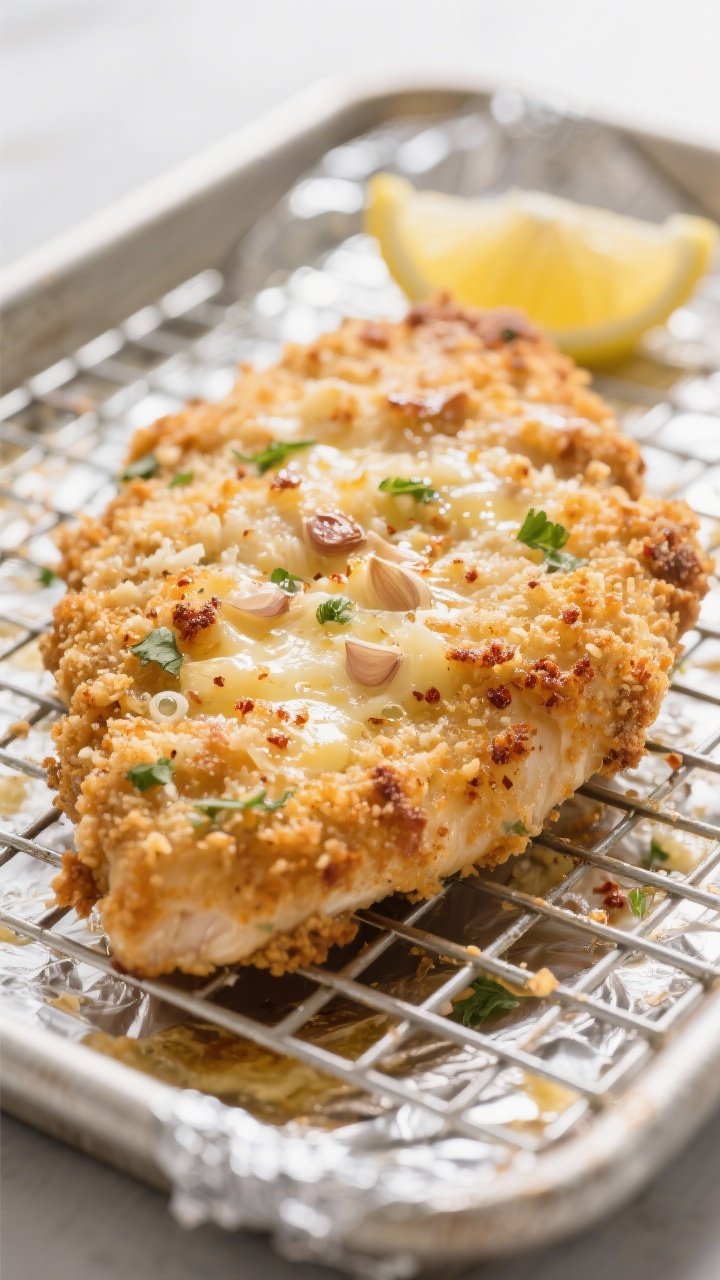
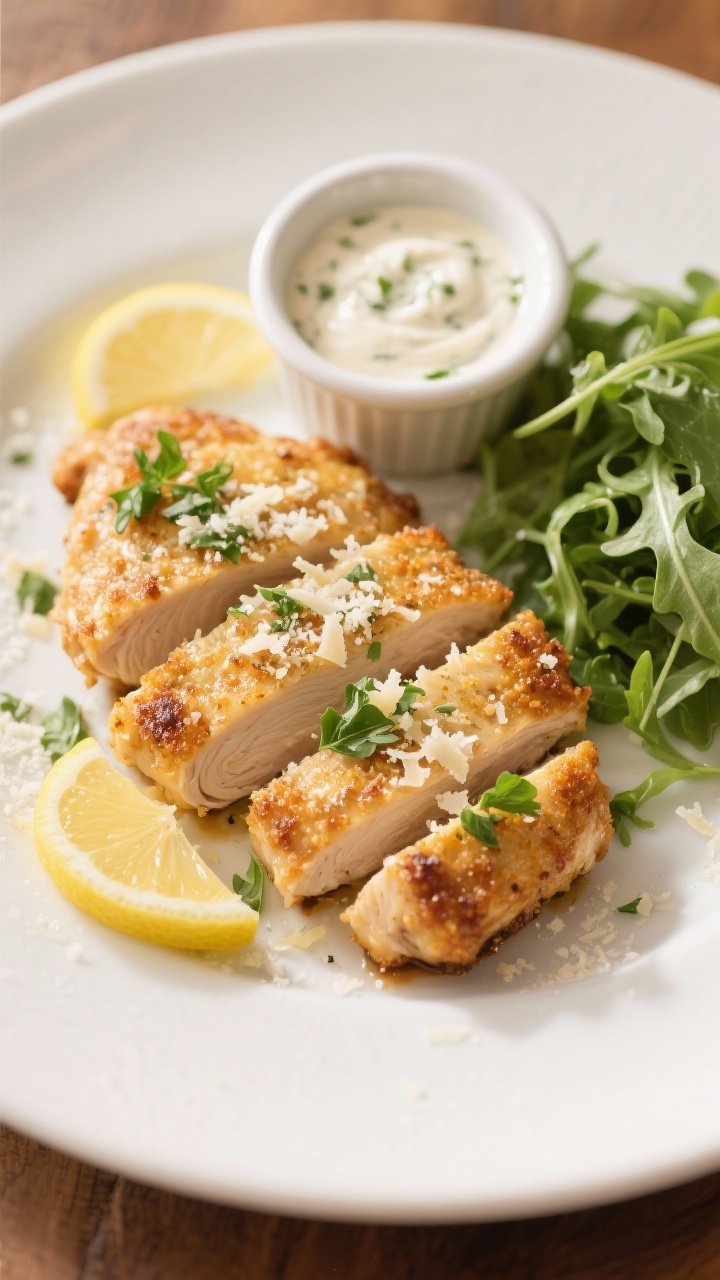
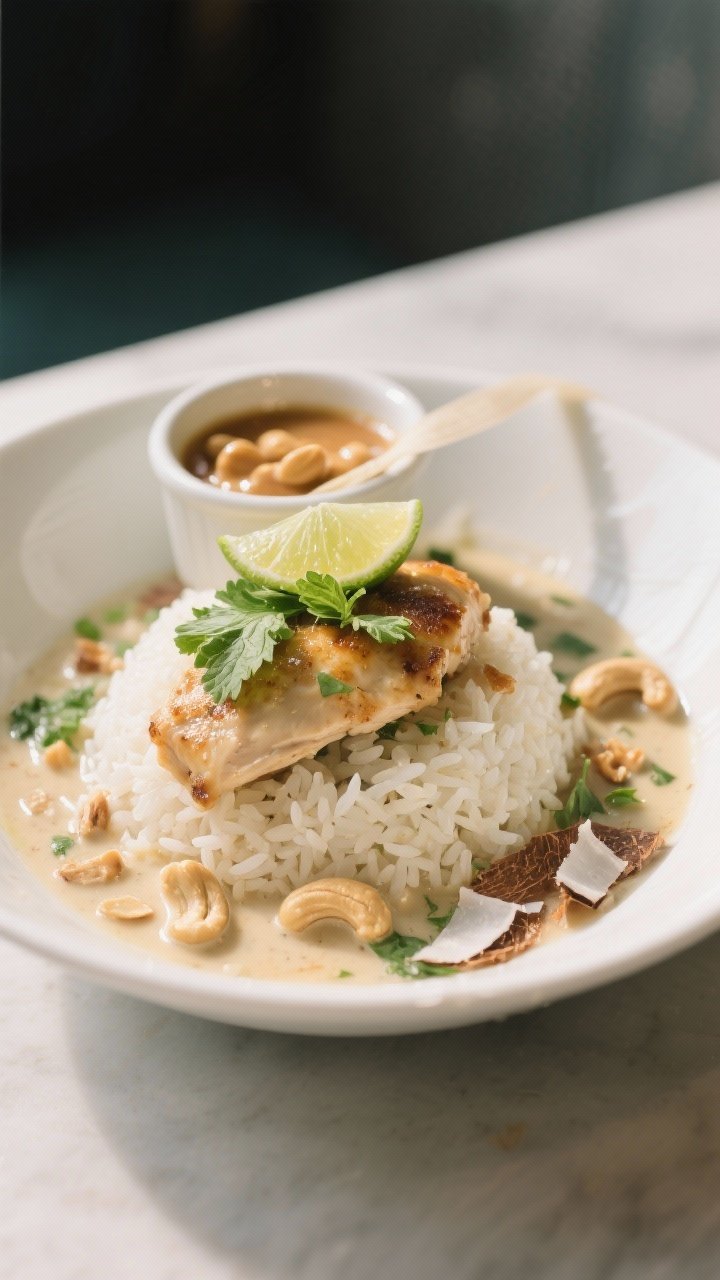
Dishes like Garlic Parmesan Chicken or Coconut Chicken Rice Bowls rely on pantry ingredients—garlic, butter or oil, Parmesan, coconut milk, rice—to build flavor around basic chicken. You get satisfying protein at a fraction of restaurant prices, and leftovers make excellent lunches or next-day wraps, further stretching your grocery budget.

Garlic Parmesan Chicken: pantry-powered value
This kind of crispy, oven-baked chicken uses simple coatings and garlic-infused fat to mimic fried chicken texture without the oil bath or cost of eating out. Serve with frozen vegetables and rice or potatoes for a filling, balanced plate. When chicken is on sale, stock up, freeze portions, and bring this kind of meal into your regular rotation.
Did You Know?
As of February 2025, the typical weekly grocery spend per household is about $125, adding up to around $6,516 per year, and nearly 45% of shoppers say they buy cheaper brands to manage that cost.
Source: Capital One Shopping – Grocery Shopping Statistics (2025)
4. Turn One Chicken into Multiple Budget Meals
For tight budgets, the best strategy isn’t just buying cheap ingredients; it’s buying ingredients that work across several meals. Chicken is perfect for this. A batch of slow-cooked shredded chicken can start as sandwiches one night, then become tacos, grain bowls, or baked potatoes toppings later in the week.
Recipes like shredded chicken sandwiches in a lighter BBQ sauce show how a single slow-cooker session can give you days of protein on hand. Pair the meat with whole-grain buns for one meal, then switch to rice, roasted vegetables, or salad the next day, so your family gets variety without extra grocery runs.
Sample “one chicken, many meals” plan
- Night 1: Shredded chicken sandwiches on whole-grain buns with slaw.
- Night 2: BBQ chicken bowls with rice, frozen corn, and beans.
- Lunches: Stuff pitas or wraps with leftover chicken and vegetables.
5. Use Lentils and Legumes to Cut Meat Costs
If you want to lower your grocery bill without lowering nutrition, lentils and legumes are your best friends. They’re inexpensive, shelf-stable, packed with protein and fiber, and take on bold flavors easily. Swapping even one or two meat-based meals per week for a lentil-based option can trim your budget noticeably over a month.
Lentil Sloppy Joes are a great example of this approach. Brown lentils simmer in a smoky tomato sauce and are piled on whole-wheat buns, offering the “meaty” texture and comfort of classic sloppy joes at a lower cost per serving. Serve with a side of frozen vegetables or a simple salad and you’ve got a balanced meal with protein, fiber, and whole grains.

Why lentils belong on every budget list
- Cost per serving: dry lentils are among the cheapest protein sources in the store.
- Nutrition: high in protein, fiber, iron, and complex carbs.
- Versatility: use in stews, sauces, tacos, salads, and grain bowls.
6. Create “Bowl Night” with Rice, Veggies, and Flexible Proteins
Customizable bowls are one of the most budget friendly ways to feed a family with different tastes. Start with an inexpensive base like rice, add whatever vegetables you have (fresh, frozen, or leftover), and top with a modest portion of protein. Sauce brings it all together, so you can keep ingredients simple but still serve something exciting.
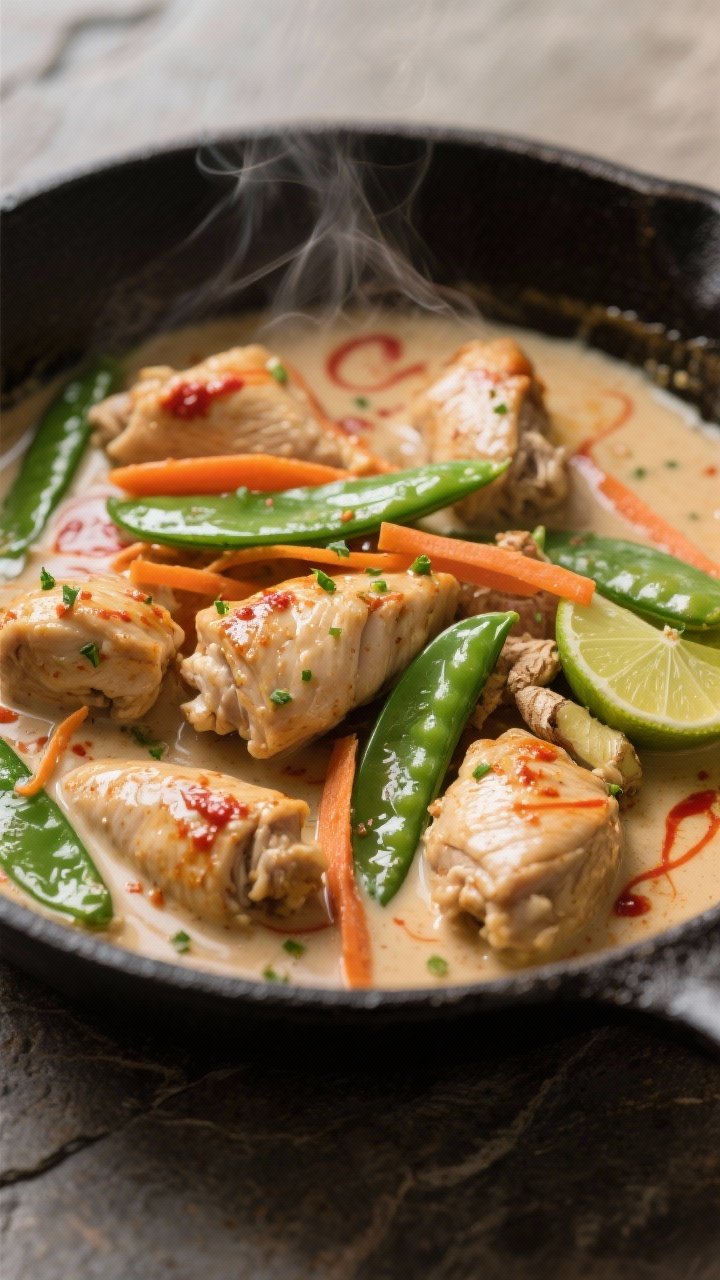
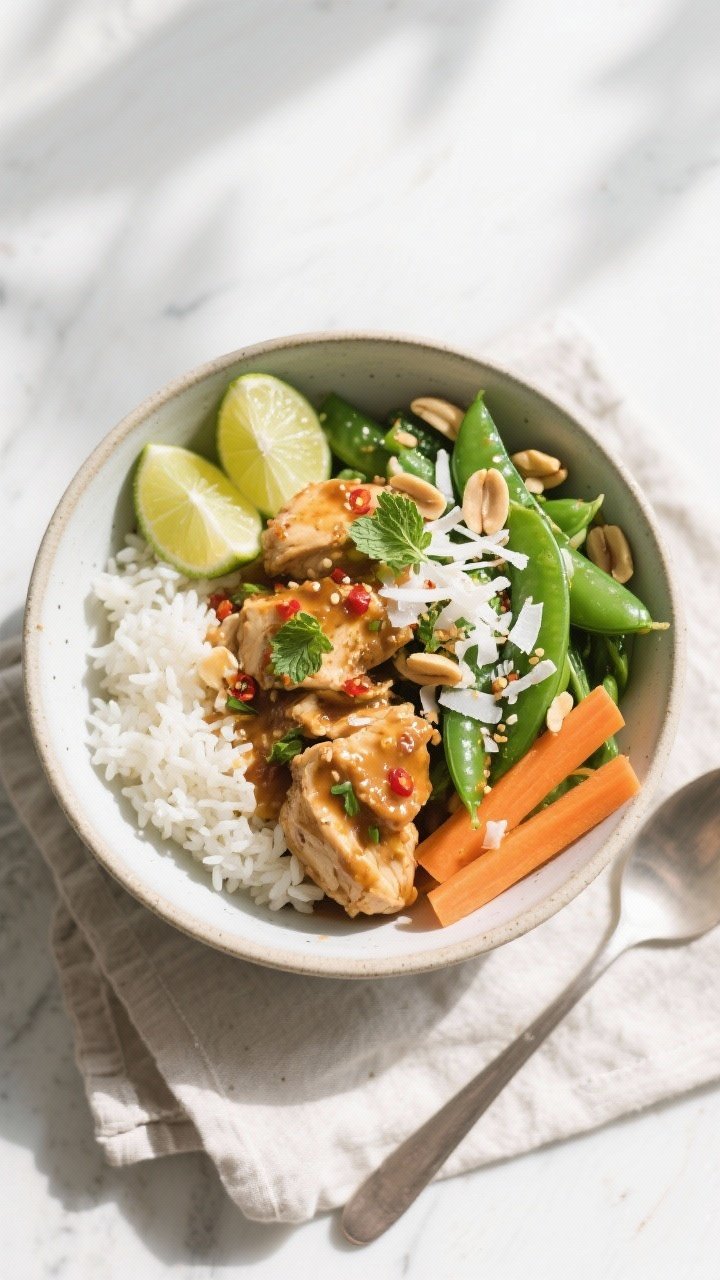
Coconut Chicken Rice Bowls and Chicken Shawarma Bowls are two examples that rely on affordable chicken, rice, and vegetables. The magic is in the seasoning and sauces—coconut milk, lime, and ginger in one; warm spices and garlicky yogurt in the other. Once you learn the formula of grain + veg + protein + sauce, you can mix and match whatever’s on sale.
Chicken Shawarma Bowl: big flavor, basic ingredients
A Chicken Shawarma Bowl uses simple staples: chicken, spices, rice, and vegetables. By roasting or pan-cooking spiced chicken and layering it with rice and crunchy toppings, you get a “takeout style” meal at home for a fraction of the cost of restaurant shawarma plates.

7. Add Seafood on a Budget with Smart Shopping and Simple Prep
Seafood has a reputation for being expensive, but you can enjoy it on a family budget if you shop wisely. Frozen salmon portions, white fish fillets, or value packs are often significantly cheaper than fresh counter cuts. Paired with basic pantry items and cooked in an air fryer or oven, they turn into fast, nutritious dinners without a long ingredient list.
Air Fryer Salmon Bites are a great example of a “tastes expensive, cooks cheap” meal. You season bite-sized pieces, cook them quickly in the air fryer, and serve over rice or in bowls with whatever vegetables you have. Because the cooking time is short and the flavor is strong, even a smaller portion of salmon can feel satisfying.

Air Fryer Salmon Bites: fast, family-friendly seafood
An air fryer helps you get crispy edges and tender centers without excess oil or complicated techniques. Serve salmon bites over rice with frozen broccoli, or tuck them into tortillas with slaw for fish tacos. Buying salmon when it’s on promotion, freezing portions, and using recipes like this is one of the easiest ways to keep seafood in a budget plan.
Did You Know?
75% of shoppers plan to change how they shop in 2025, with 46% expecting to buy more store brands and 41% planning to use more coupons to keep grocery bills in check.
Source: Food Business News – Grocery Shopper Perspectives
8. Prep Budget-Friendly Snacks Instead of Buying Single-Serves
Individually packaged snacks add up quickly, and they’re often low in protein and fiber, which means kids (and adults) are hungry again soon. A better strategy is to buy ingredients in bulk and batch-prep snacks that store well. This keeps cost per serving low while improving the nutrition in your snack drawer.
No-bake Pumpkin Chocolate Chip Protein Bites are a strong example of a budget friendly, nutrient-dense snack. Oats, pumpkin, nut or seed butter, and a bit of chocolate get rolled into bite-sized pieces that live in the fridge or freezer. You get protein, fiber, and real satisfaction without paying for lots of packaging.


Snack prep tips for saving money
- Choose base ingredients like oats, peanut butter, and seeds that work in multiple snack recipes.
- Portion snacks into reusable containers instead of buying single-serve packs.
- Involve kids in rolling bites or packing portions so they’re excited to eat what you’ve prepped.
9. Shop Once, Cook Many: Meal Prep That Respects Your Budget
Meal prep doesn’t have to mean eating the same dish four days in a row. Done well, it’s simply a way to cook once and use components several times, which saves both money and weeknight stress. When you prep with your budget in mind, you focus on ingredients that are inexpensive in bulk and can shift into different recipes.
For example, cooking a big pot of rice and a tray of roasted vegetables at the start of the week means you can quickly assemble bowls with chicken shawarma, coconut chicken, or air fryer salmon. Prepping a batch of lentil sloppy joe filling or shredded chicken gives you plug-and-play proteins for sandwiches, wraps, and bowls without extra cooking or extra spending.

Simple meal prep formula for budget shoppers
- 1–2 grains: cook rice, quinoa, or pasta.
- 2–3 proteins: batch-cook chicken, lentils, or turkey.
- 2–3 vegetables: roast trays of mixed veggies or steam frozen blends.
- 1 snack: prepare a batch of protein bites or hard-boiled eggs.
10. Flavor First: Using Spices and Sauces to Keep Cheap Meals Interesting
One of the biggest challenges with budget friendly groceries is avoiding “same meal fatigue.” The solution isn’t buying more expensive ingredients; it’s learning to use spices and sauces well. A basic pantry of garlic, onions, chili powder, cumin, paprika, soy sauce, vinegar, and citrus can take rice, beans, and chicken in entirely different directions.
Meals like teriyaki stir fry, coconut chicken, shawarma bowls, and BBQ shredded chicken all start from affordable base ingredients, then rely on seasoning to feel different. Investing in a few versatile spice blends and condiments costs less than buying prepared sauces and gives you control over sodium and sugar as well.
Flavor tricks that cost pennies
- Toast spices briefly in oil before adding liquids to deepen flavor.
- Use citrus (lemon or lime) and fresh herbs to brighten inexpensive dishes.
- Combine pantry sauces (soy, vinegar, a bit of sugar) to mimic takeout-style glazes.
Conclusion
Budget friendly groceries are less about deprivation and more about strategy. When you build your cart around low-cost staples, lean on flexible proteins like chicken and lentils, and use big-flavor recipes such as teriyaki stir fry, shawarma bowls, lentil sloppy joes, and no-bake protein snacks, you can keep food costs under control while still serving meals that feel generous and satisfying.
As prices continue to rise, the families who will feel it least are those who shop with a plan: buying in bulk where it makes sense, cooking once and eating twice, and choosing recipes that make the most of every ingredient. Start with one or two of these strategies this week—maybe a batch of shredded chicken and a tray of coconut chicken bowls—and build from there. Your budget, and your family’s energy and health, will reflect the difference.