Eggs with Labneh and Za’Atar — the Middle Eastern Egg Dinner That’S Three Ingredients and Completely Addictive Tonight
September 23, 2026 · 6 min read
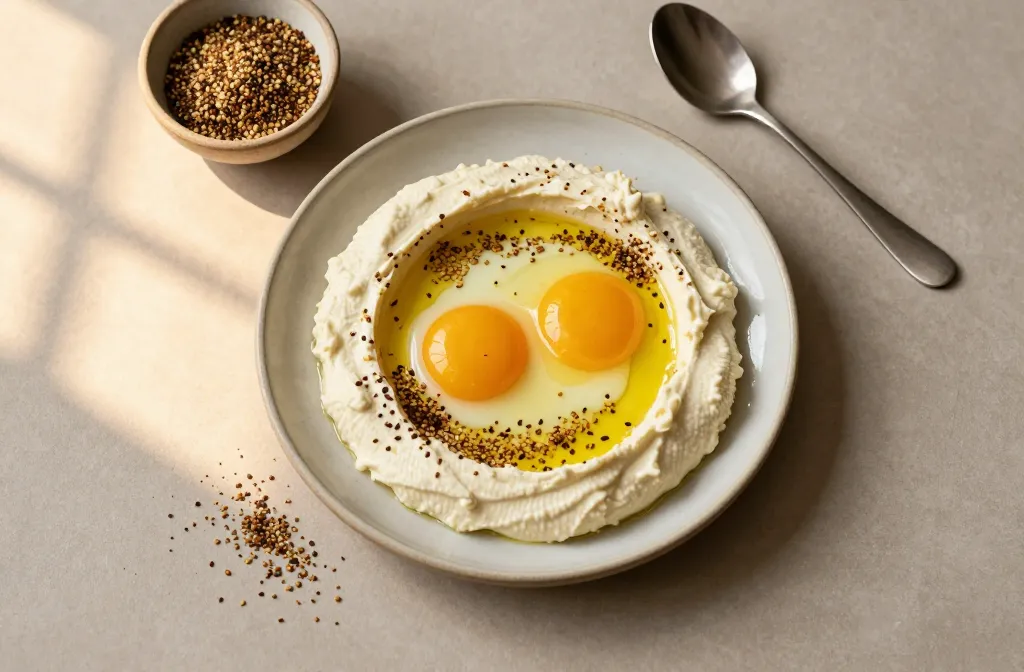
You know those dinners that somehow taste like you tried way too hard but took, like, eight minutes? This is that dinner. Eggs with labneh and za’atar nail the sweet spot between cozy and bright, creamy and punchy. Three ingredients, zero stress, maximum “wait, why is this so good?”
Why This Combo Slaps
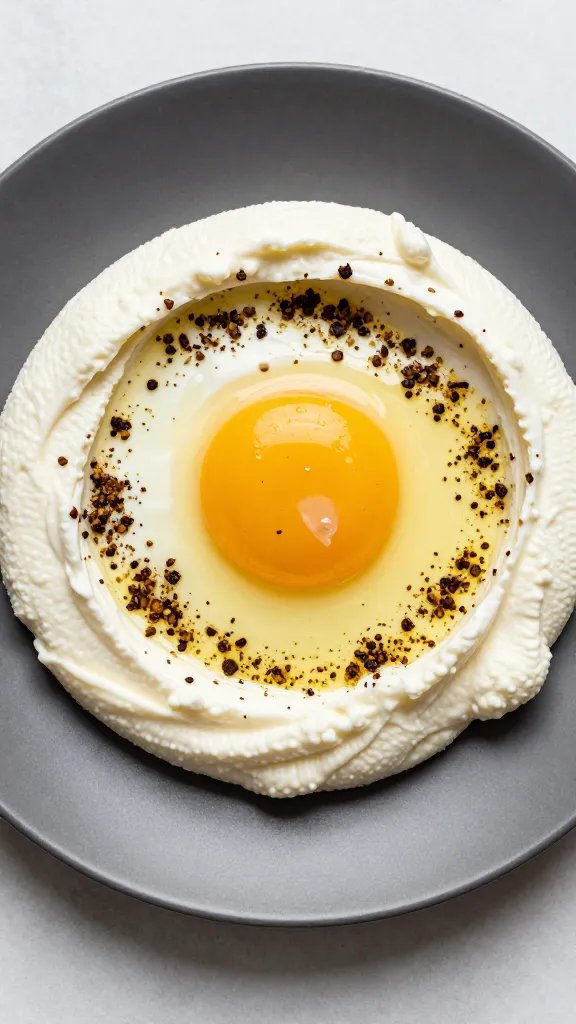
Eggs plus labneh plus za’atar sounds simple because it is. But simple doesn’t mean boring. Labneh brings rich, tangy creaminess, za’atar delivers citrusy, herby crunch, and eggs add silky protein that ties it all together. You get layers without effort.
And because you only need three ingredients, you can actually taste each one. That matters here. You want the yolk to mingle with the labneh, and the za’atar to wake the whole thing up. It’s basically a power trio—think The Police, but edible.
The Three Ingredients (and How to Pick Them)

Eggs: Any eggs work, but fresher eggs fry and poach better. Medium to large eggs keep the yolk-to-white ratio nice and saucy.
Labneh: Thick, tangy, spreadable yogurt cheese. If your store doesn’t carry it, you can make it at home (more on that below).
Za’atar: A Middle Eastern spice blend. Classic versions include thyme, sesame, sumac, and salt. Some blends add oregano or marjoram. FYI: sumac gives that signature lemony zing.
What Good Za’atar Tastes Like
You should smell herbs first, then a lemony note, then toasted sesame. If your blend tastes dusty or flat, it’s old. Buy from a Middle Eastern grocer when possible, or a spice shop with fast turnover.
How to Cook the Eggs (Choose Your Own Adventure)
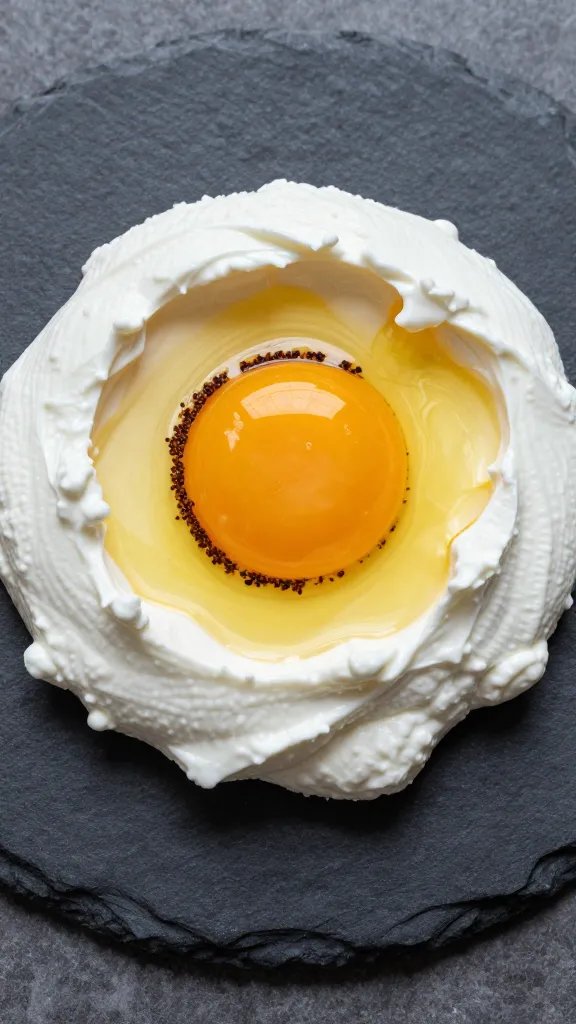
You can’t mess this up, IMO. But how you cook the eggs changes the vibe.
Option 1: Olive-Oil Fried Eggs
– Heat a nonstick or well-seasoned skillet over medium.
– Add 1-2 tablespoons olive oil. Get it shimmering.
– Crack in the eggs. Spoon hot oil over the whites to set them fast.
– Pull when the whites set but the yolk still jiggles.
– Season lightly with salt.
Result: Crispy, lacey edges. Rich yolk. A little drama.
Option 2: Poached Eggs
– Bring a saucepan of water to a bare simmer.
– Add a splash of vinegar (optional but helpful).
– Crack eggs into a small bowl, then slide into the water.
– Cook 3-4 minutes until the whites set.
– Lift with a slotted spoon and blot gently.
Result: Delicate and clean. Perfect if you want the labneh to shine.
Option 3: Soft-Scrambled
– Melt a little butter or warm olive oil over low heat.
– Add beaten eggs with a pinch of salt.
– Stir slowly until curds form, then stop while still glossy.
– Off heat, they’ll finish to custardy perfection.
Result: Ultra-creamy. Less dramatic, more cozy.
Build the Plate (It’s All About Contrast)
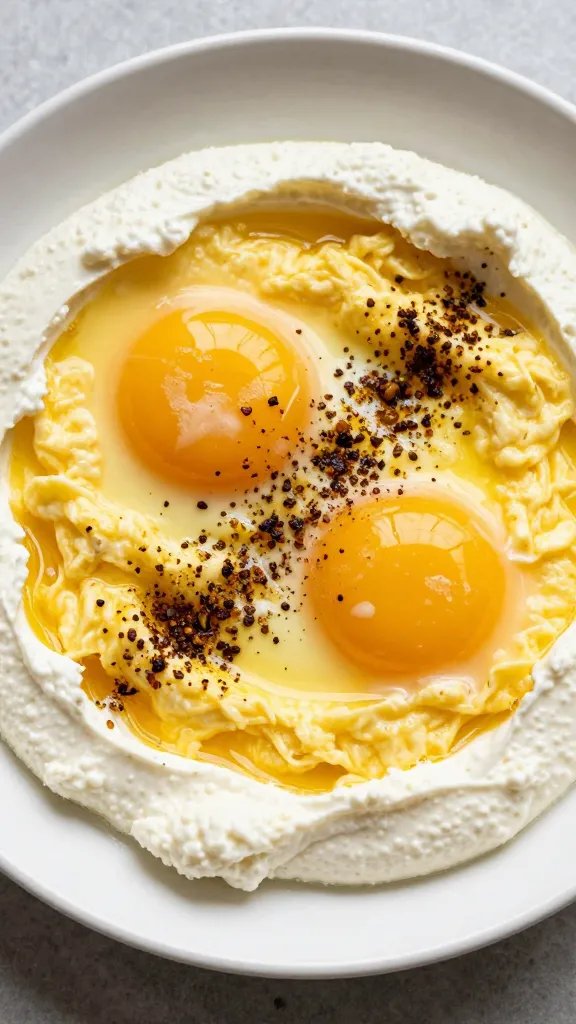
Here’s where the magic happens.
1) Spread a thick swoop of labneh on a plate or shallow bowl.
2) Nestle your eggs on top.
3) Shower with za’atar.
4) Finish with a generous drizzle of good olive oil and a squeeze of lemon, if you like chaos (the good kind).
Want to go from great to “why is my plate empty already?” Add crunch and acid. A few ideas:
– Toast or flatbread (pita, laffa, crusty sourdough)
– Quick pickles (red onions, cucumbers, turnips)
– Fresh herbs (parsley, mint, dill)
– Tomatoes, sliced or cherry, especially in season
– Chili crunch or Aleppo pepper if you want a little heat
Salt: The Sneaky Variable
Za’atar often includes salt. Labneh might, too. Taste everything first. You can always add flaky salt at the end, but you can’t un-salt a dish. Well, not easily.
No Labneh? No Problem
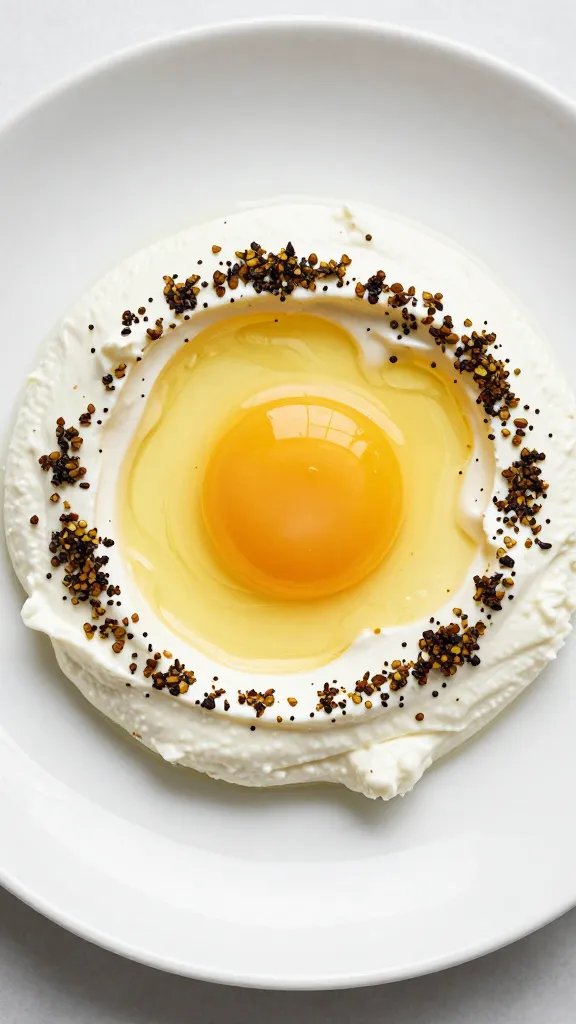
Homemade labneh is a flex that takes five minutes of work and overnight patience.
– Stir 1/2 teaspoon salt into 2 cups full-fat Greek yogurt.
– Spoon into a cheesecloth-lined strainer over a bowl.
– Tie it up, refrigerate 12-24 hours.
– The longer it drains, the thicker it gets.
You’ll get a lush, tangy spread that stores for a week. Drizzle it with olive oil and call it dip if anyone asks. FYI: Whole-milk yogurt works best. Low-fat turns grainy.
Substitutions That Actually Work
– Greek yogurt (thick, full-fat) instead of labneh. Not the same tang, but close.
– Ricotta + a squeeze of lemon for a milky, lighter vibe.
– Crème fraîche if you want plush richness and don’t mind less tang.
– DIY za’atar: thyme + sesame + sumac + salt. Add oregano if you like.
Texture, Temperature, Timing
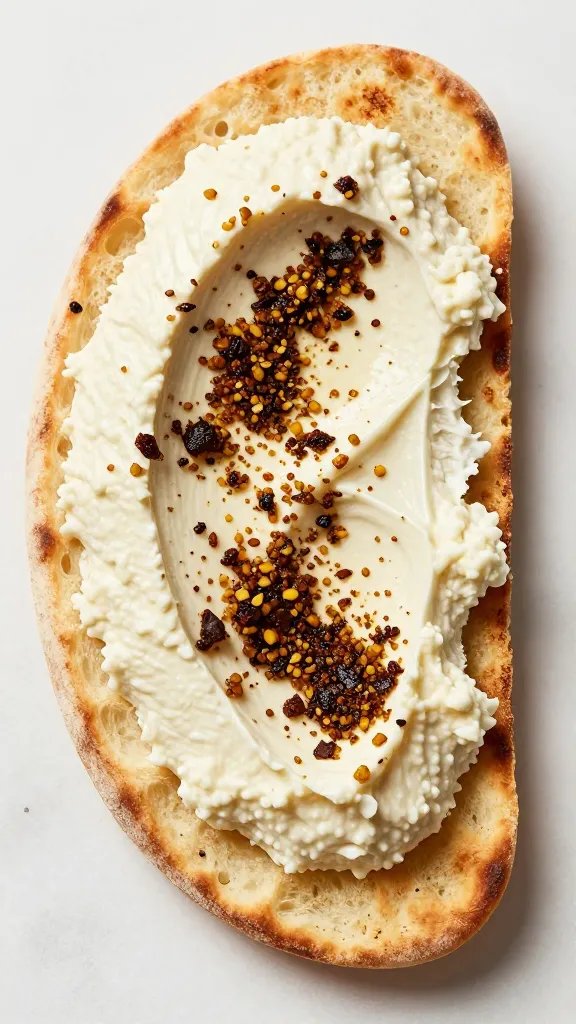
This dish sings when you play with contrast.
– Warm eggs meet cool labneh for a temperature pop.
– Creamy labneh plus crunchy sesame in the za’atar.
– Rich yolk balanced by citrus-sour sumac.
Build quickly so the yolk stays runny and the labneh stays cool. Eat immediately. This is not a leftovers situation. It’s a “hover over the plate and forget to sit down” situation.
Make It a Meal
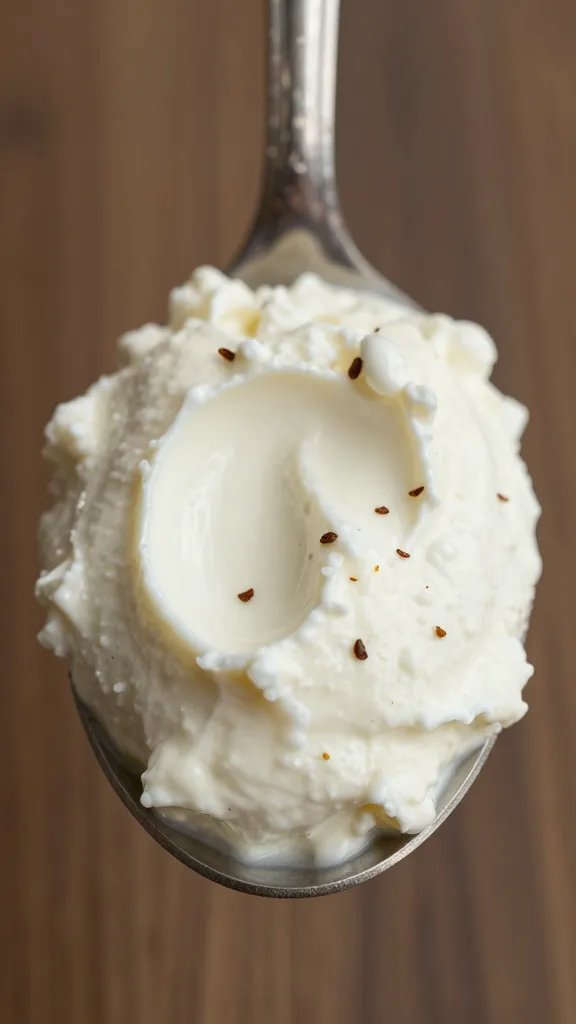
You can eat this straight up for dinner and feel smug about your life choices. Or add a couple sides and pretend you planned a menu.
– Carb support: Warm pita, laffa, naan, or toasted sourdough.
– Greens: A lemony arugula salad or chopped cucumber-tomato with olive oil and sumac.
– Extras: Olives, roasted peppers, marinated artichokes.
– Protein bump: Add chickpeas fried in olive oil with cumin and garlic.
– Hot take: A slick of harissa or zhug turns this into a spicy weeknight hero.
Entertaining Hack
Lay out a “labneh bar”: bowl of labneh, plate of eggs, a few toppings, a pile of warm bread. People build their own. You accept compliments.
FAQ
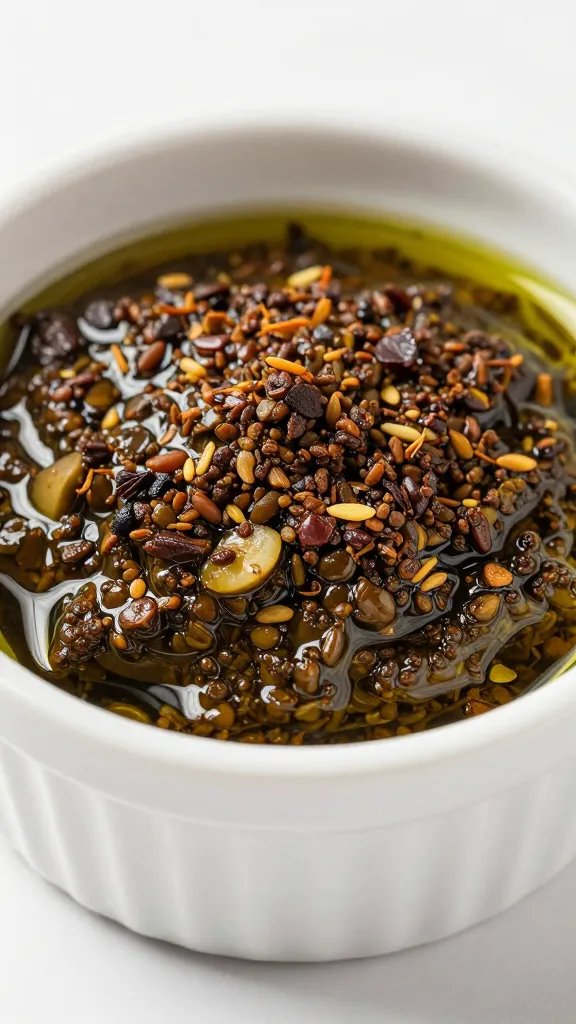
What exactly is za’atar?
Za’atar is a Middle Eastern spice blend built on thyme (or wild za’atar), toasted sesame seeds, sumac, and salt. It tastes herby, toasty, and a little lemony. You’ll find regional variations, but if yours includes sumac and sesame, you’re good.
Can I use regular yogurt instead of labneh?
You can, but strain it first to thicken it. Unstrained yogurt turns watery under hot eggs. Greek yogurt works in a pinch. If you want that true rich tang, make or buy labneh—it’s worth it, IMO.
Is this healthy?
You get protein from eggs, probiotics from labneh, and antioxidants from herbs and sumac. Use olive oil and keep portions reasonable, and it’s a balanced, satisfying meal. Add veggies on the side to round it out.
How do I store leftovers?
Store labneh and za’atar separately in the fridge. Cook the eggs fresh. Reheated eggs lose their charm fast, like soggy fries. Labneh lasts about a week; keep it covered with a thin layer of olive oil for freshness.
My za’atar tastes bitter—what went wrong?
Old or stale za’atar can taste dusty or bitter. Also, burned sesame seeds ruin the blend. Buy from a trusted source and store it airtight, away from heat and light. A squeeze of lemon can lift a flat blend, FYI.
What kind of pan should I use for the eggs?
Use a nonstick or well-seasoned cast-iron skillet for fried eggs. For poaching, a deep saucepan works best. If you scramble, go low and slow in a nonstick pan for soft curds.
Conclusion
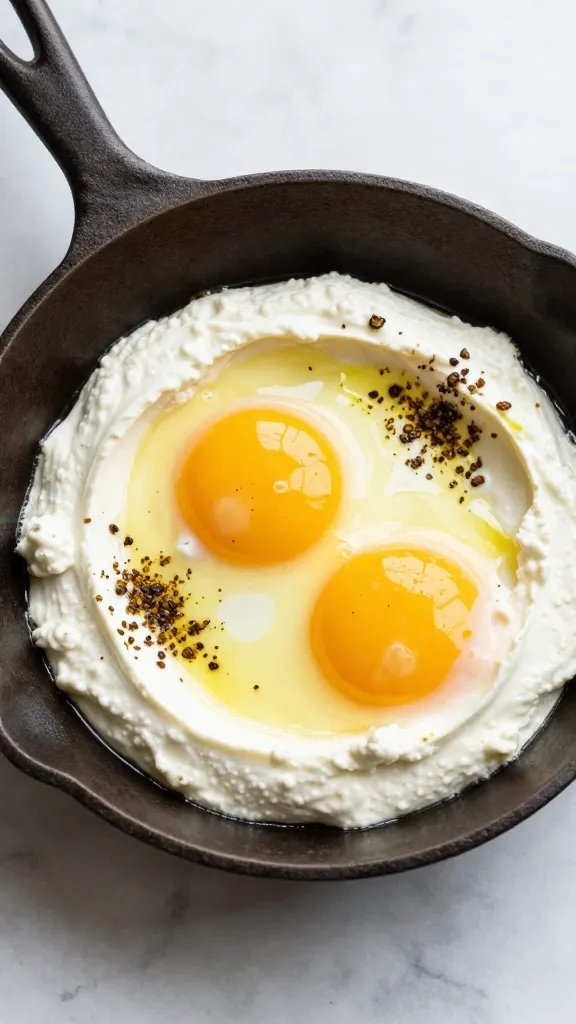
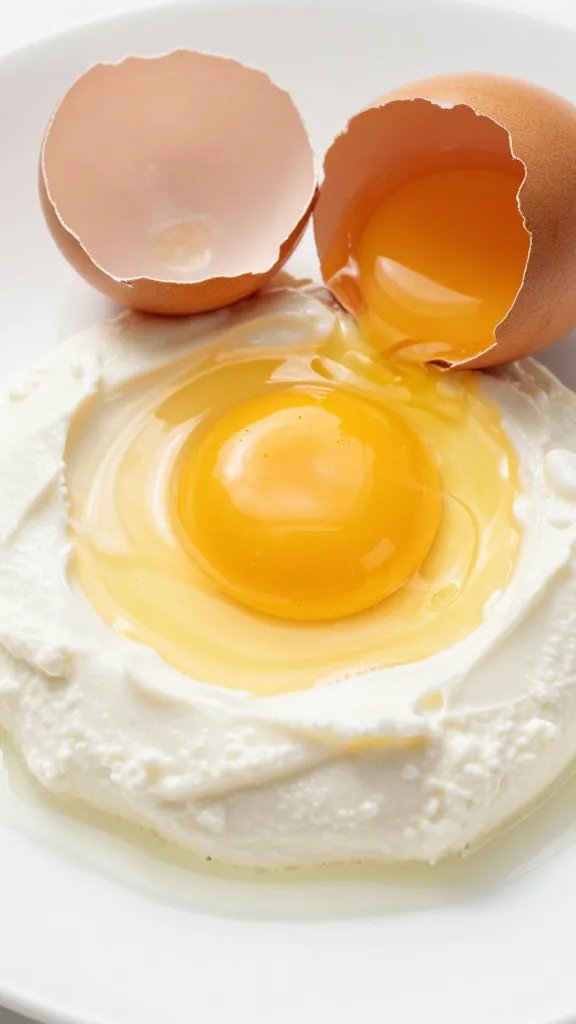
Eggs with labneh and za’atar prove that three ingredients can hit like a full production. You get creamy, crunchy, tangy, and rich in one fast plate. Keep labneh and za’atar on hand, and dinner basically makes itself. Simple, bold, and totally addictive—kind of like the best habits.