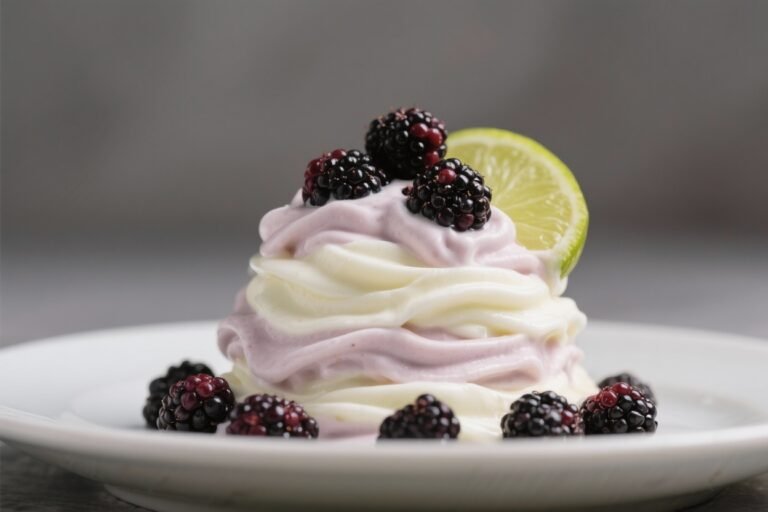
Pomelo Yogurt Segments – Bright, Creamy, and Refreshing
August 14, 2026 · 7 min read
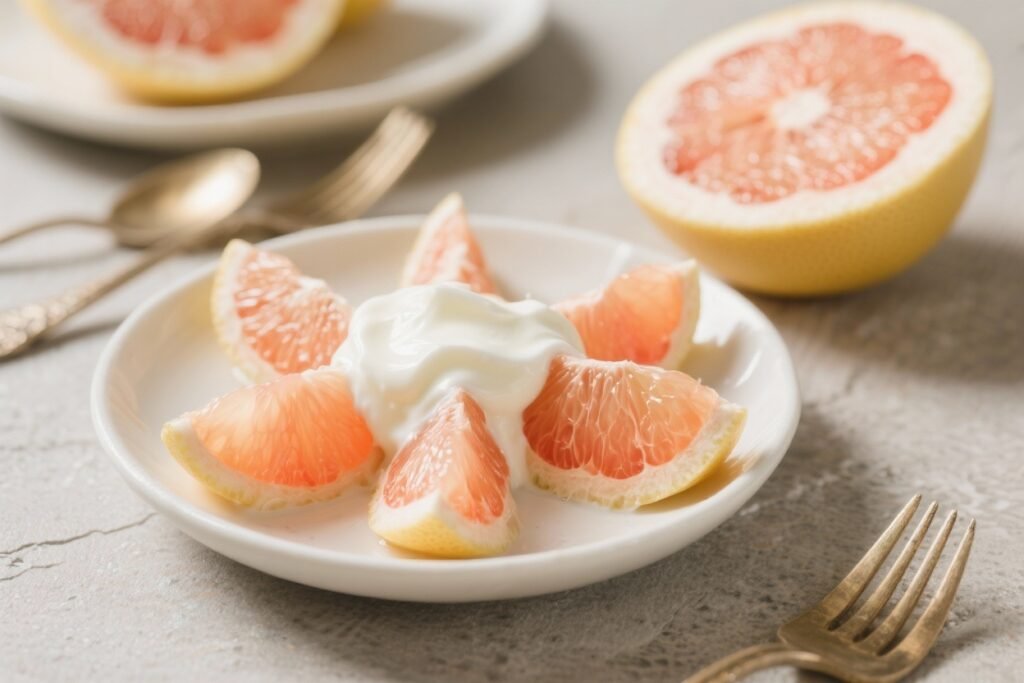
Pomelo yogurt segments are the kind of simple snack that feels special without trying too hard. Sweet-tart citrus, silky yogurt, and a crisp topping come together in minutes. It’s light, clean, and endlessly customizable, whether you like a drizzle of honey or a sprinkle of toasted seeds.
This is perfect for breakfast, a midday pick-me-up, or a gentle dessert after a rich meal. If you love citrus but want something less messy and more elegant than a bowl of fruit, this recipe is for you.
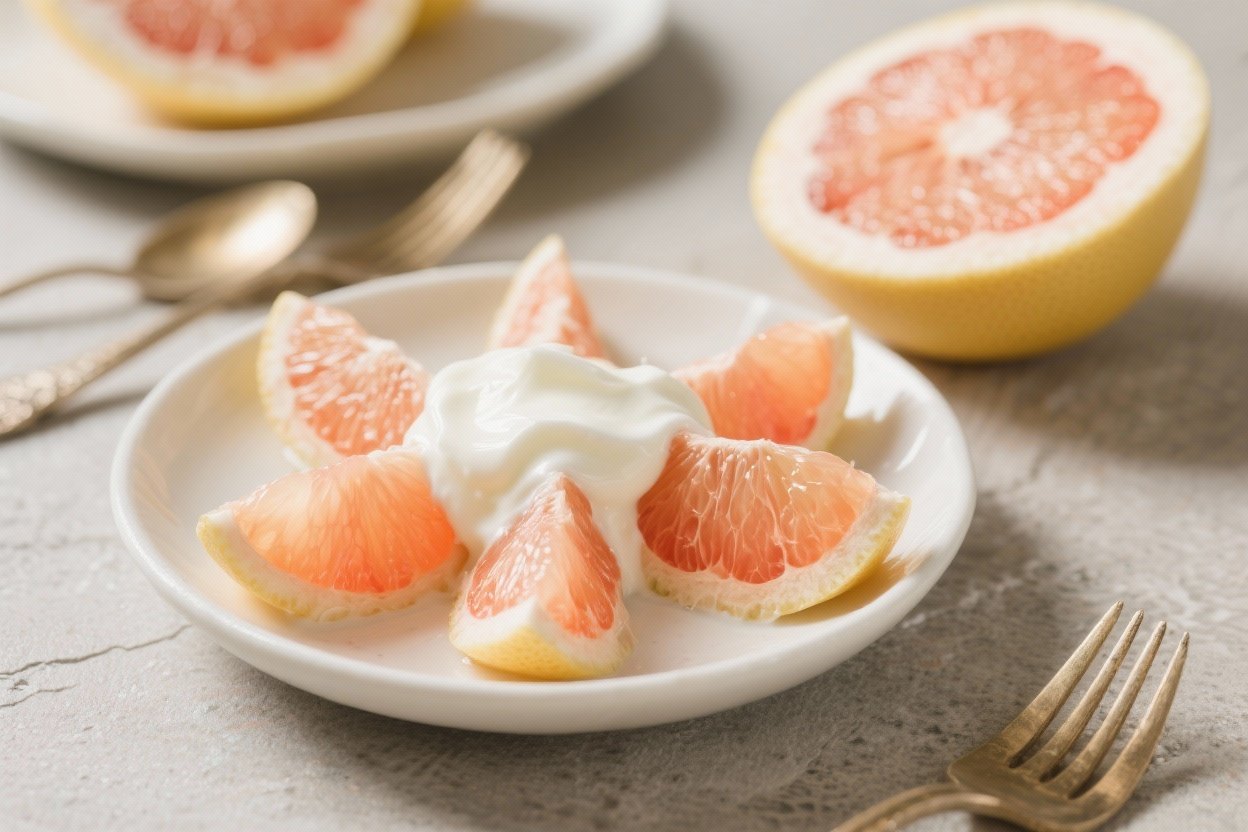
Pomelo Yogurt Segments - Bright, Creamy, and Refreshing
Ingredients
Method
- Prep the pomelo: Slice off the top and bottom to create flat ends. Score the thick rind from top to bottom in 4–6 sections, peel it away, and remove the white pith.
- Segment the fruit: Over a bowl to catch juices, slide a sharp knife between the membranes to release clean, skinless segments. Set aside the segments and any collected juice.
- Toast your crunch: If using nuts or coconut, toast them in a dry pan over medium heat for 2–4 minutes until fragrant.Let cool.
- Mix the yogurt base: In a bowl, stir the yogurt with honey or maple syrup, vanilla, and a small pinch of salt. Adjust sweetness to taste.
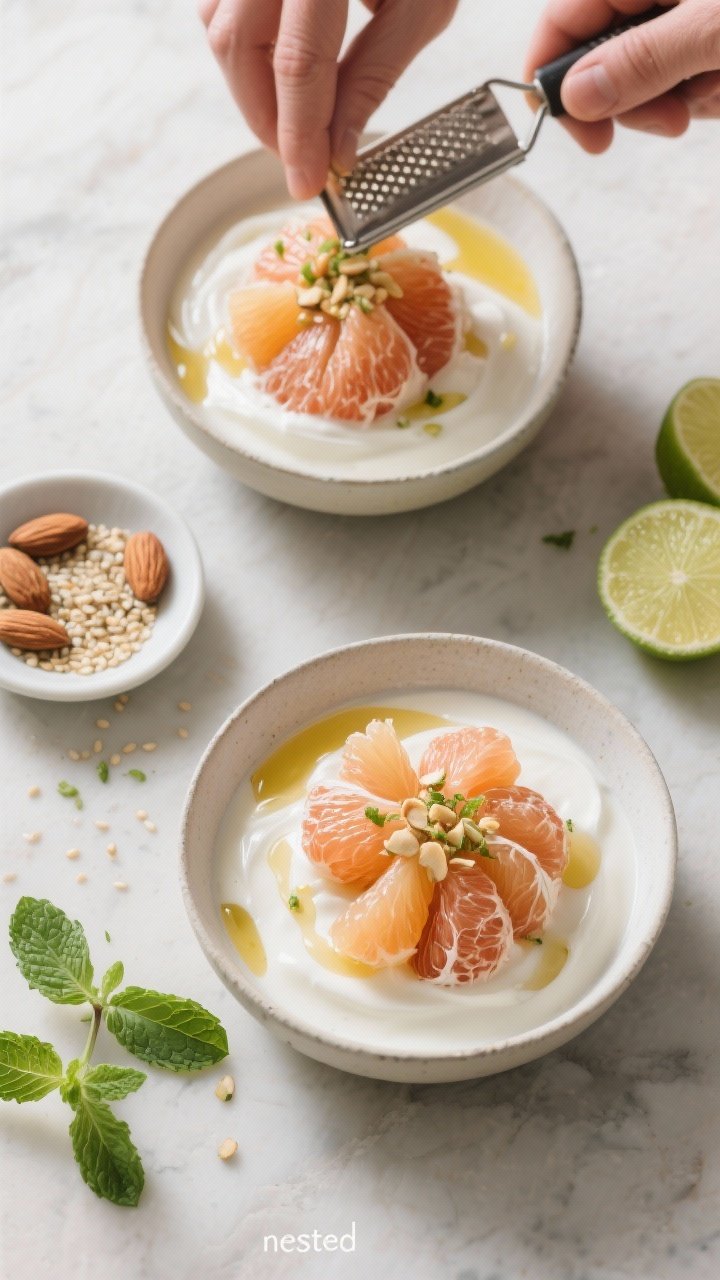
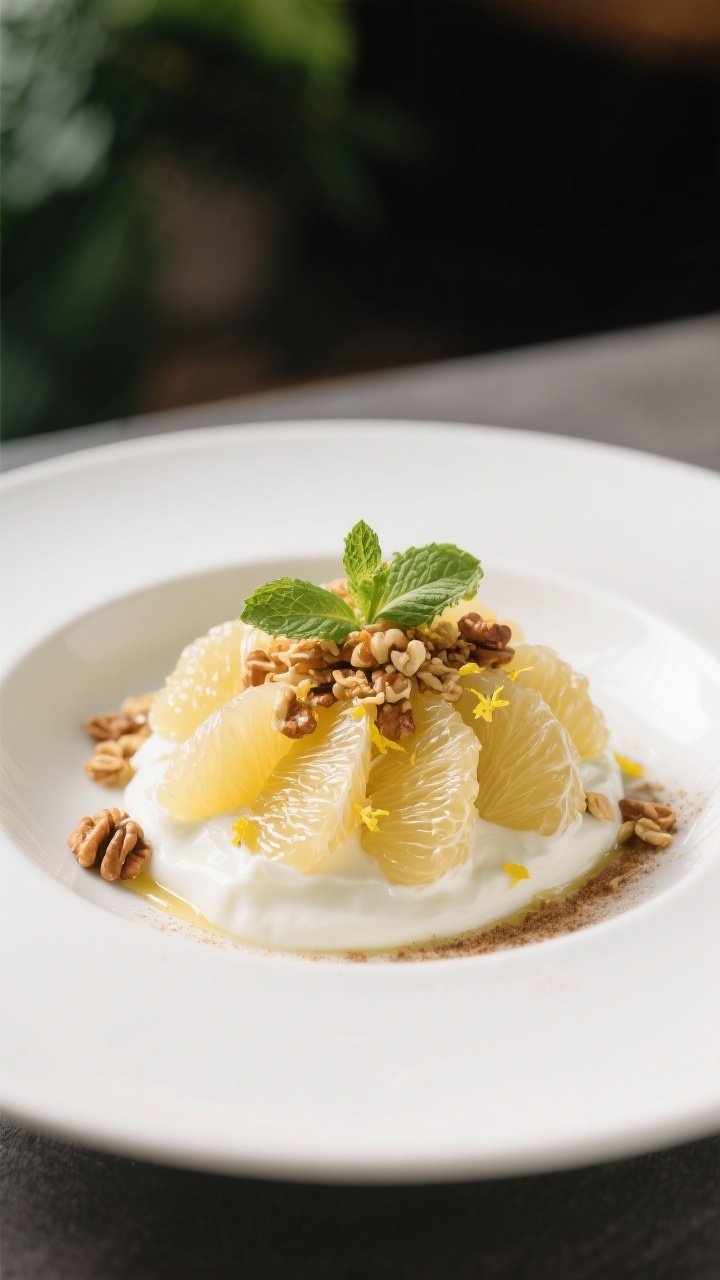
- Assemble: Spoon the yogurt into two bowls or a platter. Nestle pomelo segments on top.Drizzle any reserved juice over the yogurt.
- Add toppings: Sprinkle toasted nuts, granola, or seeds. Add a pinch of cinnamon or cardamom if you like. Finish with mint and a little citrus zest.
- Taste and tweak: Add another drizzle of honey, a touch more salt, or extra zest until it tastes bright and balanced.
- Serve right away: It’s best fresh so the toppings stay crunchy and the pomelo stays juicy.
What Makes This Recipe So Good
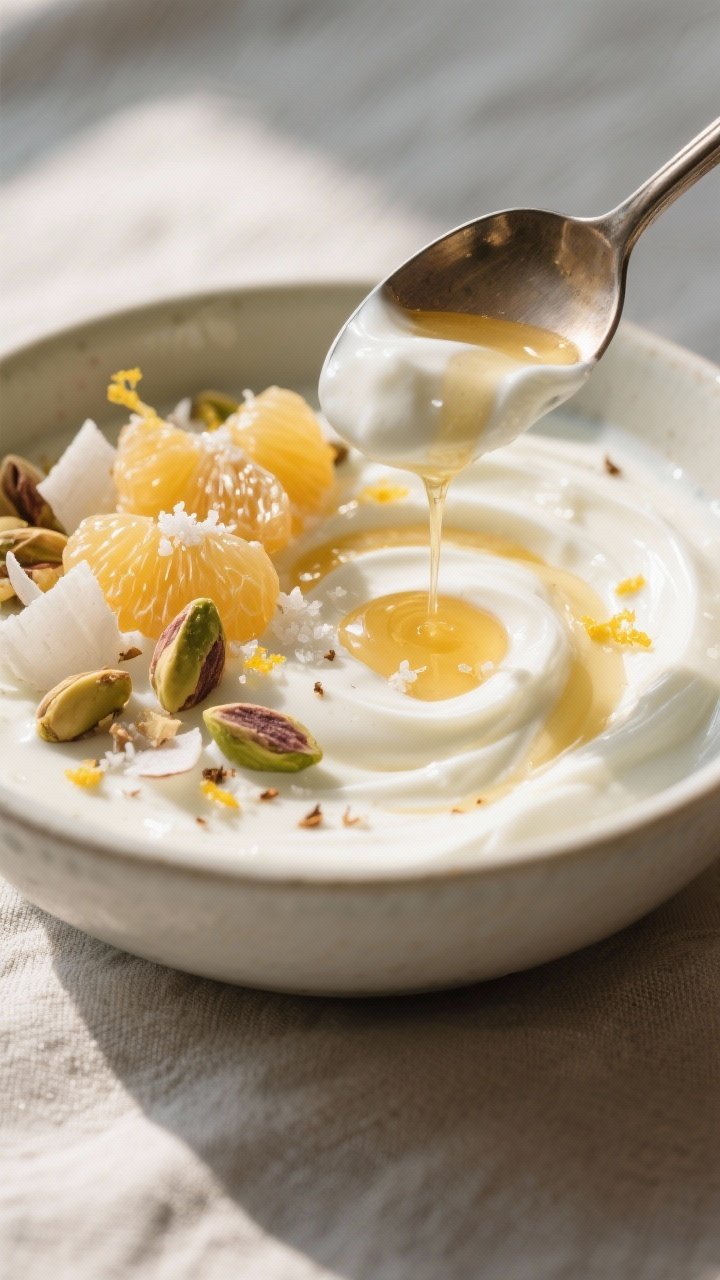
- Balanced flavors: Pomelo’s gentle sweetness and mild bitterness brighten rich, creamy yogurt without overpowering it.
- Great texture: Juicy segments, silky yogurt, and crunchy toppings make every bite interesting.
- Quick and easy: No cooking required. With a good knife and a few pantry items, you’ll have it ready in 10 minutes.
- Flexible: Works with Greek, plain, or non-dairy yogurt.
You can also swap sweeteners and toppings to fit your taste.
- Light but satisfying: It’s refreshing, not heavy, and still offers protein and fiber to keep you full.
Shopping List
- 1 large pomelo (or 2 small, any variety)
- 2 cups yogurt (Greek, plain whole-milk, or a dairy-free option like coconut or almond yogurt)
- 1–2 tablespoons honey or maple syrup (to taste)
- 1 teaspoon vanilla extract (optional, but lovely)
- Pinch of flaky sea salt (enhances flavor)
- Crunchy topping such as:
- Toasted almonds, pistachios, or walnuts (2–3 tablespoons)
- Granola (¼ cup)
- Toasted coconut flakes (1–2 tablespoons)
- Sesame seeds or chia seeds (1 tablespoon)
- Fresh mint leaves (optional, for garnish)
- Ground cinnamon or cardamom (optional pinch for warmth)
- Lime or lemon zest (optional, for extra brightness)
Instructions
- Prep the pomelo: Slice off the top and bottom to create flat ends. Score the thick rind from top to bottom in 4–6 sections, peel it away, and remove the white pith.
- Segment the fruit: Over a bowl to catch juices, slide a sharp knife between the membranes to release clean, skinless segments. Set aside the segments and any collected juice.
- Toast your crunch: If using nuts or coconut, toast them in a dry pan over medium heat for 2–4 minutes until fragrant.
Let cool.
- Mix the yogurt base: In a bowl, stir the yogurt with honey or maple syrup, vanilla, and a small pinch of salt. Adjust sweetness to taste.
- Assemble: Spoon the yogurt into two bowls or a platter. Nestle pomelo segments on top.
Drizzle any reserved juice over the yogurt.
- Add toppings: Sprinkle toasted nuts, granola, or seeds. Add a pinch of cinnamon or cardamom if you like. Finish with mint and a little citrus zest.
- Taste and tweak: Add another drizzle of honey, a touch more salt, or extra zest until it tastes bright and balanced.
- Serve right away: It’s best fresh so the toppings stay crunchy and the pomelo stays juicy.
How to Store
Keep the components separate for best texture.
Store the segmented pomelo in an airtight container in the fridge for up to 3 days. The sweetened yogurt keeps 3–4 days in a sealed container. Toppings like toasted nuts or granola should stay dry at room temperature.
If you must store assembled bowls, eat within 24 hours.
The crunch will soften, but the flavor will still be great. Give it a quick stir and add fresh toppings before serving.
Why This is Good for You
- Protein and probiotics: Yogurt offers protein to keep you full and live cultures that support a healthy gut.
- Vitamin C boost: Pomelo is rich in vitamin C, which supports immune health and collagen production.
- Fiber and hydration: Pomelo segments bring fiber and high water content, helping digestion and hydration.
- Healthy fats (if you add nuts): Nuts and seeds contribute unsaturated fats for heart health and satiety.
- Naturally lower sugar: Pomelo is less sugary than many fruits, so you control sweetness with a light drizzle of honey.
Pitfalls to Watch Out For
- Leaving on too much pith: The thick white pith is bitter. Take a few extra moments to remove it for clean, sweet bites.
- Over-sweetening: Start with less honey.
Taste the pomelo first, then add sweetness gradually.
- Watery yogurt: If using regular yogurt, strain it through a sieve or cheesecloth for 15–30 minutes to thicken. This keeps the dish creamy.
- Skipping salt: A tiny pinch of flaky sea salt sharpens flavors and balances sweetness.
- Adding toppings too early: Nuts and granola get soggy if they sit on yogurt. Add just before serving.
Alternatives
- Different citrus: Swap pomelo with grapefruit, blood orange, or a mix of orange and ruby grapefruit segments.
Adjust sweetness to match their tartness.
- Dairy-free: Use coconut, almond, or cashew yogurt. Coconut yogurt pairs beautifully with pomelo and toasted sesame.
- Sweeteners: Try agave, date syrup, or a pinch of coconut sugar. For a sugar-free route, use a few drops of liquid stevia to taste.
- Texture boosters: Add puffed quinoa, crushed cornflakes, or cacao nibs for extra crunch without heavy sweetness.
- Herbal twist: Swap mint for basil or cilantro.
A few leaves go a long way.
- Spices and aromatics: Cardamom, ginger, or a dusting of cinnamon add warmth. A tiny splash of rose water or orange blossom water makes it floral and elegant.
- Protein upgrade: Stir a scoop of plain protein powder into the yogurt, or add a spoonful of tahini or almond butter on top.
FAQ
How do I pick a good pomelo?
Choose one that feels heavy for its size with a firm, slightly springy rind. Look for a sweet, citrusy aroma and avoid fruit with soft spots.
Color can vary by variety, so weight and smell are your best indicators.
Can I prepare the pomelo ahead of time?
Yes. Segment the pomelo up to 3 days in advance and store it in an airtight container in the fridge. Save the juice that collects and drizzle it over your yogurt when assembling.
What kind of yogurt works best?
Thick, creamy yogurt makes the best base.
Greek or skyr are great choices. For dairy-free options, look for unsweetened coconut or almond yogurt with a short ingredient list and a balanced tang.
How can I make this more filling?
Add extra protein and healthy fats. Try a larger portion of Greek yogurt, a handful of nuts or seeds, a spoonful of nut butter, or a sprinkle of hemp hearts.
A small side of whole-grain toast also helps.
Is pomelo less bitter than grapefruit?
Generally yes. Pomelo is milder and sweeter, with a pleasant bitterness mostly in the pith and membranes. Removing the membranes gives you bright, juicy segments without harsh bitterness.
Can I serve this as dessert?
Absolutely.
Keep the yogurt lightly sweetened, add a touch of vanilla, and finish with toasted pistachios, honey, and mint. It feels special but stays light and refreshing.
What if I can’t find pomelo?
Use grapefruit or a mix of oranges and grapefruit. Segment them the same way, and taste as you go.
You may need a bit more honey for balance.
In Conclusion
Pomelo yogurt segments are simple, sunny, and satisfying. They’re quick to assemble, easy to customize, and work any time of day. With clean flavors and a lovely balance of creamy, juicy, and crunchy, they’re the kind of recipe you’ll revisit again and again.
Keep a pomelo on your counter, a tub of yogurt in the fridge, and a jar of toasted nuts nearby—good snacks will always be within reach.
Printable Recipe Card
Want just the essential recipe details without scrolling through the article? Get our printable recipe card with just the ingredients and instructions.