Stop Getting Tricked By Cute Packaging: How To Read Snack Labels For Your Kids Like A Pro
Almost half of Americans snack three or more times per day, and for many kids, snacks now make up a huge part of their daily calories. That means the small print on snack packages matters just as much as what is on their dinner plate. When you know how to read snack labels for your kids, you can spot hidden sugars, choose real ingredients, and still bring home foods they actually want to eat. This guide walks you through label reading step by step, using practical kid snack examples instead of nutrition textbook jargon.
Key Takeaways
| Question Parents Ask | Short Answer |
|---|---|
| 1. What is the fastest way to judge a kid snack by its label? | Scan serving size, added sugars, and fiber first. Then check the ingredients list for real foods you recognize. For kid friendly examples built around this approach, browse the snack ideas at Sugar Smart Snacks That Actually Taste Good. |
| 2. How much added sugar is okay in a kid snack? | Aim for no more than 6–8 grams of added sugar in everyday snacks, and rely on naturally sweet foods (fruit, unsweetened dairy) more often. For low sugar, high energy combos, see 10 Energy Snack Combinations Kids Actually Finish After School. |
| 3. What should I look for instead of sugar? | Look for a mix of protein, fiber, and healthy fats; they keep kids full and help avoid sugar crashes. The balanced plate idea used for meals in The Balanced Plate Blueprint also works perfectly for snacks. |
| 4. Is it cheaper to buy “better” snacks? | Often yes, if you skip individual snack packs and prep simple, label smart snacks at home. The budget guide at Budget Friendly Groceries shows how homemade snacks stretch your budget. |
| 5. How can I plan kid snacks so label reading feels easier? | Pick 5–7 “house snacks” that pass your label rules and rotate them each week. Planning tools like those in 12 Best Meal Planning Apps Families Swear By make this even simpler. |
| 6. Where can I find recipes that naturally dodge hidden sugars? | Focus on recipes built from whole foods, like the ideas in Smart Snacking For Kids and the back to school bundles at 10 Back to School Snack Bundles. |
1. Why Reading Snack Labels Matters Even More For Kids
Snacks are no longer a tiny “extra” in kids’ diets; they are often mini meals eaten several times a day. When almost half of people snack three or more times daily, even small differences in sugar or additives can quickly add up.
Kids are also more sensitive to rapid blood sugar swings, and many packaged snacks target them directly with bright colors and cartoon characters. Reading snack labels gives you a quiet way to push back, choosing options that match your child’s energy needs instead of the marketing.
Parents often feel stuck between “fun” snacks that kids want and “healthy” ones that look boring or confusing on the label. The goal is not perfection, but confidence: being able to glance at a package and know if this is an everyday snack, a once in a while treat, or a “leave it on the shelf” product.
2. Step One In Label Reading: Serving Size And Realistic Portions
The serving size line at the top of the Nutrition Facts panel is where every label reading habit should start. Many kid snacks list a serving that is much smaller than what a child will actually eat, such as 7 chips out of a bag or half of a granola bar.
When you see “per serving” numbers, quickly ask yourself if that is what your child really eats. If they usually grab double, mentally double the calories and added sugars too, so the label reflects real life, not a marketing wish.
For homemade snacks like no bake granola bars or energy balls, you control the serving size. You can portion them into snack containers so what is in front of your child actually matches what you think of as “one serving”, without any label guesswork.
3. How To Spot Added Sugars And Hidden Sweeteners On Snack Labels
For most families, the hardest part of reading snack labels is working out how much sugar is “too much”. The added sugars line on the label shows how much sugar was added during processing, on top of the sugar naturally found in ingredients like milk or fruit.
As a simple rule of thumb for kids, treat everyday snacks with 0–5 grams of added sugar per serving as a win, and 6–8 grams as a “maybe” depending on the rest of the day. Once a snack climbs above 9–10 grams of added sugar per serving, think of it more as a dessert.
Hidden sugars often show up under names like cane juice, brown rice syrup, agave, dextrose, maltose, or fruit juice concentrate. If several of these appear in the first half of the ingredient list, the snack is sugar focused even if the front of the pack screams “made with fruit”.
Did You Know?
58% of people say they pay more attention to food labels now than five years ago.
Source: NSF International
4. Reading Ingredient Lists: Finding Real Foods In Kid Snacks
The ingredient list is where you find out what is really in your child’s snack. Ingredients appear in order by weight, so the first three to five items tell you almost everything you need to know.
For kids, snacks that start with real food ingredients such as oats, nuts, seeds, fruit, or yogurt are usually better bets than those that start with sugar, refined flour, or oils. A long list packed with artificial colors and preservatives is a red flag for something that is more candy than food.
A helpful shortcut is the “kitchen test”: ask yourself if you could store most of those ingredients in a normal kitchen and pronounce them out loud. Homemade snacks like peanut butter oat bars or banana muffins usually pass this test easily, because they rely on basic pantry items rather than extra additives.
5. Protein, Fiber, And Healthy Fats: The Trio That Keeps Kids Full
Once you understand serving size and added sugars, the next step is to scan for protein, fiber, and fat. These three help slow digestion, steady blood sugar, and keep kids satisfied between meals.
For an everyday kid snack, aim roughly for 2–5 grams of protein, 2–4 grams of fiber, and at least a small amount of healthy fat from sources like nuts, seeds, or dairy. Many energy snack combinations and smart snack recipes are built around this pattern on purpose.
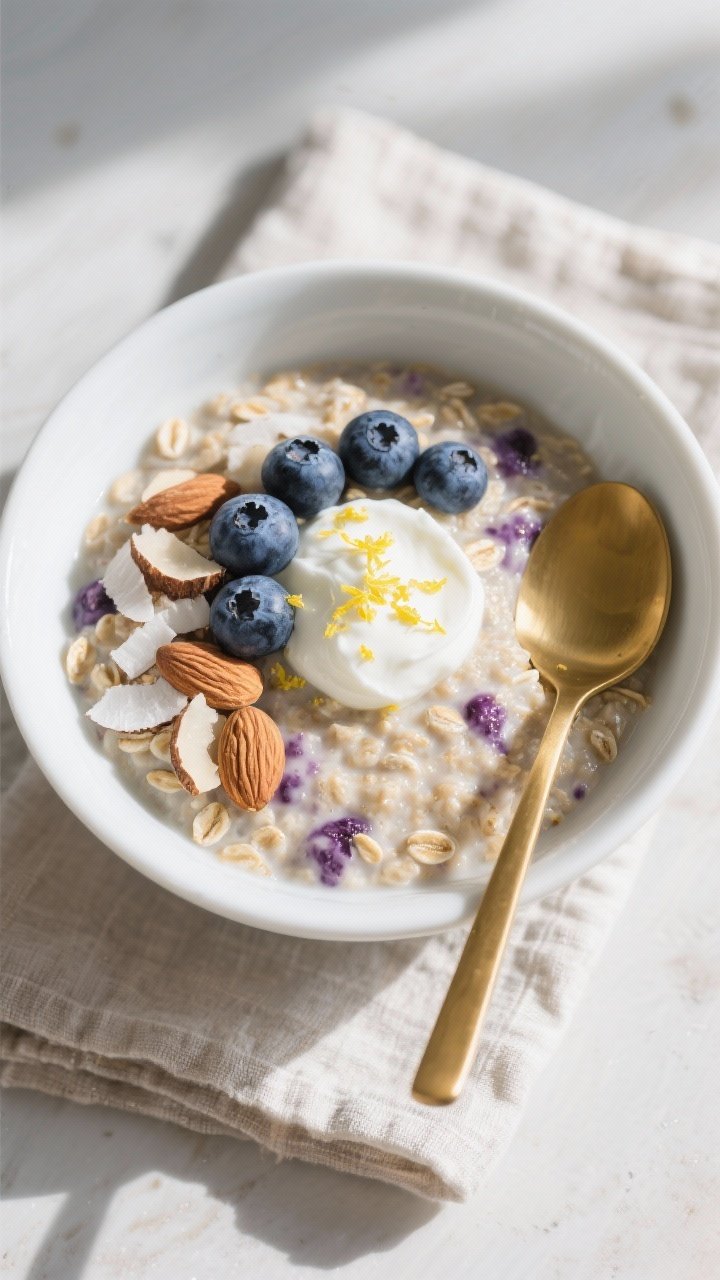
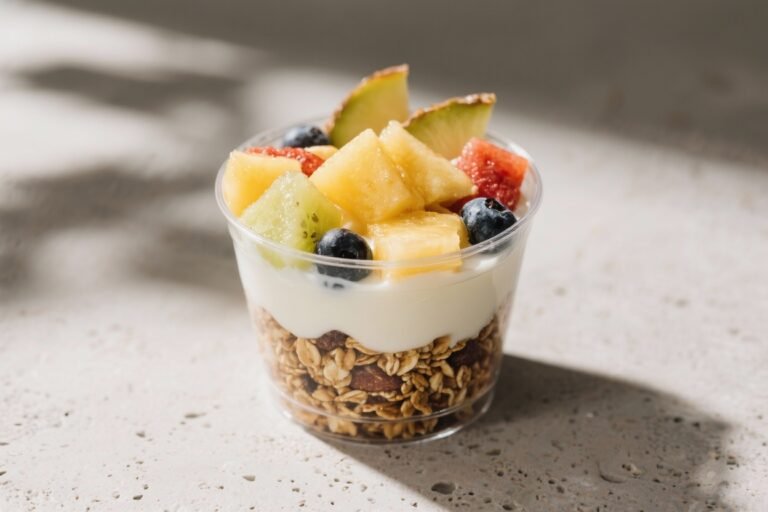
Balanced snacks might look like yogurt with fruit, whole grain mini muffins with nut butter, or veggie sticks with hummus. The Nutrition Facts panel will back this up with moderate sugar, plus steady amounts of protein and fiber.
6. Sugar Smart Swaps: Turning Treat Style Snacks Into Better Label Choices
Reading labels does not mean your child never gets to enjoy treat like snacks. It means you learn to choose treats that use more real ingredients and less added sugar, and you offer them in portions that work for your family.
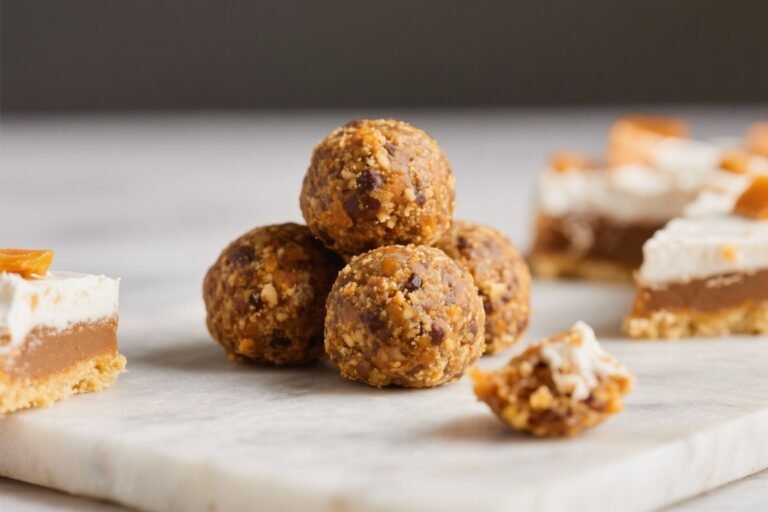
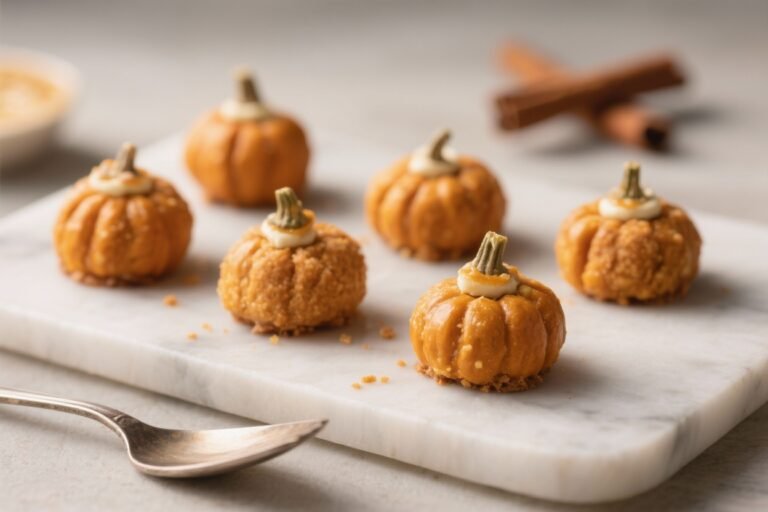
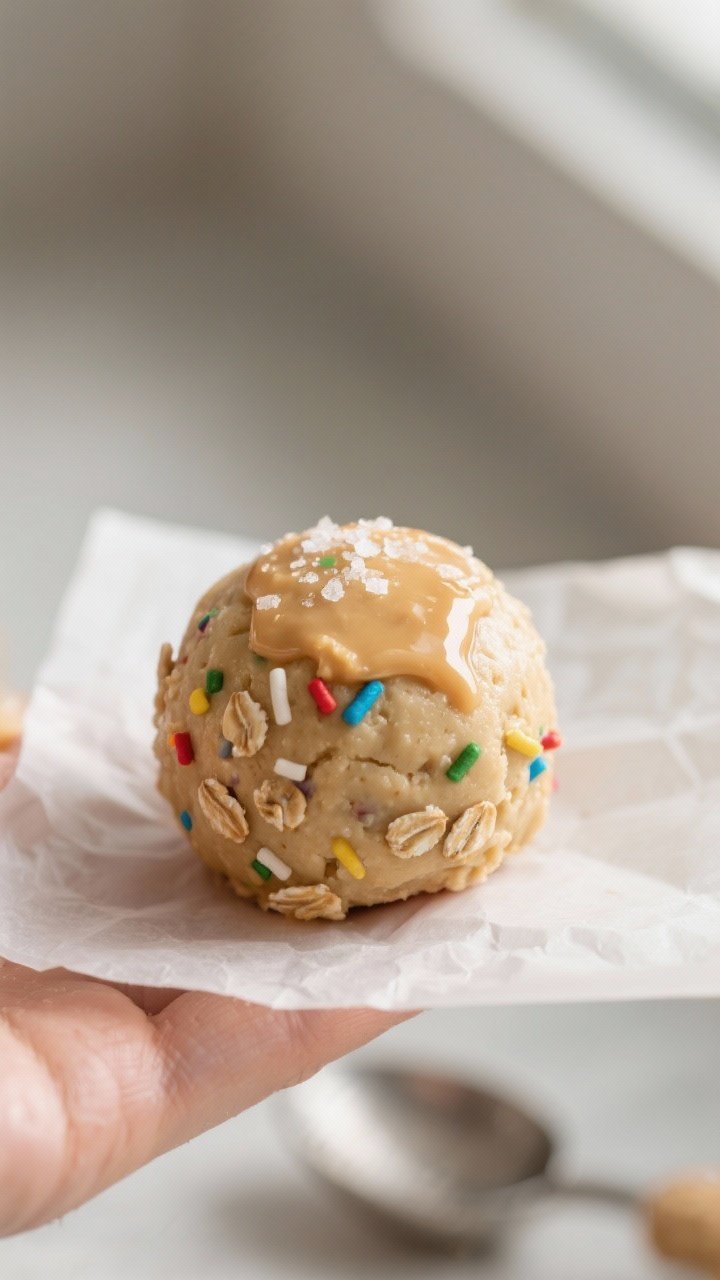
For example, instead of a frosted cookie with a long list of ingredients, a sugar smart “cookie dough” energy ball sweetened lightly with dates or a bit of honey often has more protein and fiber and a shorter ingredient list. You get the same fun flavor profile with a label that works much harder for your child’s body.

The same logic works for drinks. A sparkling berry infused water made with fruit and herbs avoids the long list of added sugars and colorings in many fruit punches, yet still feels special to kids reading the front of the bottle.
7. Fruit Snacks, Bars, And “Healthy” Sweets: Reading Beyond The Front Of The Box
Packages that say “made with real fruit” or “contains whole grains” can sound parent friendly, but the label tells the full story. A fruit snack that lists sugar or corn syrup before any actual fruit, or a bar that uses a dusting of whole grains but still packs in high added sugar, is not the everyday hero it appears to be.
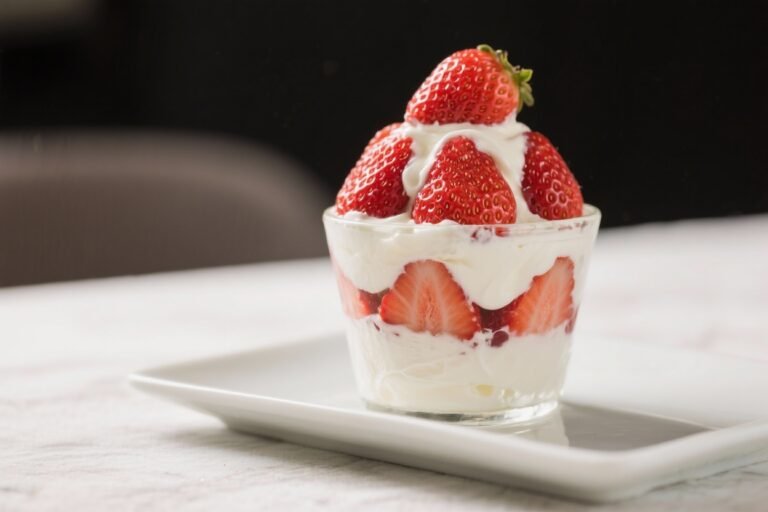
When reading labels on fruit snacks or bars, check that real fruit or whole grains appear in the first few ingredients, and that added sugars stay modest. Many homemade versions like fruit leather or granola bars skip colorings and excess sweeteners altogether, so the ingredient list stays short and clear.
Did You Know?
64.1% of snackers actively look for snacks they believe are “good for them”.
Source: Circana Snack Unwrap 2025
This is where label reading protects you from health halo marketing. A product can be “organic”, “gluten free”, or “made with fruit” and still be mostly sugar. The ingredient list and added sugars line keep you grounded in what your child is actually eating.
8. Crunchy Snacks And Chips: Comparing Labels To DIY Veggie Options
Salty and crunchy snacks are often where kids rack up extra refined carbs and oils without much nutrition. Many chips, puffs, and crackers are built on white flour or starch, with minimal fiber and almost no protein.
When you compare labels, look for crunchy snacks that offer at least some fiber and a short ingredient list. Then occasionally swap in DIY options, such as air fryer veggie chips, where the “ingredient list” is mostly vegetables, a drizzle of oil, and a pinch of salt.
Even if homemade versions are not an everyday habit, seeing how simple their “labels” are helps you judge packaged options more clearly. You can prioritize snacks that are closer to whole foods and use chips that are lower in additives as occasional sides rather than the main event.
9. Planning Label Smart Snack Bundles For School And After Activities
Reading snack labels gets easier when you stop making decisions one package at a time and start thinking in bundles. A snack bundle is a small group of foods packed together, such as a protein (like chicken bites or hard boiled eggs), a fruit or veggie, and a crunchy side.
When you plan bundles, you can let one item be more “fun” as long as the rest of the bundle is solid. For example, a small portion of a sweeter bar balanced by carrots and hummus, or air fryer salmon bites with a couple of whole grain crackers and berries.
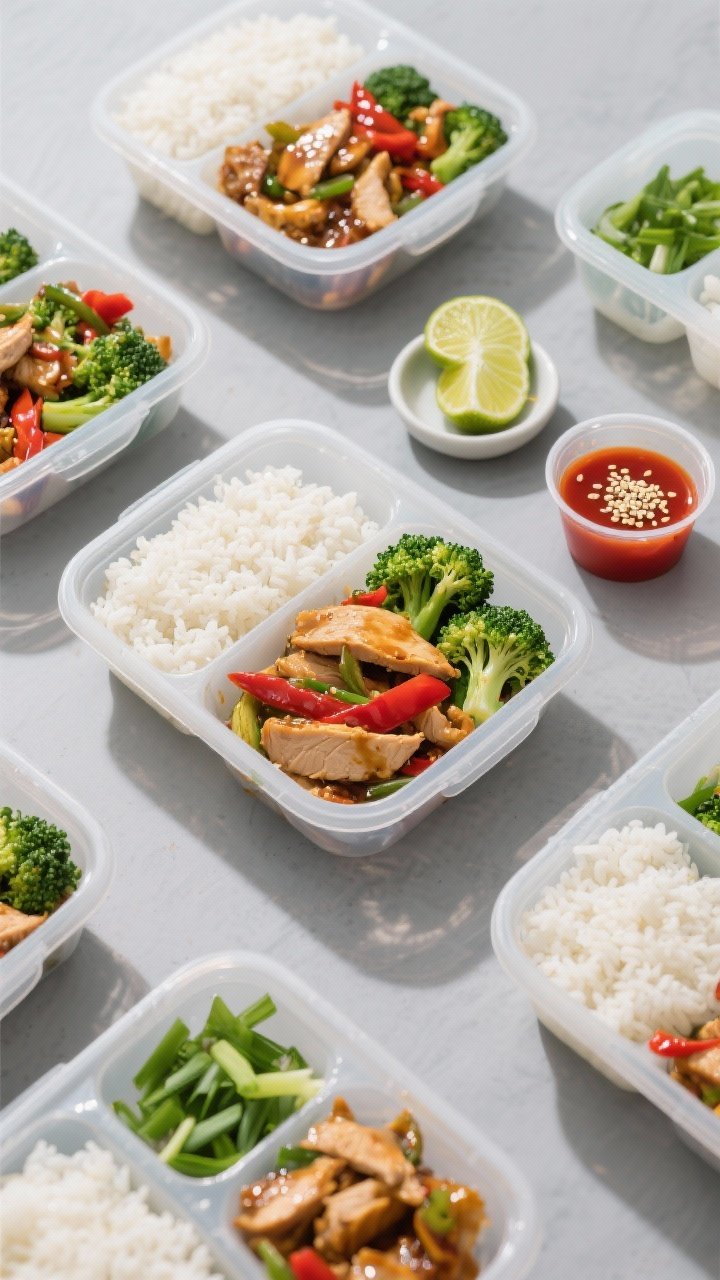
The label reading habit here is simple: make sure at least two parts of the bundle are low in added sugar and bring some protein or fiber to the table. This way, the entire snack time still supports steady energy even if one piece is more treat like.
10. Using Meal Prep And Apps To Make Label Reading Automatic
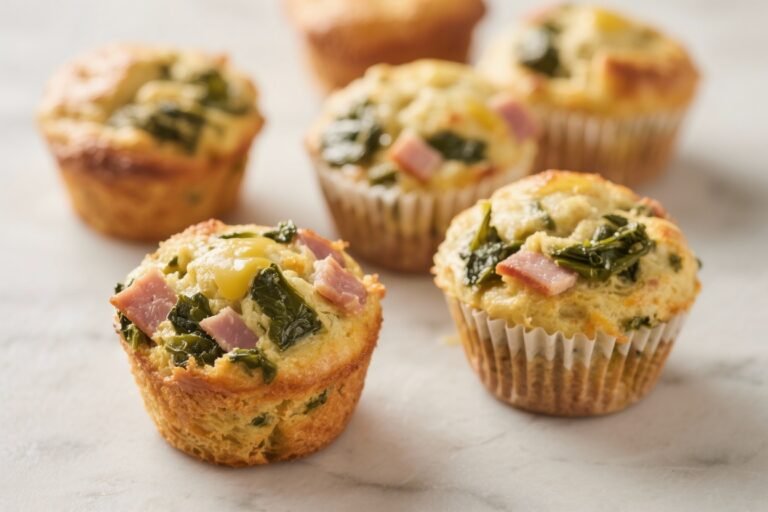
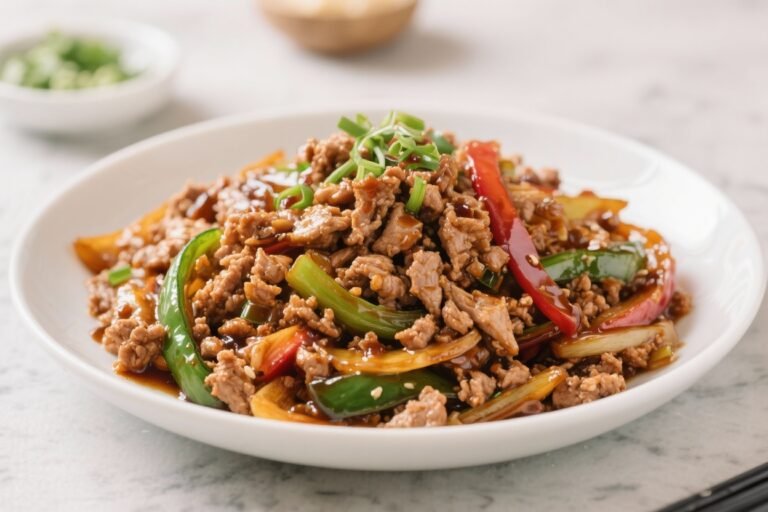
Once you have a few favorite snacks that pass your label rules, you can take pressure off by prepping ahead. Batch cooking items like chicken, salmon bites, or protein muffins gives you building blocks that you trust without having to read labels every single day.
Meal planning apps and simple lists also help you keep track of “approved” store bought snacks and homemade recipes. After an initial round of label checking, your shopping list becomes a set of reliable go to items rather than a fresh puzzle aisle by aisle.
Some parents even keep a simple “snack label rules” note on their phone, such as: “under 8 g added sugar; first ingredient is real food; at least 2 g fiber.” With a few weeks of practice, these rules become automatic and label reading feels like a quick safety check rather than a chore.
Conclusion
Reading snack labels for your kids is less about memorizing every nutrient and more about focusing on a few high impact habits. Start with serving size, added sugars, and the first few ingredients, then scan for protein, fiber, and real foods that keep kids fueled instead of wired.
You do not have to overhaul every snack at once; pick one category at a time, such as bars or fruit snacks, and upgrade the options you bring home. Over time, your pantry fills with snacks whose labels you understand and trust, making it easier to say “yes” more often while still protecting your child’s long term health.