The Balanced Plate Blueprint: 10 Easy Steps to Build Meals With Protein, Grains, Veggies, Fruit & Healthy Fats
Most people have seen a plate graphic at some point, yet only about 14.8% of U.S. adults actually try to follow plate recommendations in their daily eating. That gap often comes from not having a clear, practical balanced plate blueprint you can use with real food, in real kitchens, on real busy mornings. This guide walks you through a simple, repeatable template you can use to build meals that include protein, grains, vegetables, fruit, and healthy fats—plus concrete examples from family-friendly recipes that already follow this pattern.
Key Takeaways
| Question | Answer (Balanced Plate Blueprint in Action) |
|---|---|
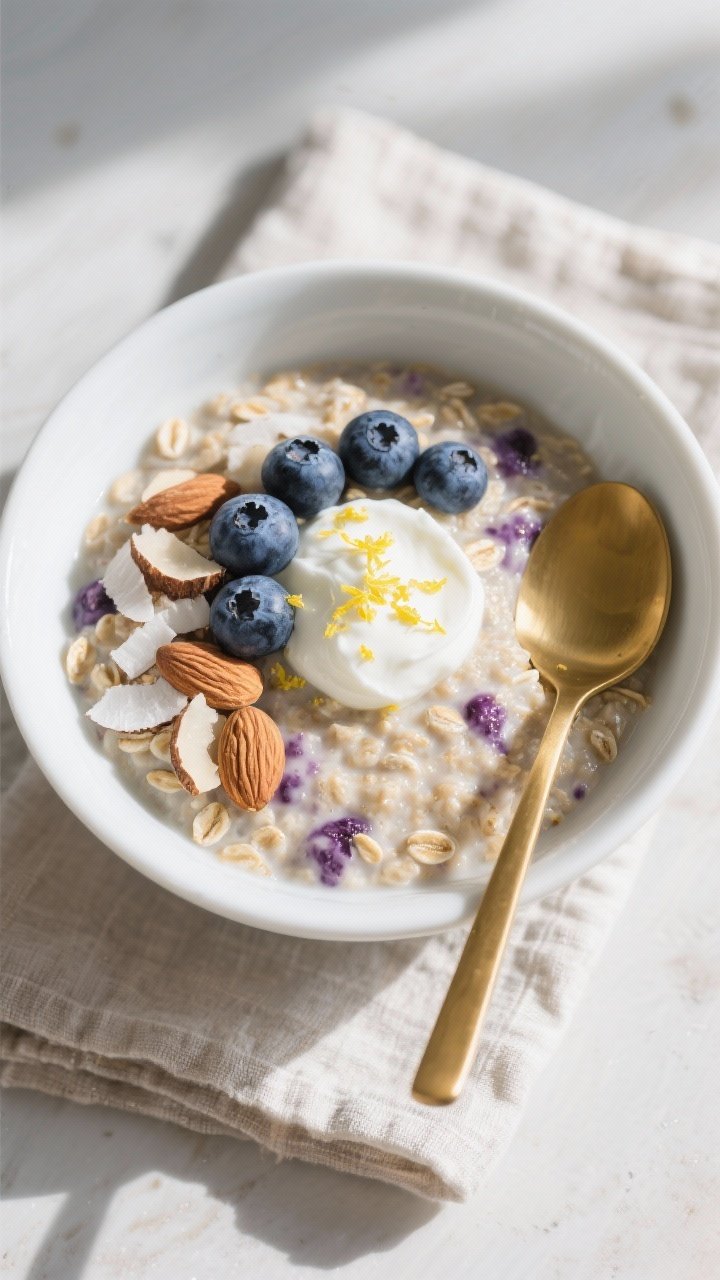
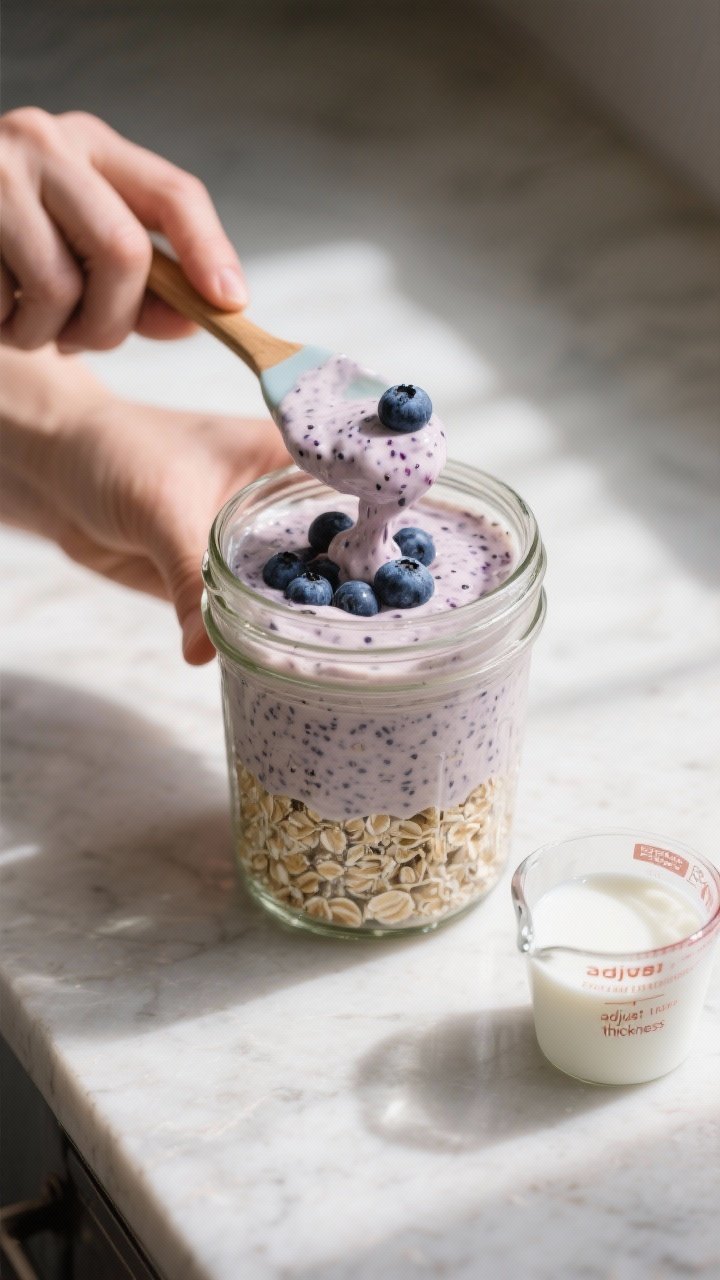
| 1. What is a balanced plate blueprint? | A simple template where about half your plate is fruits and vegetables, one quarter lean protein, and one quarter whole grains, with healthy fats added in small amounts. You’ll see this pattern in recipes like vanilla blueberry overnight protein oats, which pair oats, protein, and fruit in one bowl. |
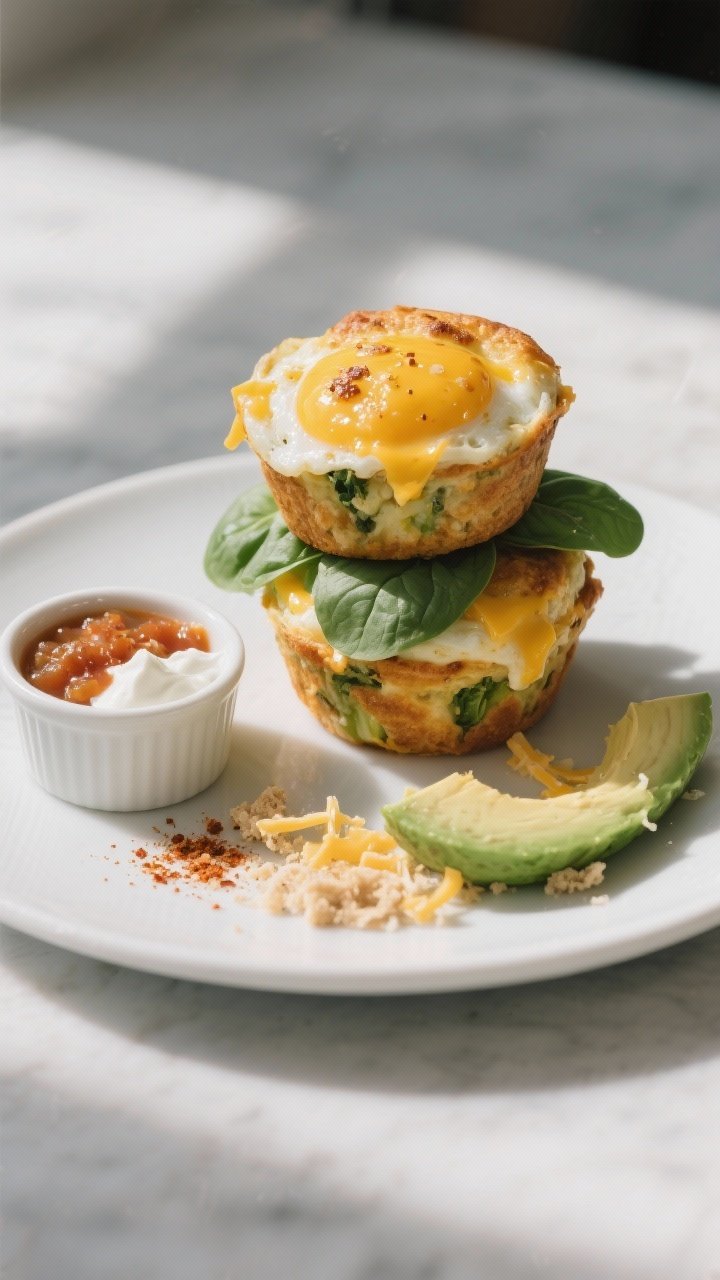
| 2. How do I include all five parts (protein, grains, vegetables, fruit, healthy fats) at breakfast? | Use make-ahead ideas that layer components, such as veggie egg muffins with turkey sausage for protein + veggies, then add whole-grain toast and fruit on the side with a drizzle of olive oil or avocado for healthy fats. |
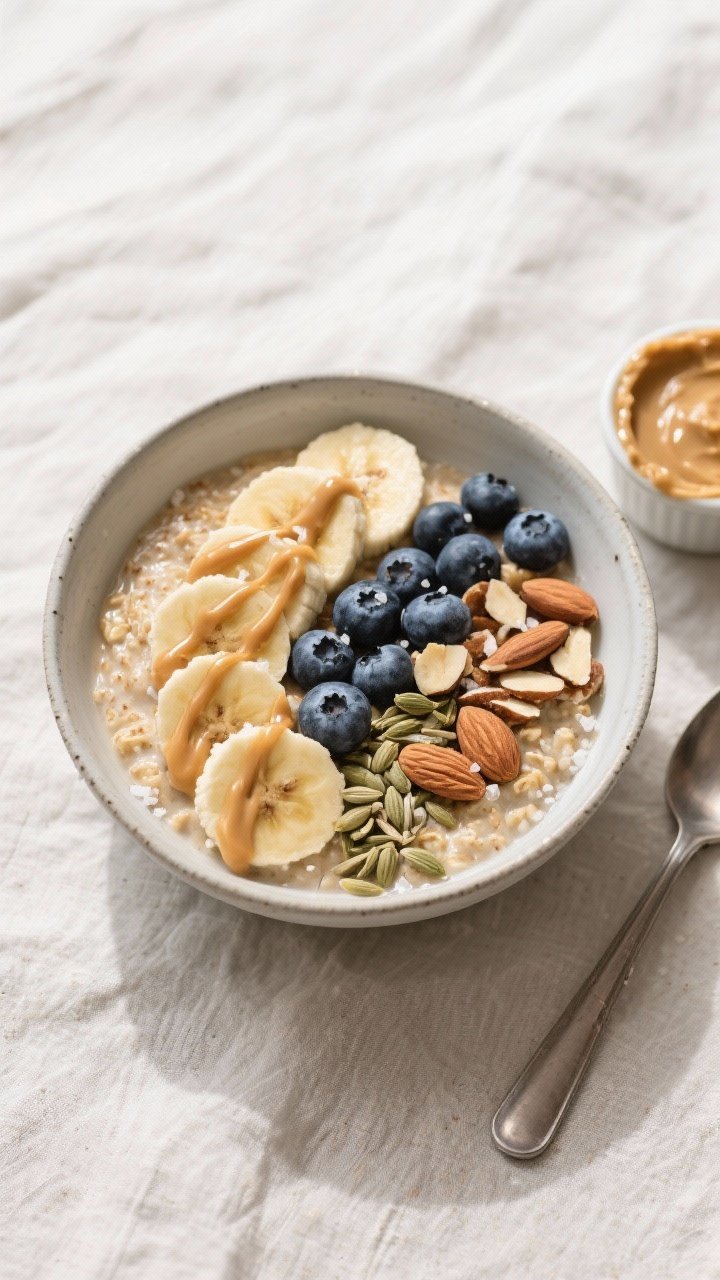
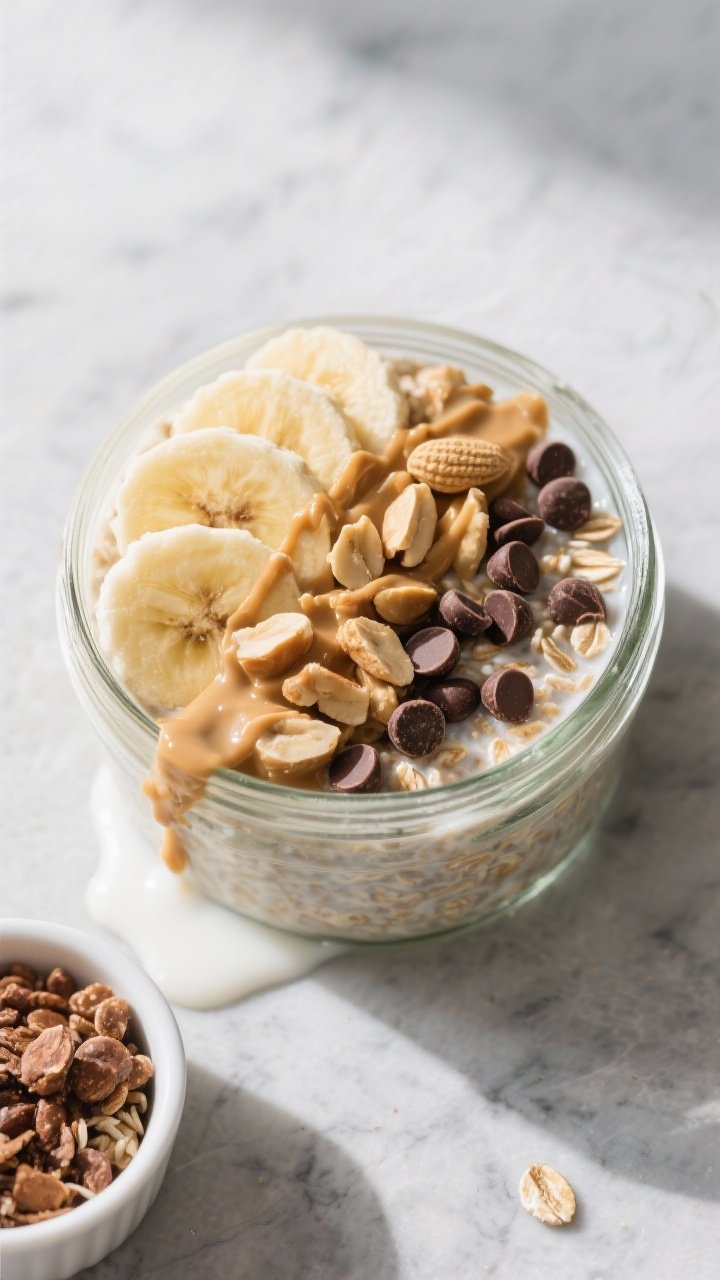
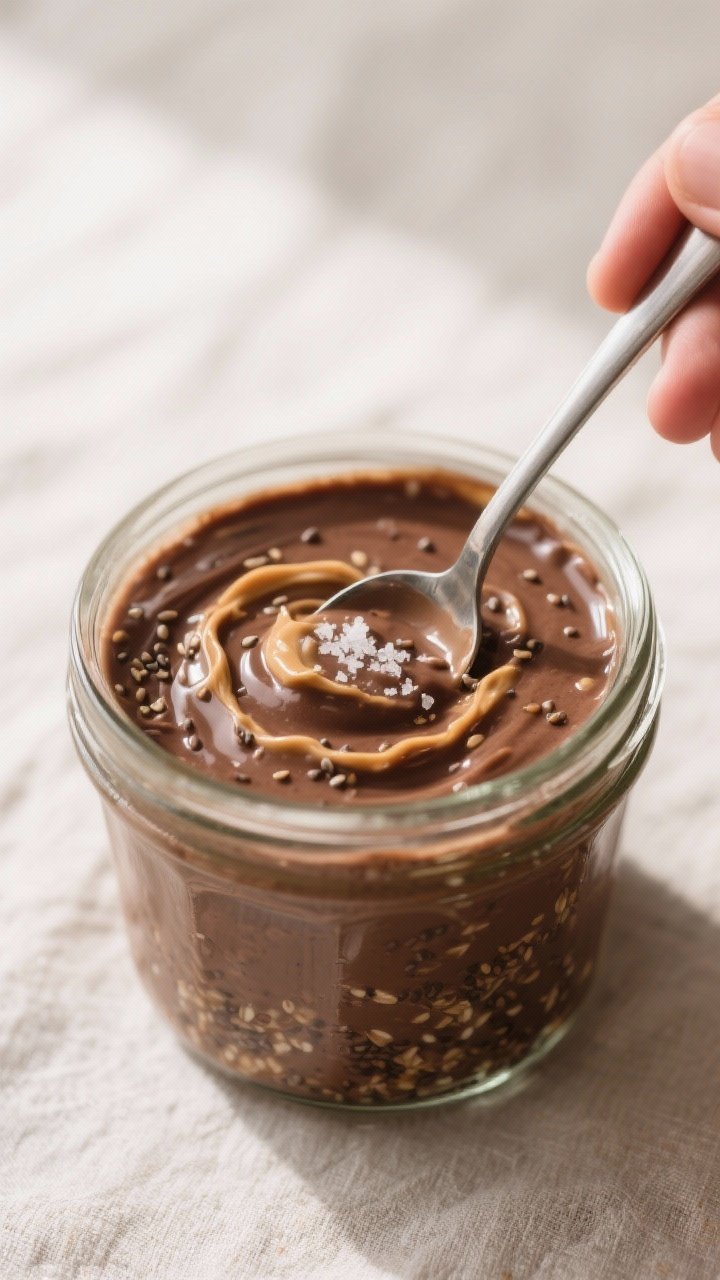
| 3. What’s an easy grain + protein base for balanced plates? | Oatmeal and overnight oats are excellent bases. Recipes like protein-boosted oatmeal with nut butter and chocolate peanut butter overnight oats start with whole grains, layer in protein, then add fruit and nuts or seeds. |
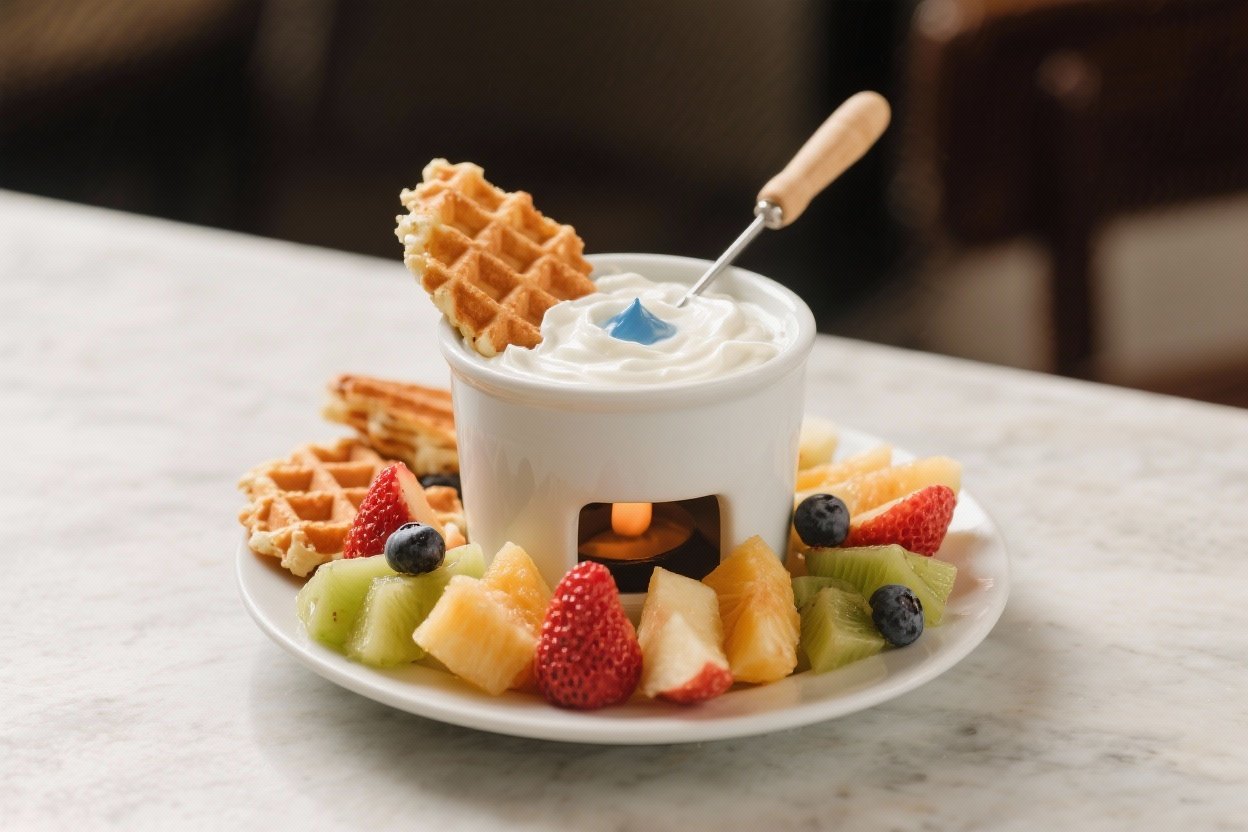
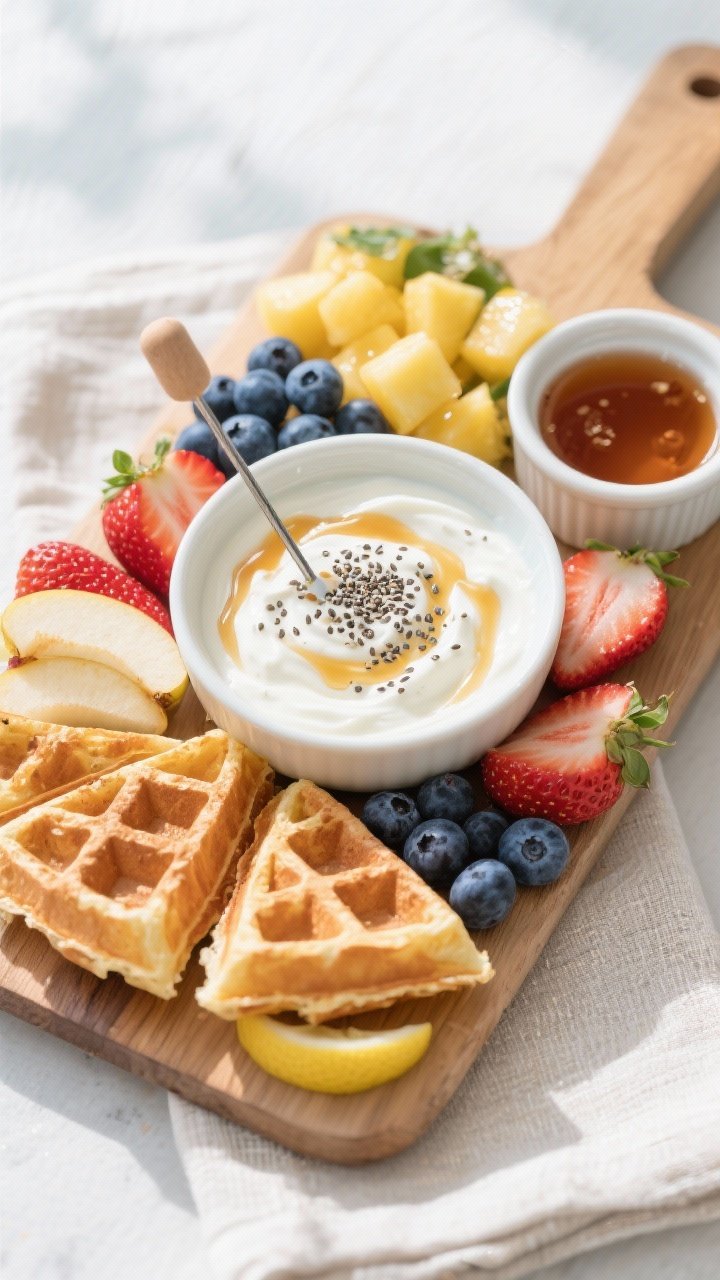
| 4. How can I build a kid-friendly balanced plate? | Combine fun formats with solid nutrition. For example, breakfast fondue with Greek yogurt dip provides protein and fats in the dip, grains in waffle dippers, and colorful fruit for the produce half of the plate. |
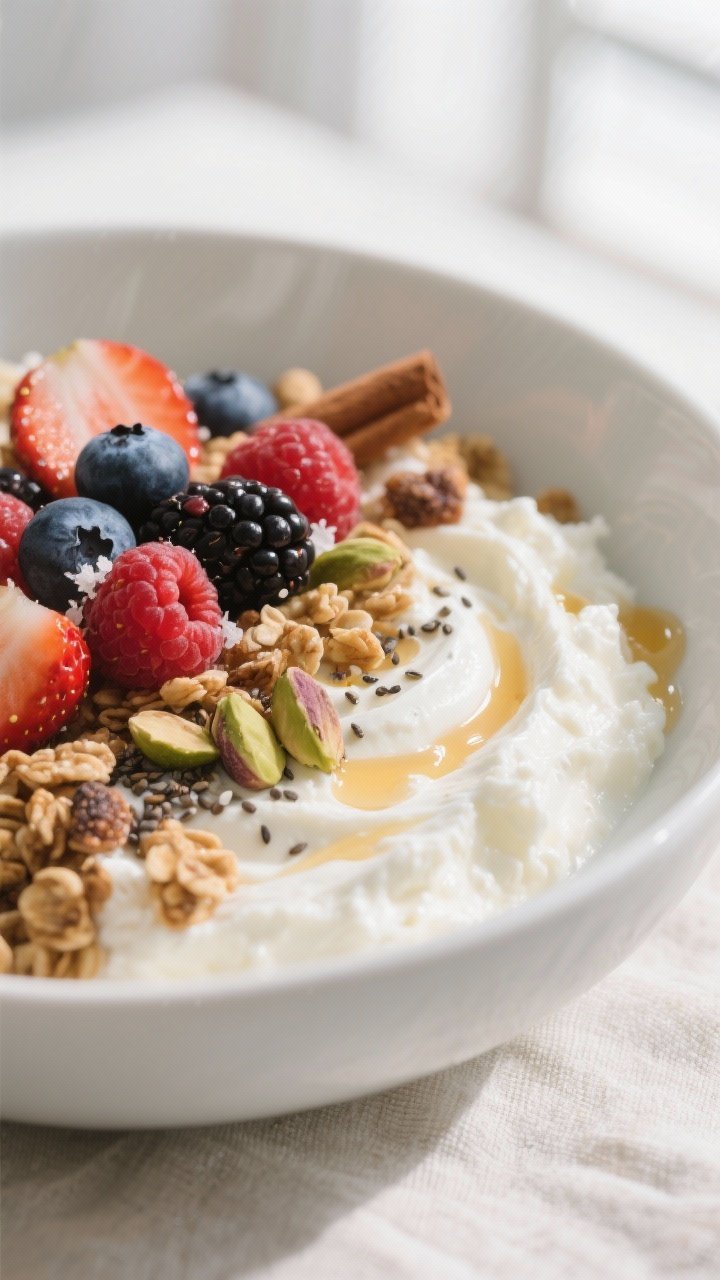
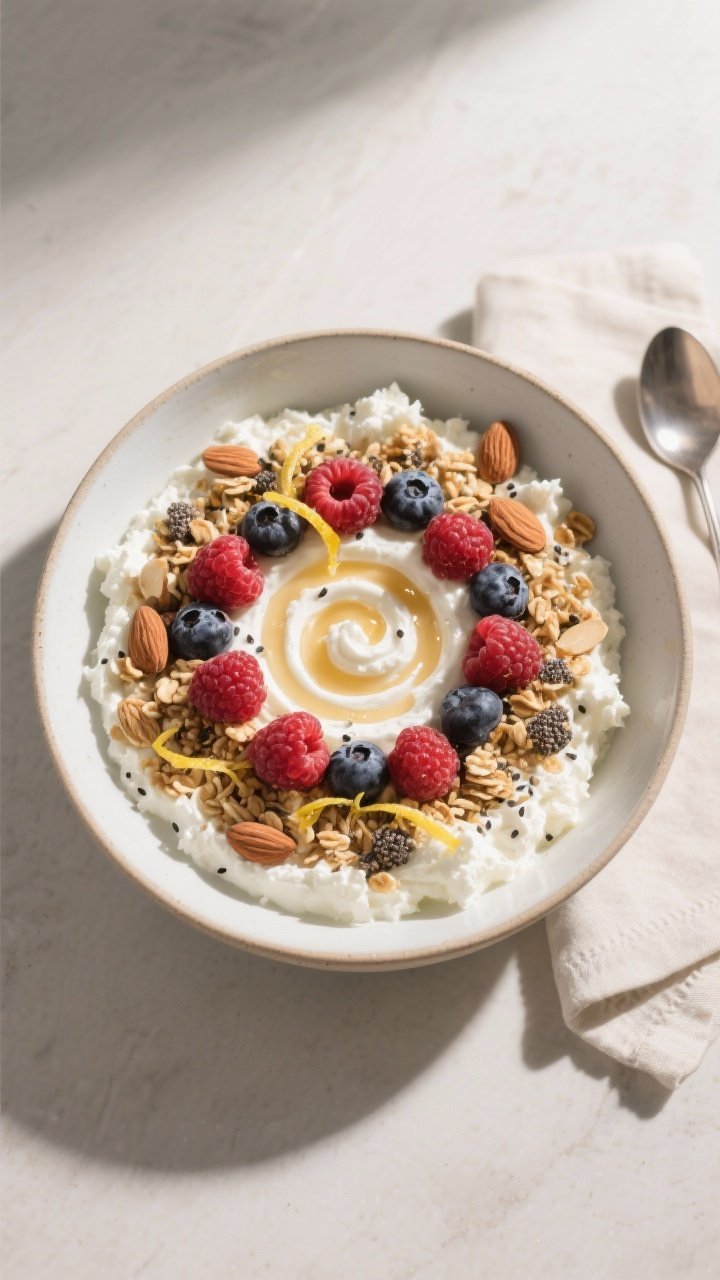
| 5. What are quick protein ideas for the plate blueprint? | Cottage cheese bowls—like the mixed berry & granola cottage cheese bowl or savory cottage cheese with tomatoes—offer fast, spoonable protein you can top with fruit, whole-grain granola, and seeds. |
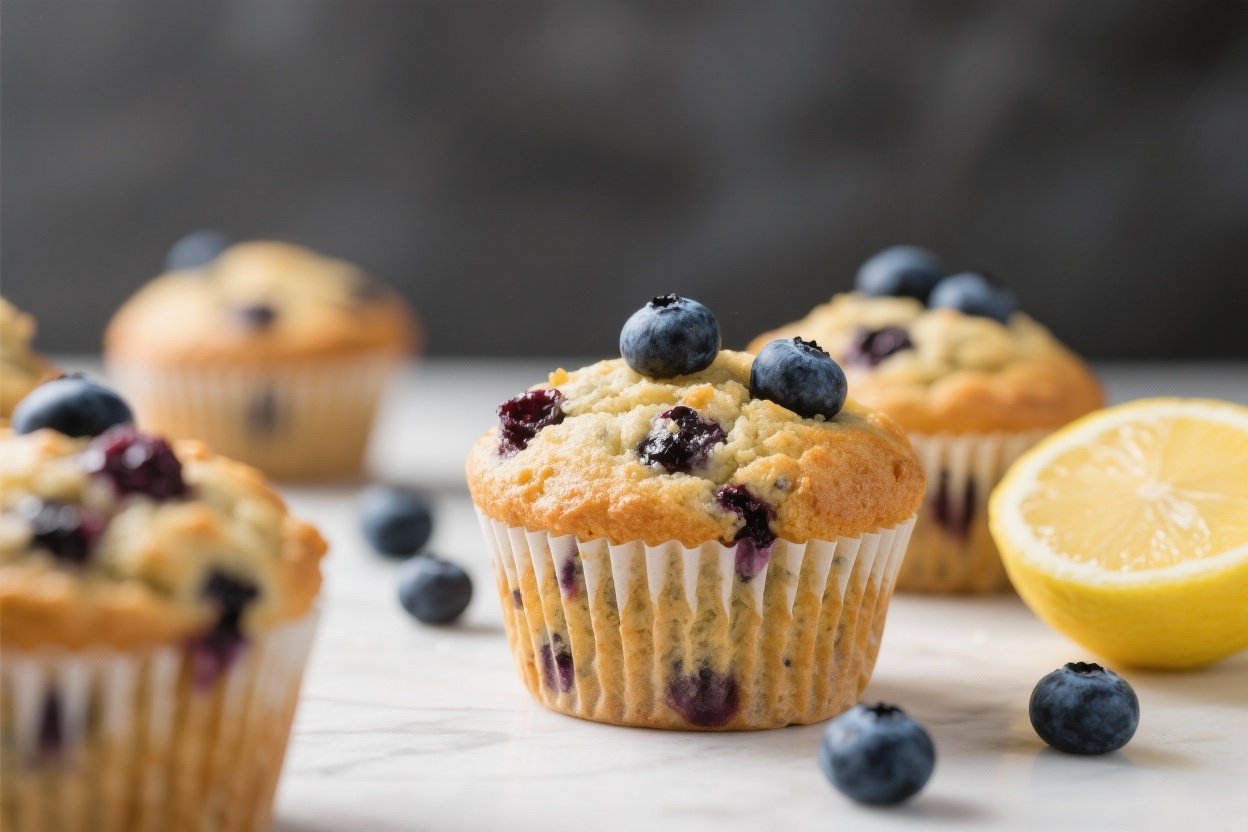
| 6. Can muffins fit into a balanced plate blueprint? | Yes, when they bring protein and whole grains to the table. Protein muffin recipes such as blueberry lemon or zucchini carrot work best when paired with fruit and a protein-rich side (like yogurt or cottage cheese). |
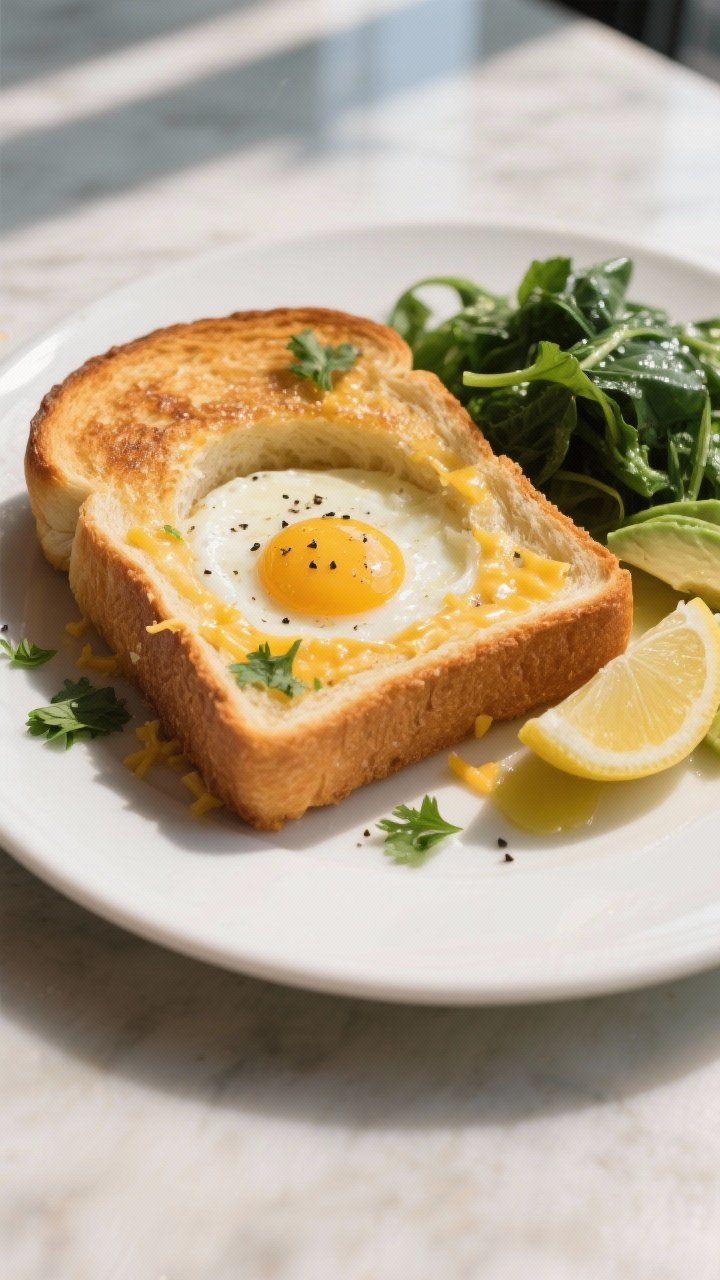
| 7. Is the balanced plate blueprint only for breakfast? | No. The same structure guides lunch and dinner. A simple egg-in-a-hole breakfast, for example, shows how protein + grain + fat can be combined, then rounded out with a side of vegetables and fruit to hit all five components. |
1. What Is a Balanced Plate Blueprint? (The 50/25/25 Rule Explained)
A balanced plate blueprint is a visual template that helps you build meals without tracking calories or grams. The core idea: every main meal includes lean protein, whole grains, vegetables, fruit, and healthy fats in easy-to-see portions on your plate or in your bowl.
Most plate models converge on a similar pattern: about half the plate fruits and vegetables, one quarter whole grains, and one quarter lean protein, with healthy fats scattered in modest amounts through dressings, nuts, seeds, or oils. This flexible structure works for breakfast bowls, lunch plates, and family dinners alike.
Core Components of the Balanced Plate Blueprint
- Protein: eggs, Greek yogurt, cottage cheese, turkey sausage, beans, tofu.
- Grains: oats, whole-grain bread, waffles, brown rice, quinoa.
- Vegetables: leafy greens, tomatoes, carrots, zucchini, peppers.
- Fruit: berries, apples, peaches, pineapple, bananas.
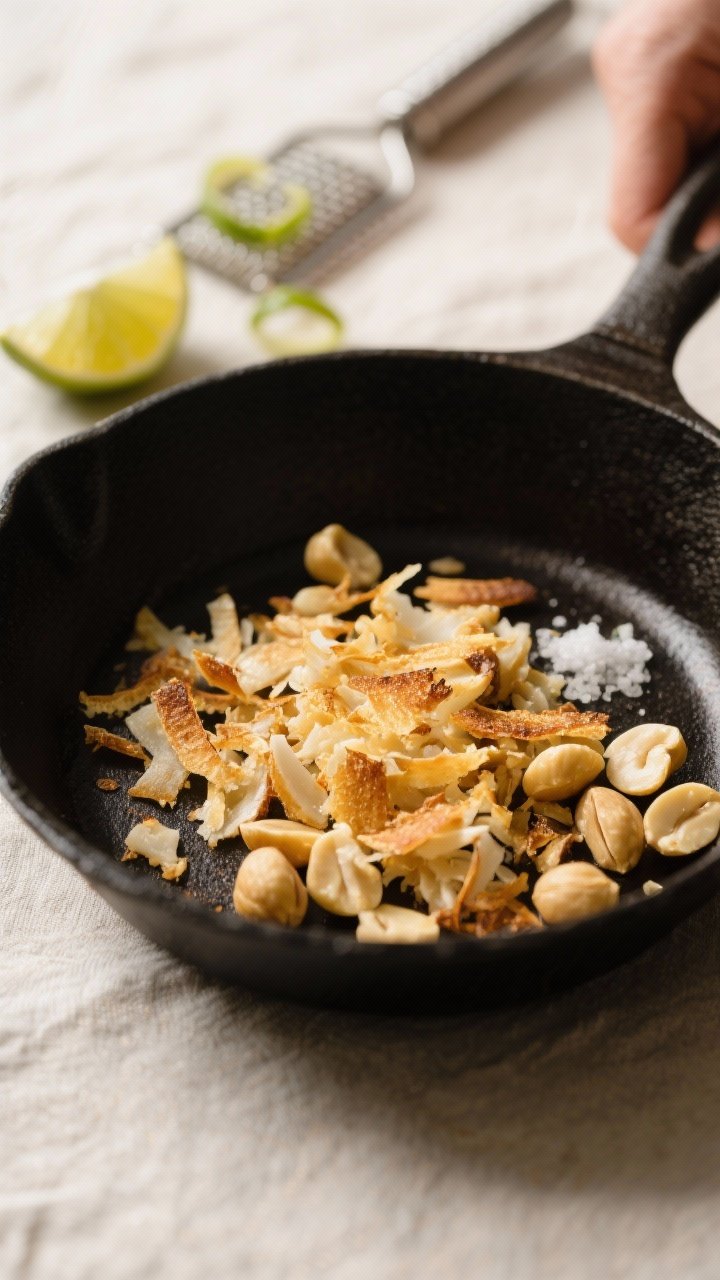
- Healthy fats: nuts, seeds, nut butters, olive oil, avocado, coconut in moderation.
2. The Basic Template: How to Visually Divide Your Plate
To use a balanced plate blueprint, start with a mental picture of your plate divided into sections. Imagine an invisible line down the middle; the left half is for fruits and vegetables, while the right half is split into protein and grains.
A widely used guide recommends: 50% of the plate as fruits and vegetables, 25% lean protein, and 25% whole grains. Healthy fats usually ride along with these components: nut butter on your oats, olive oil over your tomatoes, or seeds sprinkled on a cottage cheese bowl.
Plate Blueprint at a Glance
| Plate Area | What to Add | Example From Recipes |
|---|---|---|
| Half the plate | Fruits & vegetables | Blueberries, apples, peaches, tomatoes, zucchini, carrots |
| Quarter of the plate | Lean protein | Eggs, Greek yogurt, cottage cheese, turkey sausage |
| Quarter of the plate | Whole grains | Oats, whole-grain waffles, whole-wheat bread |
| Scattered | Healthy fats | Nut butters, olive oil, nuts, seeds, coconut |
3. Protein Foundations: Building the Quarter That Keeps You Full
Protein is the anchor of the balanced plate blueprint. It helps you stay full, supports muscle maintenance, and steadies energy, especially for kids and active adults. The goal is to make sure every meal includes a clear, visible source of protein.
Protein-focused recipes like veggie egg muffins, high-protein oatmeal, and cottage cheese bowls show how to tuck protein into everyday meals without a lot of cooking. You can then build the rest of the plate—grains, fruit, vegetables, and fats—around that protein “anchor.”
Examples of Protein-Centered Recipes
- Egg-based: Make-ahead veggie egg muffins with turkey sausage.
- Dairy-based: Cottage cheese bowls with fruit or tomatoes; Greek yogurt breakfast fondue.
- Grain-based + protein: Oatmeal boosted with yogurt or protein powder and nut butter.
Did You Know?
Harvard’s Healthy Eating Plate uses a 50/25/25 distribution: half the plate vegetables and fruits, a quarter whole grains, and a quarter healthy protein—almost exactly the structure of a balanced plate blueprint.
Source: Harvard T.H. Chan School of Public Health
4. Grains That Work: Turning Oats, Bread, and Waffles Into Balance
Grains are often the easiest part of the plate to fill, but the blueprint encourages you to prefer whole grains most of the time. Oats, whole-grain bread, and whole-grain waffles bring fiber and long-lasting energy when they’re paired with protein, produce, and healthy fats.
Several recipes show how grains can be more than “just carbs.” When oats are combined with Greek yogurt, milk, and nut butter, or when waffle dippers are served with protein-rich yogurt dip and fruit, the grain becomes one piece of a balanced meal instead of the entire focus.
Grain Ideas Within the Blueprint
- Oats: Overnight protein oats (vanilla blueberry or chocolate peanut butter).
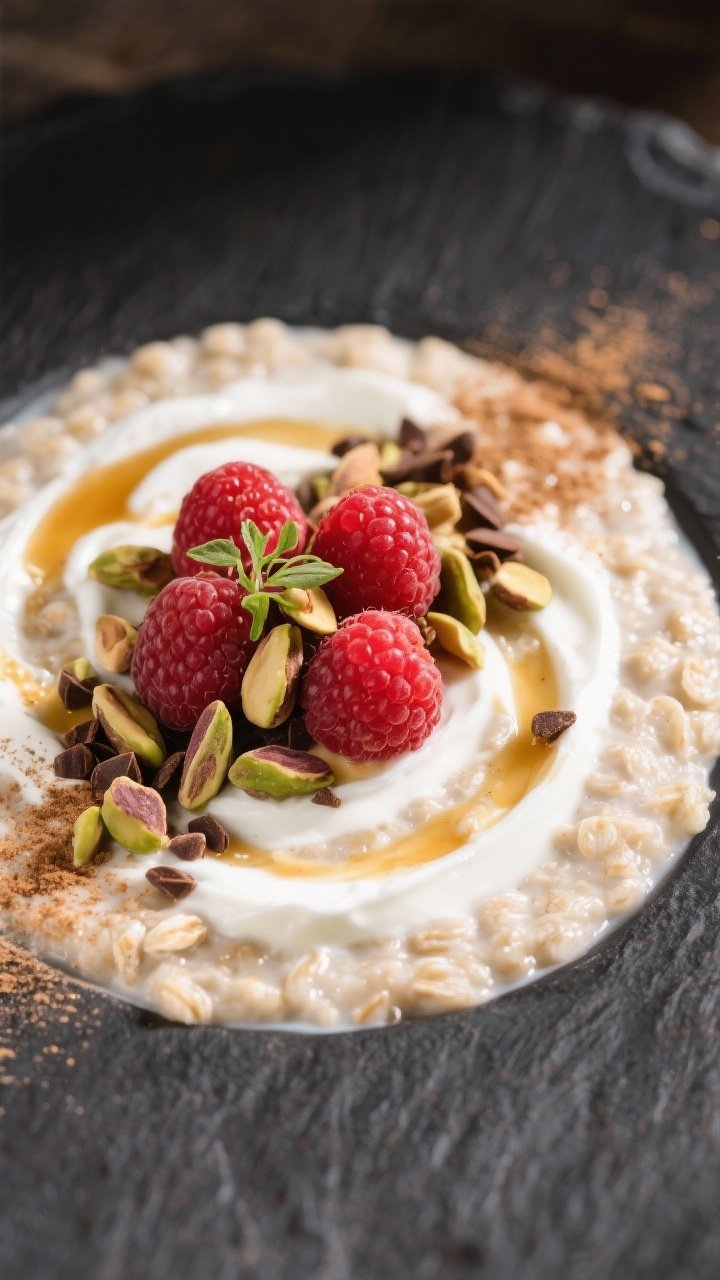
- Hot oatmeal: Classic oatmeal protein boost with nut butter.
- Waffles & bread: Toaster waffle dippers or bread for egg-in-a-hole, ideally in whole-grain versions.
5. Fruits & Vegetables: Filling Half the Plate (Without Getting Bored)
The most powerful part of a balanced plate blueprint is the half that belongs to fruits and vegetables. Color, crunch, and fiber come from this section, and it’s where you can easily adjust portions upward if you’re aiming for more volume or lower calorie density.
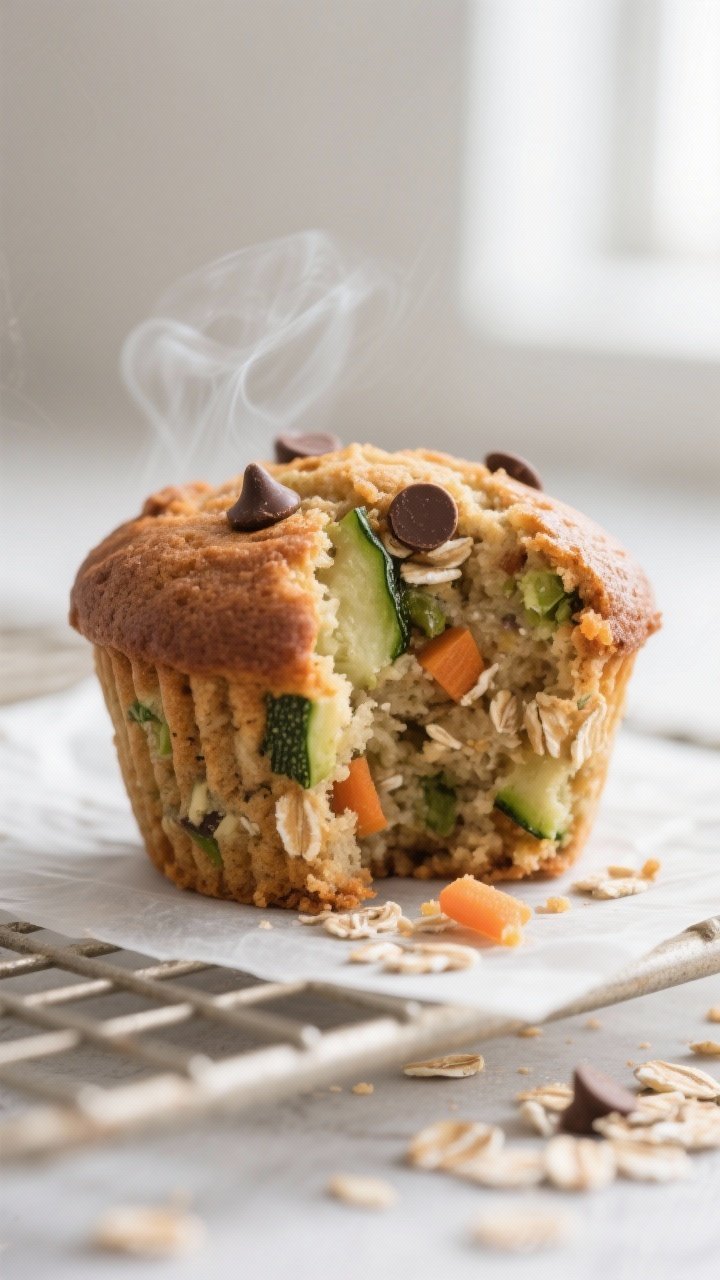
Breakfast doesn’t need to be exempt from vegetables. Zucchini and carrots in protein muffins, tomatoes in a savory cottage cheese bowl, and veggies baked into egg muffins all contribute to that half-plate target. Fruit toppings—berries, apples, peaches, pineapple—layer naturally onto oats, yogurt, and cottage cheese.
Produce Ideas for the Blueprint
- Fruits: Blueberries, strawberries, mixed berries, apples with cinnamon, peaches, pineapple.
- Vegetables: Zucchini, carrots, peppers, spinach, cherry tomatoes, onions in egg muffins.
6. Healthy Fats: Small Additions That Make Meals Satisfying
Healthy fats are the “finishing touches” in a balanced plate blueprint. They don’t take up a large section of the plate, but they do make your meal more filling and improve flavor and texture. Nuts, seeds, nut butters, and olive oil are simple ways to add them.
In practice, you’ll see healthy fats folded into many of the recipes, rather than standing alone. Peanut butter in overnight oats, olive oil drizzled on savory cottage cheese bowls, granola and coconut on fruity bowls, and cheese in egg muffins all help you hit the fat component without extra effort.
Simple Ways to Add Healthy Fats
- Stir a spoonful of nut butter into oatmeal or overnight oats.
- Top cottage cheese or yogurt with nuts, seeds, or a small amount of granola.
- Use olive oil on savory bowls or roasted vegetables.
7. Breakfast Blueprint: Overnight Oats & Protein Oatmeal
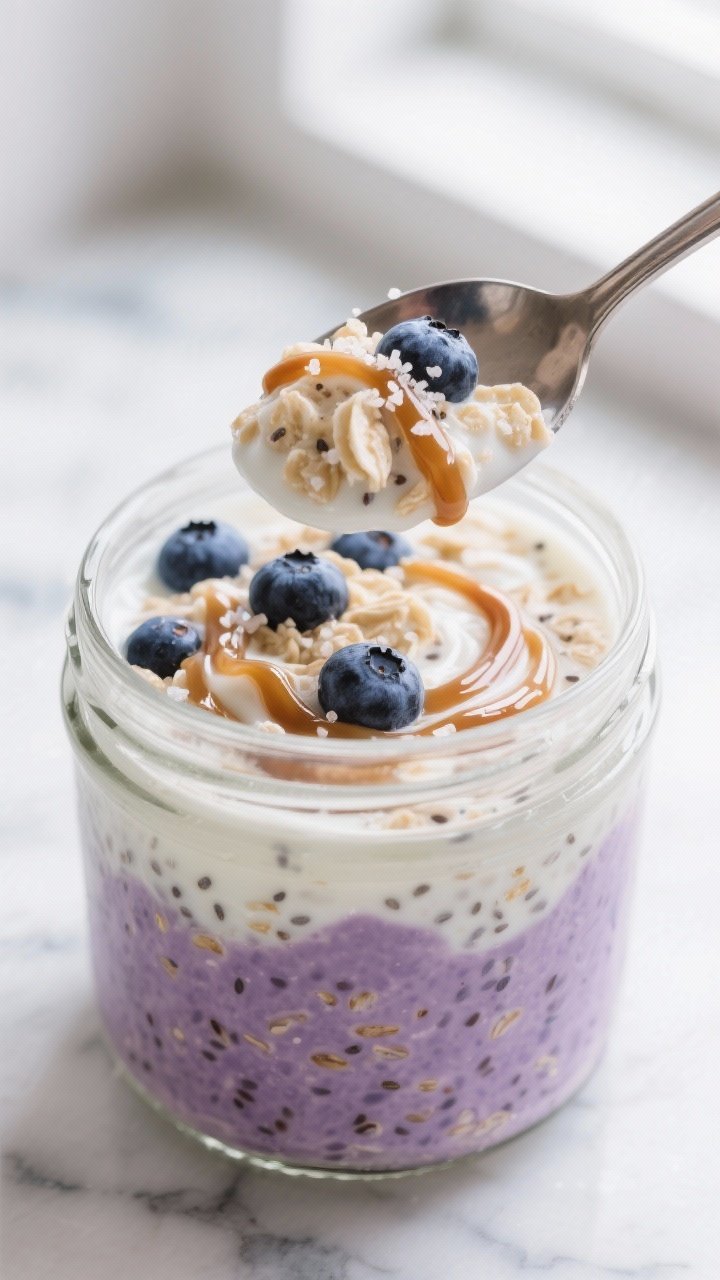
Overnight oats and hot oatmeal are natural fits for the balanced plate blueprint because they start with whole grains and give you room to add protein, fruit, and healthy fats in one bowl. With a few tweaks, a simple bowl of oats becomes a full blueprint meal.
For example, vanilla blueberry overnight oats use oats (grain), Greek yogurt and protein powder (protein), blueberries (fruit), and chia seeds or nut butter (healthy fats). Chocolate peanut butter versions follow the same pattern, just with cocoa and peanut butter as flavor and fat sources.
How to Apply the Blueprint to Oats
- Start with oats as your grain base.
- Add a protein: Greek yogurt, milk, or protein powder.
- Mix in fruit: berries, banana slices, or apple chunks.
- Finish with healthy fats: nut butter, chia seeds, or nuts.
Did You Know?
The Dietary Guidelines for Americans suggest about 2 cup equivalents of fruit and 2.5 cup equivalents of vegetables per day on a 2,000-calorie diet—targets that become easier to reach when half your plate comes from fruits and veggies at most meals.
Source: Dietary Guidelines for Americans, 2020–2025
8. Fun Family Blueprint: Breakfast Fondue & Egg Muffins
A balanced plate blueprint doesn’t have to look rigid. Family-style options like breakfast fondue with Greek yogurt dip and waffle dippers make the template playful while still covering protein, grains, fruit, and fats. Kids can choose their own dippers while you quietly keep the plate balanced.
Similarly, make-ahead veggie egg muffins provide a compact protein-and-vegetable base. Add a slice of whole-grain toast and some fruit on the side, and you’ve hit all parts of the blueprint with a meal you can reheat in minutes.
Blueprint Check: Breakfast Fondue + Egg Muffins
- Protein: Greek yogurt dip; eggs and turkey sausage in muffins.
- Grains: Whole-grain waffle dippers or toast.
- Fruits & veggies: Assorted fruit platter; vegetables inside the muffins.
- Healthy fats: Yogurt toppings like nuts or seeds; cheese in muffins.

9. Cottage Cheese Bowl Blueprint: Sweet & Savory Variations
Cottage cheese bowls are almost ready-made for the balanced plate blueprint. Cottage cheese supplies protein and some fat, and you can top it with fruits, vegetables, whole-grain add-ins, and seeds to complete the meal in minutes.
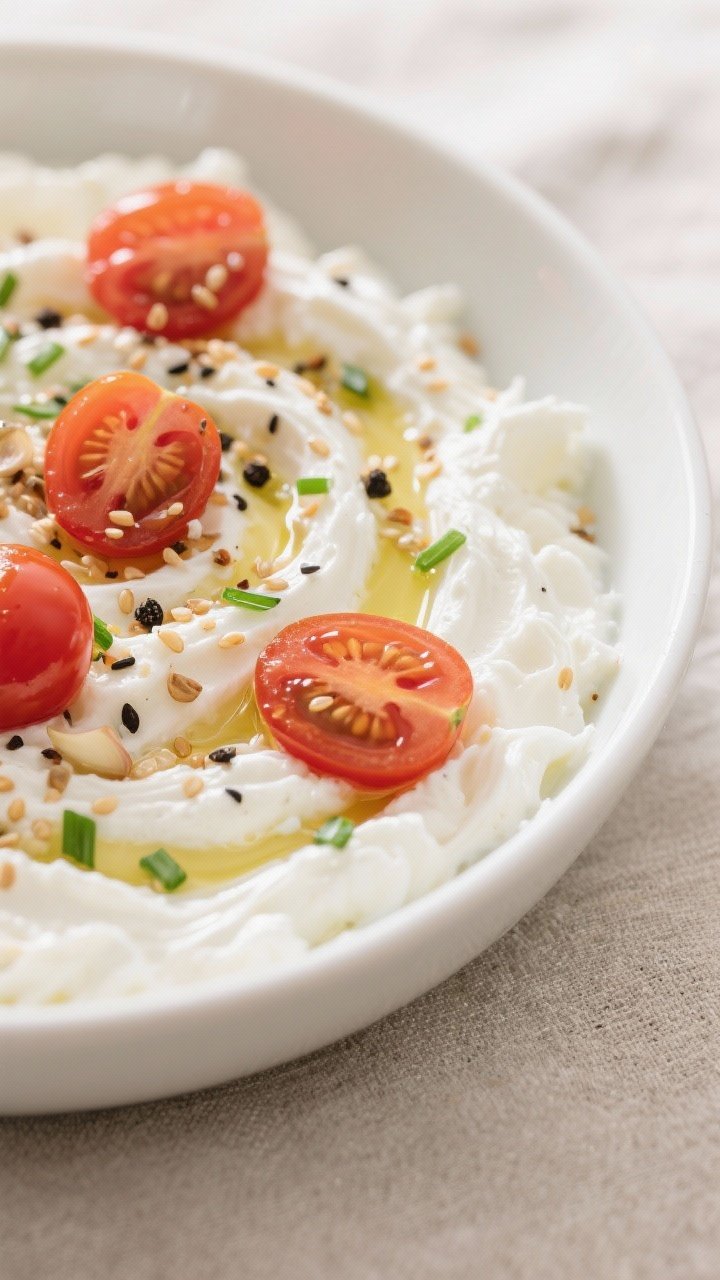
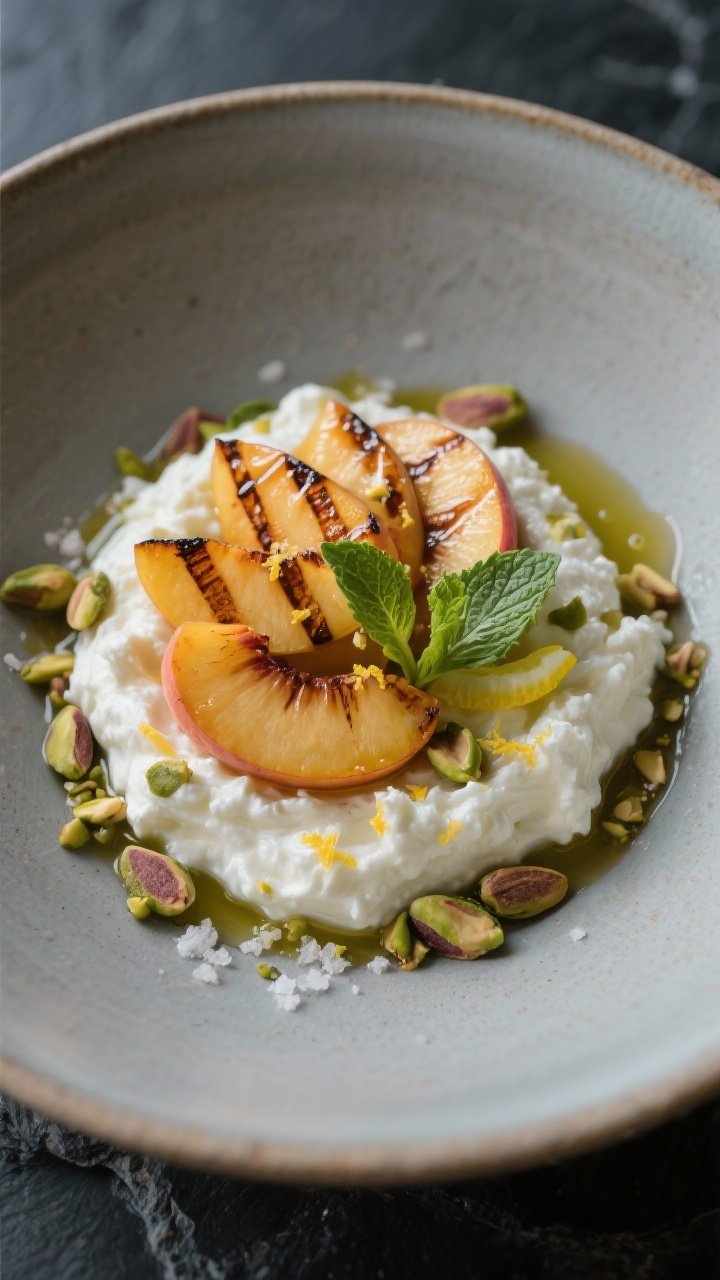
Sweet versions might include apples and cinnamon, mixed berries with granola, peaches with honey, or pineapple and coconut. Savory options bring in cherry tomatoes, herbs, and a drizzle of olive oil. In each case, you are layering produce, whole grains (like granola), and healthy fats onto a protein-rich base.
Sample Cottage Cheese Bowl Combinations
- Fall apple & cinnamon: Cottage cheese + chopped apples + cinnamon + nuts.
- Mixed berry & granola: Cottage cheese + berries + whole-grain granola + seeds.
- Savory tomato: Cottage cheese + cherry tomatoes + everything seasoning + olive oil.
10. Grab-and-Go Blueprint: Protein Muffins & On-the-Side Additions
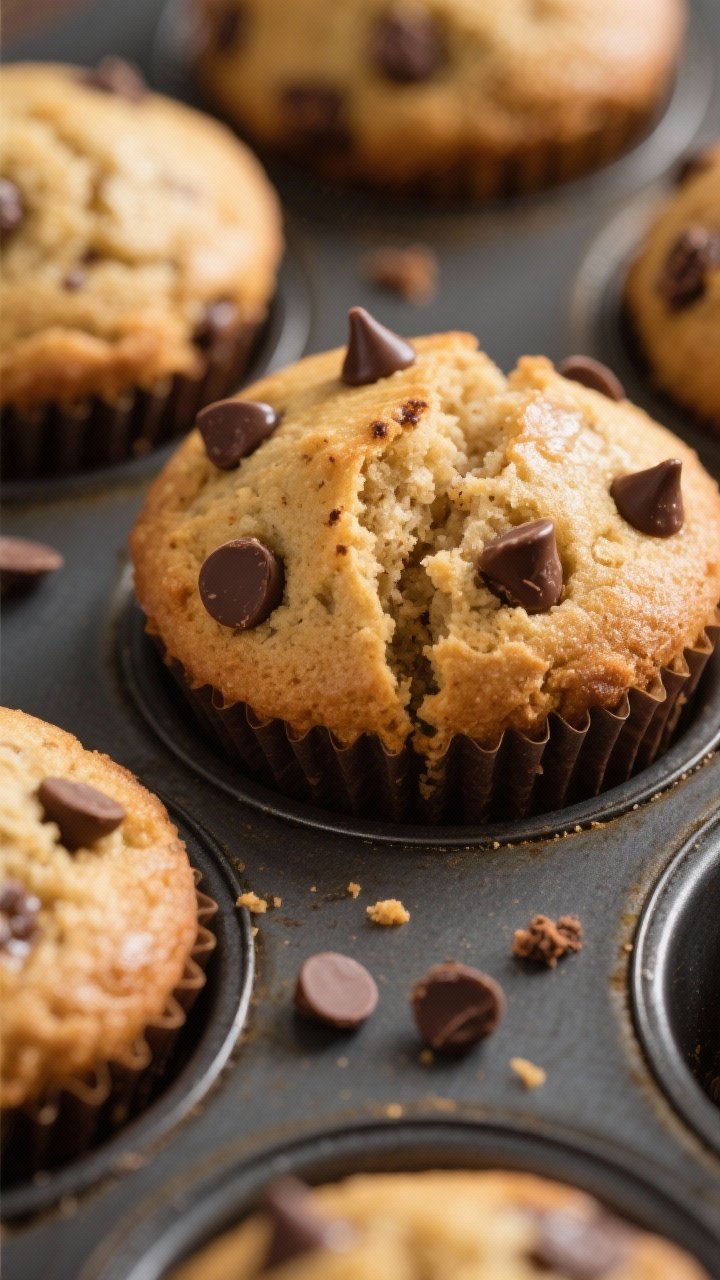
Protein muffins are convenient, but on their own they usually don’t fill every part of the balanced plate blueprint. The key is to treat them as the grain-plus-protein portion, then round out the rest of the plate with produce and fats.
Blueberry lemon, banana chocolate chip, and zucchini carrot protein muffins all contain protein and grains, and in some cases built-in fruit or veggies. Add a serving of fruit, some sliced vegetables or a small salad, and a side of yogurt or cottage cheese to reach the full blueprint.
How to Turn a Muffin Into a Balanced Meal
- Start with 1–2 protein muffins for grain + protein.
- Add at least one fruit (berries, apple slices, or peach wedges).
- Include vegetables if the muffin doesn’t already contain them (carrot sticks, cucumber slices).
- Finish with healthy fats via nuts, seeds, or a yogurt bowl topped with granola.
11. Classic Comfort Blueprint: Egg-in-a-Hole as a Teaching Tool
Egg-in-a-hole is a good example of how a classic comfort food fits into the balanced plate blueprint with a few side additions. The dish itself provides protein (egg), grains (bread), and fats (butter or oil used for cooking).
To complete the blueprint, serve it with a generous portion of vegetables—like sautéed spinach or cherry tomatoes—and a piece of fruit on the side. That way, a familiar favorite still teaches kids (and adults) to expect all five components at mealtime.
Egg-in-a-Hole Blueprint Breakdown
- Protein: Egg.
- Grain: Slice of bread (choose whole-grain when possible).
- Healthy fat: Butter or oil in the pan.
- Vegetables: Any quick veg side, such as cherry tomatoes or baby spinach.
- Fruit: Orange slices, berries, or apple wedges.
Conclusion
A balanced plate blueprint gives you a clear, repeatable way to assemble meals that include protein, grains, vegetables, fruit, and healthy fats—without complicated tracking or strict rules. By using the simple visual rule of half the plate fruits and vegetables, one quarter whole grains, and one quarter lean protein, you can adapt almost any meal or recipe into a complete, satisfying plate.
The recipes highlighted here—overnight oats, protein oatmeal, breakfast fondue, egg muffins, cottage cheese bowls, muffins, and egg-in-a-hole—show how this blueprint works in real life, especially for busy households. Start by choosing a protein anchor, add a whole grain, then fill the rest of the plate with fruits, vegetables, and a modest amount of healthy fats, and you’ll have a balanced, practical template you can rely on every day.