Toddler Christmas Science: 7 Taste-Safe Sensory Experiments
November 15, 2026 · 4 min read
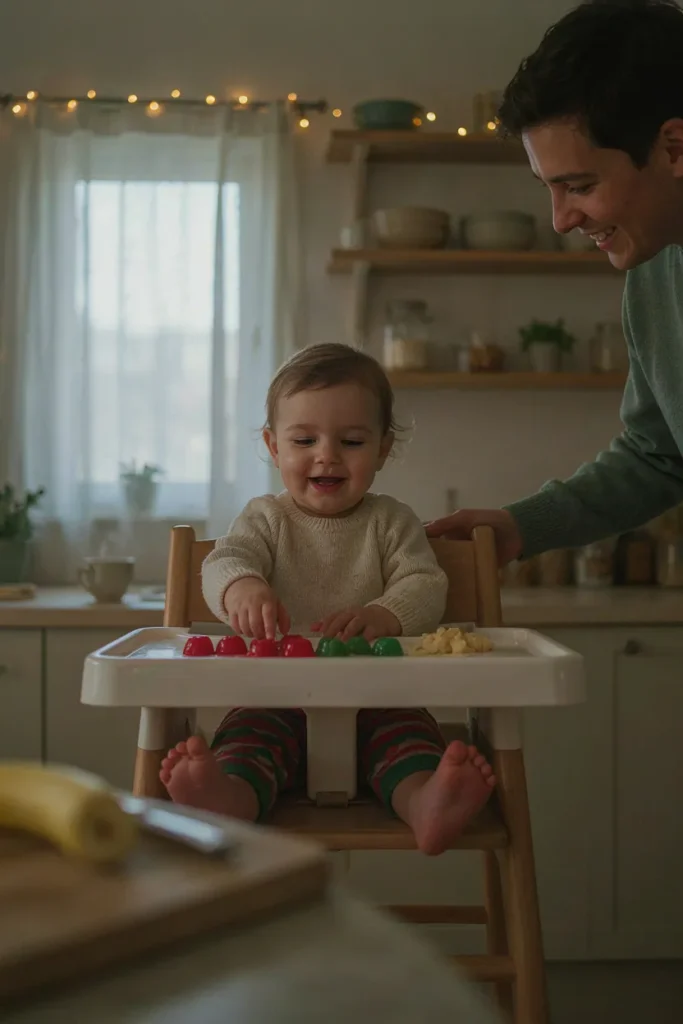
Toddlers are natural scientists: they poke, pour, squish and taste everything. These seven Christmas experiments are built for exactly that. Everything is made from food, so it’s safe if (when!) it ends up in a mouth, with plenty of fizzing, melting and color to explore.
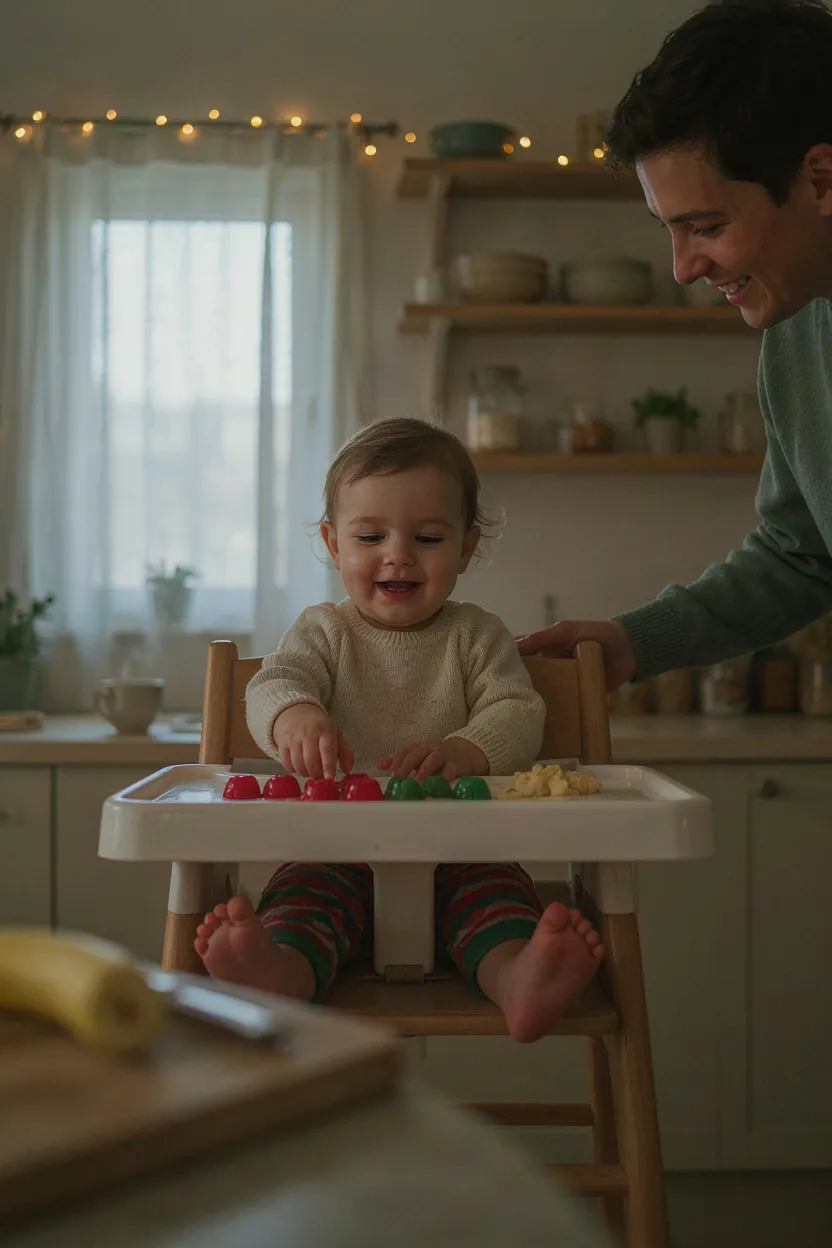
Red and Green Yogurt Swirl Pots
Ingredients
Equipment
Method
- Blend the strawberries into a smooth puree.
- Blend the banana and spinach into a green puree.
- Spoon yogurt into small bowls and let toddlers swirl in the colors with a spoon.
Notes
What Toddlers Will Discover
At this age, science means noticing: cold and warm, sinking and floating, mixing and melting. You’re building words (“melt”, “fizz”, “float”) and curiosity, not teaching chemistry.
Ages, Time and Mess Level
- Best for: roughly 18 months to 4 years, always with a grown-up
- Time: 5 to 15 minutes each, which is toddler attention-span sized
- Mess level: medium; use a high chair tray or a towel on the floor
- Grown-up job: everything: stay right beside them
7 Taste-Safe Christmas Experiments
1. Frozen fruit “presents”
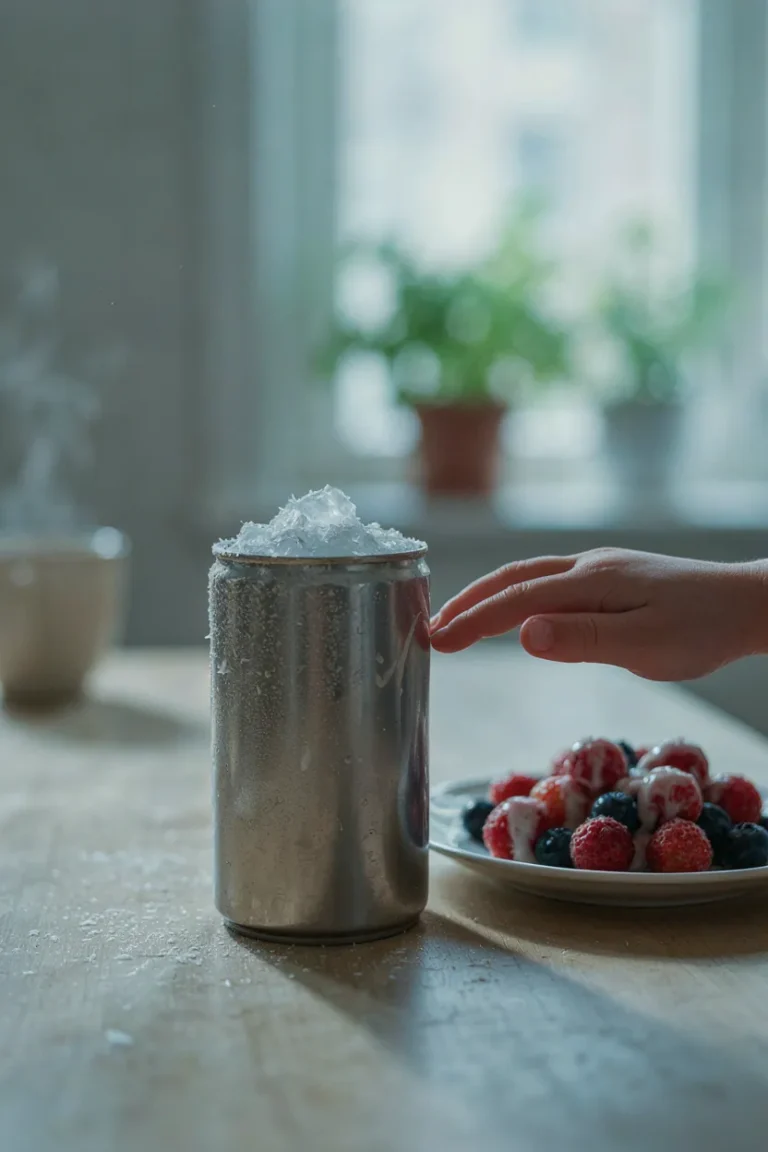
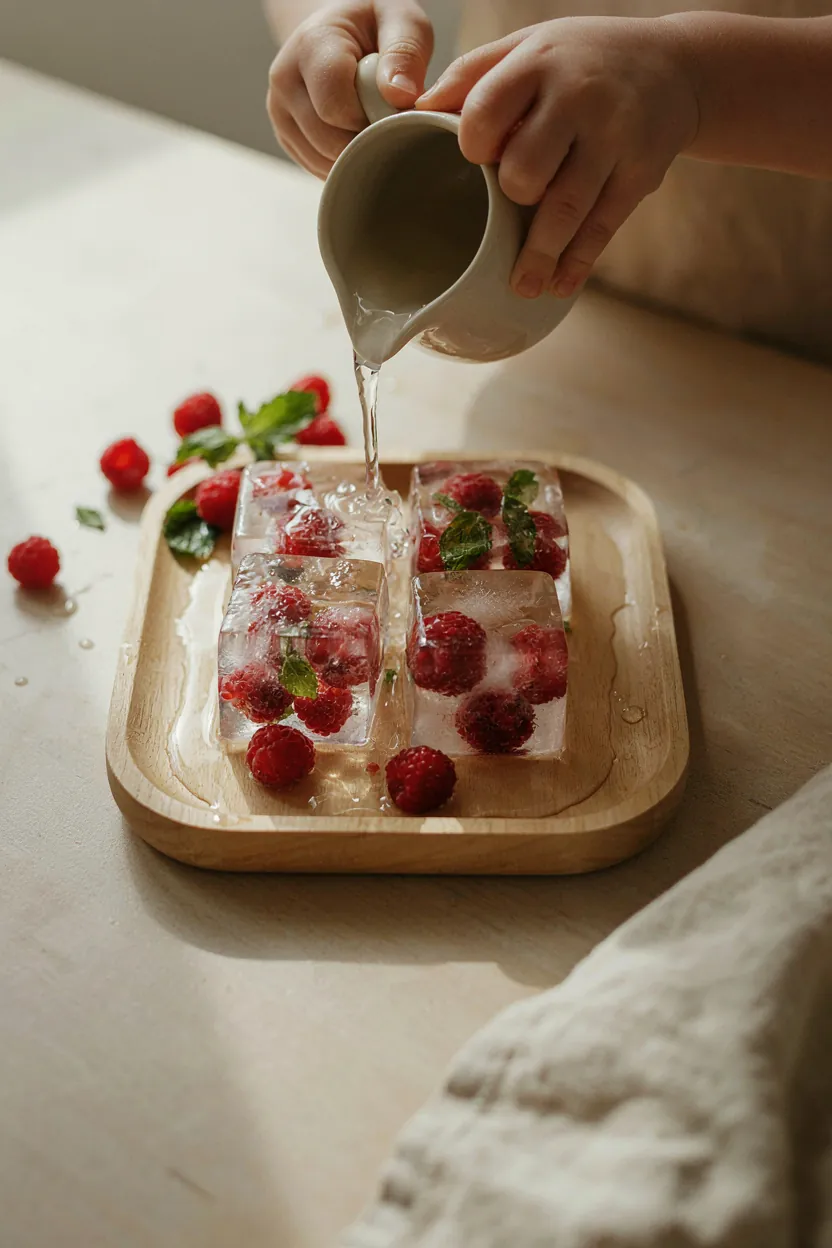
Freeze raspberries and mint leaves in ice cube trays or a small tub. Give toddlers a jug of warm water and a spoon to melt the ice and rescue the fruit. Words to use: cold, melt, drip.
2. Red and green swirl
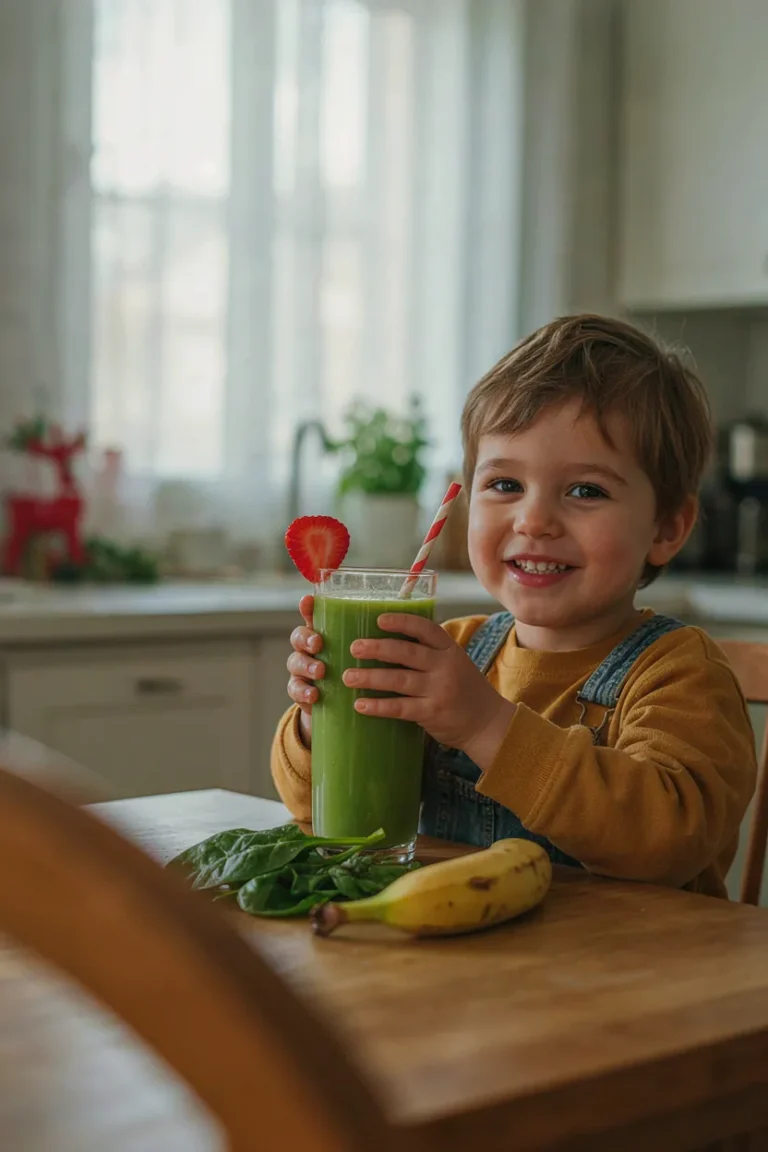
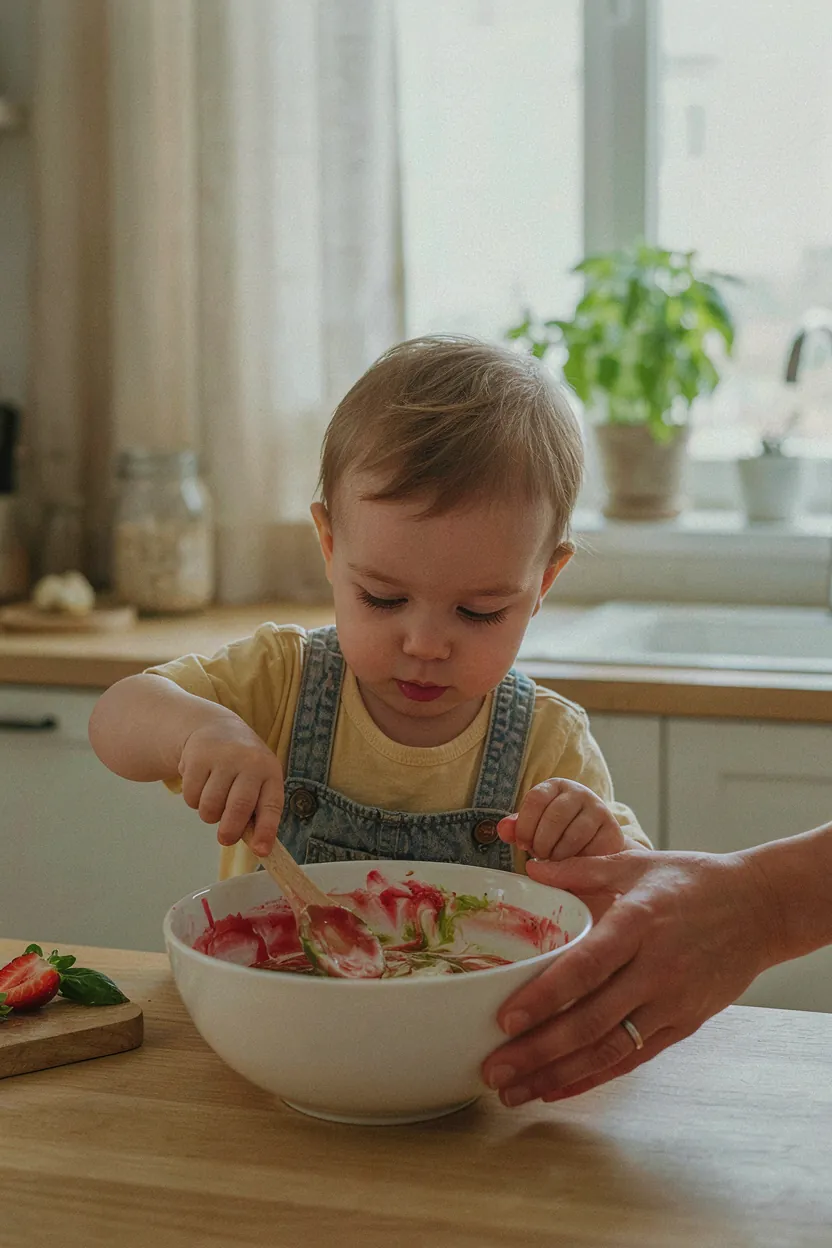
Stir strawberry and spinach purees into plain yogurt (see the recipe card above). Watch the colors swirl and change.
3. Float or sink?
A bowl of water plus a cranberry, a grape half, a banana slice and an apple slice. Guess, drop, watch. Cranberries and apple float; grape halves usually sink.
4. Gentle fizz
A spoonful of baking soda in a shallow dish, then let them squeeze a lemon wedge over it. Small amounts only, and supervise closely; the fizz is the fun, not the taste.
5. Smell jars
Small covered cups with cinnamon, orange peel, ginger and mint. Sniff and name them: “Which smells like Christmas?”
6. Melting race
One chocolate chip on a warm plate, one on a cold plate. Which melts first? (Supervise; let it cool before tasting.)
7. Squishy snowballs
Mashed banana rolled in a little shredded coconut makes soft, squishy “snowballs” to squeeze, roll and eat.
Why It Matters
Sensory play helps toddlers build vocabulary, fine-motor skills and early science thinking: noticing, comparing and predicting. University of Nevada Cooperative Extension’s guide to cooking with young children highlights how food activities support language, math and motor development.
Make It a STEAM Day
- Math: count cranberries into a cup.
- Art: finger-paint with the red and green yogurt on a tray.
- Older siblings: they can run our Dancing Cranberries or Snow Ice Cream, Explained alongside.
Safety Notes
- Choking hazards for children under 4 include whole grapes, whole cranberries, nuts, popcorn, hard candy and marshmallows. Cut fruit small and supervise every activity.
- Stay within arm’s reach whenever water is involved.
- Check for allergies before introducing new foods.
- Keep baking soda amounts tiny and away from mouths; it’s for watching, not eating.
FAQ
What is taste-safe sensory play?
Play using edible ingredients, so it doesn’t matter if a toddler puts it in their mouth.
What age can toddlers do science experiments?
From about 18 months, simple sensory activities like melting, pouring and floating are a great start, with close supervision.
How do I keep sensory play less messy?
Use a high chair tray or a baking tray, put a towel on the floor, and keep portions small.
Which foods are choking hazards for toddlers?
Whole grapes, whole berries such as cranberries, nuts, popcorn, hard candy and marshmallows. Cut food small.
How long should toddler activities last?
Five to fifteen minutes is plenty. Stop while it’s still fun.
In Conclusion
Toddler science is about wonder, not results. Melt, swirl, float and sniff your way through Christmas, and let them eat the experiment at the end.