Hot Cocoa Science: Why Marshmallows Float and Cocoa Clumps (and How to Fix It)
October 28, 2026 · 4 min read

Hot cocoa is already the best part of a cold day. Add a few quick experiments and it becomes a science lesson too. Why do marshmallows float? Why do they melt into foam? And why does cocoa powder sit in sulky clumps on top of cold milk?
These three mini-experiments take about 15 minutes, use what’s already in your cupboard, and end with everyone holding a mug.

Real Cocoa Hot Chocolate (No Clumps)
Ingredients
Equipment
Method
- Whisk the cocoa, sweetener and 3 tablespoons of the milk in a small saucepan until it forms a smooth, glossy paste.
- Whisk in the rest of the milk and warm over medium heat until steaming, without boiling.
- Stir in the vanilla and salt, pour into mugs, cool to a safe sipping temperature and top with marshmallows.
Notes
What Kids Will Discover
Kids find out that a marshmallow is about half air, which is why it floats, and that heat melts the sticky stuff holding that air in. They also learn why cocoa powder clumps and how one small trick fixes it.
Ages, Time and Mess Level
- Best for: ages 4 to 10
- Time: 15 minutes
- Mess level: low
- Grown-up job: heating the milk
Experiment 1: The Float Test
- Drop a marshmallow into a glass of cold water and one into a cup of warm milk.
- Predict first: will they sink or float?
- Watch: both float. Push one down with a spoon and let go. Up it pops!
Experiment 2: The Melt Race
- Put one mini marshmallow in cold milk, one in warm milk and one in hot cocoa (a grown-up pours).
- Time how long each takes to go soft, then foamy.
- Older kids can record the times and draw what each one looks like after 2 minutes.
Experiment 3: The Clump Challenge
- Sprinkle a spoonful of cocoa powder onto a mug of cold milk and stir. Notice the floating clumps.
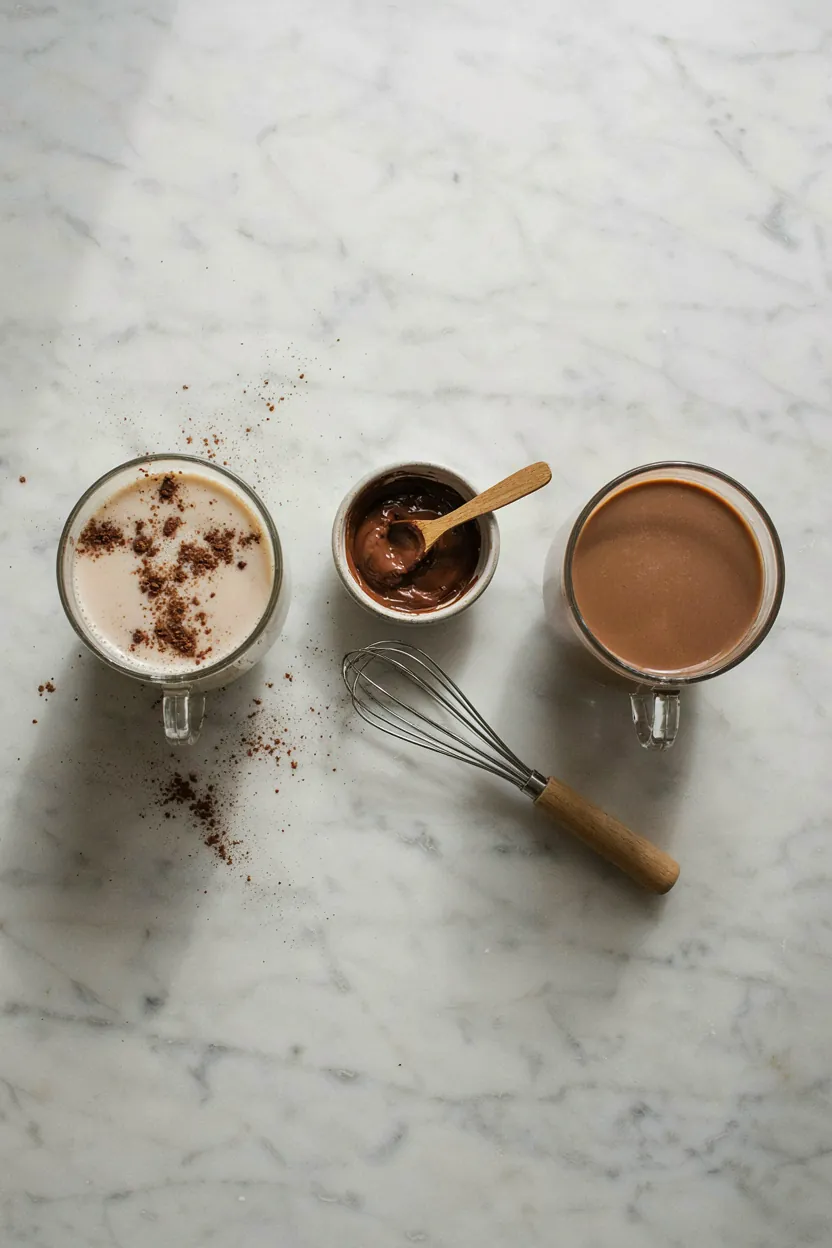
- In a second mug, mix the same cocoa with a splash of milk into a smooth paste first, then add the rest.
- Compare. Which is smoother?
The Science, in Kid Words
Marshmallows are made by whipping air into a hot sugar syrup with gelatin. The gelatin sets and traps the air bubbles inside, so a marshmallow is about half air. Air is lighter than milk, so marshmallows float. When they get warm, the gelatin melts, the bubbles escape and the marshmallow slumps into a sweet foam.
Cocoa powder has fat in it, and fat and water don’t like to mix. Dry cocoa forms clumps with a dry middle that the milk can’t get into. Making a paste with a small splash of liquid wets every bit of powder first, so it spreads out evenly when you add the rest.
For grown-ups
The American Chemical Society’s ChemMatters explains what’s in marshmallows: a foam of sugar syrup and air stabilized by gelatin, which melts with heat. Technically, cocoa powder doesn’t dissolve: its fine particles disperse and stay suspended, which is why a stir now and then helps.

Change One Thing
- Big vs mini marshmallows: which melts faster? (Mini ones, because they have more surface for their size.)
- Stirred vs still: does stirring speed up the melt?
- Peppermint: add a candy cane, then try our The Disappearing Candy Cane Experiment.
Make It a STEAM Day
- Math: chart the melt times.
- Engineering: set up a full hot cocoa bar with a marshmallow melt race.
- Shortcut: keep a jar of our homemade hot chocolate mix ready.
Safety Notes
- Grown-ups pour hot liquids; cool cocoa before small children drink it.
- Marshmallows are a choking risk for children under 4. Cut them small or skip them.
- Check marshmallow labels if you avoid gelatin or certain allergens.
FAQ
Why do marshmallows float?
They’re about half air, trapped in a sugar and gelatin foam, which makes them lighter than milk or water.
Why do marshmallows melt in hot chocolate?
The gelatin that holds the foam together melts when it gets warm, so the air escapes and the marshmallow turns into foam.
How do I stop hot chocolate from being lumpy?
Whisk the cocoa with a little milk and the sweetener into a smooth paste first, then add the rest of the milk.
Does cocoa powder dissolve?
Not exactly. Its tiny particles spread out and float in the milk, which is why it can settle if it sits.
What age is this for?
Preschoolers love the float test; older kids can time the melt race and record results.
In Conclusion
A mug of cocoa, a handful of marshmallows and fifteen minutes is all it takes to turn a cold afternoon into a science session. Float, melt, mix, then sip the evidence.