Homemade Butter in a Jar: Shake-It Science for Thanksgiving Rolls
October 23, 2026 · 4 min read
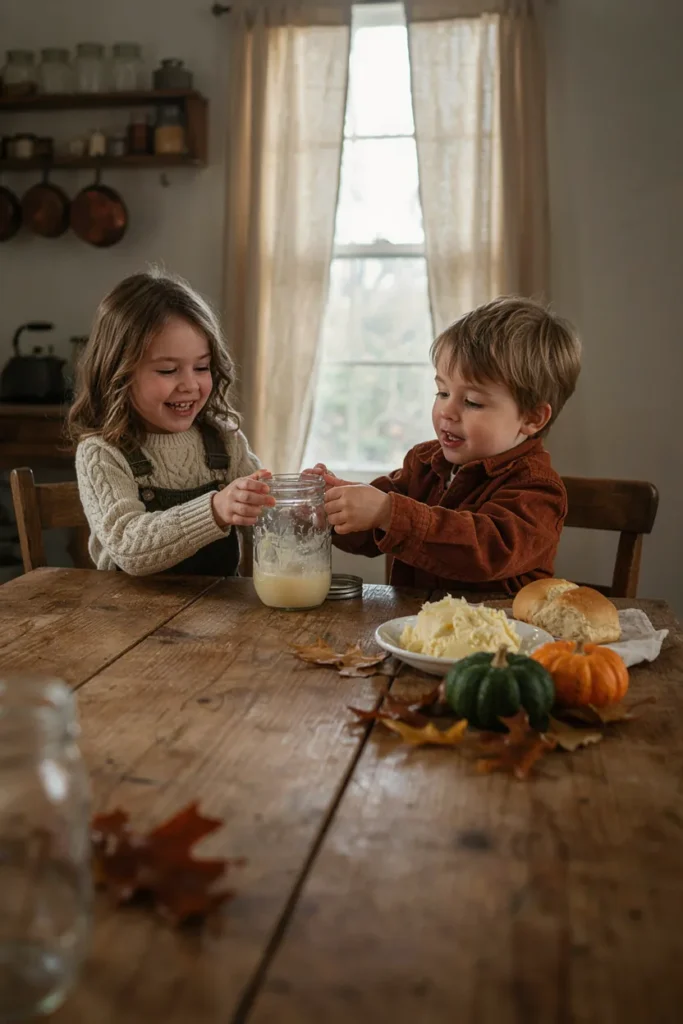
Every Thanksgiving table has butter on it. This year, let the kids make it. Pour cream into a jar, shake, and in about ten minutes it turns into whipped cream, then into real butter. It’s tiring, it’s loud and it’s genuinely surprising, which makes it perfect for the hour before dinner.
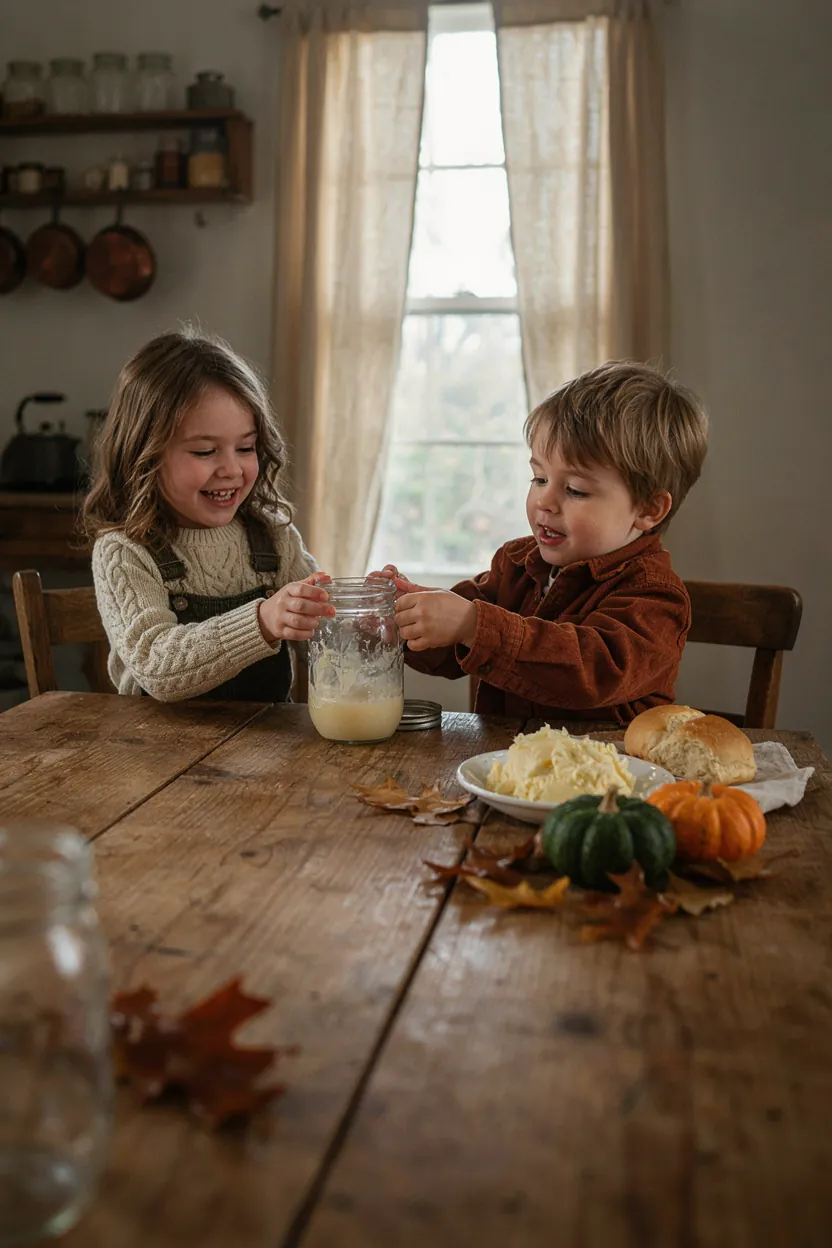
Shake-It Homemade Butter
Ingredients
Equipment
Method
- Pour the cream into a jar, filling it no more than half full. Screw the lid on tightly.
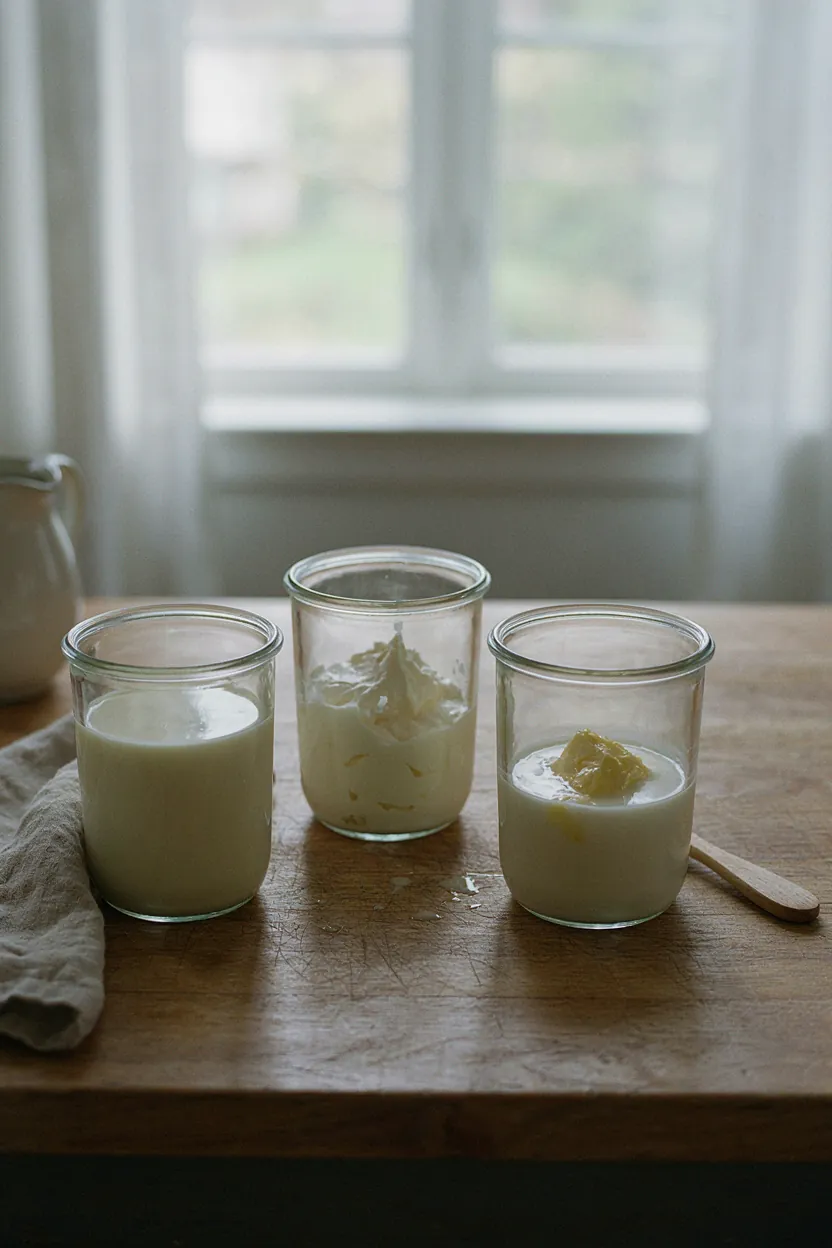
- Take turns shaking hard. After 3 to 5 minutes it turns into thick whipped cream and goes quiet.
- Keep shaking. After a few more minutes you'll hear sloshing again: a lump of butter has separated from thin buttermilk.
- Pour off the buttermilk (save it). Rinse the butter in a bowl of very cold water, pressing with a spoon, until the water runs clear.
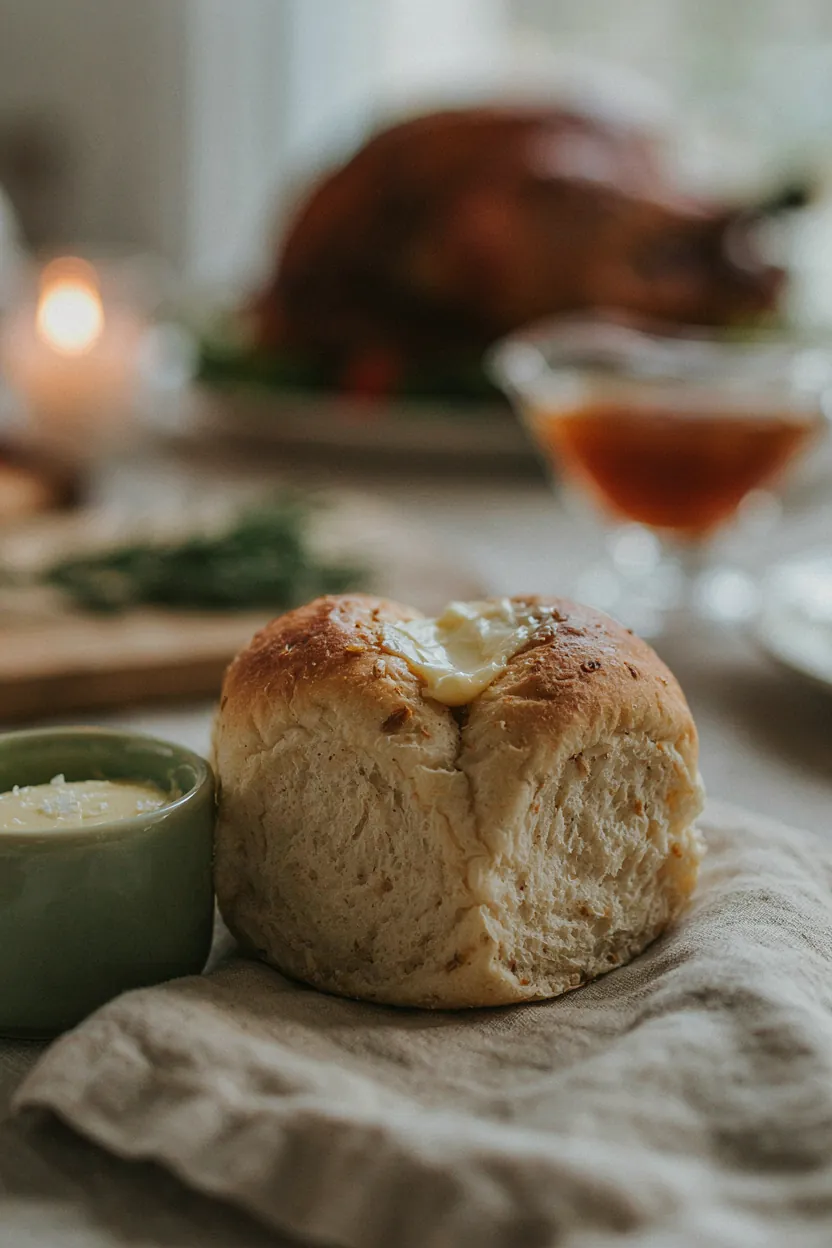
- Press out the water, stir in a pinch of salt if you like, and spread on warm rolls.
Notes
What Kids Will Discover
Kids learn that cream is full of tiny drops of fat floating in water, and that shaking can knock them together until they clump into butter. They watch one liquid change into two different things.
Ages, Time and Mess Level
- Best for: ages 3 and up; it’s all shaking
- Time: 15 minutes
- Mess level: low (if the lid is tight!)
- Grown-up job: checking the lid and rinsing the butter
The Experiment: Watch the Stages
- Predict: what will happen to the cream if you shake it for a long time?
- Shake and listen. Liquid cream sloshes.
- Stage 1, whipped cream: it goes thick and quiet. Peek!
- Stage 2, butter: the sloshing comes back, and you’ll see a yellow lump in thin, watery buttermilk.
- Time each stage and draw what you see.
The Science, in Kid Words
Cream is mostly water, with millions of tiny balls of fat floating in it. Each ball has a thin skin around it. When you shake the jar, the balls crash into each other so hard that their skins break. First the broken bits trap air bubbles, which is whipped cream. Keep shaking, and the bubbles pop and the fat sticks together in one big clump. That clump is butter, and the watery liquid left behind is buttermilk.
For grown-ups
The Royal Institution’s making butter info sheet describes the same process: agitation ruptures the membranes around milk fat globules, the fat first stabilizes air as whipped cream, then coalesces into butter grains that separate from the buttermilk.
Change One Thing
- Temperature: fridge-cold cream vs cream that’s been out 30 minutes. Which turns to butter faster?
- Marble or no marble: does a marble in the jar speed it up?
- Flavor: stir honey and cinnamon into half the butter for a Thanksgiving spread.
Make It a STEAM Day
- Math: measure the cream before and the butter and buttermilk after. Does it add up?
- Science: pair it with Why Do Cranberries Bounce?.
- More: see all our Thanksgiving Science Experiments You Can Eat.
Safety Notes
- Check the lid is tight before kids start shaking.
- Use glass jars on a soft surface, or a plastic jar for little ones.
- Contains dairy.
FAQ
How long does it take to make butter in a jar?
Usually 8 to 15 minutes of shaking, depending on the cream’s temperature.
Why does cream turn into butter?
Shaking breaks the skins around the fat droplets so they stick together into a lump of butter.
What is the liquid left over?
Buttermilk: the watery part of the cream. It’s great in pancakes.
Can I use milk instead of cream?
No. Milk doesn’t have enough fat; you need heavy or whipping cream.
How long does homemade butter keep?
Rinsed well and kept in the fridge, about a week.
In Conclusion
Ten minutes of shaking turns a jar of cream into real butter, and a few tired arms into proud cooks. Put it on the Thanksgiving table and let the kids tell everyone how they made it.
Printable Recipe Card
Want just the essential recipe details without scrolling through the article? Get our printable recipe card with just the ingredients and instructions.