Thai Kai Jiew — Crispy Fried Egg with Fish Sauce Over Rice, the Thai Street Food Dinner That’S Ready Before You Set the Table
September 17, 2026 · 6 min read
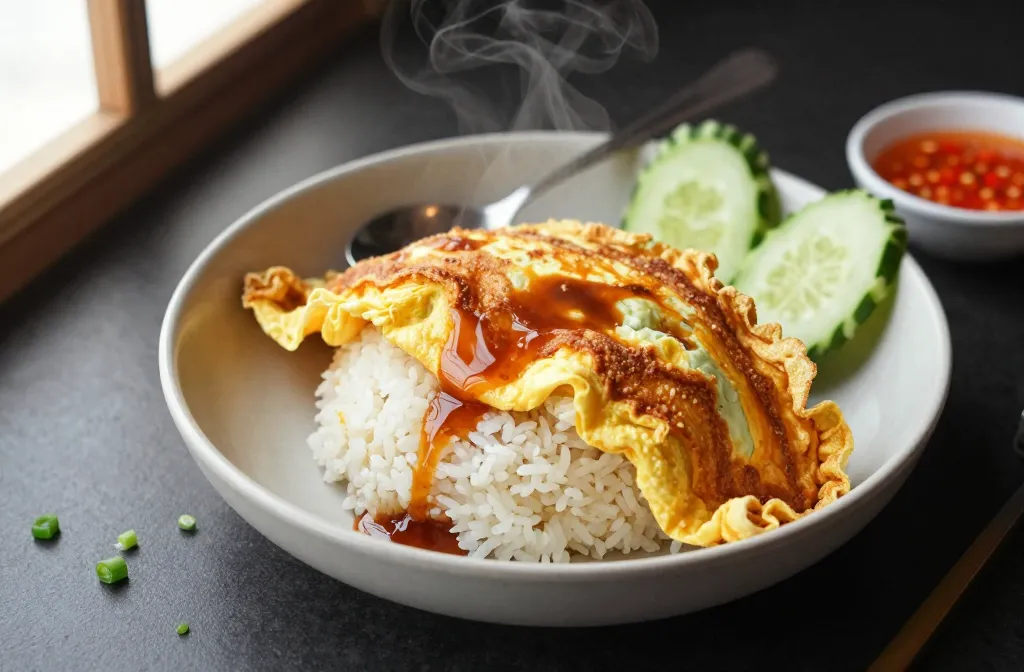
Some dinners ask for a plan. Thai kai jiew just asks for a hot pan and a couple eggs. You crack, you sizzle, you spoon it over rice, and boom—dinner beats you to the table. It’s crispy, salty, fluffy, and ridiculously satisfying. Honestly, it’s the laziest way to feel like a genius cook.
What Exactly Is Kai Jiew?
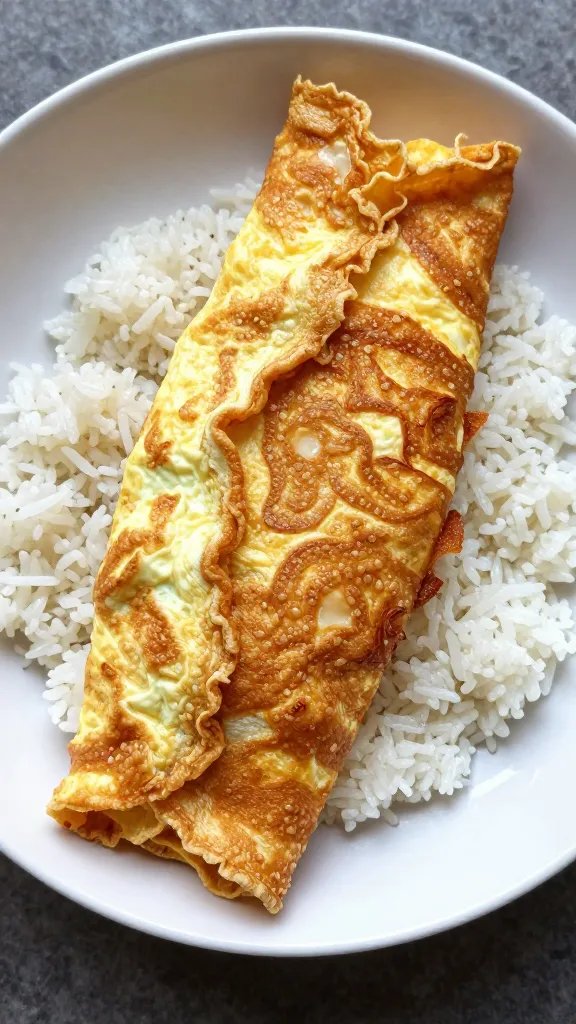
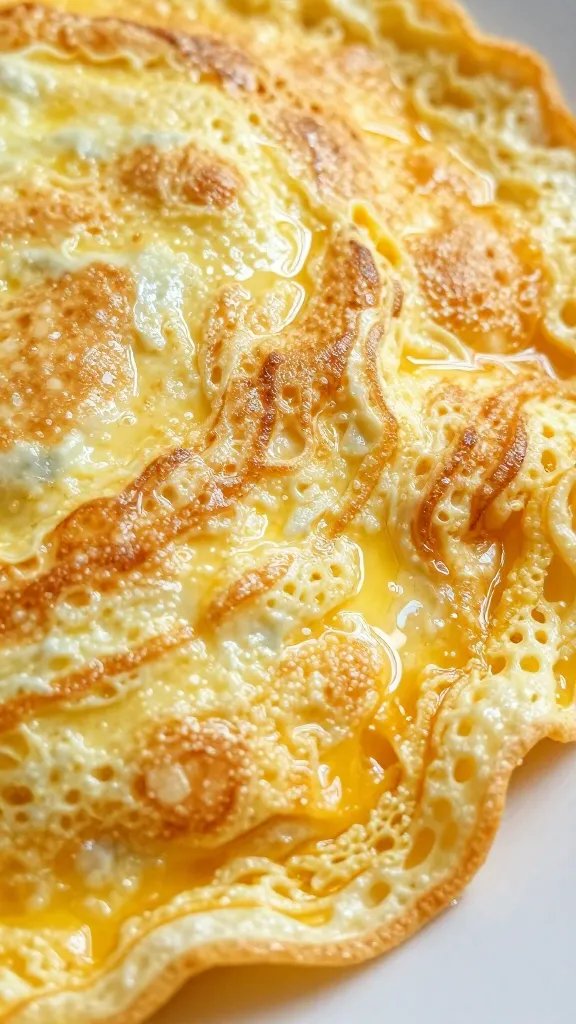
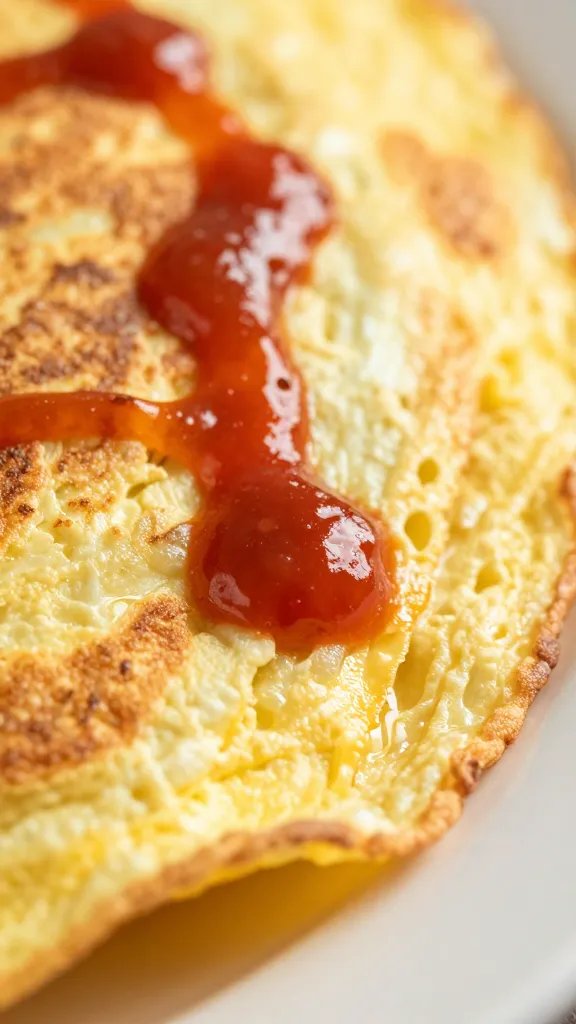
Kai jiew is Thailand’s take on an omelet, but forget the French rules. You don’t fold gently or whisper sweet nothings to your eggs. You fry that thing in plenty of hot oil until the edges turn frilly and crunchy, and the center stays soft and custardy. Then you drizzle fish sauce over rice and call it a day.
It’s comfort food. It’s hangover food. It’s “I only have five minutes and I’m starving” food. Add a side of sliced cucumbers and some chili sauce if you want to feel fancy.
Why It Slaps: Texture and Flavor in Overdrive
This dish delivers maximal payoff with minimal effort. Here’s the magic:
- Shattering crisp edges: That hot oil makes paper-thin, lacy bits that crackle.
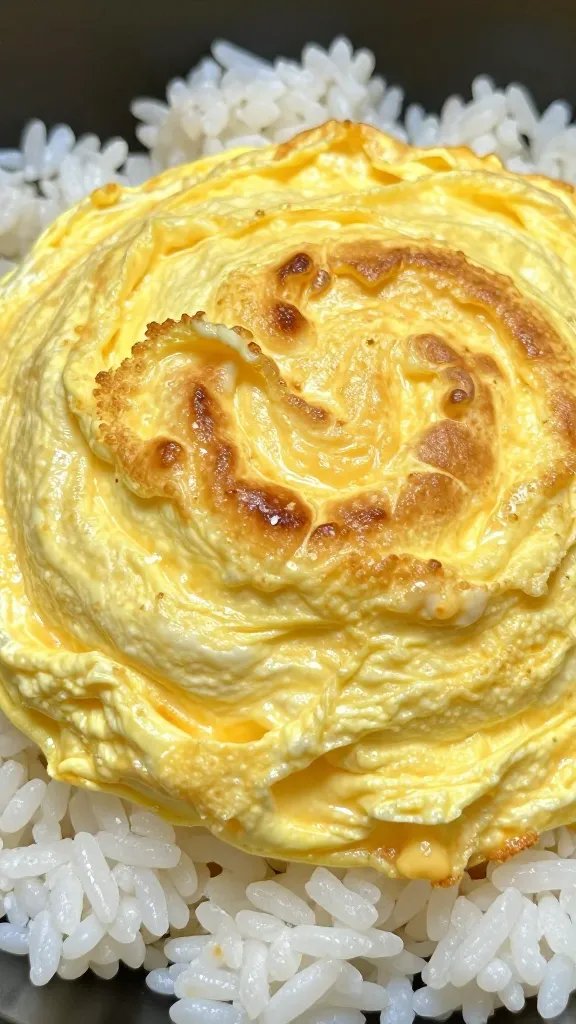
- Soft, steamy center: Whisked eggs puff up into a tender middle, almost soufflé-like.
- Umami bomb: Fish sauce + eggs = savory bliss you didn’t know you needed.
- Speed: Start to finish in 5 minutes, tops. Faster than finding your takeout app.
The Fish Sauce Factor
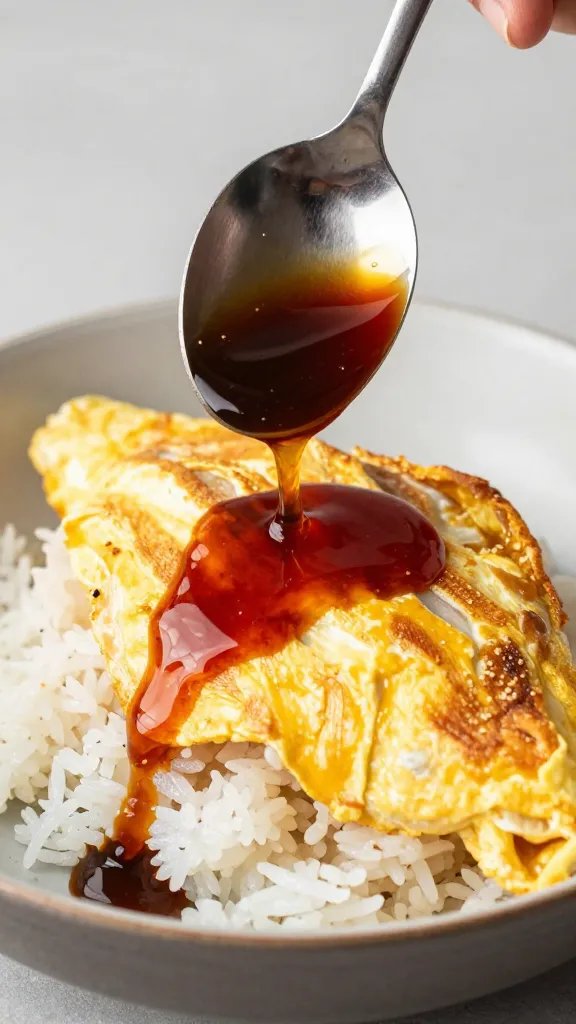
Fish sauce adds salt, umami, and a little funk—in the best way. Think soy sauce, but deeper. A quick splash over the finished omelet wakes everything up, and it soaks into the rice like a dream. If fish sauce scares you, FYI: a little goes a long way, and it mellows with the warm rice.
What You Need (Spoiler: Not Much)
You can make kai jiew with stuff you probably already have. No special gear. No trip across town. Just:
- Eggs (2 per person is perfect)
- Fish sauce (about 1 teaspoon per 2 eggs, plus extra for drizzling)
- Neutral oil (enough to coat the pan generously—about 1/4 cup for an 8–10 inch pan)
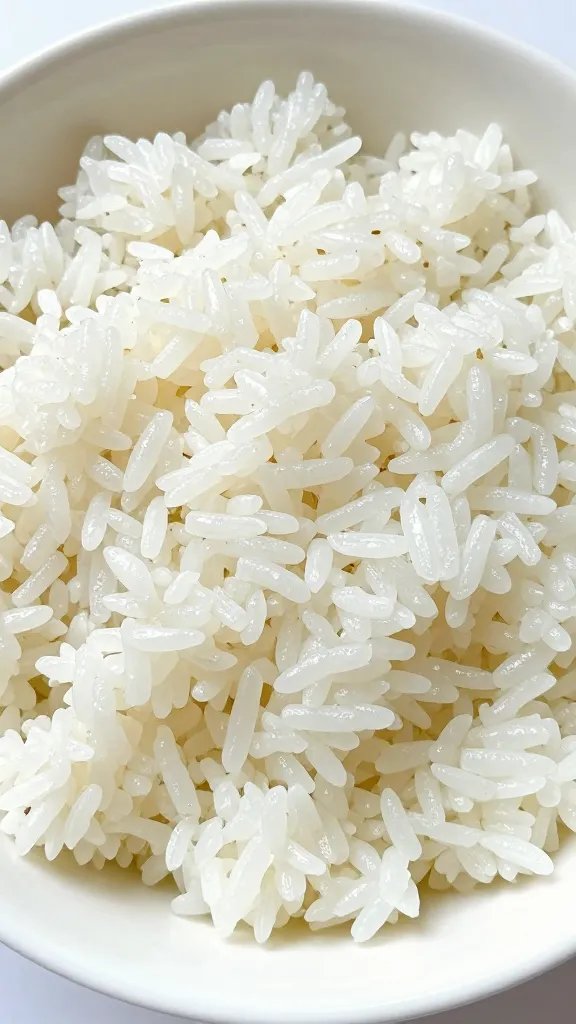
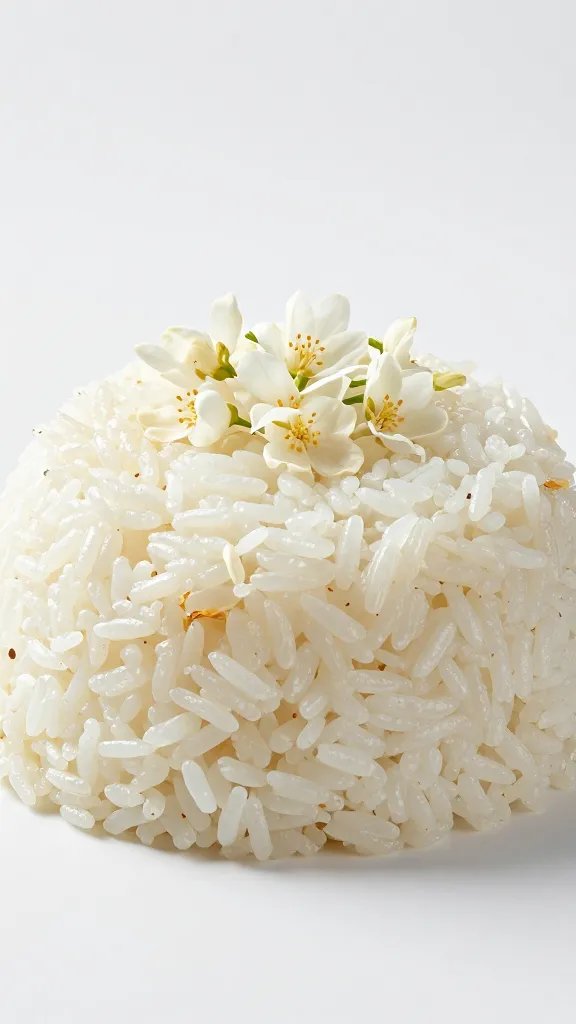
- Cooked jasmine rice (fresh or leftover; warm it up)
- Optional add-ins: pinch of sugar, white pepper, sliced scallions, minced chilies
Pan and Oil 101
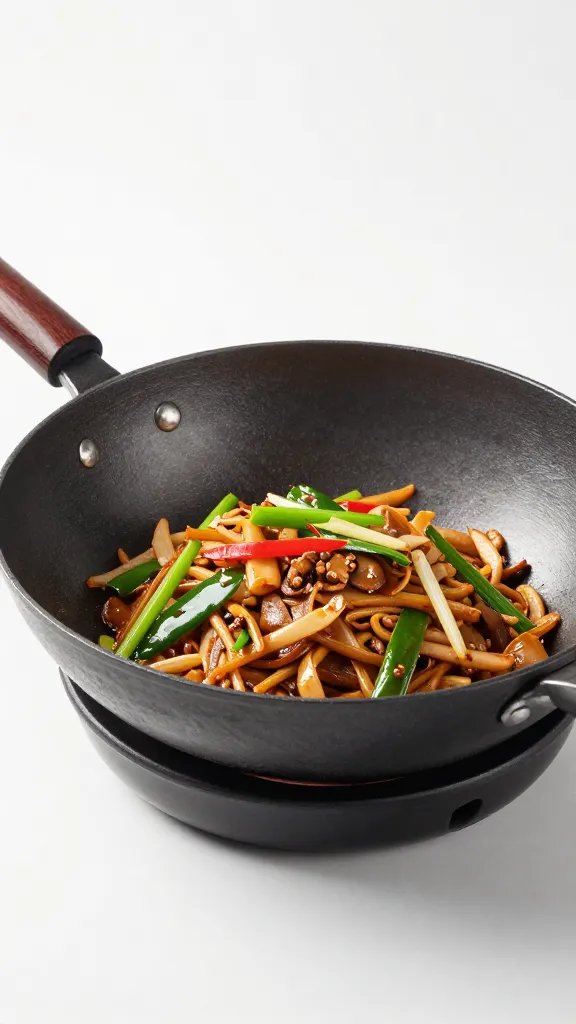
Use a smaller pan for a fluffier omelet, a larger one for extra lacy edges. Nonstick makes life easy, carbon steel or wok makes it epic. The oil should be hot enough to shimmer. Drop in a tiny bit of egg to test—if it sizzles instantly, you’re in the zone.
How to Make Thai Kai Jiew, Step by Step
You’ll laugh at how simple this is. But technique still matters (just a little).
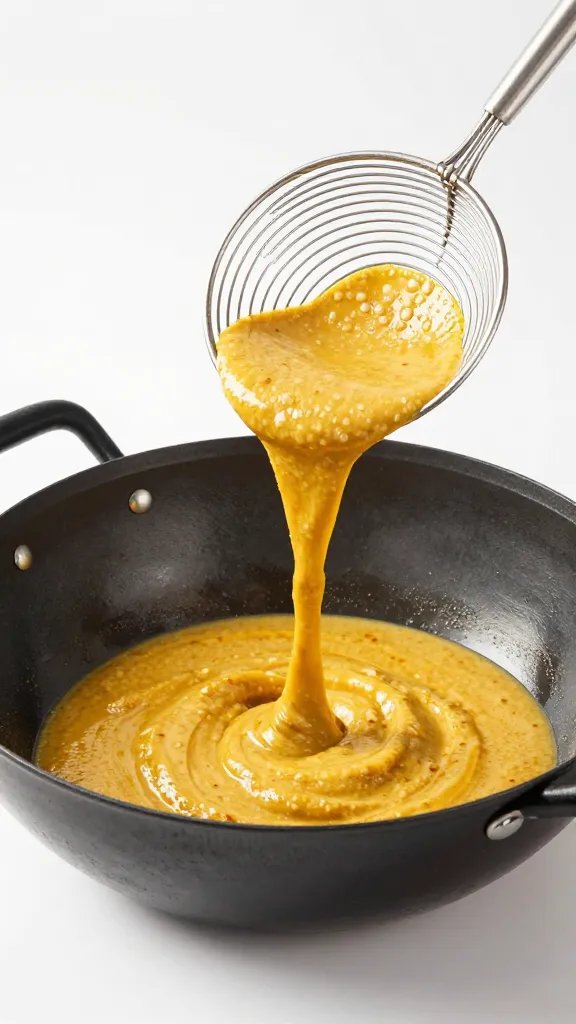
- Whisk the eggs: Beat 2 eggs with 1 teaspoon fish sauce until foamy. Add a pinch of sugar and white pepper if you like. Whisk with enthusiasm to trap air—this helps the fluff.
- Heat the oil: Add 3–4 tablespoons oil to your pan over medium-high heat. Wait for a shimmering surface.
- Pour and puff: Pour the eggs from a bit of height (2–3 inches). The splash creates those frilly edges.
- Splash and push: As it puffs, spoon some hot oil over the top to set the surface. Nudge the edges to let raw egg flow underneath.
- Flip or not: Once the bottom turns golden and crisp (about 60–90 seconds), you can flip for 10–20 seconds to finish, or leave it sunny-side if you like a softer top.
- Serve immediately: Slide over hot rice. Drizzle with more fish sauce. Add chilies or sriracha if you want heat.
How Do You Know It’s Done?
You want deeply golden edges and a tender middle. If the center still jiggles like a waterbed, give it 10 more seconds. If it’s uniformly brown and stiff, you overshot—still tasty, but you’ll miss the custardy middle.
Variations: Make It Yours Without Overthinking
Kai jiew loves a glow-up. Keep it simple or go wild—your call.
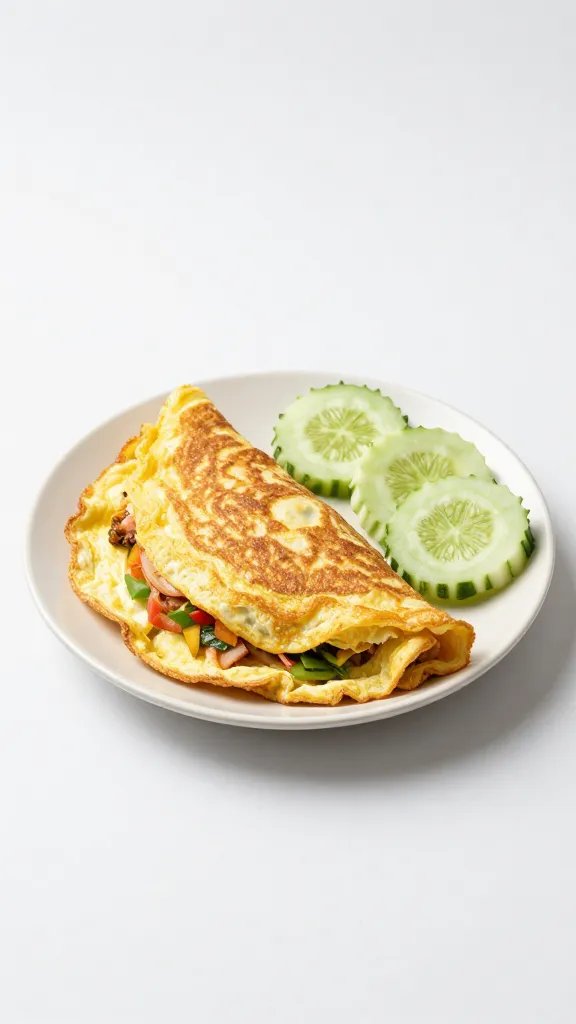
- Kai Jiew Moo Sab (minced pork): Stir 2–3 tablespoons of seasoned minced pork into the egg. It fries up juicy and savory. IMO, this version makes it a full-on meal.
- Scallion + chili: Add sliced scallions and Thai bird’s eye chilies (or jalapeño). Bright, spicy, perfect.
- Garlic + pepper: A little minced garlic in the egg and a sprinkle of white pepper hits like a classic Thai street stall.
- Herb twist: Cilantro stems or Thai basil add fragrance without drama.
- No fish sauce? Use light soy sauce, tamari, or a dash of Maggi. Different vibe, still great.
Rice Pairings That Make It Sing
– Jasmine rice: The default. Fragrant, fluffy, unbeatable.
– Day-old rice: Totally fine—reheat with a splash of water and a cover.
– Garlic rice: Quick fry leftover rice with a little oil and garlic. You just leveled up.
Common Mistakes (And How to Avoid Them)
Let’s save your eggs from a tragic end:
- Not enough oil: You need a shallow fry to get crispy edges. Don’t skimp.
- Pan too cool: Lukewarm oil equals greasy omelet. Wait for the shimmer.
- Overmixing add-ins: Heavy fillings weigh it down. Keep extras small and light.
- Walking away: This cooks fast. Blink and you’ll overshoot.
- Salt instead of fish sauce: You can do it, but you’ll miss the depth. Add a splash of soy at least.
Serving Moves That Feel Like Street Food
You can eat kai jiew straight, or dress it up with low-effort sides:
- Cucumber wedges for cool crunch
- Prik nam pla: Simple chili-fish-sauce dip (fish sauce + sliced chilies + a squeeze of lime)
- Pickled chilies for a tangy kick
- Sriracha or chili crisp if you need fire now
FYI, a bowl of broth or clear soup alongside turns this into a full Thai-style meal. Ten out of ten would slurp again.
Nutrition and Cost: The Cheap Thrill
You get protein, carbs, and fat in perfect harmony. Two eggs over rice won’t break your wallet, and it keeps you full. If you want lighter, drain the omelet on paper towels and go easy on the oil. If you want richer, don’t. That’s the joy of home cooking, IMO.
FAQ
Can I make this without fish sauce?
Yes. Use light soy sauce, tamari, or even a tiny pinch of salt plus a splash of Maggi. You’ll miss some funk, but the crispy egg + rice combo still slaps.
Does it have to be super oily?
You need enough oil for a shallow fry to get those trademark lacy edges. After cooking, blot on paper towels to cut excess. If you use too little oil, the omelet turns dense and chewy.
What’s the best pan for kai jiew?
A small nonstick for ease, or a well-seasoned wok for drama and frills. Stainless can work if you preheat well and use enough oil, but it’s less forgiving. The pan should be hot before the eggs hit it.
How do I keep it fluffy?
Whisk the eggs hard to add air, use hot oil, and don’t overcrowd with add-ins. Spoon hot oil over the top to set it quickly, then get it out while the center stays tender.
Can I add vegetables or meat?
Totally. Keep pieces small and pre-cook watery veg like mushrooms or tomatoes so they don’t steam the omelet. Minced pork or shrimp works great—just don’t overload the eggs.
Is this breakfast or dinner?
Both. In Thailand, people eat kai jiew any time of day. It shines as a fast dinner over rice with a drizzle of fish sauce and some chilies on the side.
Conclusion
Kai jiew proves you don’t need a long recipe to eat incredibly well. You just need hot oil, a couple eggs, and a shameless drizzle of fish sauce over rice. It’s fast, crispy, and wildly satisfying—basically the dinner equivalent of a mic drop. Make it once, and it’ll become your go-to “I’m hungry now” move, IMO.