Eggs in Purgatory — Italian Eggs Poached in Spicy Peperonata, the Roman Dinner That Needs Only One Pan
September 21, 2026 · 6 min read
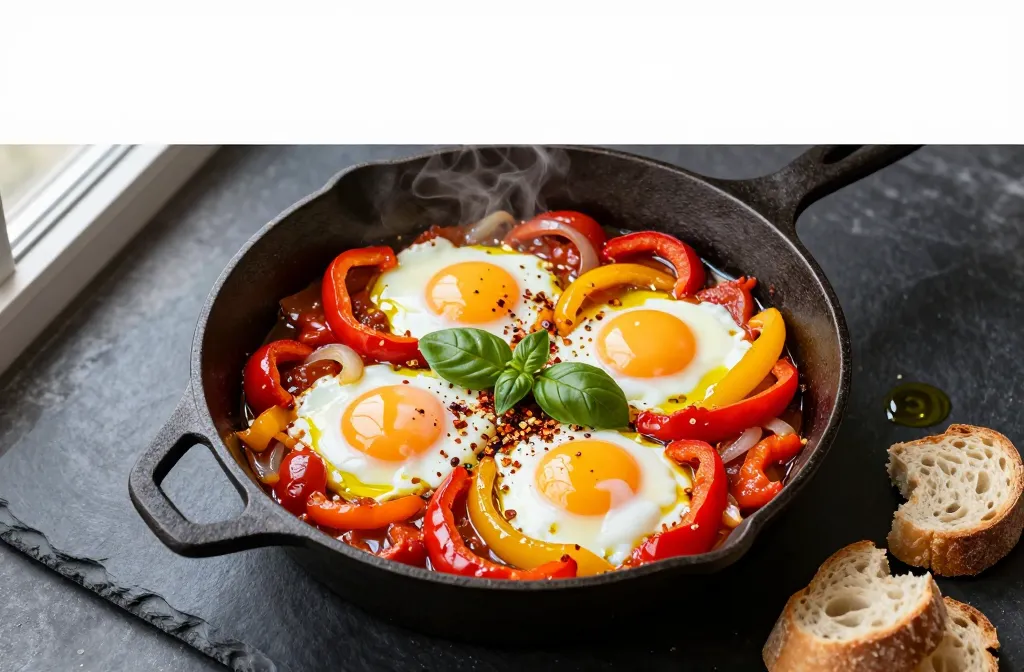
The name sounds dramatic, but the dish couldn’t be more comforting. Eggs in Purgatory is a Roman classic where silky eggs poach right in a spicy peperonata—aka stewed peppers, onions, tomatoes, and a whisper of heat. You get dinner in one pan, big flavor with minimal effort, and a built-in excuse to eat half a loaf of bread. Translation: weeknight hero, unlocked.
What Exactly Is “Eggs in Purgatory”?
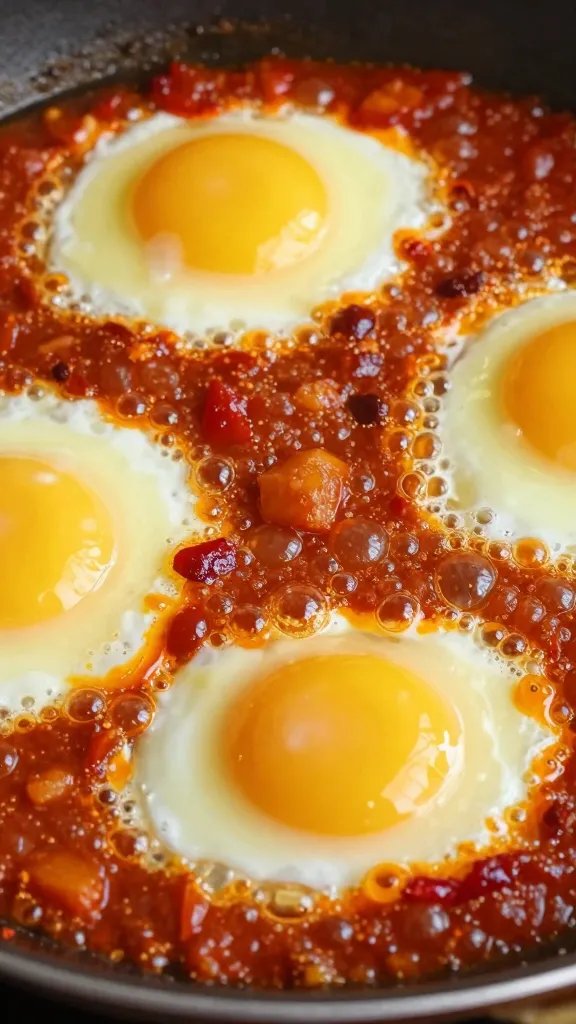
Eggs in Purgatory—Uova in Purgatorio—belongs to that glorious family of dishes where you simmer a rich tomato base and poach eggs right inside it. Think shakshuka’s Italian cousin with better olive oil and a Roman attitude.
The “purgatory” bit? People say the fiery sauce represents purgatory while the eggs shine like little souls. Cute story, great marketing. Either way, you get a dish that tastes both rustic and special.
Meet Peperonata: The Secret Weapon
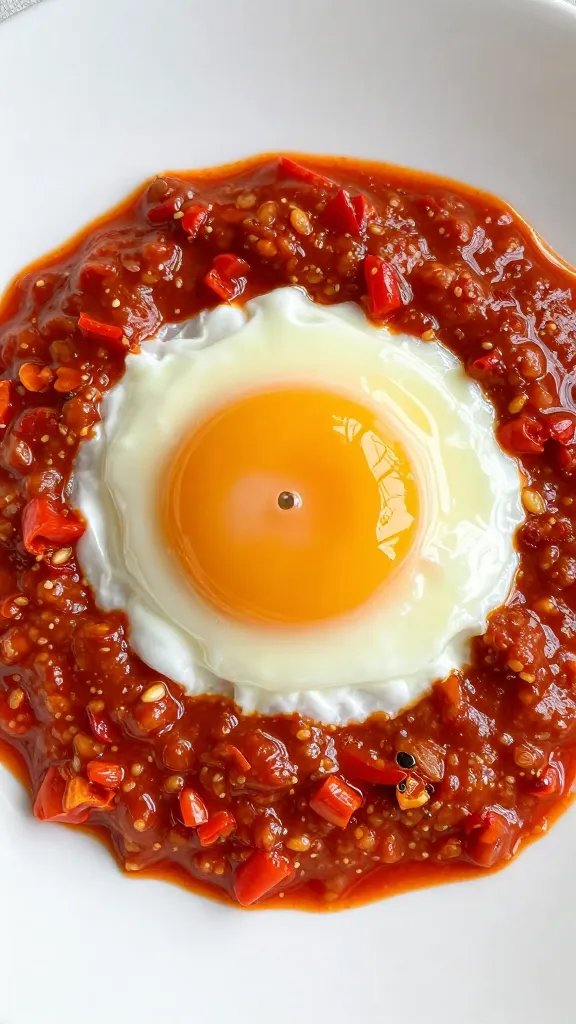
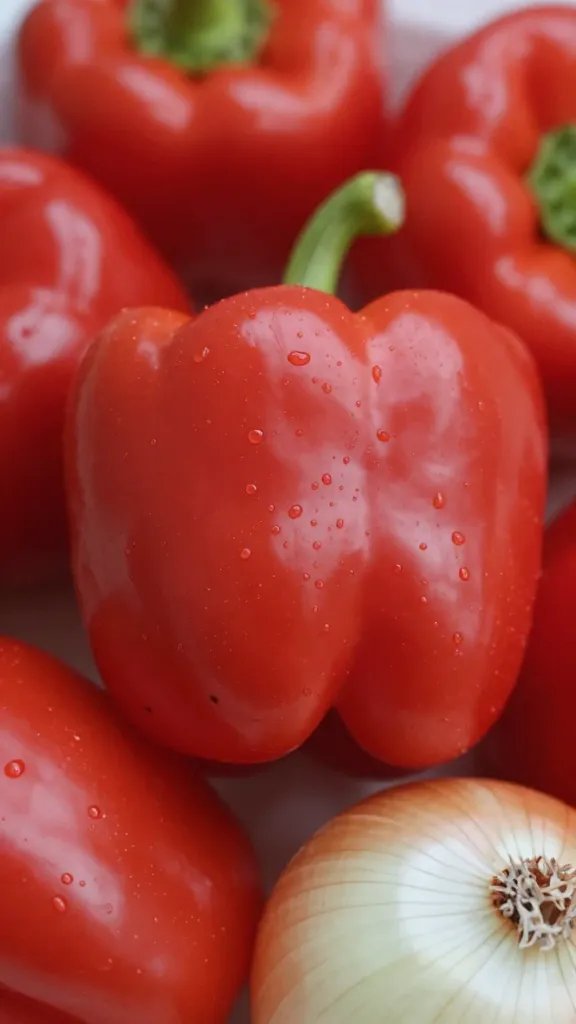
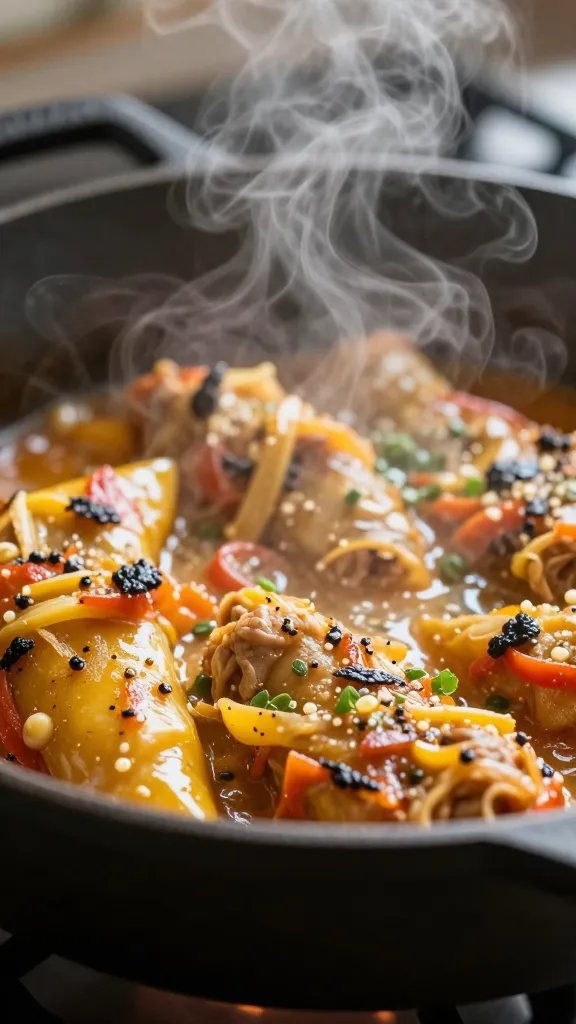
The backbone here is peperonata: sweet peppers and onions cooked down in olive oil until they slump into a jammy, saucy tangle. Add tomatoes, a little garlic, and chili, and you’ve got a base that tastes like sunshine and 5 p.m. Aperol hour.
Key peperonata vibes:
- Red, yellow, or orange peppers—go for sweetness.
- Onions, slowly softened until they go sweet and golden.
- Garlic, added late so it doesn’t scorch.
- Tomatoes—canned, fresh, or passata—to bring it together.
- Chili flakes or Calabrian chili for a gentle kick.
Why peperonata instead of plain tomato sauce?
Tomato alone gives acidity and sweetness, but peperonata brings depth and body. The peppers add natural sugars that caramelize, so you get a sauce that hugs the eggs and scoops beautifully onto bread. IMO, it’s a major glow-up.
Ingredients You Actually Need
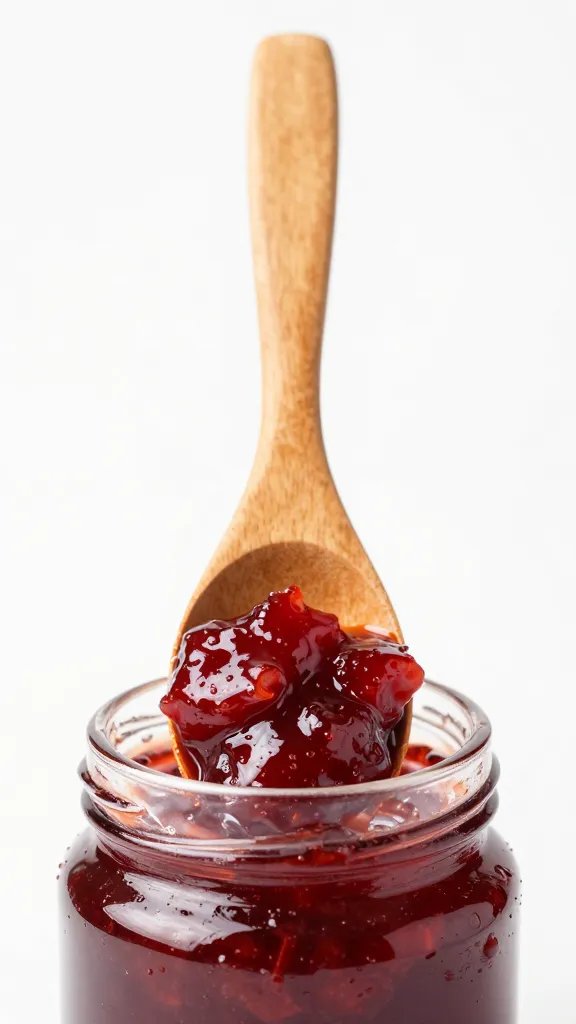
Nothing fancy. Just good basics.
For the peperonata:
- 3 bell peppers, sliced (mix of colors = pretty and sweet)
- 1 large onion, thinly sliced
- 3 tablespoons extra-virgin olive oil (don’t be shy)
- 3 cloves garlic, thinly sliced
- 1 cup crushed tomatoes or passata (canned works great)
- 1 teaspoon chili flakes, or to taste
- Salt and black pepper
- Optional: a splash of red wine vinegar or a pinch of sugar to balance
For the eggs and finish:
- 4–6 eggs (depending on appetites and pan size)
- Handful of fresh basil or parsley
- Grated Pecorino Romano or Parmigiano-Reggiano (optional but recommended)
- Good bread for dunking—this is non-negotiable
One-Pan Method, Zero Stress
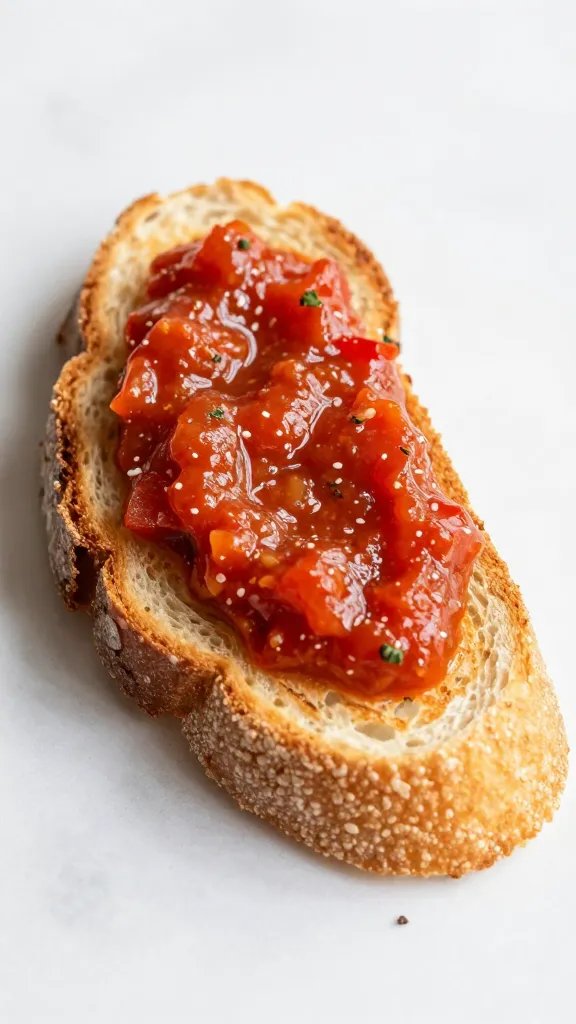
This cooks in one wide skillet with a lid. If you don’t have a lid, improvise with a baking sheet. We roll with what we’ve got.
- Soften the onions and peppers: Warm olive oil over medium heat. Add onions and peppers with a pinch of salt. Cook 12–15 minutes, stirring occasionally, until they collapse and get glossy. If they brown too fast, lower the heat. Patience = flavor.
- Build the sauce: Add garlic and chili flakes for 30 seconds. Stir in tomatoes. Simmer 8–10 minutes until thick and saucy. Taste and adjust salt. Add a splash of vinegar or a tiny pinch of sugar if it needs balance.
- Make the “nests”: Use a spoon to create little wells in the sauce. Crack eggs into each well. Season eggs with salt and pepper. Cover the pan.
- Poach to your preference: Cook 4–6 minutes for runny yolks, 7–9 for jammy, longer for firm. Peek occasionally; steam is doing the work here.
- Finish strong: Scatter basil or parsley. Shower with grated cheese if you like. Drizzle with a touch more olive oil because we’re living our best lives.
Texture tips for perfect eggs
– Want set whites and runny yolks? Keep heat medium-low and cover.
– If the sauce looks dry, add a splash of water before the eggs.
– Hate snotty whites? Spoon a bit of hot sauce over the whites while they cook—just avoid the yolks.
Flavor Tweaks and Handy Swaps
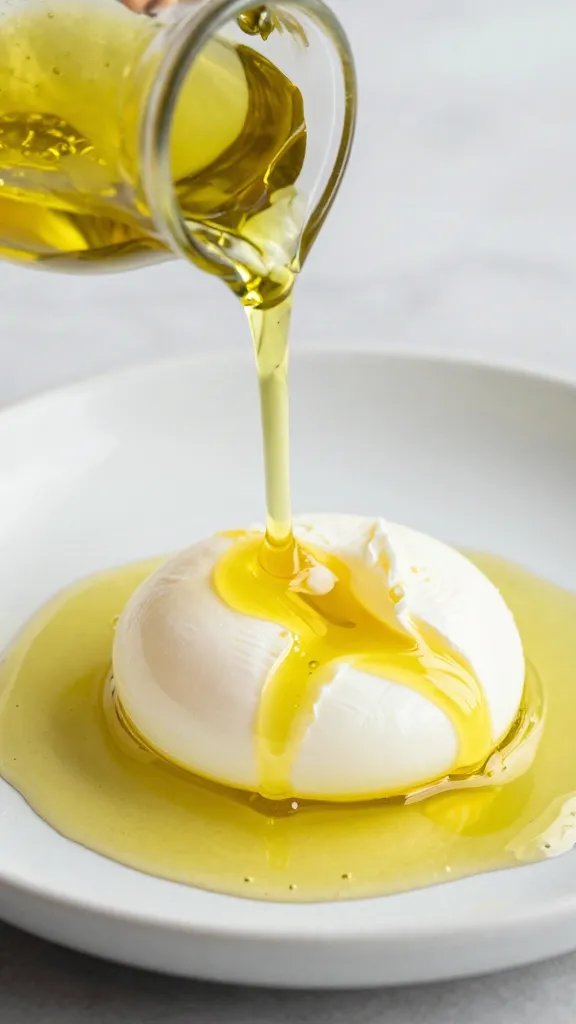
You can customize this without wrecking its soul.
Heat levels:
- Mild: skip the chili and rely on black pepper.
- Medium: 1 teaspoon chili flakes, as written.
- Spicy: add a spoon of Calabrian chili paste or a fresh serrano.
Tomato choices:
- Crushed canned tomatoes: consistent and easy.
- Passata: smooth and velvety sauce.
- Fresh tomatoes: great in peak season; cook down a bit longer.
Add-ins (if you must):
- Olives or capers for briny pop.
- Anchovy fillets melted into the oil for stealth umami. FYI, they vanish, they don’t taste fishy.
- Spinach or kale stirred into the sauce before adding eggs.
- Crumbled sausage browned first, then peppers go in—a heartier take.
Herb and cheese combos that slap
– Basil + Pecorino = bright and salty.
– Parsley + Parmesan = classic and nutty.
– Oregano + ricotta dollops = pizza-adjacent comfort.
Serving: Bread, Polenta, or Straight from the Pan
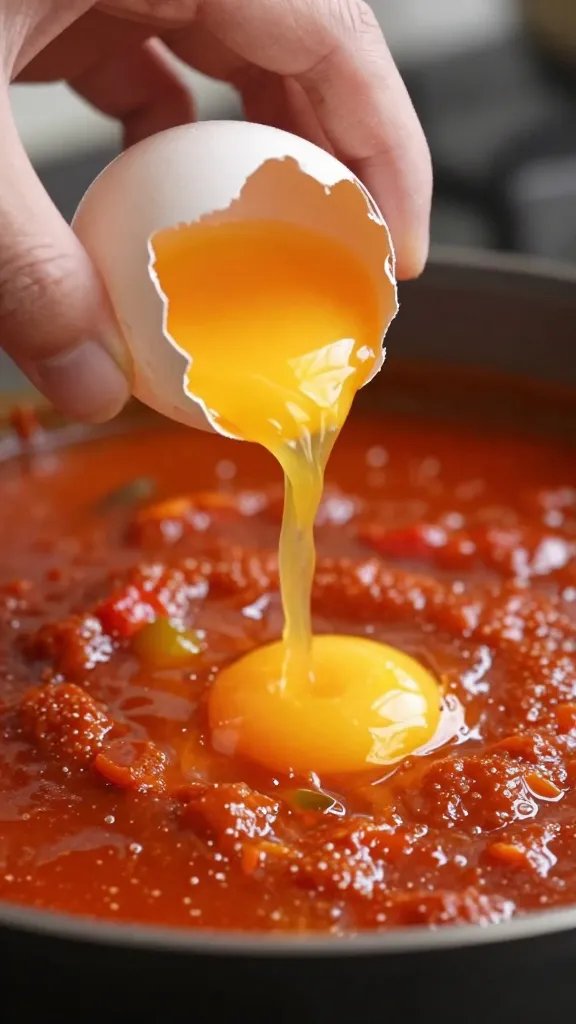
You can serve this family-style at the table. Everyone dips, everyone smiles, and the dishes stay minimal. Win.
Excellent pairings:
- Toasted country bread or ciabatta, rubbed with a cut clove of garlic.
- Creamy polenta for rainy nights when carbs feel medicinal.
- Garlicky couscous if you want quick grains.
- Roasted potatoes for a brunchy twist.
Make it a meal
– Add a simple salad with lemony vinaigrette to cut the richness.
– Pour a light red (Montepulciano, Bardolino) or a chilled white (Vermentino).
– Finish with a square of dark chocolate and call it curated.
Timing, Storage, and Make-Ahead Smarts
You can prep the peperonata in advance, then add eggs right before serving. This makes it perfect for relaxed dinners and zero-drama brunches.
Plan like a pro:
- Peperonata keeps 4–5 days in the fridge. Reheat gently on the stove.
- Freeze the peperonata up to 2 months. Thaw overnight, then reheat.
- Always cook the eggs fresh so the yolks stay luscious, not chalky.
Scaling up for a crowd
Use an ovenproof skillet. Make the peperonata, then crack in 8–10 eggs. Slide into a 375°F (190°C) oven until eggs set to your liking. IMO, this saves your stovetop sanity.
FAQ
Can I make this without tomatoes?
Yes—go heavy on peppers and onions, add a splash of stock, and finish with a squeeze of lemon and extra olive oil. The eggs still poach beautifully in the pepper mixture. It tastes sweeter and lighter, just less saucy.
What if I don’t have a lid for my pan?
Use a baking sheet, a larger pan flipped upside down, or even foil. You just want to trap steam so the eggs set evenly. No lid = slower cooking and potentially uneven whites.
How do I stop the eggs from overcooking?
Pull the pan off heat when the whites set and the yolks still wobble. Residual heat keeps cooking, so serve fast. If you like precision, set a timer for 5 minutes and adjust to your stove.
Can I use egg whites only?
You can, but expect a drier result. Poach the whites gently and finish with extra olive oil and a dollop of ricotta to add richness back. Also season more assertively since yolks carry flavor.
Is this the same as shakshuka?
Cousins, not twins. Shakshuka leans cumin, paprika, and peppers in a North African/Middle Eastern profile. Eggs in Purgatory stays Italian with olive oil, basil, and a simple chili-tomato-pepper base.
What protein can I add?
Anchovies for umami, Italian sausage for heft, or chickpeas for plant-based protein. Fold them into the sauce before the eggs so everything heats through evenly.
Conclusion
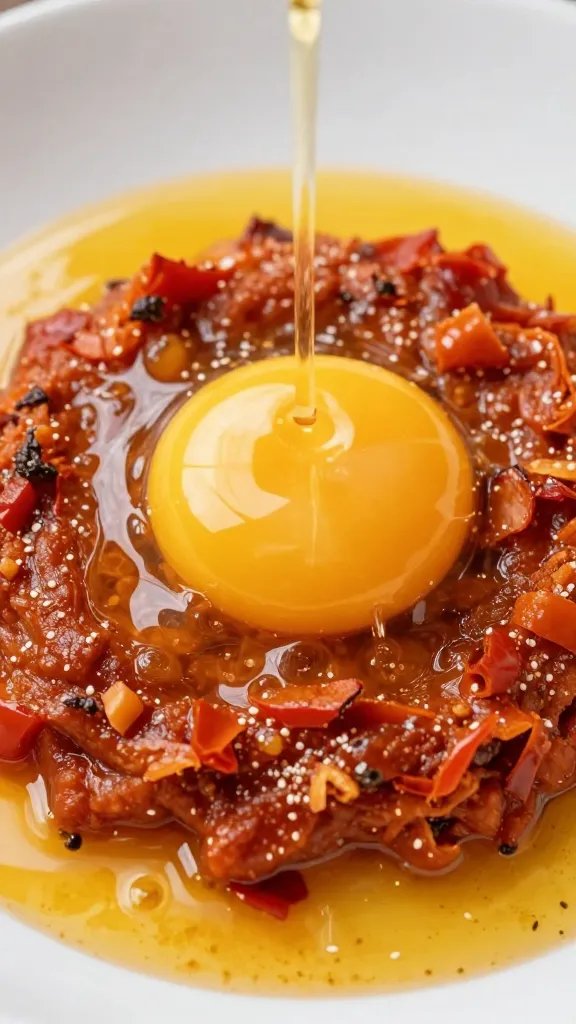
Eggs in Purgatory delivers big flavor with tiny effort: one pan, a silky peperonata, and eggs poached to your exact sweet spot. It hits that perfect intersection of cozy and impressive, the kind of dinner you can make on autopilot and still brag about. Grab good bread, swirl those yolks through the spicy-sweet sauce, and enjoy the kind of meal that makes you feel smug in the best way. FYI, you’ll make it again next week.