Dinner Frittata with Greens and Cheese — How to Build a Proper Frittata That Feeds Six and Reheats Perfectly Secrets
September 20, 2026 · 6 min read

Weeknight dinner needs to earn its keep. I want it fast, flexible, and friendly to leftovers—the culinary version of a golden retriever. Enter the dinner frittata: a skillet-sized omelet that welcomes whatever greens and cheese you’ve got and feeds six without drama. It’s hearty, cheap, and reheats like a champ. You in?
Why Frittata Beats “What’s for Dinner?” Panic
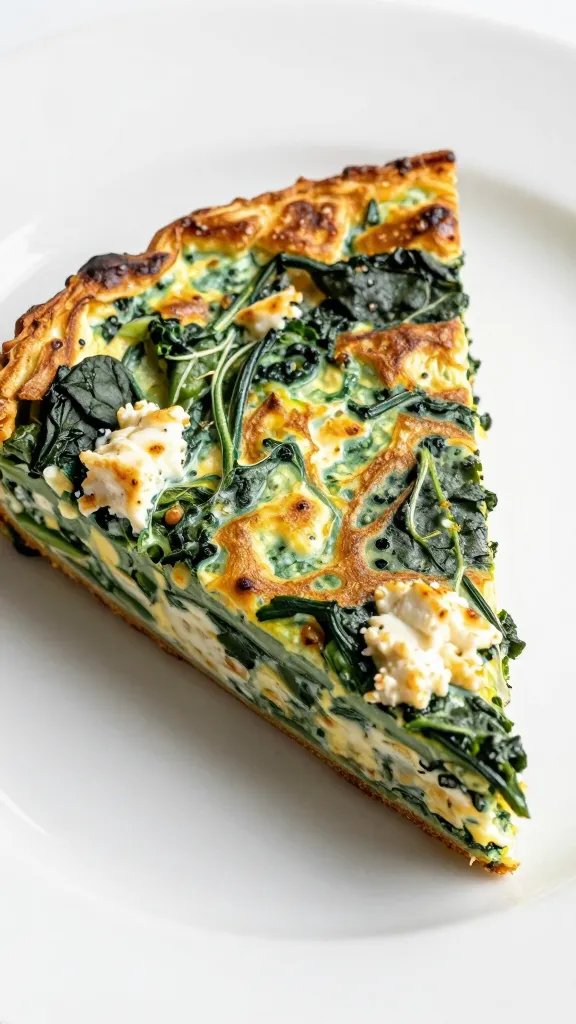
Frittata forgives everything. You forgot to defrost chicken? Cool, use spinach and feta. You only have five eggs? Add a splash of milk and call it rustic. You can scale it, swap it, and slice it up for tomorrow’s lunch while you’re at it.
And here’s the kicker: a proper frittata nails three moves—smart veg prep, well-seasoned eggs, and a gentle finish in the oven. Do that, and you’ll slice through custardy, savory wedges that don’t weep water or crumble like a sad sandcastle.
The Base Blueprint: Ratios That Just Work
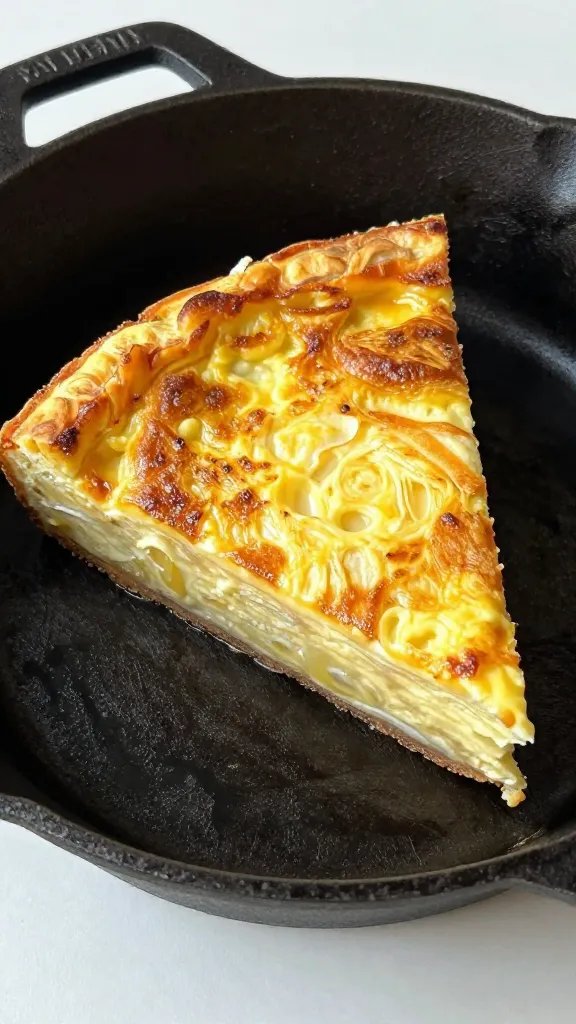
You don’t need a rigid recipe—you need a template. Use this as your compass and riff like a jazz soloist who also owns measuring spoons.
- Eggs: 10–12 large eggs for a 10- or 12-inch oven-safe skillet (feeds 6).
- Dairy: 1/2–3/4 cup full-fat dairy (half-and-half, heavy cream, whole milk, or ricotta).
- Greens: 6–8 packed cups raw tender greens (spinach, arugula) or 4 cups chopped sturdy greens (kale, chard) cooked down.
- Cheese: 1–1 1/2 cups shredded or crumbled cheese (mixing styles = more flavor).
- Fat: 2–3 tablespoons olive oil or butter for sautéing.
- Seasoning: 1–1 1/4 teaspoons kosher salt + black pepper to taste. Optional: red pepper flakes, garlic, lemon zest, herbs.
Pro tip: Add 1–2 teaspoons Dijon mustard or 1 tablespoon miso to the eggs. It’s a stealthy umami boost that makes people ask, “What’s in this?”
Cheese Combinations That Slap (IMO)
- Sharp cheddar + goat cheese + scallions
- Feta + Parmesan + dill + lemon zest
- Gruyère + fontina + thyme
- Pepper jack + cotija + cilantro (hello, heat)
Greens: Cook Them Like You Mean It
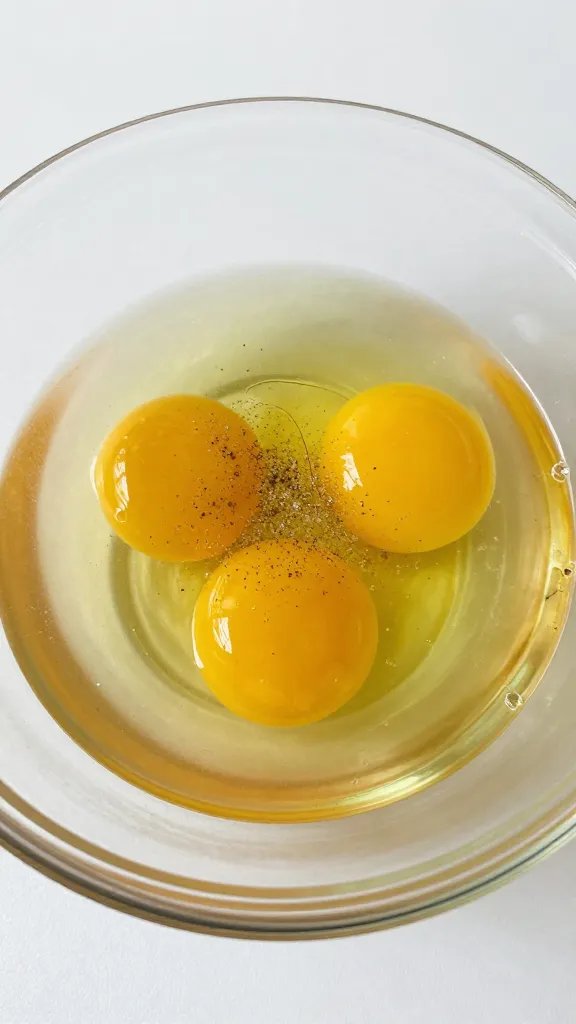
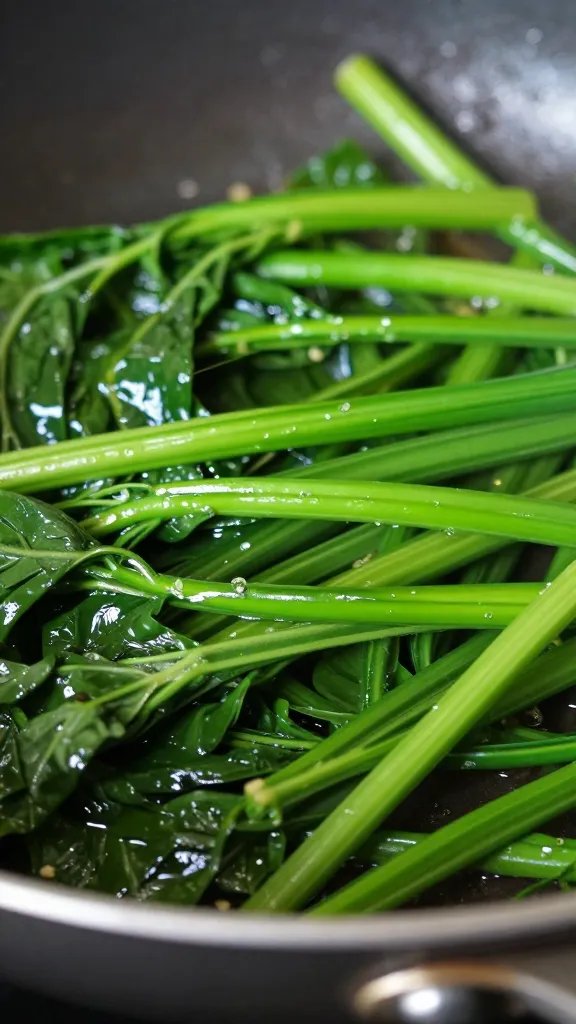
Greens taste great when you treat them right. Raw moisture ruins frittatas, so cook greens first and drive off extra water.
- Wilt tender greens fast. Spinach or arugula? Sauté in olive oil over medium-high heat, 2–3 minutes. Season lightly.
- Soften sturdy greens. Kale or chard? Strip stems, chop, and sauté 6–8 minutes until tender. Add a splash of water if needed, then evaporate it.
- Drain if juicy. Scoop cooked greens onto a plate or sieve for a minute. Squeeze a bit if they’re extra wet.
- Layer with intention. Mix half into the eggs and scatter half in the pan for good swirl and distribution.
Add-Ins That Play Well
- Aromatics: Sauté onions, leeks, or scallions until sweet. Garlic near the end so it doesn’t burn.
- Vegetables: Roasted peppers, zucchini, mushrooms (cook these fully to nix water), peas, or cherry tomatoes (halved and seeded).
- Protein: Cooked bacon, sausage, rotisserie chicken, or beans for a fiber boost.
- Herbs: Dill, parsley, chives, basil—stir into the eggs so the flavor reaches every bite.
FYI: Keep total mix-ins to about 3–4 cups cooked so the custard stays creamy, not crowded.
The Method: From Skillet to Slice
This is the play-by-play that saves dinner and your sanity.
- Heat the oven: 375°F (190°C). Middle rack.
- Beat the eggs: Whisk eggs with dairy, salt, pepper, and your flavor boosters (Dijon, herbs). Whisk until fully combined and slightly frothy for a tender texture.
- Sauté in a 10–12 inch oven-safe skillet: Warm oil or butter over medium heat. Cook aromatics and veg until soft and dry. Stir in half the greens.
- Add the eggs: Pour in the egg mixture. Sprinkle in cheese and remaining greens. Don’t stir. Tilt the pan gently to distribute.
- Set the edges: Cook on the stovetop 2–3 minutes until the edges look slightly set and tiny bubbles appear.
- Finish in the oven: Bake 10–14 minutes until the center barely jiggles and a knife comes out mostly clean. Do not overbake.
- Rest: Let it sit 5–10 minutes. It finishes cooking and slices cleaner. Also you won’t burn your tongue. Again.
Visual cues beat timers: Look for puffing around the edges and a gentle wobble in the middle. Overbaked frittatas taste spongy. We don’t do spongy.
Skillet Choices, Because Tools Matter
- Cast iron: Great heat retention and browning; preheat with a little oil to prevent sticking.
- Stainless: Works fine if well-oiled; don’t skimp on fat.
- Nonstick (oven-safe only): Effortless release but avoid broilers and extreme heat.
Flavor Moves That Make It Memorable
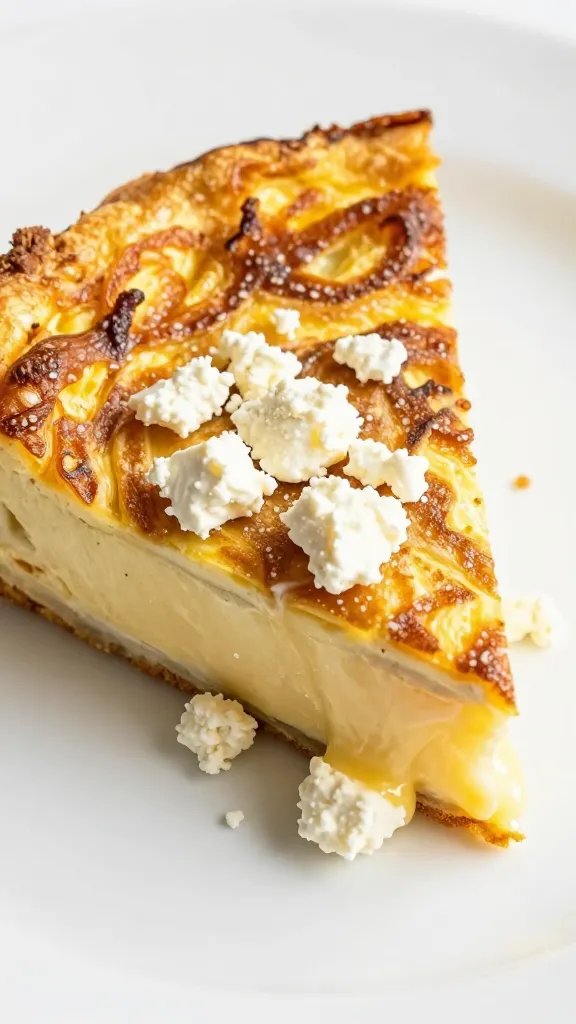
You cooked the greens and nailed the eggs. Now a few small flexes make your frittata restaurant-level.
- Acid pops: Finish with lemon zest or a drizzle of sherry vinegar after baking.
- Texture contrast: Reserve a little cheese for the top and add toasted breadcrumbs or crushed pistachios post-bake.
- Heat: Red pepper flakes in the eggs or a Calabrian chile drizzle on top.
- Freshness: Scatter chopped herbs before serving. A little olive oil finish? Chef’s kiss.
My Go-To Combo (IMO)
Sautéed leeks and spinach, Dijon in the eggs, half-and-half for creaminess, Gruyère plus feta, lemon zest on top. It tastes cozy and bright at the same time. People ask for seconds before they finish firsts.
Serve Six Without Stress
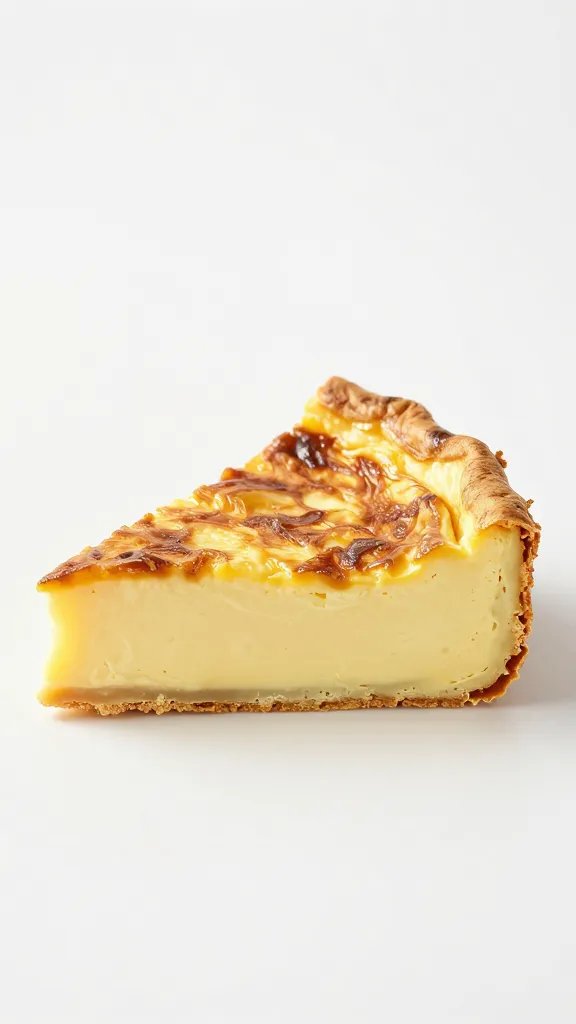
Want clean wedges and happy diners? Easy.
- Slice like pizza: Cut into 6–8 wedges. Serve with a simple side salad or roasted potatoes.
- Bread buddies: Garlic toast or warm pita turns it into a full meal.
- Sauce it up: A spoon of pesto, herby yogurt, or hot honey changes the vibe fast.
Hosting tip: Bake earlier, rest, and serve at warm room temp. Frittata doesn’t demand to be piping hot. It’s chill like that.
How to Reheat Without Ruining It
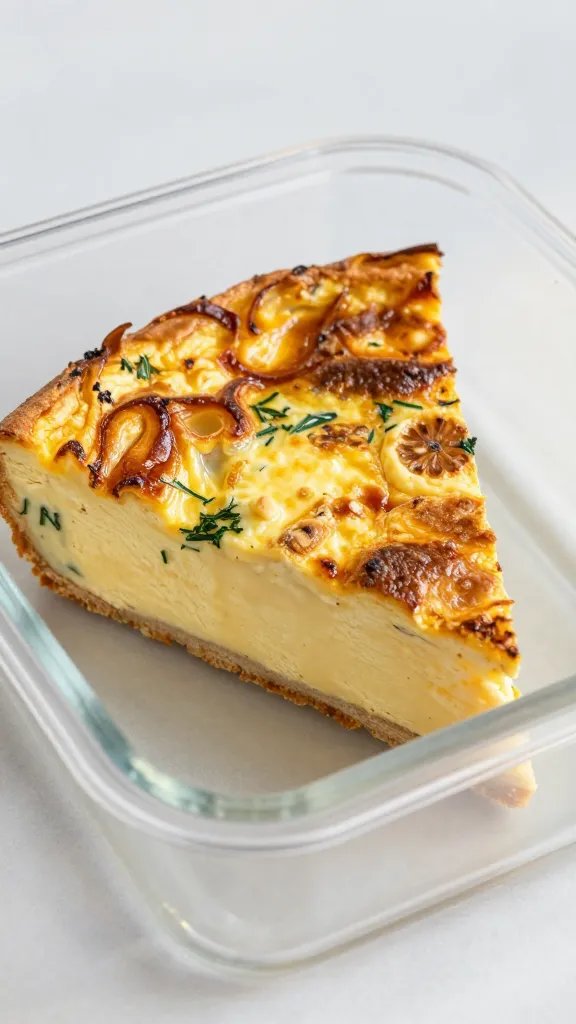
You made extra on purpose, right? Because reheated frittata can taste better the next day.
- Fridge life: 3–4 days, covered.
- Oven reheat: 300°F (150°C) for 10–12 minutes, covered with foil for gentle heat.
- Skillet reheat: Medium-low with a lid, a few drops of water to create steam, 5–7 minutes.
- Microwave: 50% power, 45–60 seconds per slice. It works; just go low and slow.
Avoid: High heat. It toughens eggs and dries out the custard. Treat leftovers kindly and they’ll pay you back at lunch.
FAQ
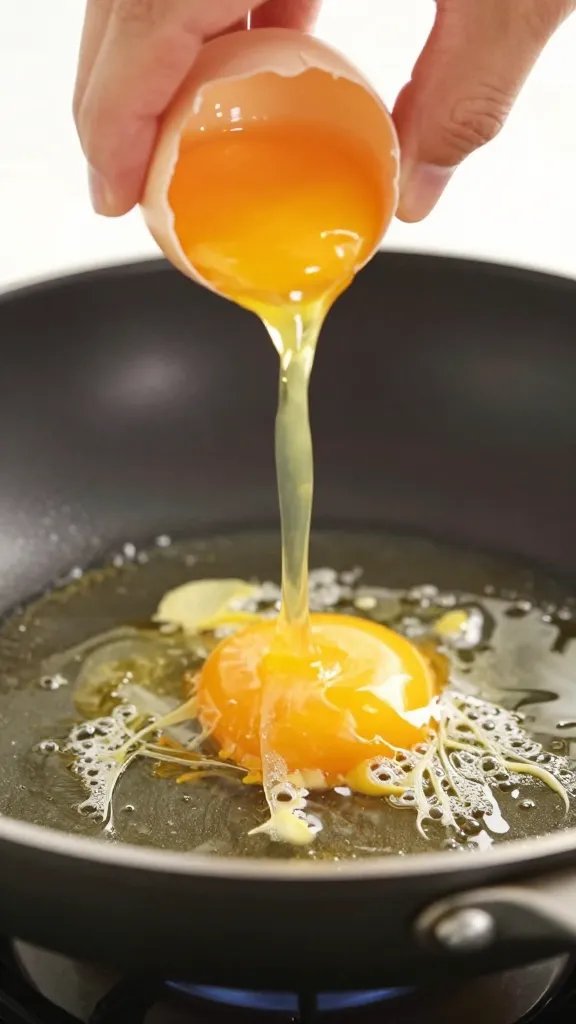
Can I make it dairy-free?
Totally. Use unsweetened oat or almond milk, or skip liquid dairy and add a tablespoon of olive oil to the eggs. Swap cheese with a dairy-free shredded blend or just lean on herbs, olives, and roasted peppers for flavor.
Do I need to par-cook potatoes or other dense veg?
Yes. Dice small and pre-cook until tender—roast, sauté, or microwave-steam. Dense veg steal moisture and time if you add them raw, and you’ll overcook the eggs while they catch up.
Why did my frittata leak water?
Your greens or mushrooms likely carried extra moisture. Cook them until dry and cool slightly before adding. Also, avoid covering the pan while sautéing; trapped steam equals sogginess.
Can I freeze frittata?
You can, but manage expectations. Freeze slices tightly wrapped for up to 2 months. Reheat covered in a 300°F oven. Texture stays decent, but fresh or refrigerated tastes better, IMO.
What if I only have 6–8 eggs?
Use a smaller skillet (8–9 inches) or reduce mix-ins. Add 1/4 cup extra dairy for tenderness. It’ll be thinner, but still delish.
How do I stop sticking in cast iron?
Preheat the pan with oil, sauté your veg, then add eggs while the surface stays well-lubed. Let the edges set before moving anything. A seasoned pan + enough fat = easy release.
Conclusion
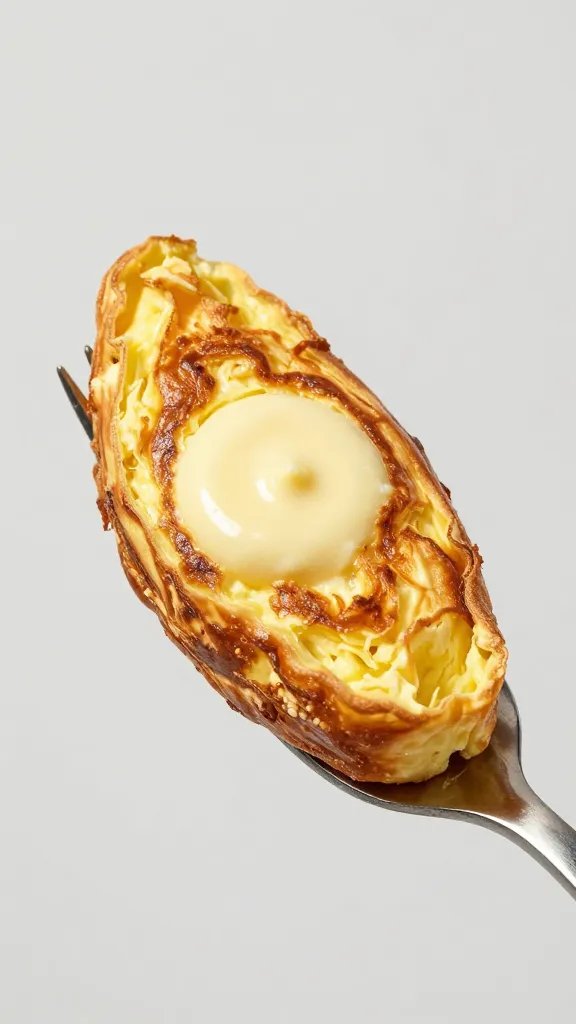
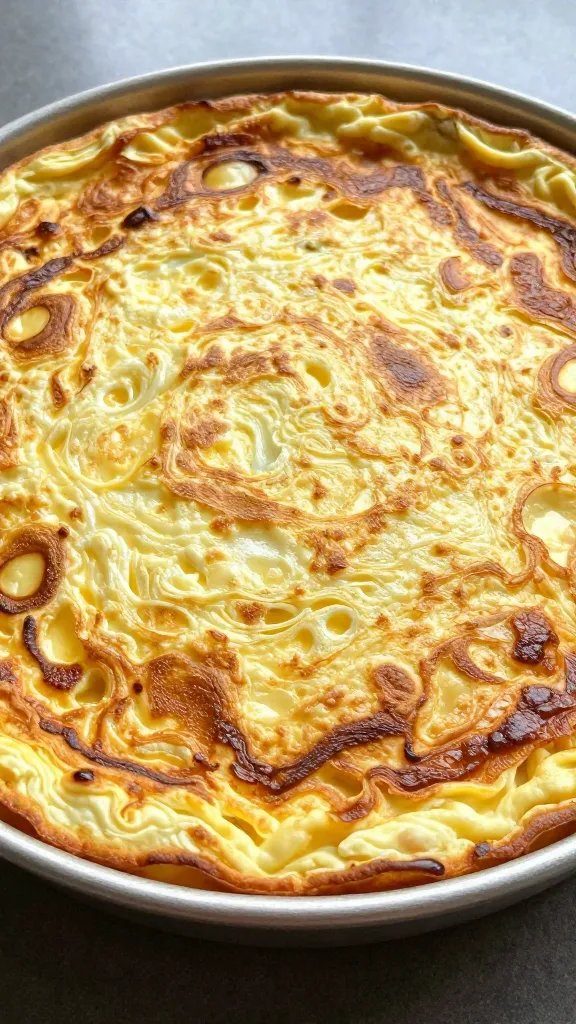
A great dinner frittata doesn’t ask for perfection—just smart steps and hot, confident eggs. Cook your greens dry, season boldly, and finish gently in the oven. Slice it up, pass the lemon and herbs, and stash a wedge for tomorrow. Future you will absolutely high-five present you.