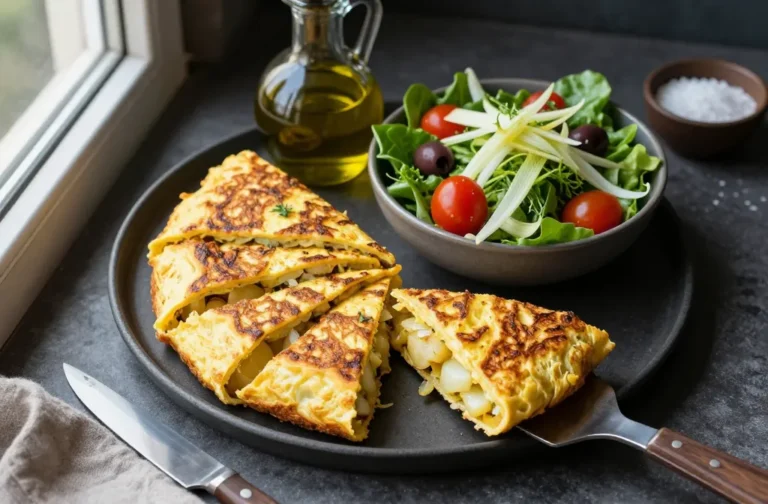
Piperade — Basque Eggs Slow-Cooked with Peppers and Tomato, the French Weeknight Dinner Worth the Extra 10 Minutes
September 21, 2026 · 6 min read
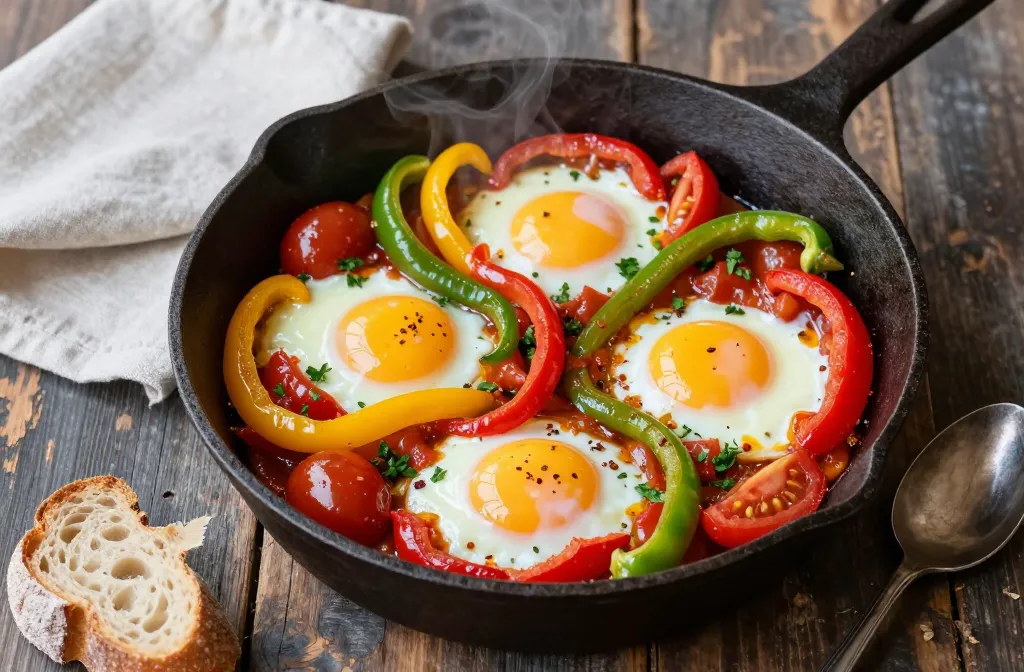
Piperade doesn’t beg for attention—it earns it. Sweet peppers, jammy tomatoes, and gently set eggs come together in one pan that smells like a vacation in the Basque Country. Give it 10 extra minutes, and it pays you back with flavor that tastes like you tried way harder than you did. Weeknight dinner, unlocked.
So… What Exactly Is Piperade?
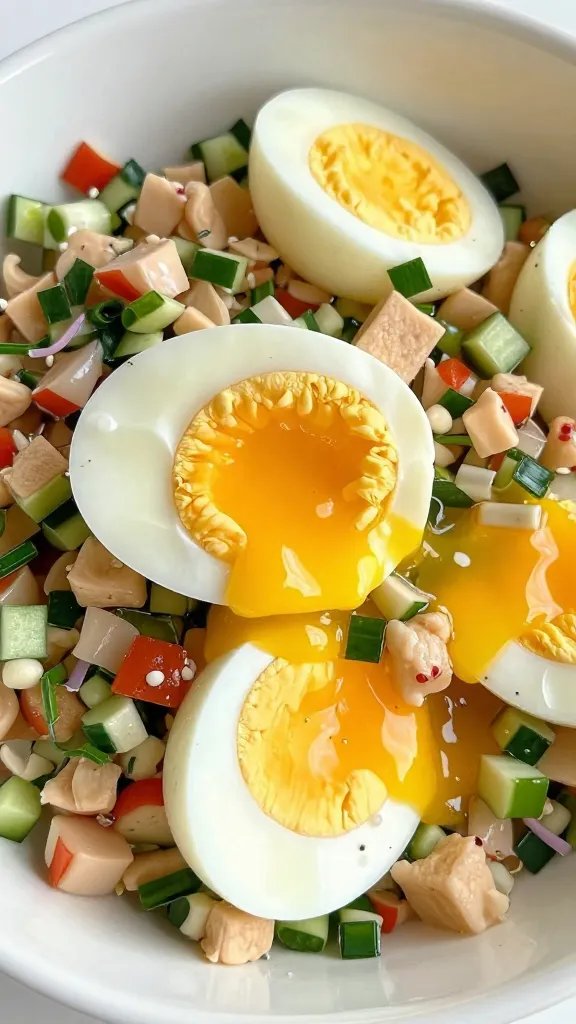
Piperade is a classic Basque dish built on three things: peppers, tomatoes, and eggs. The vegetables soften into a silky stew, you crack eggs right into it, and everything cozies up together. Think shakshuka’s French cousin who prefers butter and speaks in a charming accent. It hits savory, sweet, and just the right kind of spicy.
You cook it low and slow for a short while, let the peppers melt, and then finish with eggs that set to your favorite doneness. Scoop it over toast, tuck it into a tortilla, or serve it with rice. Basically, it loves carbs. And we love that for us.
Why It’s Worth the Extra 10 Minutes
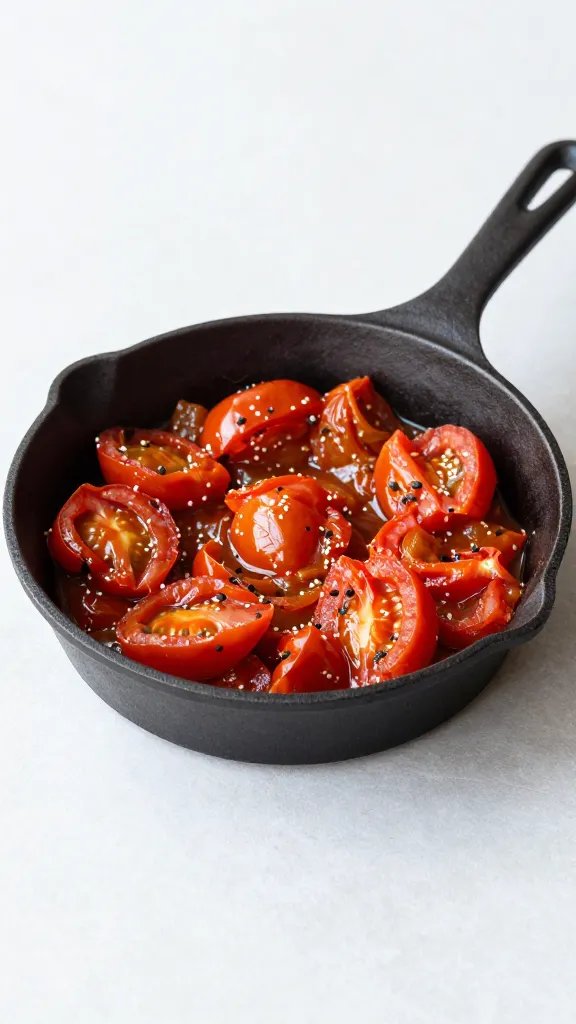
Could you rush it? Sure. Will you regret that? Also sure. Piperade tastes best when you let the peppers and onions chill out and soften properly, which usually needs just 10 more minutes than you think.
Those extra minutes do three things:
- Sweeten the peppers so they taste like sunshine instead of salad.
- Reduce the tomatoes into a jammy, saucy base that hugs the eggs.
- Marry the flavors so every bite feels like a complete sentence.
IMO, if you can scroll Instagram for 10 minutes, you can let your piperade simmer. Fair trade.
The Basque Soul: Ingredients That Matter
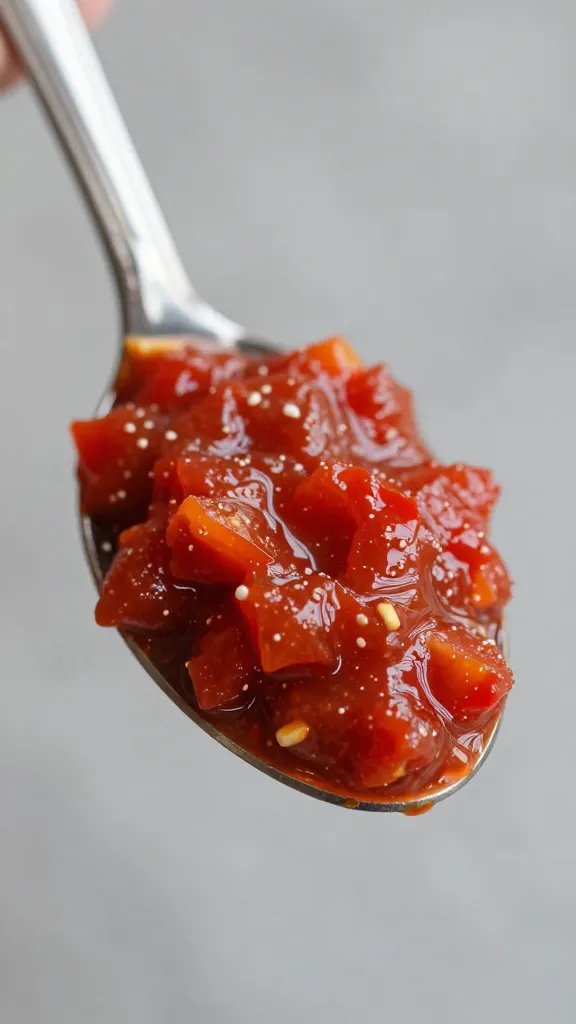
You don’t need a long shopping list. You do need good peppers and tomatoes. Quality here gives you that “Oh wow” moment.
- Peppers: A mix of red, yellow, and green bell peppers for sweetness and color. If you find Basque Espelette pepper flakes, awesome. If not, smoked paprika works great.
- Onions + Garlic: Onions bring sweetness; garlic brings backbone. Don’t skimp.
- Tomatoes: Fresh in summer; canned whole tomatoes in winter. Crush them by hand for texture therapy.
- Fat: Olive oil (classic) or a cheeky blend of olive oil and butter (French whisper).
- Eggs: As many as your pan can comfortably hold without crowding.
- Acid + Herbs: A splash of red wine vinegar or sherry vinegar at the end brightens everything. Parsley or chives for fresh finish.
- Salt + Heat: Kosher salt, black pepper, and a pinch of chili or Espelette. You’re in charge of the kick.
Optional But Excellent Add-Ins
- Bay leaf: Adds a French-bistro vibe during the simmer.
- Ham or chorizo: A traditional twist—especially Bayonne ham. Crisp it first, then build the veg around it.
- Feta or goat cheese: Not classic, but delish. Sprinkle right before serving.
How to Make Piperade (Without Overthinking It)
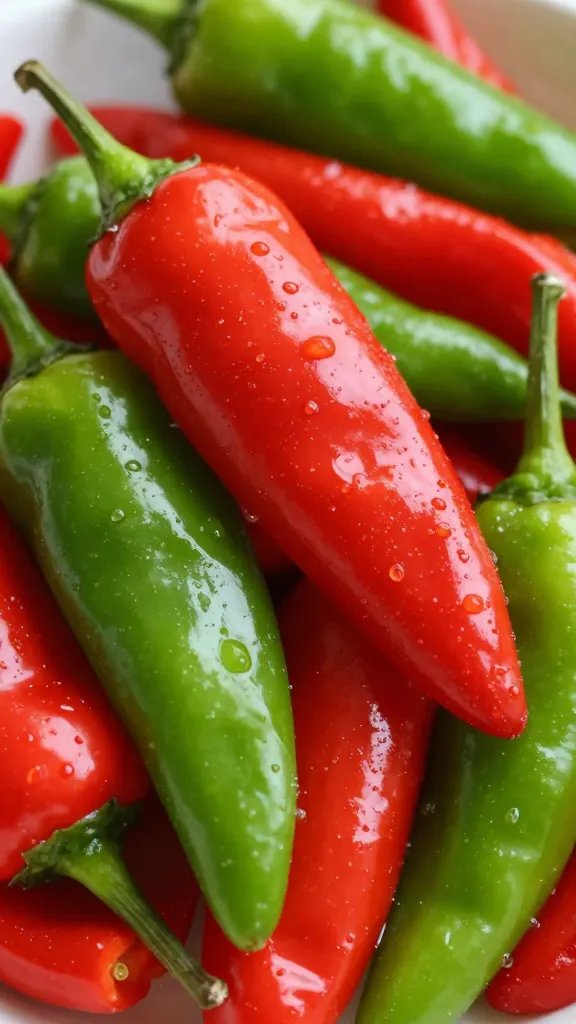
You’ll need a wide skillet with a lid. Nonstick works, enameled cast iron feels very “I cook.” Your call.
- Soften the aromatics: Warm olive oil over medium heat. Add sliced onions and a pinch of salt. Let them slump and sweeten for 6–8 minutes. Add garlic for the last minute.
- Build the pepper base: Toss in sliced peppers. Season again. Cook, stirring occasionally, until they soften and start to collapse, about 10–15 minutes. Don’t rush this part—this is where the flavor cashes in.
- Add tomatoes + spice: Stir in crushed tomatoes, paprika or Espelette, and maybe a bay leaf. Simmer gently until saucy and glossy, 8–10 minutes. Taste and adjust salt.
- Make the egg nests: Use a spoon to create little wells. Crack eggs into the wells. Lower the heat to medium-low, cover, and cook until the whites set and yolks stay runny, 4–7 minutes depending on your pan and heat. Prefer jammy yolks? Give it another minute.
- Finish smart: Off heat, splash in vinegar, shower with herbs, drizzle a little olive oil, and add cheese if you want. Serve immediately with something to scoop.
Pro Tips for Egg Perfection
- Glass lid = confidence. You can see the whites set without guessing.
- Stagger the eggs. If your pan runs hot at the edges, add center eggs first and edge eggs 30 seconds later.
- Runny yolks forever? Kill the heat a minute sooner and let residual heat finish the whites.
What to Serve With Piperade
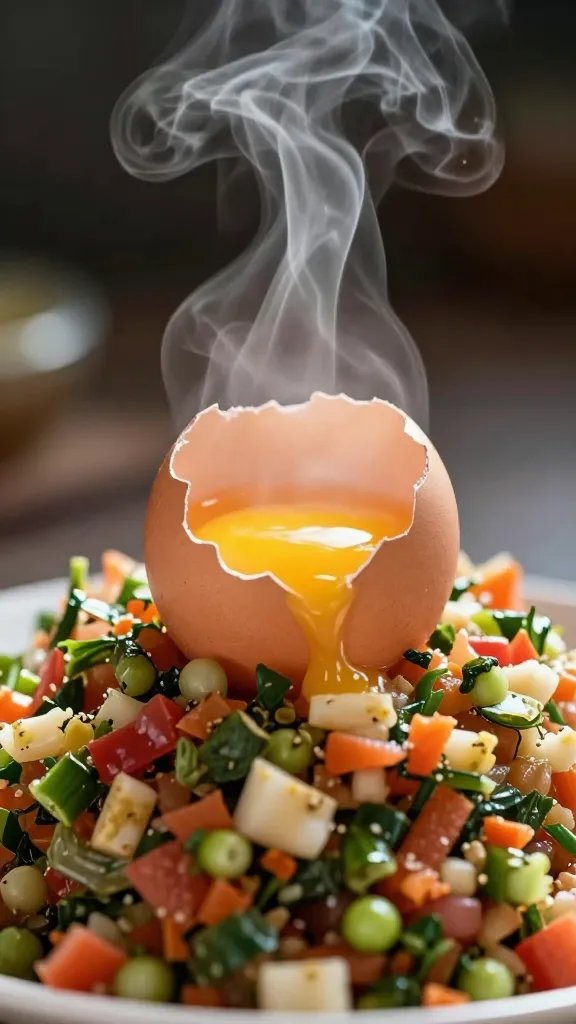
You can keep it minimalist or turn it into a feast. Either way, it plays well with others.
- Crusty bread or sourdough toast: The classic. Swipe, scoop, smile.
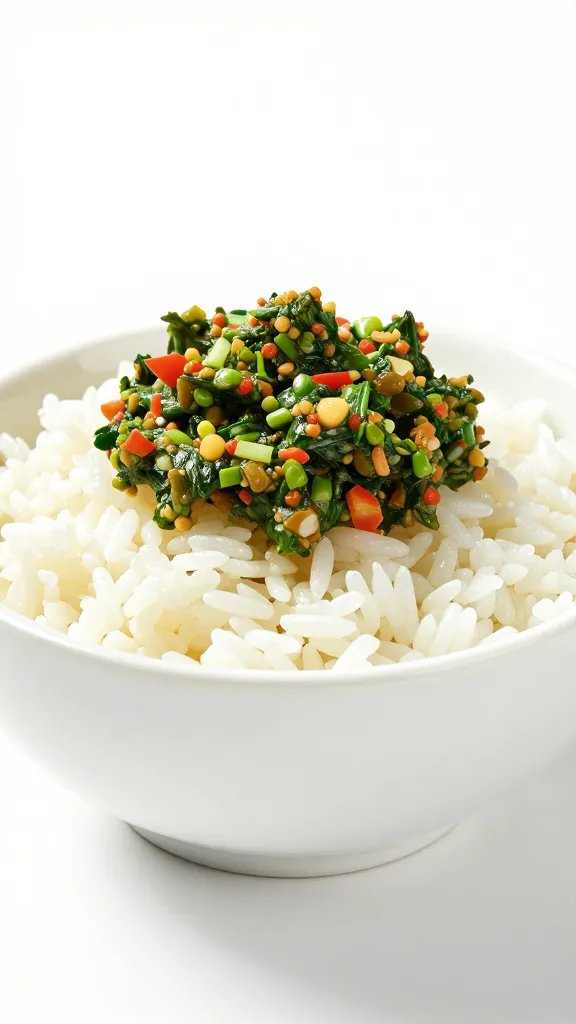
- Rice or couscous: Makes it feel more like dinner-dinner.
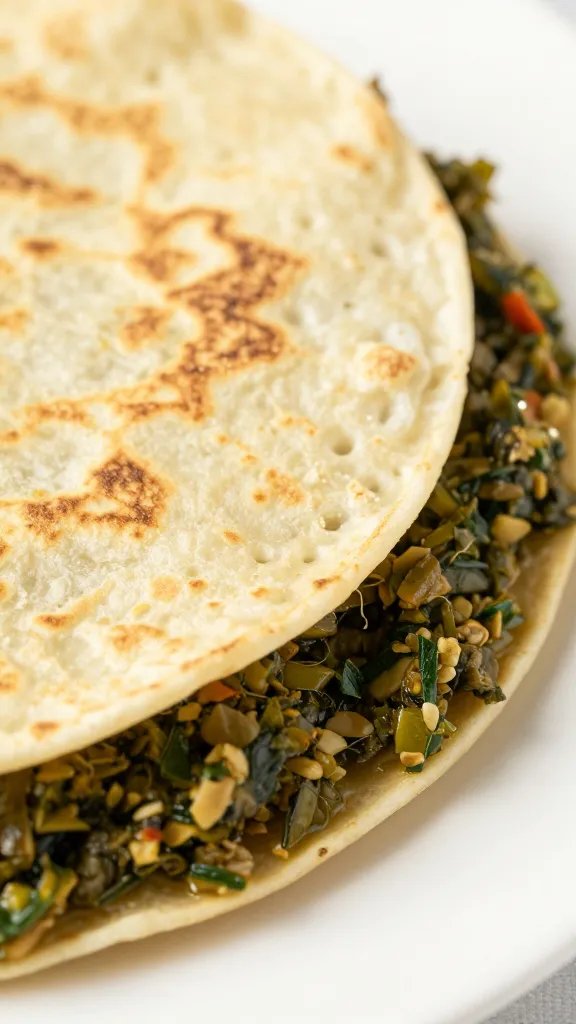
- Corn tortillas: Not French, but fantastic. Breakfast taco energy.
- Simple greens: Lemon-dressed arugula or butter lettuce for freshness.
- Wine pairing: A Basque Txakoli if you can find it; otherwise a crisp Sauvignon Blanc. FYI, light reds like Pinot also vibe nicely.
Make-Ahead, Reheating, and Leftovers
Piperade loves advance prep. You can cook the pepper-tomato base ahead and add the eggs later. Huge weeknight win.
Smart Make-Ahead Strategy
- Cook the base fully up to 3 days in advance. Chill it.
- Reheat gently over medium-low with a splash of water if it’s thick.
- Add eggs fresh and cook as usual. The eggs stay silky; the base tastes even better on day two.
Leftover Love
- Eggs don’t reheat well, but the base does. Save extra sauce and crack fresh eggs tomorrow.
- Repurpose the base in omelets, tossed with pasta, or spooned on grilled chicken or fish.
Troubleshooting: Common Piperade Pitfalls
Even simple dishes can act dramatic. Here’s how to keep it chill.
- Watery sauce? Simmer longer before adding eggs. Tomatoes need time to reduce.
- Peppers still crunchy? You rushed. Add 5–10 more minutes until they turn silky.
- Eggs overcooked? Lower the heat and shave a minute off next time. Covered pans cook faster than you think.
- Too sweet? Add vinegar or a pinch more salt. Balance is everything.
- Not enough heat? Sprinkle extra Espelette or chili flakes at the end. You control the drama.
FAQ
Can I use canned tomatoes?
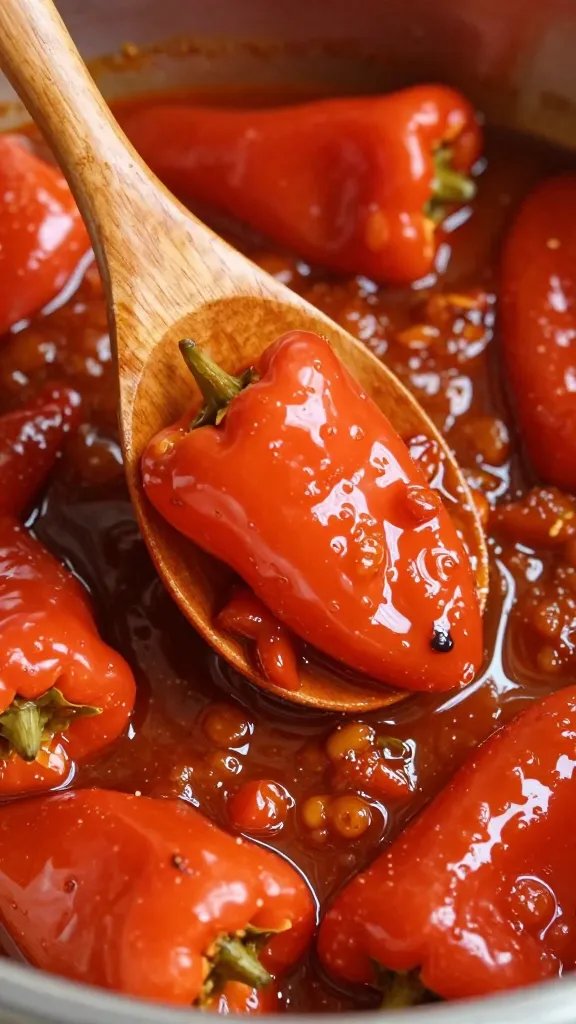
Absolutely. Use good-quality whole peeled tomatoes and crush them by hand. They deliver a rich sauce, especially when fresh tomatoes taste like cardboard. Taste and adjust acidity with a splash of vinegar at the end.
Do I need Espelette pepper?
Nope, but it adds a unique, gentle heat and fruitiness. If you can’t find it, smoked or sweet paprika plus a pinch of chili flakes works well. IMO, Espelette feels special, so grab it if you see it.
Can I scramble the eggs instead?
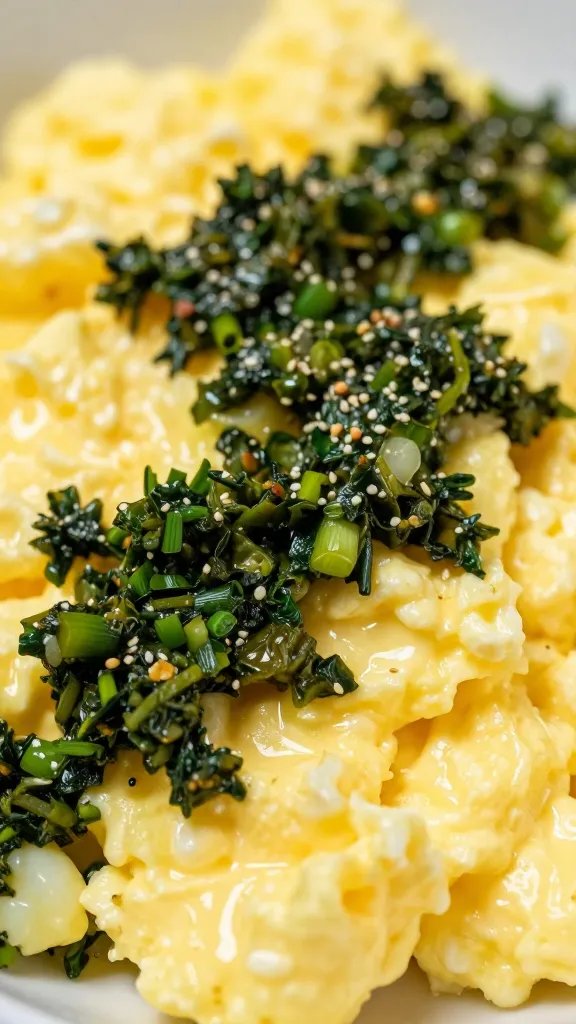
You can, and some versions do. Push the sauce to the sides, add a bit more oil or butter, and softly scramble in the center, then fold everything together. It tastes great, but the look changes from elegant poached eggs to cozy scramble vibes.
Is piperade spicy?
It’s usually mild with a warm, peppery hum. You control the heat with Espelette or chili flakes. If you want a kick-in-the-door level of spice, add more—but don’t drown the pepper sweetness.
What if I’m cooking for a crowd?
Make a big batch of the base in a Dutch oven, then portion into two skillets to cook the eggs just before serving. Or cook the base, transfer to a baking dish, nestle eggs, and bake at 375°F/190°C until set. It’s less precise but very hands-off.
Can I make it vegetarian or dairy-free?
It already is vegetarian if you skip ham or chorizo. For dairy-free, just avoid butter and cheese. The dish still shines thanks to olive oil and those cozy vegetables.
Final Thoughts
Piperade takes humble ingredients and turns them into something you’d happily serve to guests on a Tuesday. Give the peppers time, reduce the tomatoes, and slide those eggs in like you mean it. Ten extra minutes buys you French comfort with Basque swagger—totally worth it, FYI. Now grab a spoon and some bread and call it dinner.