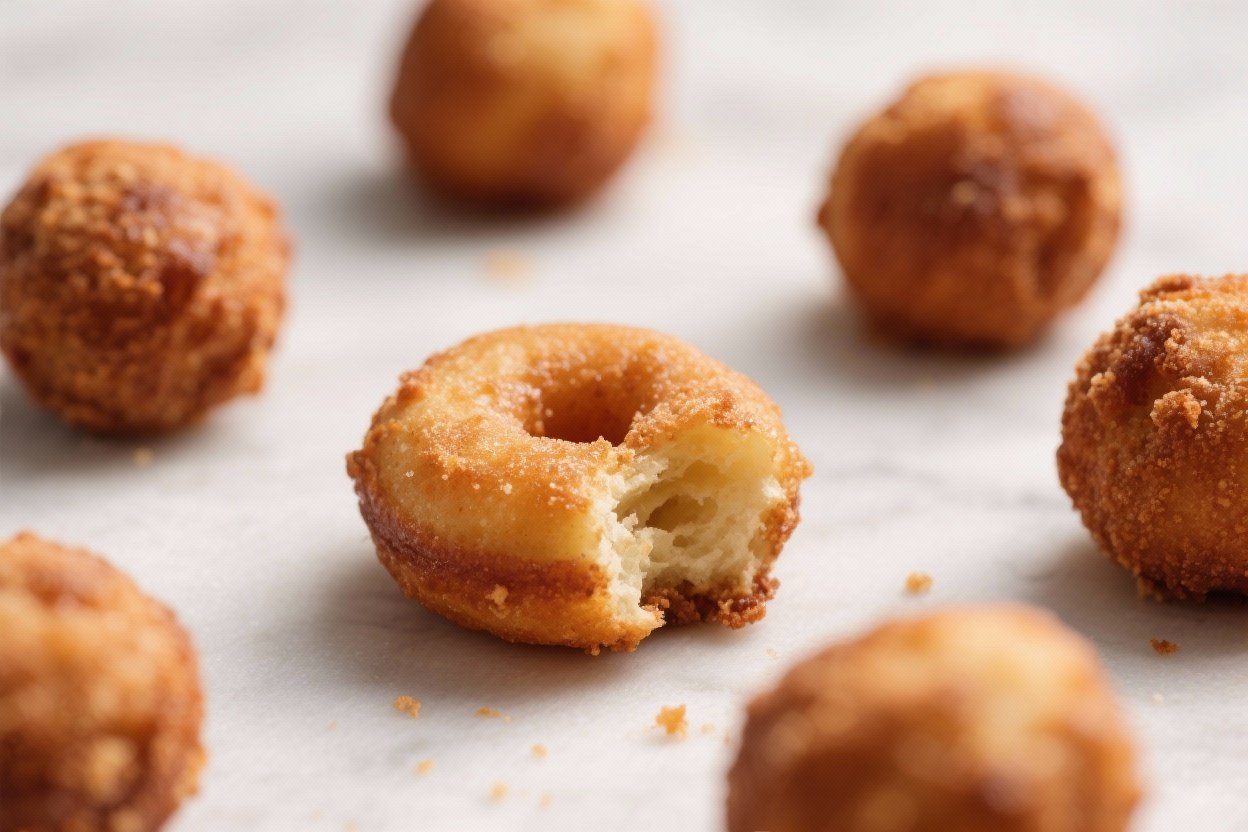
Apple Cider Donut Holes (Baked Not Fried): The Cozy, 20-Minute Treat That Tastes Like a Fall Festival
Forget waiting for sweater weather. You’re about to bake the best bite-sized donut holes of your life—no oil, no fryer, no mess. Just hot, apple-cider-spiked goodness coated in cinnamon sugar that melts the second it hits warm dough.
These Apple Cider Donut Holes (Baked Not Fried) taste like a crisp October morning, even if it’s Tuesday at 8 p.m. And the payoff? Huge.
The effort? Laughably small.
The Secret Behind This Recipe

The magic is in the reduced apple cider. We simmer it down to concentrate the flavor, so every bite tastes like real apples, not “apple-flavored.” That reduction anchors the batter and infuses the glaze.
We’re also using buttermilk and melted butter for a tender crumb that mimics fried donut texture—without the grease. A touch of nutmeg and cinnamon gives that classic cider donut profile. And the final move?
A quick dunk in melted butter followed by a cinnamon-sugar roll. That’s the bakery finish.
Shopping List – Ingredients
- 1 1/2 cups apple cider (for reducing)
- 1 1/4 cups all-purpose flour
- 1 tsp baking powder
- 1/4 tsp baking soda
- 1/2 tsp fine salt
- 1 tsp ground cinnamon
- 1/4 tsp ground nutmeg (freshly grated if possible)
- 1/3 cup granulated sugar
- 1/4 cup light brown sugar, packed
- 1 large egg, room temp
- 1/4 cup unsalted butter, melted and slightly cooled (plus more for coating)
- 1/3 cup buttermilk, room temp
- 1 tsp vanilla extract
- For coating: 1/2 cup granulated sugar + 1 1/2 tsp cinnamon, 2–3 tbsp melted butter
- Optional glaze: 1/2 cup powdered sugar + 1–2 tbsp reduced cider
Step-by-Step Instructions
- Reduce the cider. Add the apple cider to a small saucepan and simmer over medium heat until it reduces to about 1/2 cup, 10–15 minutes. Cool slightly.
This is your flavor bomb.
- Preheat and prep. Heat oven to 350°F (175°C). Grease a mini muffin pan or a donut hole pan. No pan?
A regular muffin pan works—just fill each cup 1/3 full.
- Mix dry ingredients. In a bowl, whisk flour, baking powder, baking soda, salt, cinnamon, and nutmeg. Keep it airy for a light crumb.
- Mix wet ingredients. In another bowl, whisk granulated sugar, brown sugar, egg, melted butter, buttermilk, vanilla, and 1/4 cup of the reduced cider. Save remaining cider for glazing or to adjust batter thickness.
- Combine gently. Add dry to wet and fold just until combined.
If batter seems too thick, add 1–2 teaspoons more reduced cider. Do not overmix or you’ll get rubbery bites.
- Fill the pan. Spoon or pipe batter into the wells, about 3/4 full. Consistency should be thick but scoopable.
- Bake. Bake 9–12 minutes for mini muffin size (12–15 for larger). They’re done when the tops spring back and a toothpick comes out clean.
- Coat while warm. Let cool 2 minutes, then pop them out.
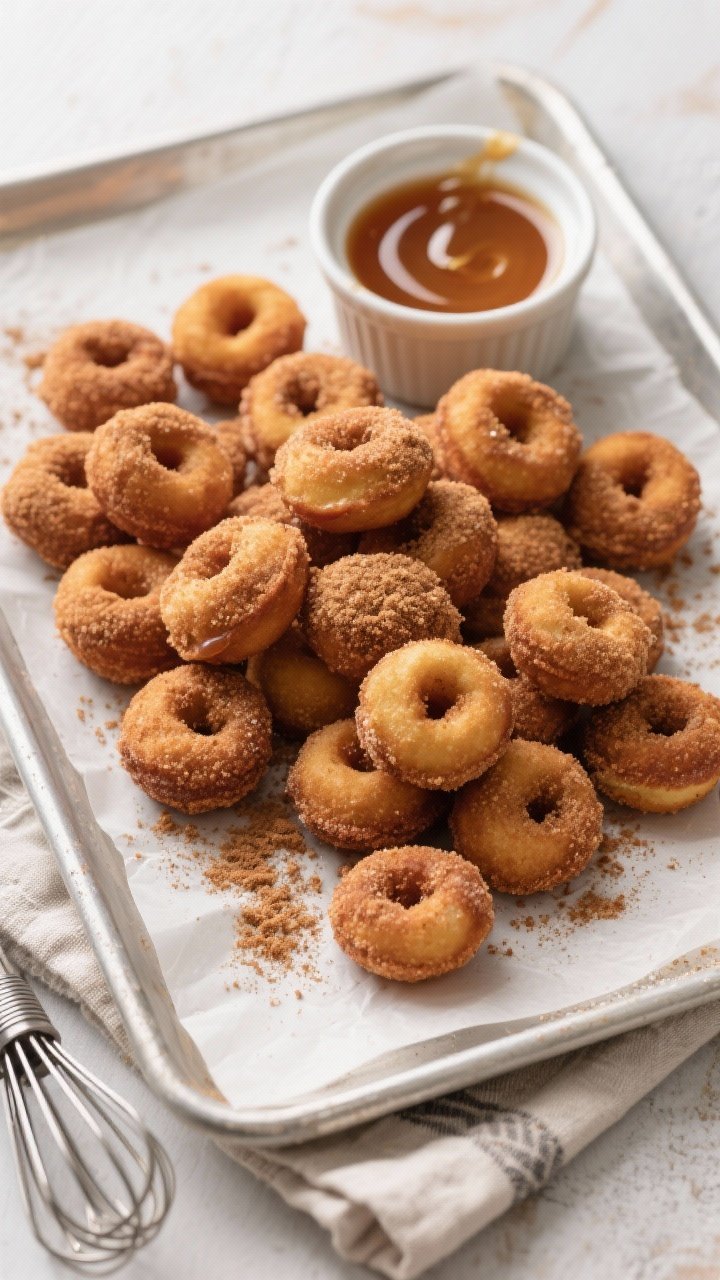
Brush or dip each in melted butter and roll in the cinnamon-sugar mixture. Work in batches so the sugar sticks well.
- Optional glaze. Whisk powdered sugar with 1–2 tbsp reduced cider until smooth. Drizzle over sugared donut holes once set.
Extra? Not necessary. Worth it?
Absolutely.
Storage Instructions
- Room temperature: Store in an airtight container up to 2 days. Add a slice of bread in the container to keep them soft (grandma trick, still undefeated).
- Refrigerator: Up to 5 days, but allow them to come to room temp before serving for best texture.
- Freezer: Freeze uncoated donut holes up to 2 months. Thaw, warm for 5 minutes at 300°F, then butter-and-sugar coat like they’re fresh.
- Reheat: 300°F oven for 5–7 minutes.
Avoid the microwave unless you enjoy chewy sadness.

What’s Great About This
- Baked, not fried: Less mess, lighter texture, same nostalgic flavor.
- Fall flavor in minutes: The cider reduction turns a simple batter into a seasonal flex.
- Flexible equipment: Mini muffin pan, donut hole pan, even a cake pop maker—choose your fighter.
- Party-friendly: Bite-sized, easy to transport, and they vanish faster than you can say “just one more.”
- Kid-approved and adult-obsessed: Sweet enough for the littles, nuanced enough for you.
Avoid These Mistakes
- Skipping the cider reduction. If you don’t reduce, you’ll get weak flavor. Don’t do bland.
- Overmixing the batter. Fold gently. Overmixing activates gluten and ruins tenderness.
- Letting them cool too long before coating. Warm donut holes grab that cinnamon sugar like Velcro.
Cold ones? Not so much.
- Overbaking. Dry donut holes are a trust issue. Check early; they bake fast.
- Using cold ingredients. Room-temp egg and buttermilk give better texture and rise, FYI.
Variations You Can Try
- Maple finish: Swap the glaze for 1/2 cup powdered sugar + 1–2 tbsp pure maple syrup.
Add a pinch of salt for balance.
- Brown butter upgrade: Brown the butter for the batter and the coating. Nutty, toasty, elite.
- Stuffed centers: Pipe a little apple butter or caramel into the center using a filling tip after baking. Dangerous in the best way.
- Gluten-free: Use a 1:1 gluten-free flour blend with xanthan gum.
Batter may need 1–2 tsp extra cider.
- Dairy-free: Use oil instead of butter, and swap buttermilk for almond milk mixed with 1 tsp lemon juice.
- Spice swap: Add cardamom or allspice for a bolder, bakery-level profile.
FAQ
Can I use apple juice instead of apple cider?
Yes, but cider has a deeper, more complex flavor. If you use juice, definitely reduce it and consider adding a tiny splash of lemon juice to brighten it up.
Do I need a donut hole pan?
Nope. A mini muffin pan works perfectly and gives that round, poppable shape.
A regular muffin pan also works—just bake slightly longer and don’t overfill.
Can I make the batter ahead?
It’s better fresh. If you must prep, mix the dry and wet ingredients separately and combine right before baking. Leaveners lose power if they sit too long.
Why are my donut holes dense?
Most likely overmixing or overbaking.
Also check that your baking powder is fresh. Batter should be thick but not dry—adjust with a teaspoon or two of reduced cider if needed.
How do I keep the cinnamon sugar from falling off?
Coat while the donut holes are still warm and use a light brush of melted butter first. The butter acts like edible glue.
IMO, brushing beats dunking for even coverage.
Can I skip the butter and just roll in sugar?
You can, but the sugar won’t stick as well and the texture won’t be as satisfying. The butter also mimics the richness of frying without the oil bath.
What’s the best way to brown butter for a flavor boost?
Melt butter over medium heat, swirling until it foams and brown bits form, 4–6 minutes. Cool slightly before adding to the batter so you don’t scramble the egg.
Those toasty milk solids? Flavor gold.
In Conclusion
These Apple Cider Donut Holes (Baked Not Fried) deliver bakery-level flavor without the fryer drama. You get concentrated apple, warm spices, a tender crumb, and that classic cinnamon-sugar crunch.
Make a batch for brunch, game day, or your late-night “I deserve this” moment. Fast, cozy, wildly addictive—and yes, you should double it.
Printable Recipe Card
Want just the essential recipe details without scrolling through the article? Get our printable recipe card with just the ingredients and instructions.