Chinese Soy-Braised Eggs Over Rice — Lu Dan Served As a Full Bowl Dinner with Ginger, Star Anise and the Full Braising Liquid
September 17, 2026 · 6 min read
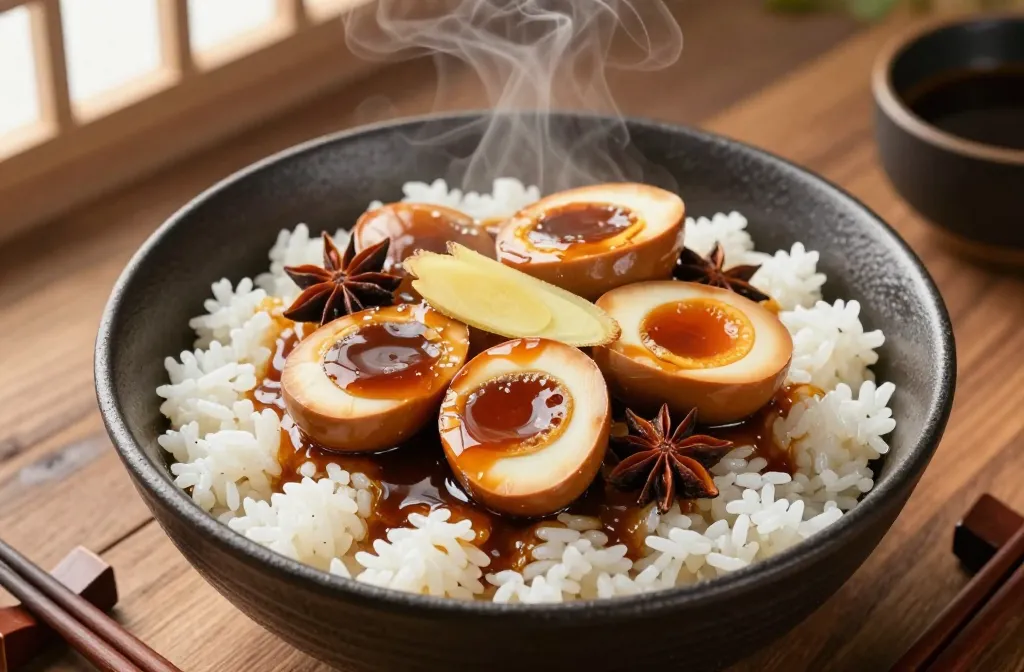
You know those dinners that feel way fancier than the effort you put in? That’s soy-braised eggs over rice—lu dan—when you ladle the whole glossy braising liquid over the bowl. It’s salty-sweet, gingery, and packed with star anise warmth. The eggs soak up deep flavor and the rice drinks the sauce like it’s a spa day. Five ingredients, big payoff, zero drama.
What Makes Lu Dan So Good?
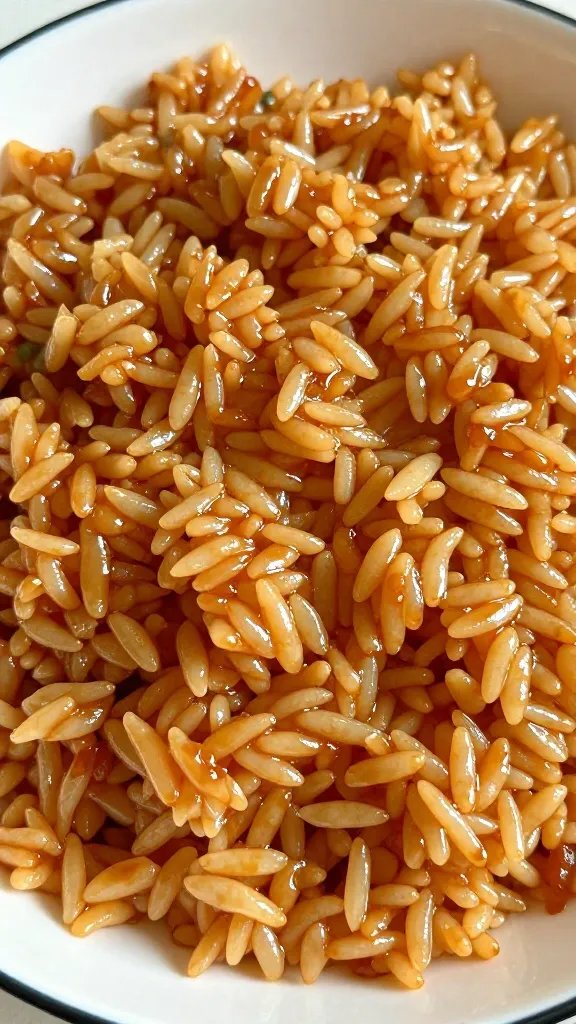
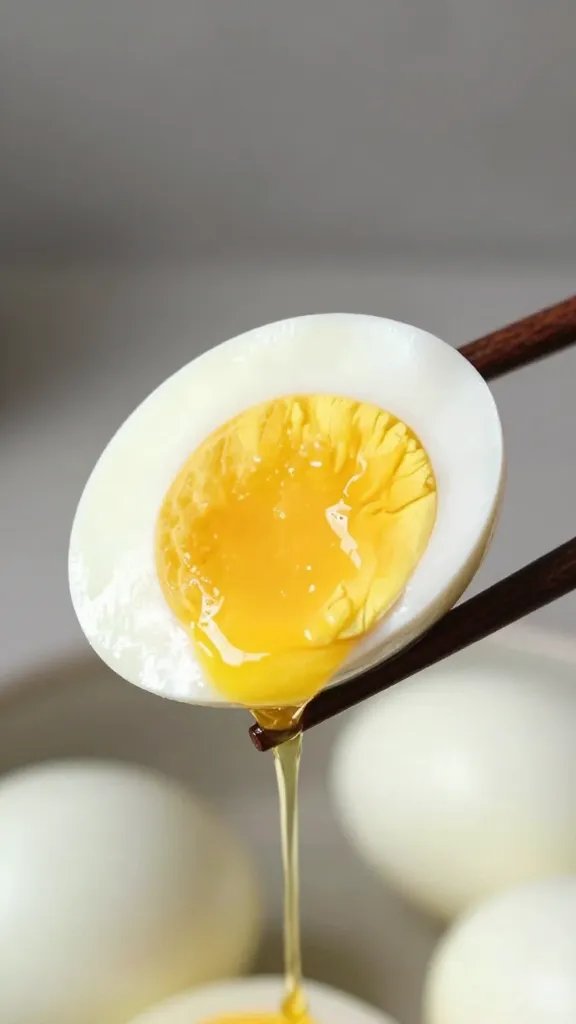
You take humble boiled eggs and give them a long, relaxing soak in a soy-forward braise. The white gets bouncy and bronze, the yolk turns jammy or firm—your call. The sauce? It’s umami-rich from soy, sweet from sugar, sharp from ginger, and aromatic from star anise.
Serve the eggs over hot rice and pour over the entire braising liquid. Not a drizzle. Not a polite spoonful. The whole thing. It transforms into a glossy gravy that clings to rice and makes every bite punchy and satisfying.
Ingredients and Pantry Swaps

Here’s the base. You probably own most of it already.
- Eggs: 6–10, depending on your pot and appetite
- Soy sauce: 1/2 cup light (regular) soy; add 1–2 tbsp dark soy for color, optional
- Water: 2 cups (enough to cover eggs halfway)
- Sugar: 2–3 tbsp rock sugar or brown sugar
- Ginger: 6–8 slices, smashed a bit
- Star anise: 2–3 pods
- Rice wine or Shaoxing wine: 2 tbsp (optional but highly recommended)
- Neutral oil: 1 tsp for blooming aromatics
- Steamed rice: enough for bowls (short-grain white or jasmine both work)
Good-to-Have Extras
- Garlic: 3–4 cloves, lightly crushed
- Cinnamon stick: 1 small piece for warmth
- Dried tangerine peel: 1 piece if you have it (chef’s kiss)
- White pepper: a pinch at the end
- Scallions and chili oil: to finish
Step-by-Step: From Egg to Bowl
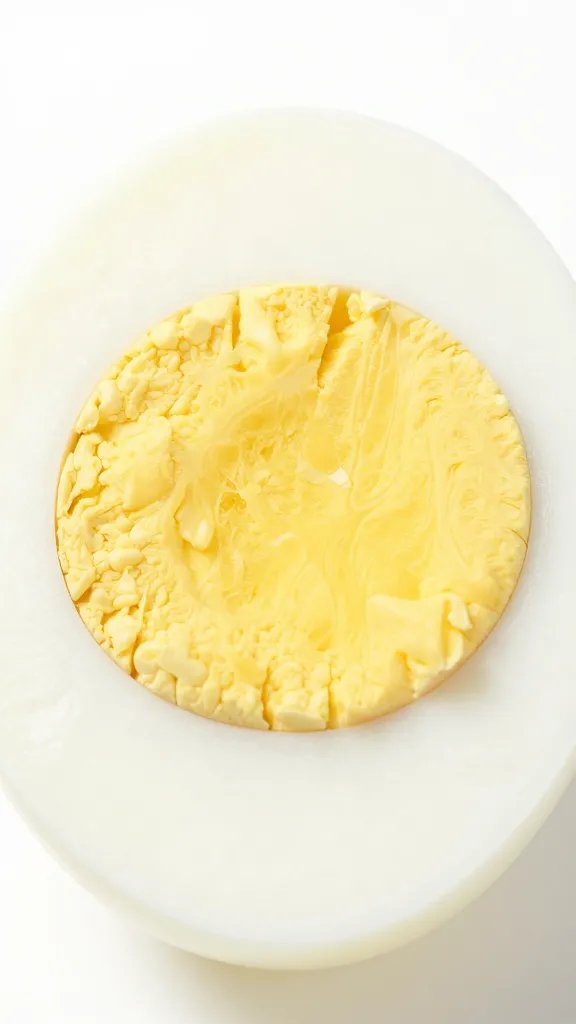
Let’s keep it simple. You’ll boil, marinate, and serve. No chef hat required.
- Boil the eggs. Lower fridge-cold eggs into boiling water. Cook 7 minutes for jammy, 9–10 for firm. Shock in ice water. Peel gently.
- Build the braise. In a small pot, warm oil. Add ginger, star anise, and garlic. Stir 30 seconds until fragrant. Pour in soy, water, wine, and sugar. Bring to a simmer.
- Braise the eggs. Slip eggs into the pot. Simmer gently 12–15 minutes, rolling them occasionally so they color evenly. Don’t let it boil hard—keep it chill.
- Marinate for depth. Turn off heat and let eggs sit in the liquid at least 30 minutes. For best flavor, refrigerate overnight in the sauce. FYI: The longer they sit, the darker and saltier they get.
- Reheat and reduce. Warm the eggs and simmer the liquid 5–8 minutes until glossy. You want a spoon-coating sauce, not a thin broth.
- Serve. Big bowl. Hot rice. Halve or quarter the eggs. Ladle on all the braising liquid. Finish with scallions, a crack of white pepper, and chili oil if you like drama.
Timing Cheat Sheet
- Weeknight fast track: 1 hour total with a 30-minute rest
- Meal-prep magic: braise the night before and reheat
- Party platter: make 2–3 days ahead; flavor improves
Flavor Control: Sweet-Salty Balance and Aromatics
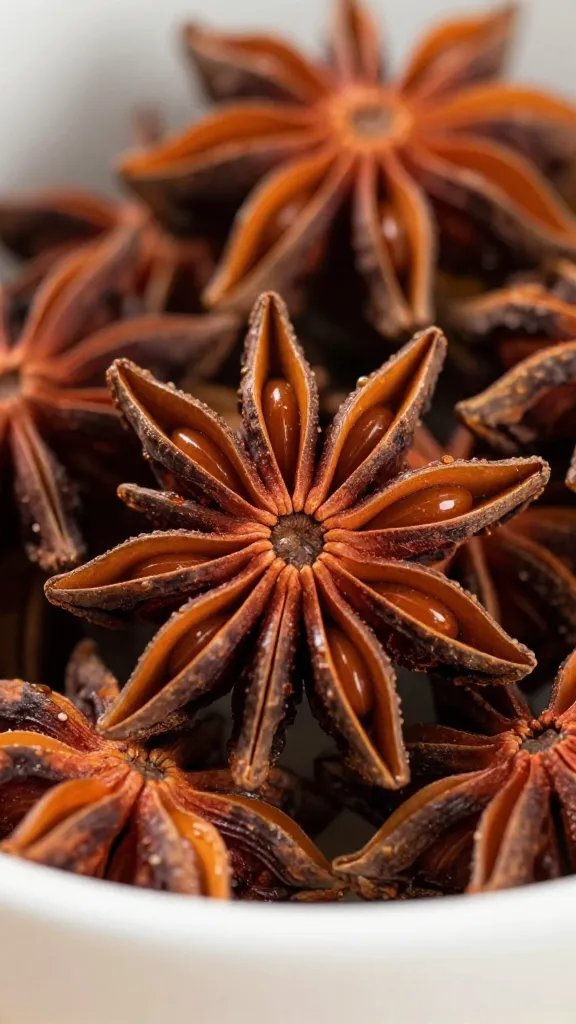
You run the show here. Want sweeter? Add more sugar. Want saltier? Up the soy or reduce the liquid longer. Prefer gentle spice? Use 1 star anise, not 3.
Salt Management 101
- Taste the sauce after 10 minutes of simmering. Adjust before adding eggs.
- Use dark soy for color and light molasses notes, but don’t swap it 1:1 for regular—you’ll over-salt.
- Stretch with water if it gets too intense. Reduce again to gloss it up.
Aromatic Profiles
- Minimalist: ginger + star anise only (clean and classic)
- Cozy: add cinnamon and a pinch of five-spice
- Citrusy: dried tangerine peel + a splash of rice vinegar at the end
Rice Pairings and Add-Ons
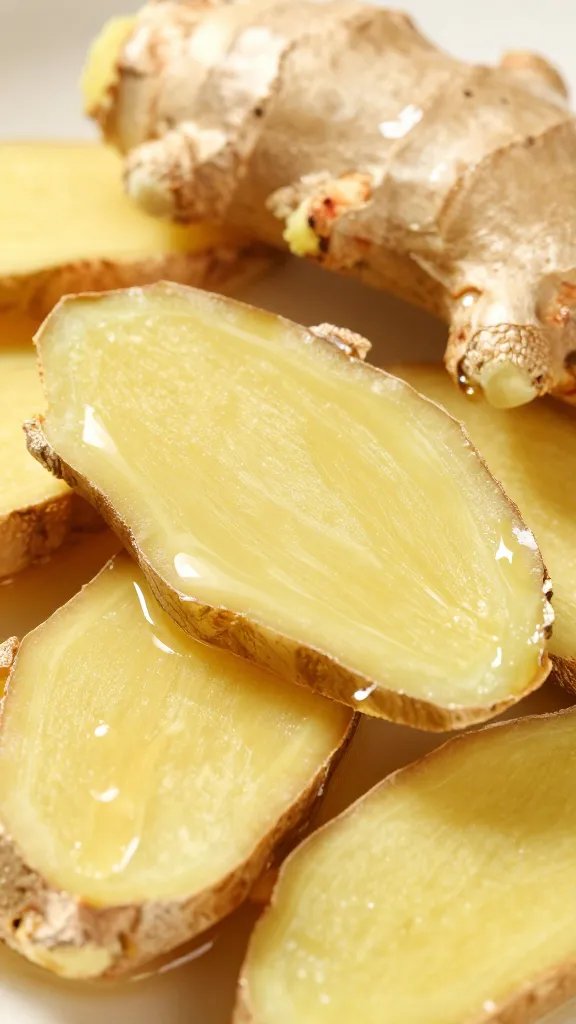
You’ll pour that luscious sauce over rice, so choose your base wisely.
- Jasmine rice: light and fragrant. Great everyday pick.
- Short-grain white: sticky and perfect for catching sauce.
- Brown rice or barley: nutty chew that stands up to the soy.
Toppings That Slap (IMO)
- Quick-pickled cucumbers: rice vinegar + sugar + salt, 10 minutes
- Blanched greens: bok choy or choy sum with sesame oil
- Chili crisp or chili oil: because flavor fireworks
- Toasted sesame seeds and scallions: texture + freshness
Batch Cooking and Leftovers
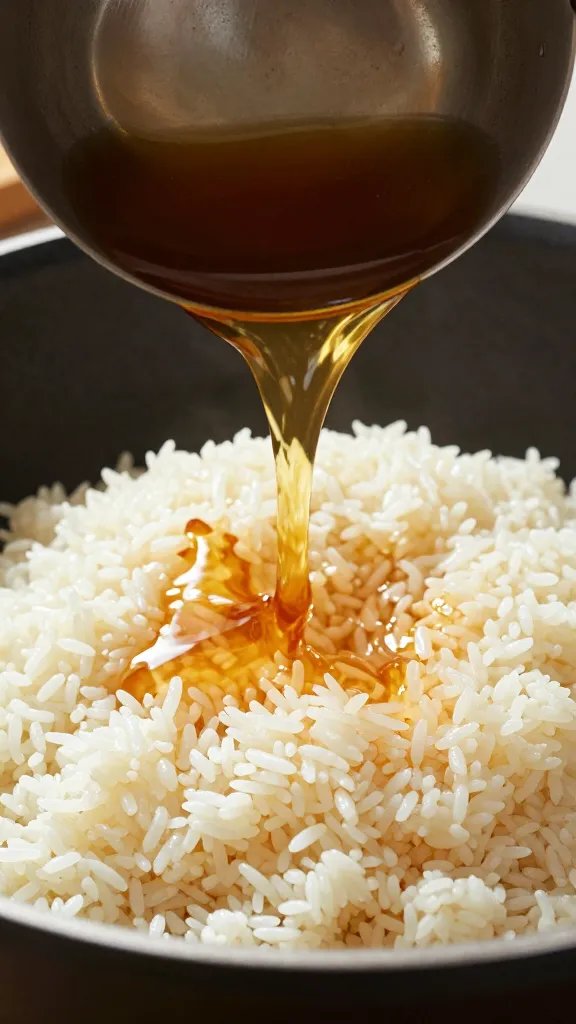
This dish loves your fridge. The eggs keep getting better, and the sauce thickens nicely once cooled.
- Storage: Keep eggs submerged in the braising liquid up to 4–5 days.
- Reheat gently: Low simmer in their sauce so they don’t toughen.
- Use the sauce twice: Add fresh water/soy to top up, bring to a boil, strain, then reuse within a week. Don’t keep it forever—this isn’t sourdough starter.
Leftover Remix Ideas
- Soy-egg fried rice: Chop an egg, use a spoon of sauce as seasoning.
- Noodle bowl: Cook noodles in diluted sauce; top with eggs and greens.
- Breakfast toast: Smash egg on buttered toast, drizzle sauce, add chili crisp. You’re welcome.
Troubleshooting: Common Egg Drama
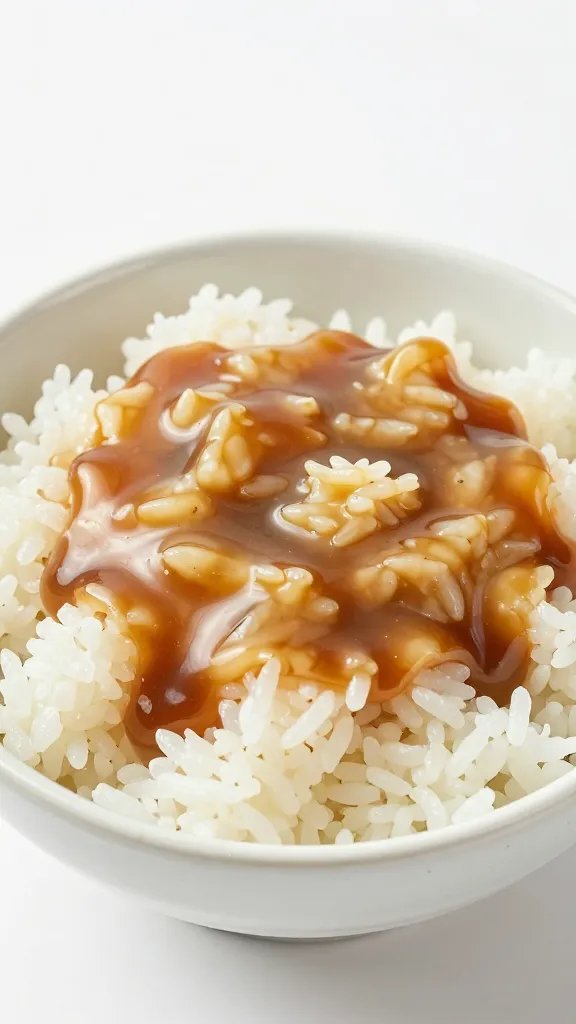
Look, eggs can be divas. Here’s how to keep them in line.
- Hard-to-peel shells? Older eggs peel easier. Shock in ice water immediately. Roll gently to crack all over before peeling.
- Rubbery whites? Don’t boil the braise. Gentle simmer only.
- Too salty? Add water and a pinch of sugar, simmer to rebalance. Serve with extra rice.
- No color? Add 1–2 tbsp dark soy or simmer longer for deeper hue.
FAQ
Can I make this without star anise?
Yes. The flavor shifts slightly, but ginger alone carries plenty of aroma. Add a small piece of cinnamon or a pinch of five-spice if you want complexity without star anise’s licorice note.
How long should I marinate the eggs?
Minimum 30 minutes for mild flavor, 4–12 hours for deeper taste and color. Overnight hits that sweet spot. Past 24 hours, the eggs trend pretty salty—great with extra rice, IMO.
Do I need both light and dark soy sauce?
No. Use regular soy sauce alone and you’ll still get excellent flavor. Dark soy adds color and a touch of sweetness. If you skip dark soy, just reduce the braise a bit longer for richness.
Can I use a pressure cooker?
You can, but it’s not necessary. If you do, keep it ultra-short—1 minute at low pressure then natural release—because overcooked eggs go chalky fast. I prefer the stovetop for control.
Is this the same as tea eggs?
Close cousins, not twins. Tea eggs include tea leaves and often more spices, and you crack the shells before steeping for marbled patterns. Lu dan keeps the shells off and focuses on a soy-forward braise you serve as a saucy bowl.
What protein swaps work if I want a mixed bowl?
Braised tofu puffs soak up sauce like sponges, and sliced braised pork belly (from the same pot, FYI) turns this into a full-on feast. Just skim the fat and adjust salt after adding meat.
Serving Vibes and Final Tips
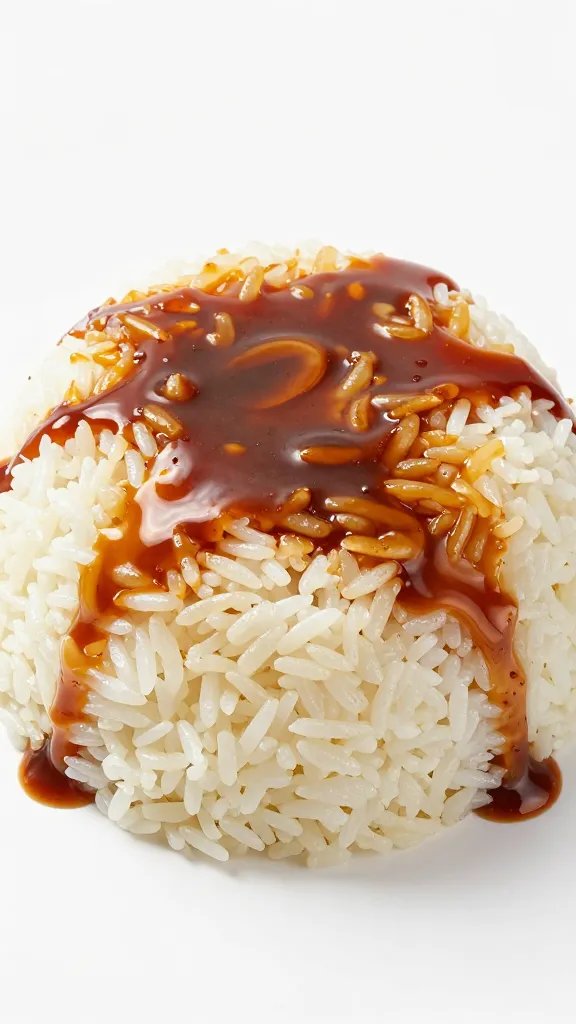
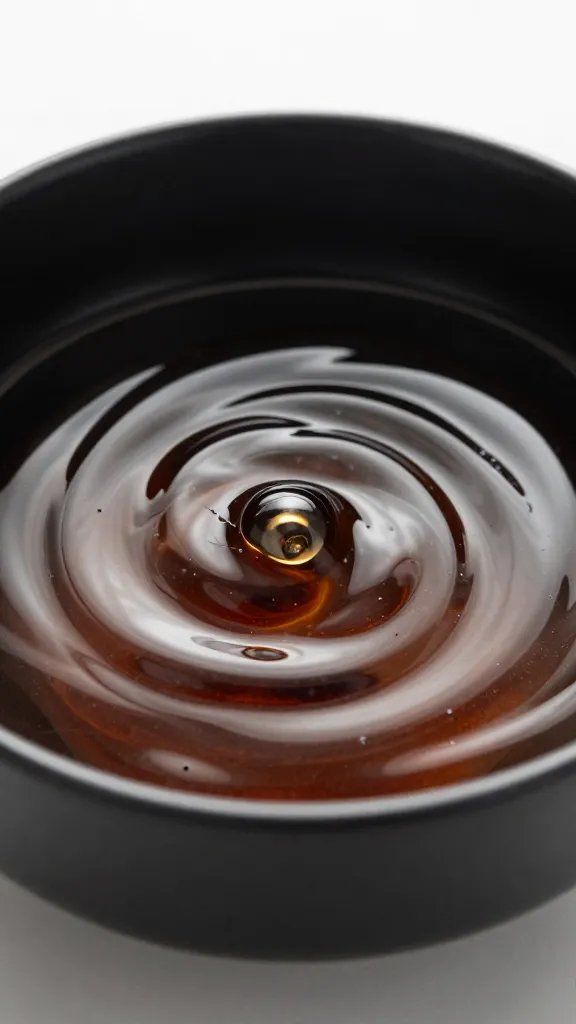
– Warm the bowl before you serve so the sauce stays glossy.
– Slice the eggs lengthwise to show off those yolks—yes, we eat with our eyes.
– Finish with something fresh and crunchy so the rich sauce doesn’t steamroll your palate.
That’s it: Chinese soy-braised eggs over rice with the full braising liquid. It’s fast, cozy, and wildly flavorful. Make a big batch, stash a jar in the fridge, and flex your “I have dinner handled” energy all week.