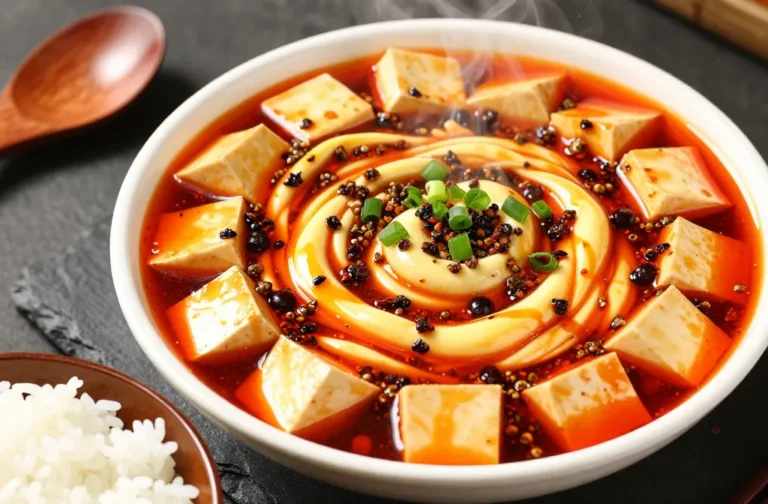
Gyeran Jjim — Korean Steamed Egg Custard, the Silky Side-Becomes-Dinner Dish You Need in Your Weeknight Rotation
September 19, 2026 · 6 min read
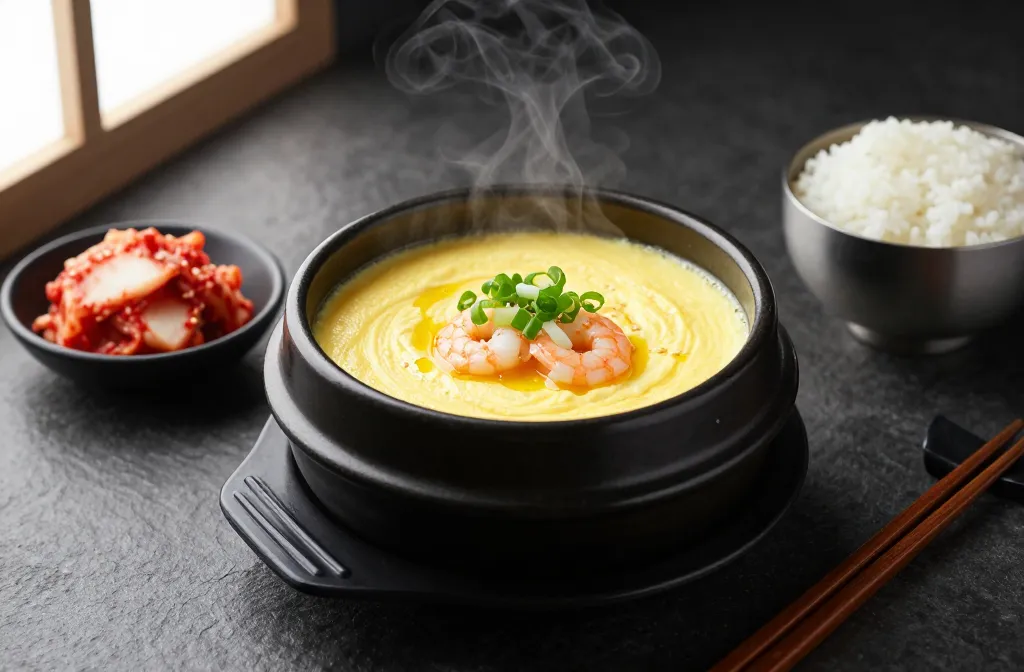
You know those nights when you want comfort food that feels fancy but cooks itself while you locate your sanity? Enter gyeran jjim, Korea’s silky steamed egg custard that tastes like a hug and takes less time than finding a streaming password. It’s fluffy, savory, and wildly customizable. Make it once and you’ll keep a carton of eggs on standby like it’s your new life policy.
What Exactly Is Gyeran Jjim?

Gyeran jjim is a soft, custardy egg dish that Koreans often serve as a humble side. It’s basically savory cloud-eggs that you steam low and slow. The texture sits somewhere between chawanmushi and the world’s gentlest omelet.
You whisk eggs with liquid, season it, and steam until barely set. Then you top it with scallions, sesame oil, maybe a few shrimp if you’re feeling glam. That’s it. Magic in a bowl.
Why This Belongs in Your Weeknight Rotation
– Ridiculously fast: 10–15 minutes, start to finish.
– Pantry-friendly: Eggs, water or stock, salt. That’s the core.
– Ultra-flexible: Add tofu, kimchi, mushrooms, leftover rotisserie chicken—whatever.
– Budget gold: Fancy vibes, $2 energy.
– Kid-friendly: Smooth, mild, easily tweaked for picky eaters.
Also, you can eat it solo for dinner with rice and kimchi. IMO, it’s the weeknight equivalent of wearing sweatpants to a nice restaurant: comfy but makes you feel like you tried.
The Golden Ratio (So Your Custard Sets Perfectly)
You need the right egg-to-liquid ratio to get that soft tremble.
- Base ratio: 1 large egg to 1/2 cup liquid (water, dashi, light chicken stock).
- Seasoning: 1/8–1/4 tsp salt per egg, plus a few grinds of white or black pepper.
- Optional umami: 1/2 tsp fish sauce or light soy per 2 eggs.
FYI, lighter stocks make a silkier custard. Heavy broths can taste muddy. Keep it subtle and let the eggs shine.
Strain or No Strain?
If you want the smoothest result, strain the mixture through a fine sieve before steaming. Do you have to? Nope. But if you crave restaurant-level silk, it makes a difference.
How to Steam It: Stovetop, Microwave, or Instant Pot
You have options here, and they’re all easy.
Stovetop (Classic and Foolproof)
1. Whisk eggs with liquid and seasonings until no streaks remain. Don’t whip in tons of air.
2. Pour into a small heatproof bowl (like a donabe insert or deep ramekin).
3. Set the bowl in a pot with 1–2 inches of simmering water. Cover with a lid.
4. Steam on low heat 8–12 minutes until the center jiggles like Jell-O.
5. Top with sliced scallions and a drizzle of sesame oil.
Pro tip: Wrap the pot lid in a towel to catch condensation so water doesn’t drip and pockmark the surface.
Microwave (Weeknight Hero)
1. Mix eggs and liquid as above in a microwave-safe bowl.
2. Cover loosely with a plate.
3. Heat on medium power (50–60%) in 30–45 second bursts, stirring gently once if needed.
4. Stop when the center is barely set. Carryover heat finishes it.
Microwave PSA: Full power turns eggs rubbery. Medium power = silk. You’re welcome.
Instant Pot (Hands-Off and Consistent)
1. Pour mixture into a heatproof bowl, cover with foil.
2. Add 1 cup water to the pot, trivet in, set bowl on trivet.
3. Steam setting or Manual: 1–2 minutes on low pressure, quick release, rest 2 minutes.
4. Uncover, garnish, done.
Flavor Moves: Keep It Simple or Go Wild

You can play chef here without stress. Start with the classic, then mess around.
The Classic
– Eggs + water or dashi
– Salt + white pepper
– Scallions
– Sesame oil drizzle
Seafood Glow-Up
– Tiny shrimp or crab meat folded in
– A dash of fish sauce
– Finish with toasted sesame seeds
Mushroom Umami Bomb
– Sautéed shiitake or oyster mushrooms
– Dashi or mushroom stock
– A few drops of light soy
Tofu Softie
– Silken tofu cubes stirred in gently
– Light chicken stock
– Scallion and chili oil to finish
Spicy Kimchi Kick
– Chopped, squeezed kimchi
– A little kimchi brine
– Gochugaru sprinkle on top (only if you like heat)
Rule of thumb: Keep add-ins small and pre-cooked. Big chunks or raw ingredients can overcook the eggs or create watery pockets.
Texture Troubleshooting (So You Don’t End Up with Scrambled Eggs)

– Rubbery or dry? You cooked it too hot or too long. Lower heat and stop earlier.
– Weepy liquid on top? Overcooking causes syneresis (fancy word for “leaking”). Next time, reduce cooking time.
– Still runny in the middle? Give it 30–60 more seconds. A slight wobble = perfection; a slosh = not done.
– Air bubbles cratered the surface? Whisk gently and tap the bowl to pop bubbles before steaming.
Salt Smart
Salt tightens proteins faster. If you use soy or fish sauce, ease up on table salt. Taste your liquid first so you don’t oversalt the final dish. IMO, subtle seasoning beats face-melting sodium.
Make It a Meal: Serving Ideas That Slap

– With rice and kimchi: The classic set. Add roasted seaweed for crunch.
– Breakfast-for-dinner: Toasted milk bread, sliced cucumbers, and a drizzle of chili crisp.
– Noodle buddy: Serve alongside instant ramyun to mellow the spice. Chef’s kiss.
– Protein plate: Pair with grilled mackerel or bulgogi and some pickled radish.
– Veg-forward: Steam with spinach and scallions; finish with lemony soy.
Garnish Like You Mean It
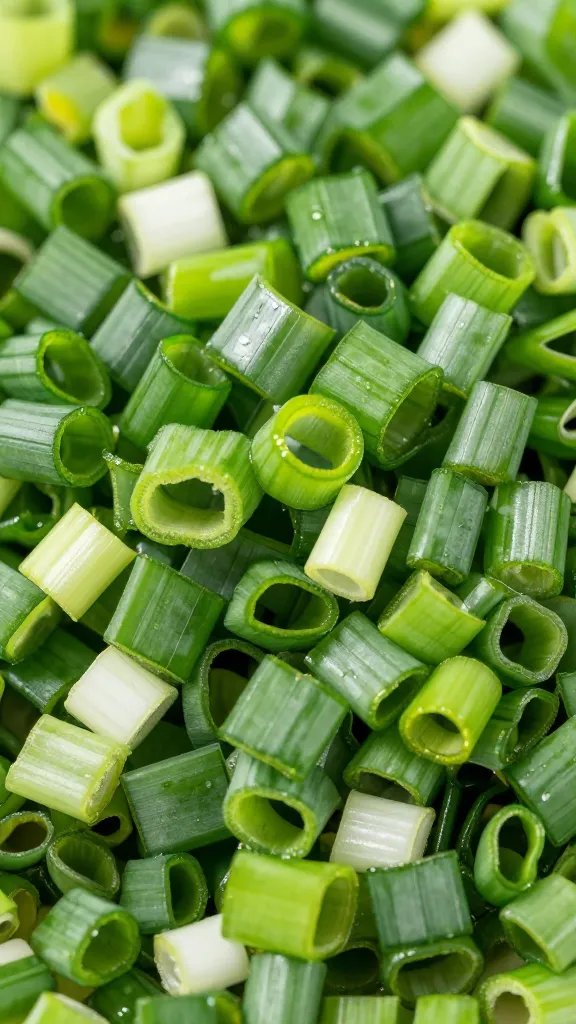
– Thin scallions or chives
– Sesame oil + a touch of soy
– Toasted sesame seeds
– Nori flakes or furikake
– A few drops of chili oil if you crave heat
Less is more: You want to taste the egg. Let the toppings support, not shout.
FAQ
Can I make gyeran jjim ahead of time?
You can, but it tastes best fresh. If you must, steam it, cool it, and refrigerate up to a day. Reheat gently on low heat or medium power in the microwave. The texture won’t be as dreamy, but it still beats sad leftovers.
Do I need special equipment?
Nope. Any small heatproof bowl and a pot with a lid work. A microwave or Instant Pot just speeds things up. The only “fancy” tool I recommend is a fine-mesh strainer for extra silk.
Why did my custard turn gray or dull?
Overcooking can darken the color and make it look tired. Also, strong soy sauces can muddy the hue. Use light soy or fish sauce and stop while the center still trembles.
Can I use milk instead of stock?
You can, but it changes the vibe. Milk makes it richer and a bit sweeter, closer to a breakfast custard. If that’s your lane, go for it. I prefer water or dashi for clean, savory flavor.
How do I scale for more people?
Use the same ratio—1 egg to 1/2 cup liquid—and divide into individual bowls, or steam a larger dish a bit longer. Test doneness in the center. Larger volumes need a few extra minutes, so stay close.
Is this dish gluten-free?
Yes, if you season with salt and gluten-free soy or tamari. Regular soy sauce often contains wheat. Double-check labels if you’re cooking for someone sensitive.
Conclusion
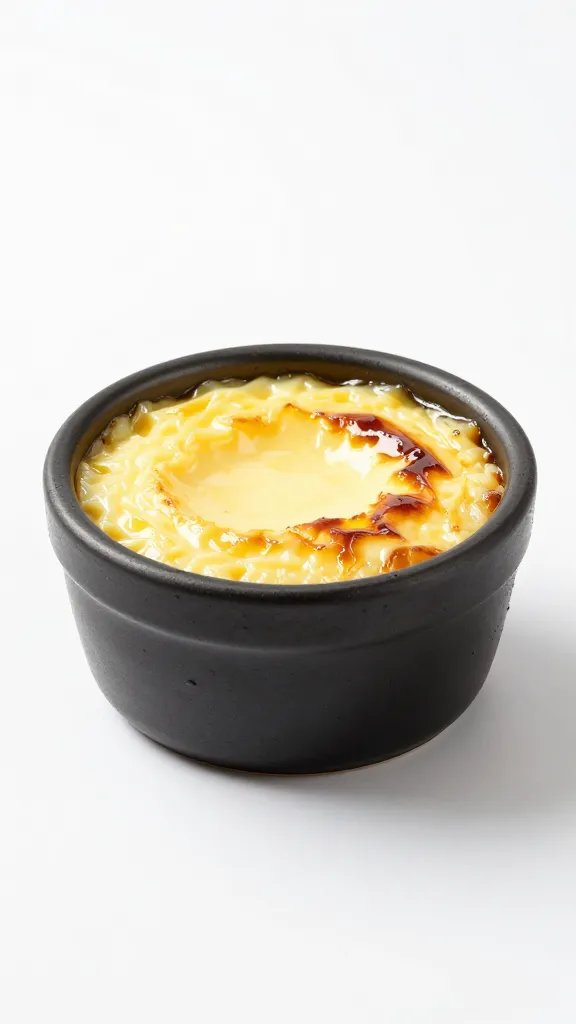

Gyeran jjim proves simple ingredients can deliver luxurious comfort with almost zero effort. Keep the ratio right, steam gently, and finish with a fragrant drizzle of sesame oil. Then spoon into that custard and feel your shoulders drop two inches. Weeknight dinner, solved—again.