Snow Ice Cream, Explained: Why It Works (and How Much of Snow Is Really Air)
October 24, 2026 · 5 min read
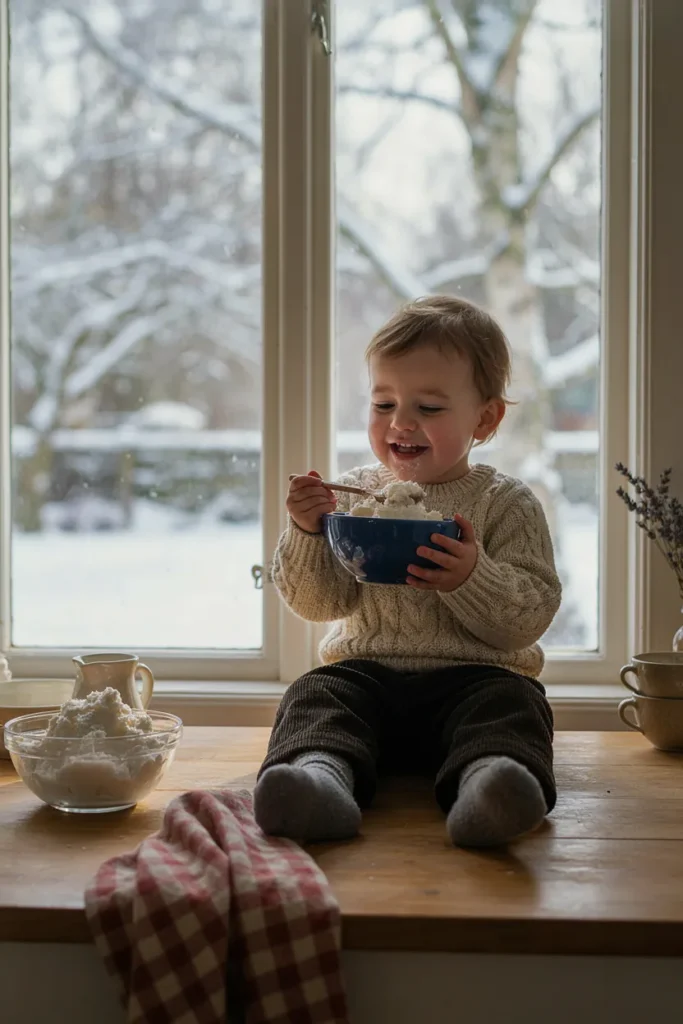
When the snow comes, this is the treat every kid begs for. Snow ice cream takes five minutes and three or four ingredients, and it comes with a surprisingly good science question: how much of a bowl of snow is actually water?
Kids measure it first, then eat the results. Our version uses milk and a little maple syrup instead of a whole can of condensed milk, so it’s lighter but still tastes like a snow day should.
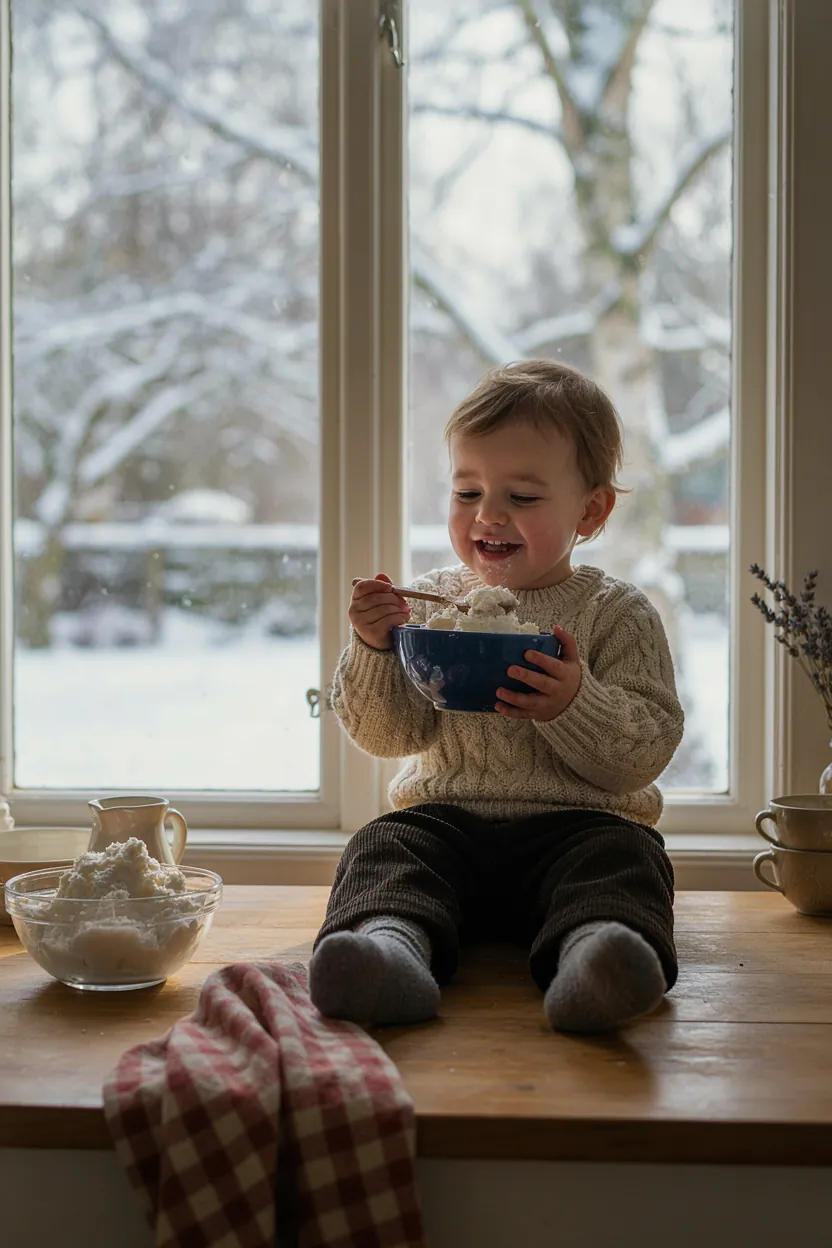
Maple Snow Ice Cream
Ingredients
Equipment
Method
- Set a large bowl outside during a snowfall to collect clean, fresh snow. Keep it outside or in the freezer until you need it.
- Stir the cold milk, maple syrup, vanilla and salt together in a jug.
- Pour about a third of the milk mixture over the snow and stir gently. Keep adding milk and folding until it looks like soft-serve ice cream.
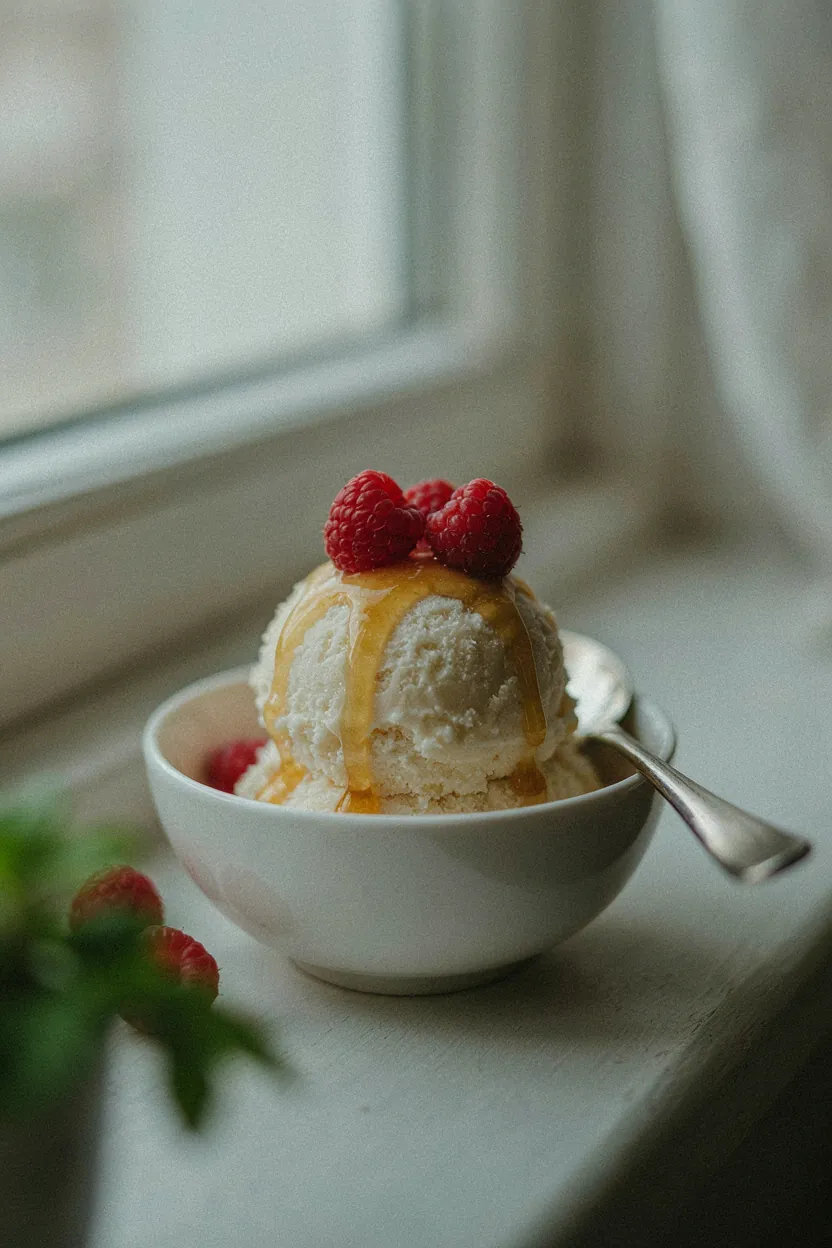
- Spoon into chilled bowls and eat straight away, topped with berries or cinnamon.
Notes
What Kids Will Discover
Kids find out that fluffy snow is mostly air. A big jug of snow melts into a surprisingly small puddle of water. They also see why snow makes such good ice cream: it’s already frozen, and it’s full of tiny crystals and air pockets that make it light.
Ages, Time and Mess Level
- Best for: ages 3 and up; preschoolers can scoop and stir, older kids can measure and record
- Time: 5 minutes to make, 30 to 60 minutes for the melting test
- Mess level: low, unless you count snow on the floor
- Grown-up job: choosing a safe spot to collect snow
The Experiment: How Much of Snow Is Water?
- Predict. Ask: if we fill a jug with snow and let it melt, how full will it be?
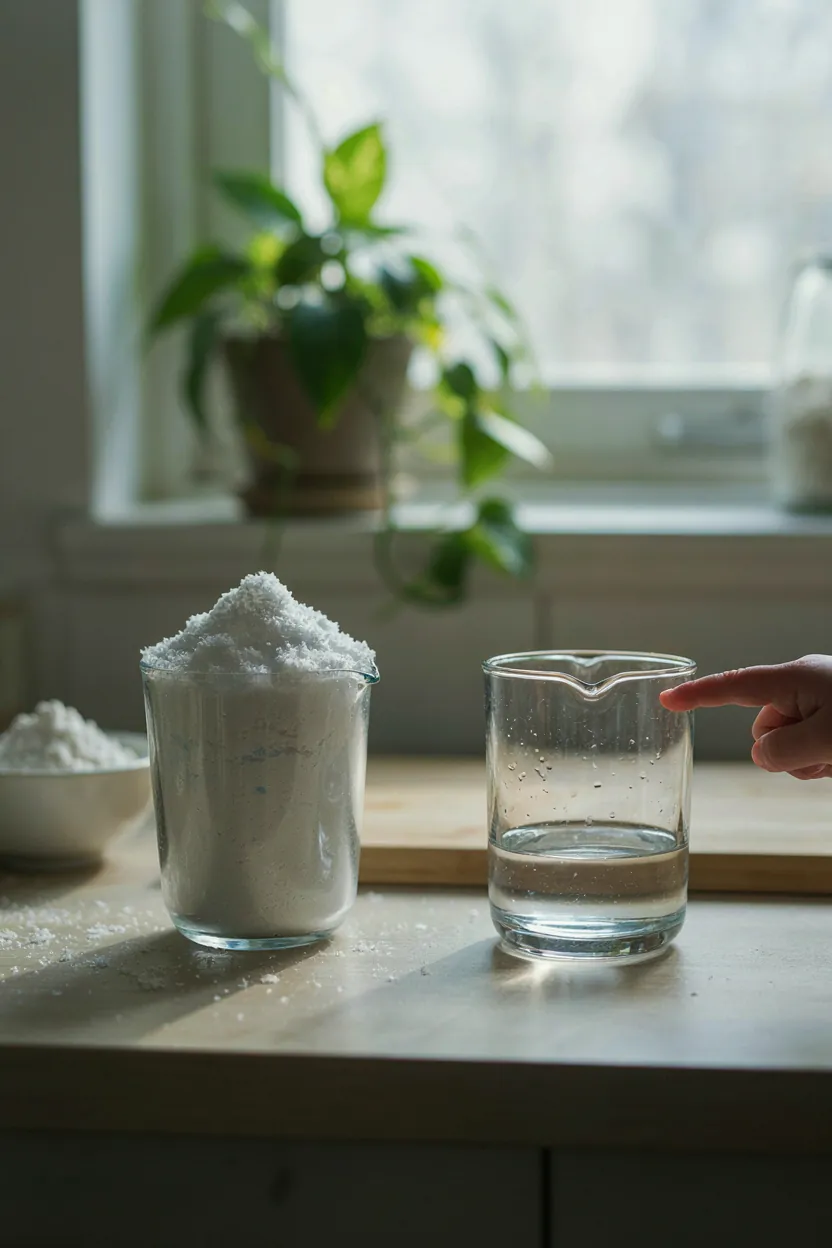
- Fill a clear measuring jug with fresh, fluffy snow. Don’t pack it down. Note the level.
- Let it melt on the counter. Check every 15 minutes and sketch the level.
- Measure the water once it’s fully melted and compare it with the starting level.
- Try a second sample of packed or slushy snow and compare.
What usually happens
Fresh fluffy snow often melts down to only a tenth or so of its starting volume, though it varies a lot: wet, heavy snow holds much more water than light, powdery snow. Kids are usually amazed at how little water is left.
The Science, in Kid Words
Snowflakes are made of tiny ice crystals with lots of arms and branches. When they land in a pile, they can’t fit together neatly, so there are loads of air gaps between them. Most of a fluffy snow pile is actually air. When the snow melts, the air escapes and only the water is left.
That airy, crystal texture is what makes snow ice cream work. The cold milk melts the edges of the crystals a little and they stick together, giving a soft, scoopable texture without an ice cream machine.
For grown-ups
Is it safe? Fresh snow picks up some particles from the air as it falls, but scientists interviewed by NPR say eating a little clean, fresh snow is generally fine. Their tips: collect it in a clean bowl set out during a snowfall, wait until it has been snowing for a while, and never use snow from the ground, near roads, or anything gray, brown or yellow.
Change One Thing
- Fluffy vs packed snow: which melts into more water?
- Milk temperature: make one batch with fridge-cold milk and one with room-temperature milk. Which turns slushy faster?
- Sweetener: compare maple syrup with honey or a mashed banana for flavor.
No Snow? Try This Instead
Blitz ice cubes in a high-speed blender until they’re fine like snow, then follow the same recipe. It’s denser than real snow, so you’ll need a little less milk. Or make our Ice Cream in a Bag, which works any time of year.
Make It a STEAM Day
- Math: work out the snow-to-water ratio. If 10 cups of snow made 1 cup of water, that’s 10 to 1.
- Science: catch falling snowflakes on dark paper and look at them with a magnifying glass.
- Art: follow up with our snowflake symmetry snacks.
Safety Notes
- Only use fresh, clean snow collected in a clean bowl; never from the ground, roads or near salted paths.
- Eat snow ice cream straight away; don’t refreeze it.
- Choose a dairy-free milk if anyone has a milk allergy. Honey isn’t suitable for babies under 12 months.
FAQ
Is it safe to eat snow ice cream?
Fresh, clean snow collected in a clean bowl during a snowfall is generally considered fine to eat in small amounts. Avoid snow from the ground, near roads, or any that is discolored.
Can I make snow ice cream without condensed milk?
Yes. This recipe uses cold milk, maple syrup and vanilla, which gives a lighter, less sugary result.
Why does my snow ice cream turn slushy?
Too much liquid or milk that isn’t cold enough. Add the milk gradually and stop as soon as it looks like soft-serve.
How much snow do I need?
About 8 cups of loose, fluffy snow for four small bowls. Collect a little extra in case it melts as you stir.
Can I store snow ice cream in the freezer?
It’s best eaten straight away. In the freezer it turns icy and hard.
In Conclusion
Snow ice cream is the easiest science lesson of the winter: measure the snow, watch it shrink, then turn the rest into dessert. Next time it snows, put a clean bowl outside and let your kids find out how much of the white stuff is really air.
Printable Recipe Card
Want just the essential recipe details without scrolling through the article? Get our printable recipe card with just the ingredients and instructions.